Bogers Sophie Helen
Department of Large Animal Clinical Sciences, Virginia-Maryland College of Veterinary Medicine, Blacksburg, VA, United States.
Front Vet Sci. 2018 Apr 16;5:70. doi: 10.3389/fvets.2018.00070. eCollection 2018.
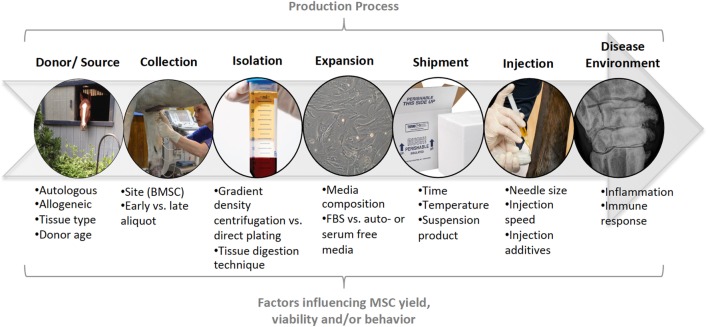
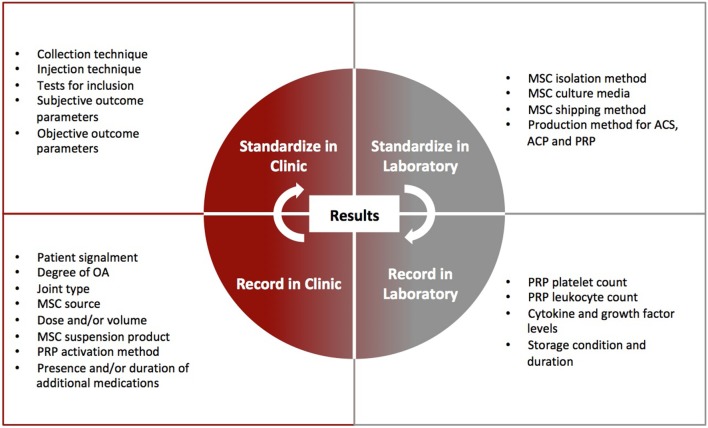
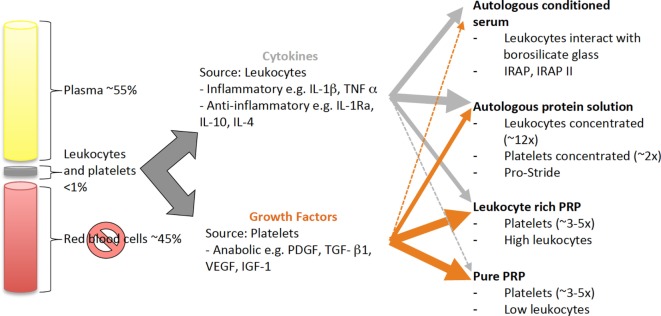
Biological cell-based therapies for the treatment of joint disease in veterinary patients include autologous-conditioned serum, platelet-rich plasma, and expanded or non-expanded mesenchymal stem cell products. This narrative review outlines the processing and known mechanism of action of these therapies and reviews current preclinical and clinical efficacy in joint disease in the context of the processing type and study design. The significance of variation for biological activity and consequently regulatory approval is also discussed. There is significant variation in study outcomes for canine and equine cell-based products derived from whole blood or stem cell sources such as adipose and bone marrow. Variation can be attributed to altering bio-composition due to factors including preparation technique and source. In addition, study design factors like selection of cases with early vs. late stage osteoarthritis (OA), or with intra-articular soft tissue injury, influence outcome variation. In this under-regulated field, variation raises concerns for product safety, consistency, and efficacy. Cell-based therapies used for OA meet the Food and Drug Administration's (FDA's) definition of a drug; however, researchers must consider their approach to veterinary cell-based research to meet future regulatory demands. This review explains the USA's FDA guidelines as an example pathway for cell-based therapies to demonstrate safety, effectiveness, and manufacturing consistency. An understanding of the variation in production consistency, effectiveness, and regulatory concerns is essential for practitioners and researchers to determine what products are indicated for the treatment of joint disease and tactics to improve the quality of future research.
用于治疗兽医患者关节疾病的基于生物细胞的疗法包括自体条件血清、富血小板血浆以及扩增或未扩增的间充质干细胞产品。这篇叙述性综述概述了这些疗法的制备过程和已知作用机制,并结合制备类型和研究设计,综述了目前在关节疾病中的临床前和临床疗效。还讨论了生物活性变异以及相应监管批准的重要性。从全血或脂肪和骨髓等干细胞来源获得的犬类和马类细胞产品的研究结果存在显著差异。变异可归因于包括制备技术和来源在内的因素导致的生物成分改变。此外,研究设计因素,如选择早期与晚期骨关节炎(OA)病例或关节内软组织损伤病例,会影响结果差异。在这个监管不足的领域,变异引发了对产品安全性、一致性和疗效的担忧。用于OA的基于细胞的疗法符合美国食品药品监督管理局(FDA)对药物的定义;然而,研究人员必须考虑他们进行兽医细胞研究的方法,以满足未来的监管要求。本综述以美国FDA指南为例,阐述了基于细胞的疗法证明安全性、有效性和生产一致性的途径。了解生产一致性、有效性和监管问题的差异,对于从业者和研究人员确定哪些产品适用于治疗关节疾病以及提高未来研究质量的策略至关重要。