Section of Inflammation and Cardiometabolic Diseases, Cardio-Pulmonary Branch, National Heart, Lung and Blood Institute, National Institutes of Health, Bethesda, MD, USA.
Center for Experimental Therapeutics and Reperfusion Injury, Department of Anesthesiology, Perioperative, and Pain Medicine, Harvard Institutes of Medicine, Brigham and Women's Hospital and Harvard Medical School, Boston, MA, USA.
J Clin Lipidol. 2018 Jul-Aug;12(4):1047-1060. doi: 10.1016/j.jacl.2018.03.091. Epub 2018 Apr 6.
Psoriasis (PSO) is an immune-mediated inflammatory disease associated with metabolic and cardiovascular comorbidities. It is now known that resolution of inflammation is an active process locally controlled by specialized proresolving mediators (SPMs), named resolvins (Rvs), protectins, and maresins.
It is unknown whether these potent lipid mediators (LMs) are involved in PSO pathophysiology and if the skin and blood have disease-specific SPMs phenotype profiles.
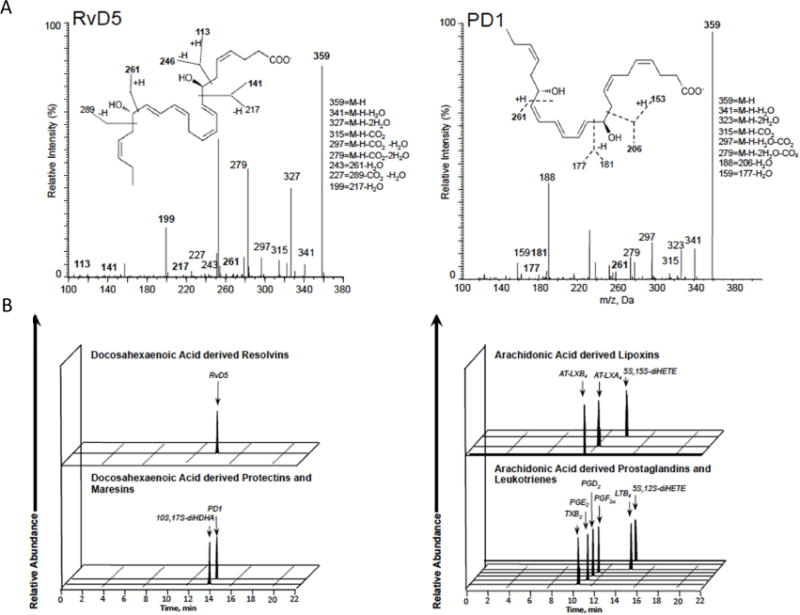
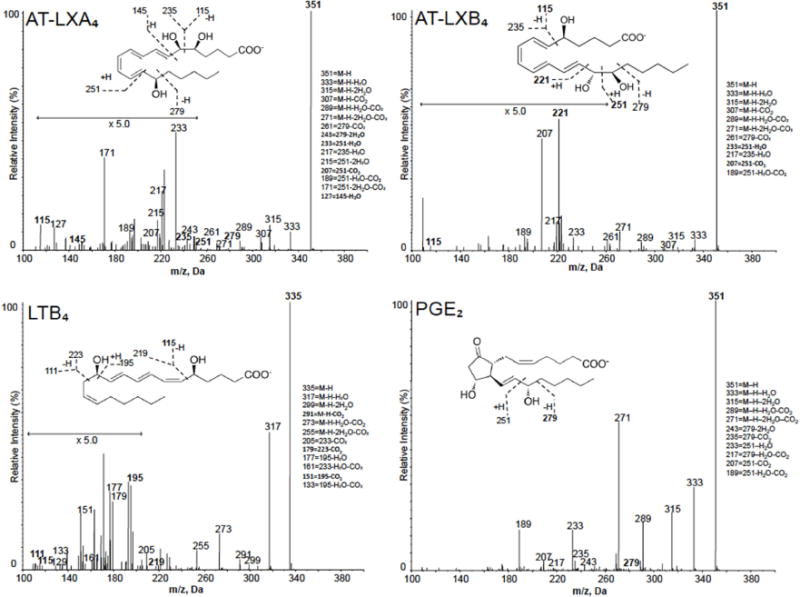
We used liquid chromatography-tandem mass spectrometry-based LM metabololipidomics to obtain skin and peripheral blood LM profiles from PSO compared to healthy subjects. Some LMs were tested in cell culture experiments with corresponding gene expression and protein concentration analyses.
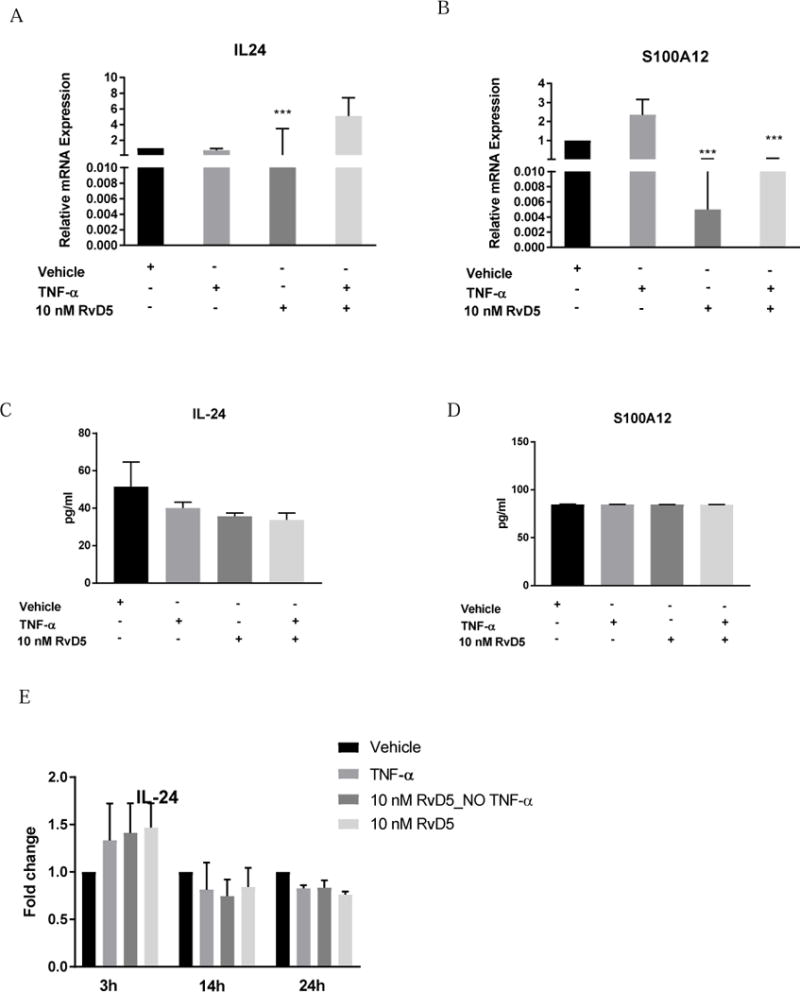
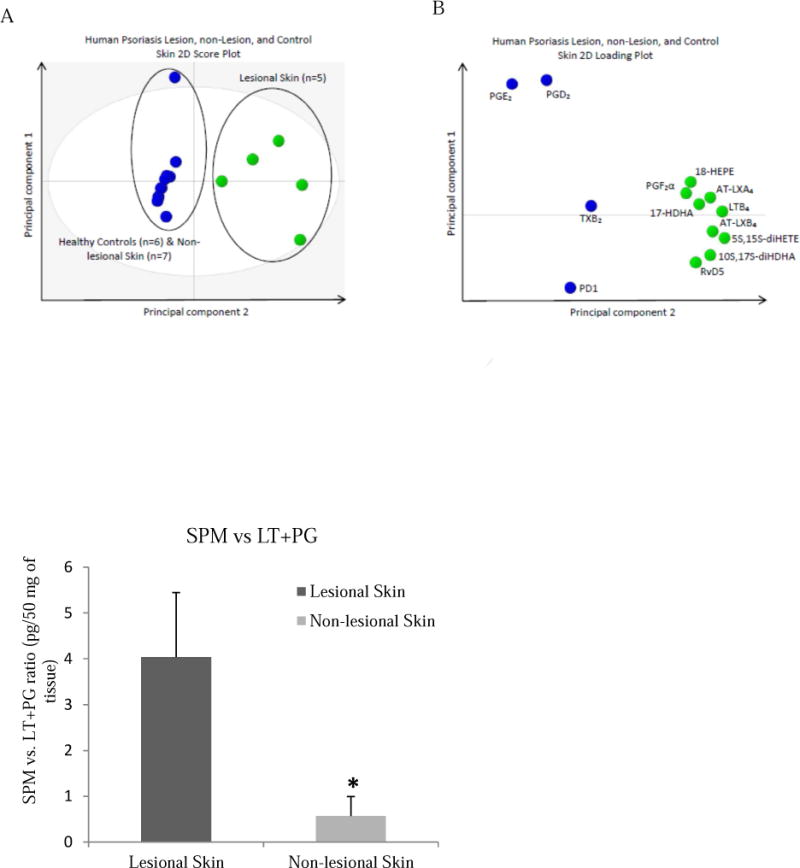
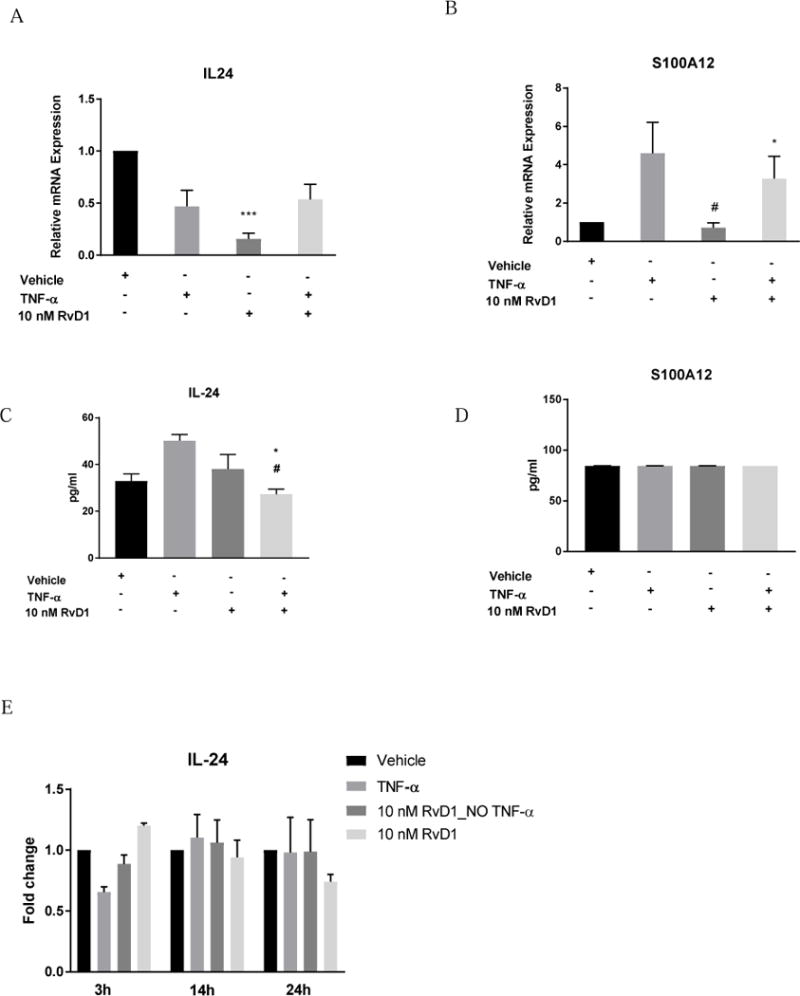
The levels of several LM were significantly elevated in lesional PSO skin compared to nonlesional and skin from healthy subjects. Particularly, RvD5, protectins Dx, and aspirin-triggered forms of lipoxin were present only in lesional PSO skin, whereas protectin D1 was present in nonlesional PSO skin. To determine specific roles of SPMs on skin-related inflammatory cytokines, RvD1 and RvD5 were incubated with human keratinocytes. RvD1 and RvD5 reduced the expression levels of interleukin 24 and S100A12, whereas only RvD1 significantly abrogated interleukin-24 production by keratinocytes.
These findings suggest that an imbalance between locally produced proresolution and proinflammatory LMs identified in PSO skin and blood compartments might play a role in PSO pathophysiology. Moreover, some of the PSO-related cytokines can be modified by specific SPMs and involved mechanisms support investigation of targeting novel proresolving lipid mediators as a therapy for PSO.
银屑病(PSO)是一种与代谢和心血管合并症相关的免疫介导的炎症性疾病。现在已知炎症的消退是一个由专门的促解决介质(SPM)局部控制的主动过程,这些 SPM 被命名为 resolvins(Rvs)、保护素和maresins。
目前尚不清楚这些有效的脂质介质(LMs)是否参与 PSO 的病理生理学,以及皮肤和血液是否具有疾病特异性 SPM 表型谱。
我们使用基于液相色谱-串联质谱的 LM 代谢脂质组学,从 PSO 患者与健康受试者中获得皮肤和外周血 LM 图谱。对一些 LM 进行了细胞培养实验,并进行了相应的基因表达和蛋白浓度分析。
与非皮损 PSO 皮肤和健康受试者皮肤相比,皮损 PSO 皮肤中几种 LM 的水平明显升高。特别是,RvD5、保护素 Dx 和阿司匹林触发型脂氧素仅存在于皮损 PSO 皮肤中,而保护素 D1 存在于非皮损 PSO 皮肤中。为了确定 SPM 在皮肤相关炎症细胞因子中的具体作用,我们用 RvD1 和 RvD5 孵育人角质形成细胞。RvD1 和 RvD5 降低了白细胞介素 24 和 S100A12 的表达水平,而只有 RvD1 显著抑制了角质形成细胞产生白细胞介素 24。
这些发现表明,在 PSO 皮肤和血液区室中局部产生的促解决和促炎 LMs 之间的不平衡可能在 PSO 的病理生理学中发挥作用。此外,一些与 PSO 相关的细胞因子可以被特定的 SPM 修饰,所涉及的机制支持将靶向新型促解决脂质介质作为 PSO 治疗方法的研究。