Yamagata Masahito, Duan Xin, Sanes Joshua R
Center for Brain Science and Department of Molecular and Cellular Biology, Harvard University, Cambridge, MA, United States.
Front Mol Neurosci. 2018 Apr 30;11:142. doi: 10.3389/fnmol.2018.00142. eCollection 2018.
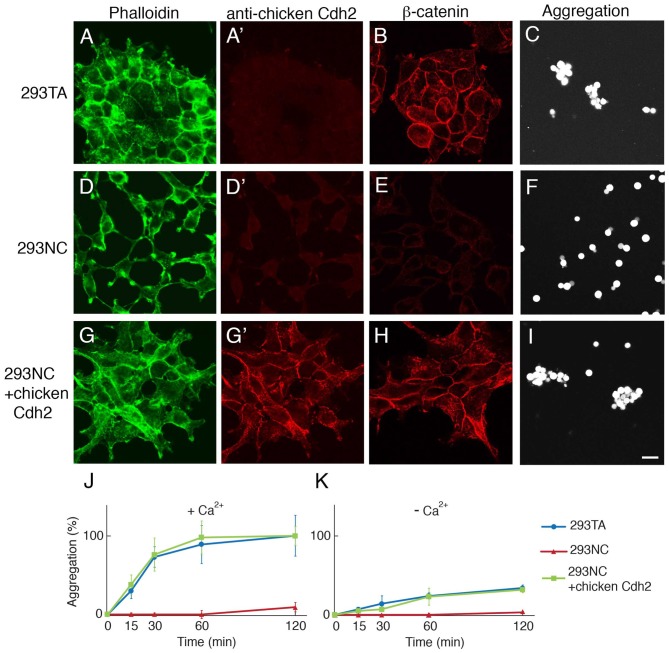
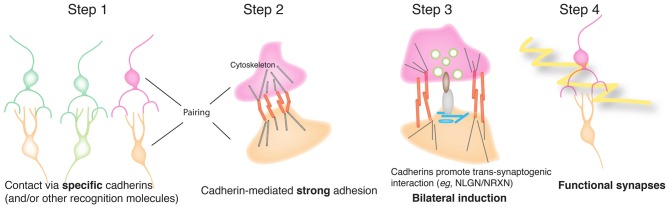
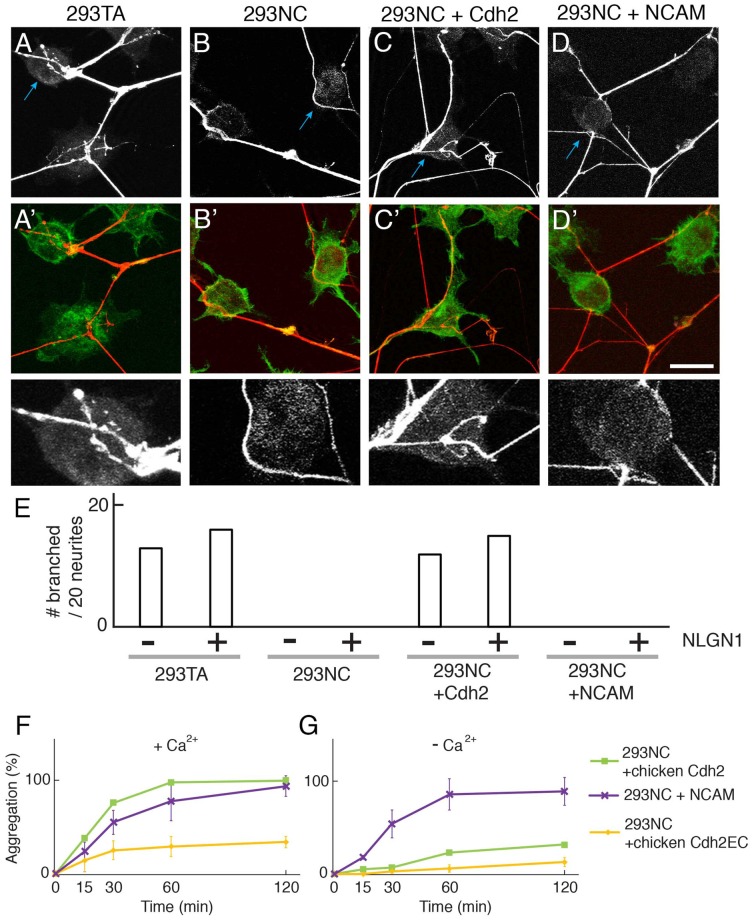
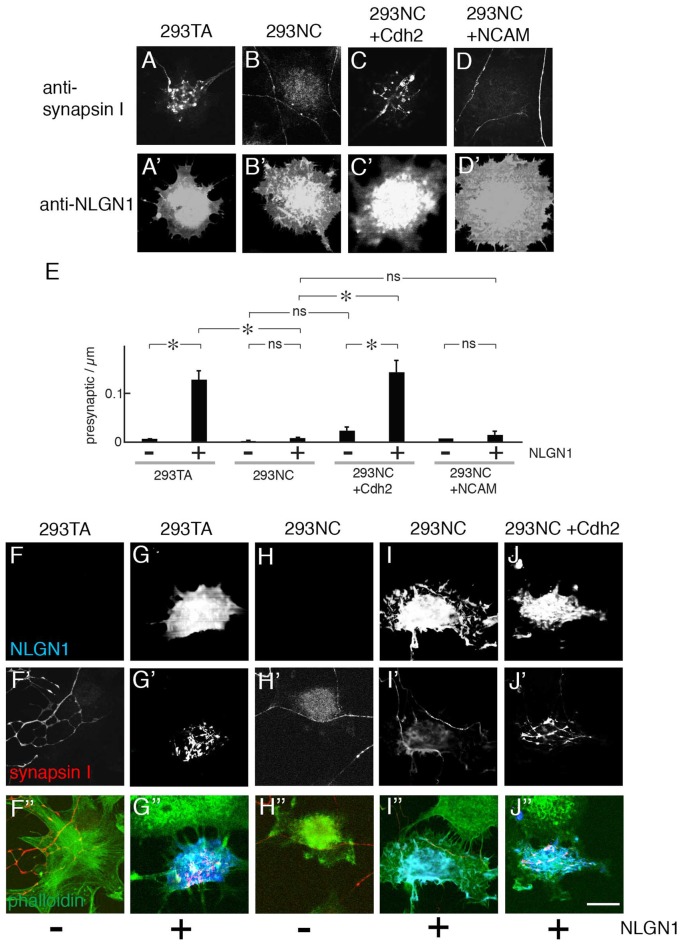
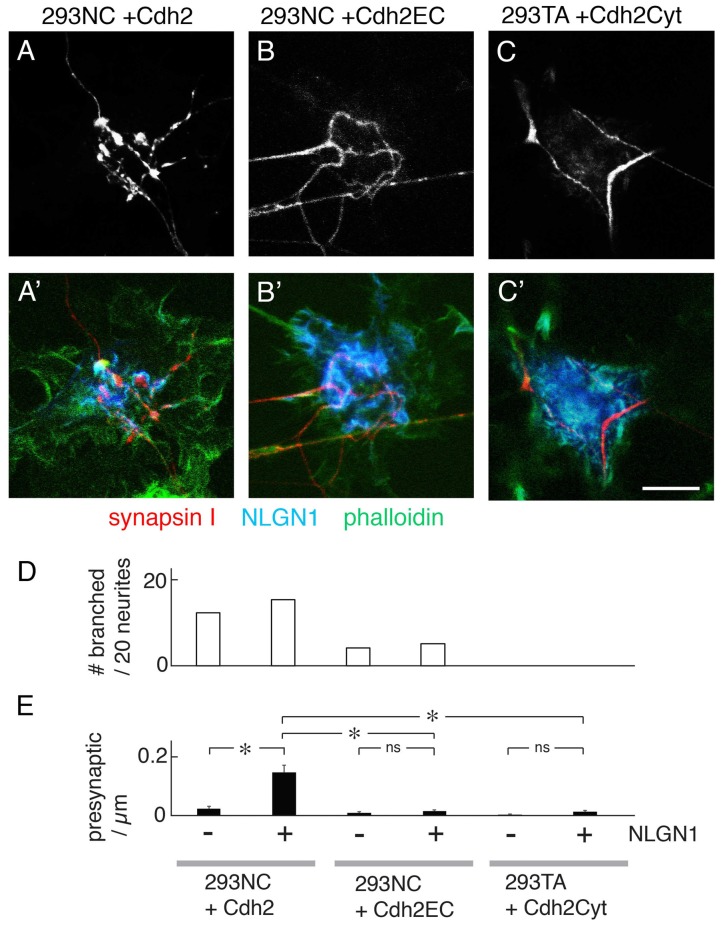
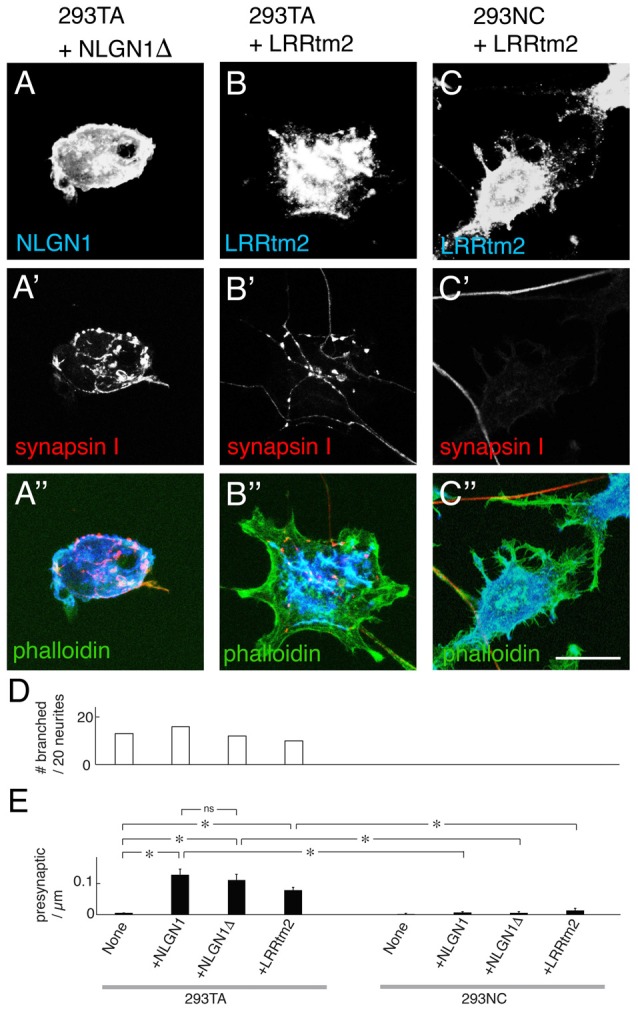
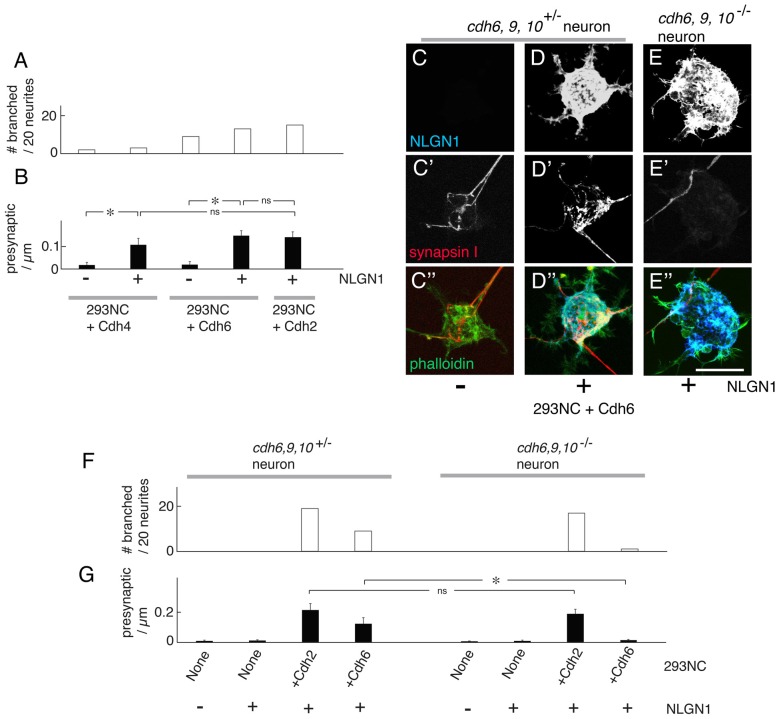
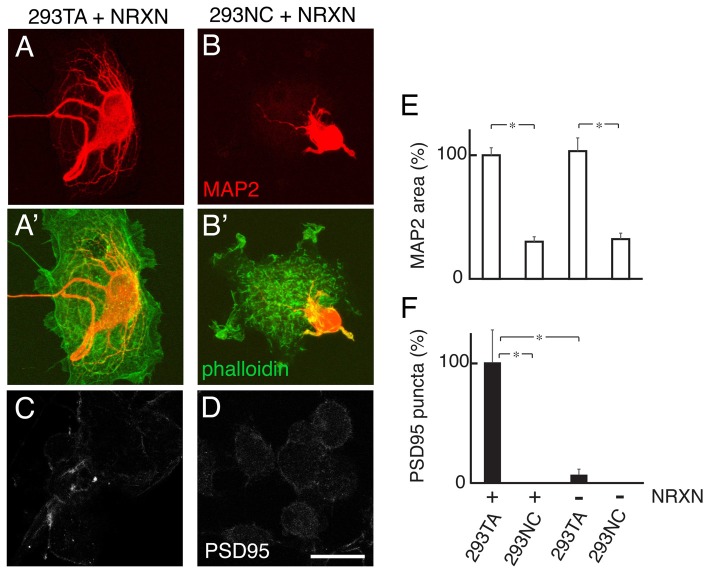
Classical cadherins, a set of ~20 related recognition and signaling molecules, have been implicated in many aspects of neural development, including the formation and remodeling of synapses. Mechanisms underlying some of these steps have been studied by expressing N-cadherin (), a Type 1 cadherin, in heterologous cells, but analysis is complicated because widely used lines express endogenously. We used CRISPR-mediated gene editing to generate a Human embryonic kidney (HEK)293 variant lacking Cdh2, then compared the behavior of rodent cortical and hippocampal neurons co-cultured with parental, mutant and -rescued 293 lines. The comparison demonstrated that Cdh2 promotes neurite branching and that it is required for three synaptic organizers, neurologin1 (NLGL1), leucine-rich repeat transmembrane protein 2 (LRRtm2), and Cell Adhesion Molecule 1 (Cadm1/SynCAM) to stimulate presynaptic differentiation, assayed by clustering of synaptic vesicles at sites of neurite-293 cell contact. Similarly, Cdh2 is required for a presynaptic organizing molecule, Neurexin1β, to promote postsynaptic differentiation in dendrites. We also show that another Type I cadherin, Cdh4, and a Type II cadherin, Cdh6, can substitute for Cdh2 in these assays. Finally, we provide evidence that the effects of cadherins require homophilic interactions between neurites and the heterologous cells. Together, these results indicate that classical cadherins act together with synaptic organizers to promote synaptic differentiation, perhaps in part by strengthening the intracellular adhesion required for the organizers to act efficiently. We propose that cadherins promote high affinity contacts between appropriate partners, which then enable synaptic differentiation.
经典钙黏蛋白是一组约20种相关的识别和信号分子,参与神经发育的许多方面,包括突触的形成和重塑。通过在异源细胞中表达N - 钙黏蛋白(一种1型钙黏蛋白)对其中一些步骤的潜在机制进行了研究,但分析过程较为复杂,因为广泛使用的细胞系会内源性表达[具体蛋白名称未给出]。我们使用CRISPR介导的基因编辑技术生成了缺乏Cdh2的人胚肾(HEK)293变体,然后比较了与亲代、[具体蛋白名称未给出]突变体和[具体蛋白名称未给出]拯救的293细胞系共培养的啮齿动物皮质和海马神经元的行为。比较结果表明,Cdh2促进神经突分支,并且它是三种突触组织者——神经生长蛋白1(NLGL1)、富含亮氨酸重复跨膜蛋白2(LRRtm2)和细胞黏附分子1(Cadm1 / SynCAM)刺激突触前分化所必需的,通过神经突 - 293细胞接触位点处突触小泡的聚集来检测。同样,突触前组织分子Neurexin1β促进树突中突触后分化也需要Cdh2。我们还表明,另一种1型钙黏蛋白Cdh4和2型钙黏蛋白Cdh6在这些实验中可以替代Cdh2。最后,我们提供证据表明钙黏蛋白的作用需要神经突与异源细胞之间的嗜同性相互作用。总之,这些结果表明经典钙黏蛋白与突触组织者共同作用促进突触分化,可能部分是通过加强组织者有效发挥作用所需的细胞内黏附。我们提出钙黏蛋白促进合适伙伴之间的高亲和力接触,进而实现突触分化。