Krzykawska-Serda Martyna, Ho Jason Chak-Shing, Ware Matthew J, Law Justin J, Newton Jared M, Nguyen Lam, Agha Mahdi, Curley Steven A, Corr Stuart J
Baylor College of Medicine, Dept. of Surgery, Houston, TX, USA; Jagiellonian University, Dept. Biophysics, Faculty of Biochemistry, Biophysics and Biotechnology, Krakow, Poland.
Baylor College of Medicine, Dept. of Surgery, Houston, TX, USA.
Transl Oncol. 2018 Aug;11(4):864-872. doi: 10.1016/j.tranon.2018.04.010. Epub 2018 May 12.
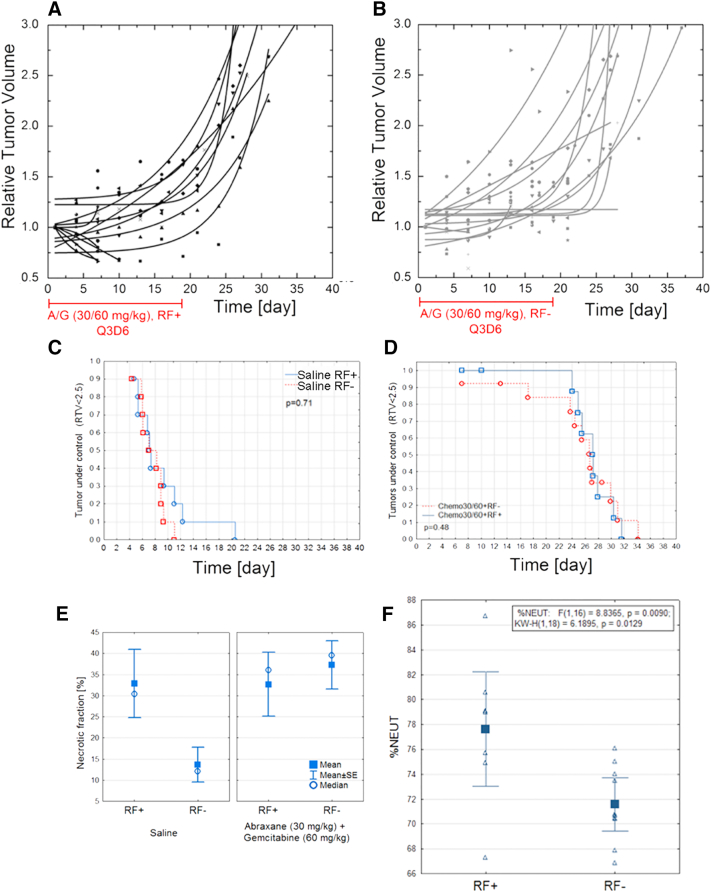
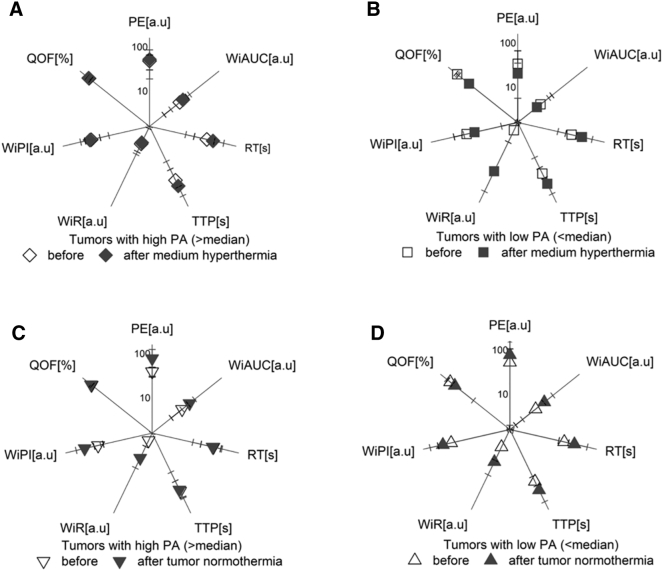
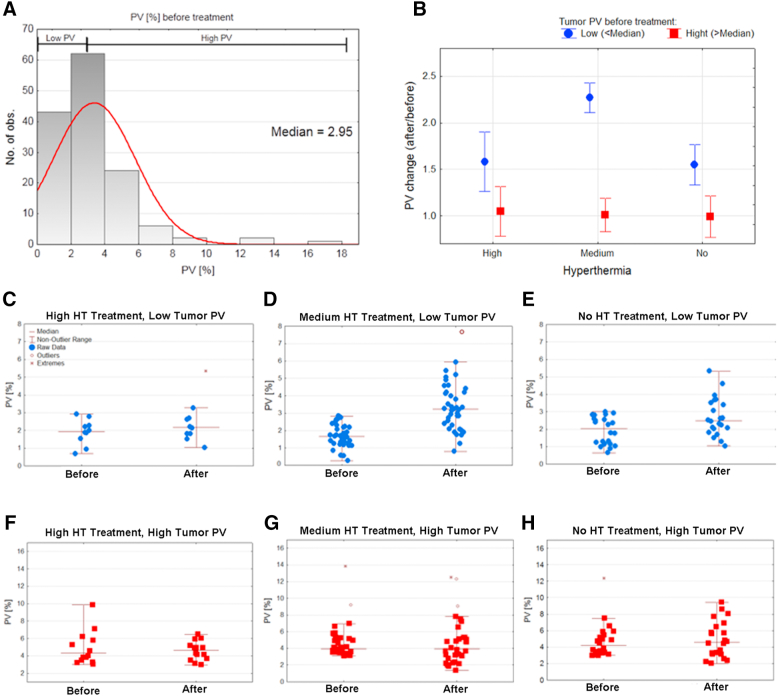
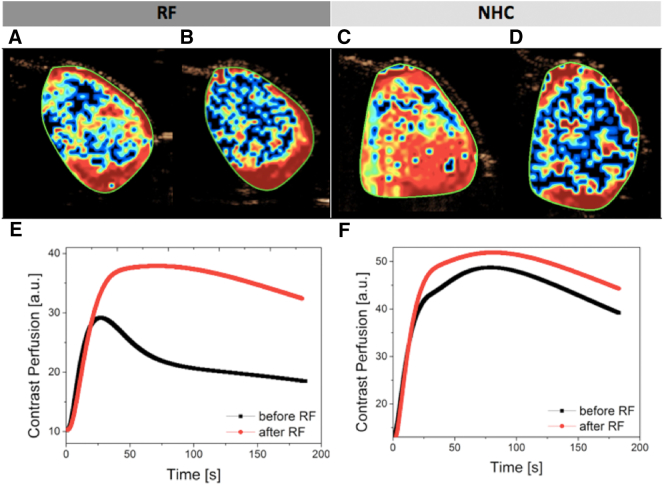
Noninvasive radiofrequency-induced (RF) hyperthermia has been shown to increase the perfusion of chemotherapeutics and nanomaterials through cancer tissue in ectopic and orthotopic murine tumor models. Additionally, mild hyperthermia (37°C-45°C) has previously shown a synergistic anticancer effect when used with standard-of-care chemotherapeutics such as gemcitabine and Abraxane. However, RF hyperthermia treatment schedules remain unoptimized, and the mechanisms of action of hyperthermia and how they change when treating various tumor phenotypes are poorly understood. Therefore, pretreatment screening of tumor phenotypes to identify key tumors that are predicted to respond more favorably to hyperthermia will provide useful mechanistic data and may improve therapeutic outcomes. Herein, we identify key biophysical tumor characteristics in order to predict the outcome of combinational RF and chemotherapy treatment. We demonstrate that ultrasound imaging using Doppler mode can be utilized to predict the response of combinational RF and chemotherapeutic therapy in a murine 4T1 breast cancer model.
在异位和原位小鼠肿瘤模型中,无创射频诱导(RF)热疗已被证明可增加化疗药物和纳米材料在癌组织中的灌注。此外,轻度热疗(37°C - 45°C)先前已显示,与吉西他滨和白蛋白结合型紫杉醇等标准护理化疗药物联合使用时具有协同抗癌作用。然而,射频热疗治疗方案仍未优化,人们对热疗的作用机制以及在治疗各种肿瘤表型时其作用机制如何变化知之甚少。因此,对肿瘤表型进行预处理筛选,以识别预计对热疗反应更良好的关键肿瘤,将提供有用的机制数据,并可能改善治疗效果。在此,我们确定关键的肿瘤生物物理特征,以预测射频与化疗联合治疗的结果。我们证明,在小鼠4T1乳腺癌模型中,使用多普勒模式的超声成像可用于预测射频与化疗联合治疗的反应。