Shang Shi, Zheng Yanting, Shen Ming, Yang Xianfeng, Xu Jun
Advanced Vehicle Research Center (AVRC), Beihang University, Beijing 100191, China.
Department of Automotive Engineering, School of Transportation Science and Engineering, Beihang University, Beijing 100191, China.
Appl Bionics Biomech. 2018 Mar 25;2018:5738090. doi: 10.1155/2018/5738090. eCollection 2018.
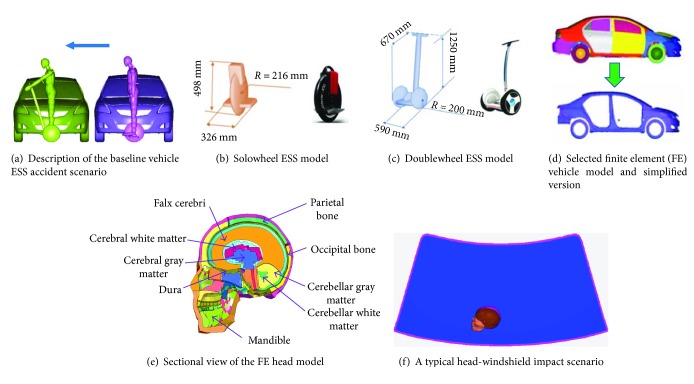
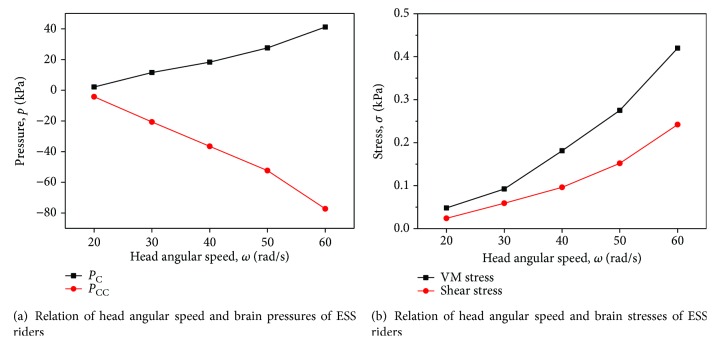
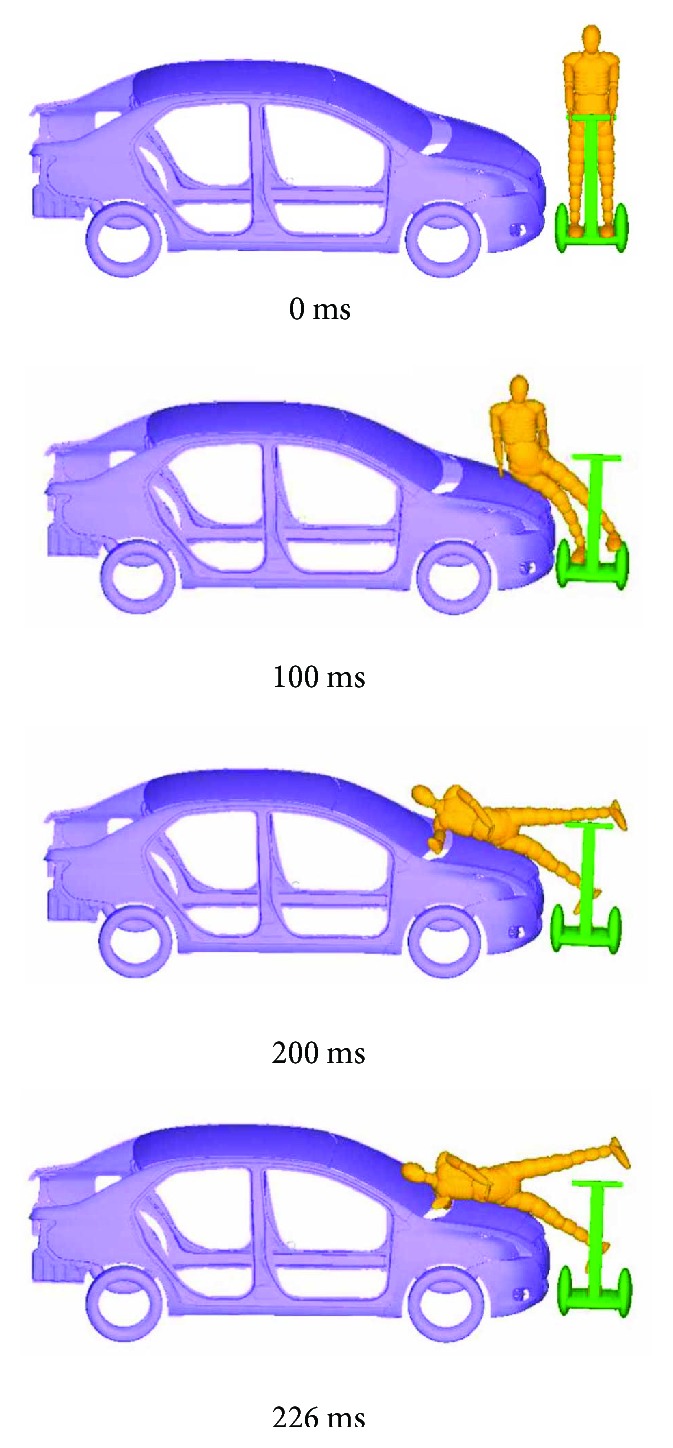
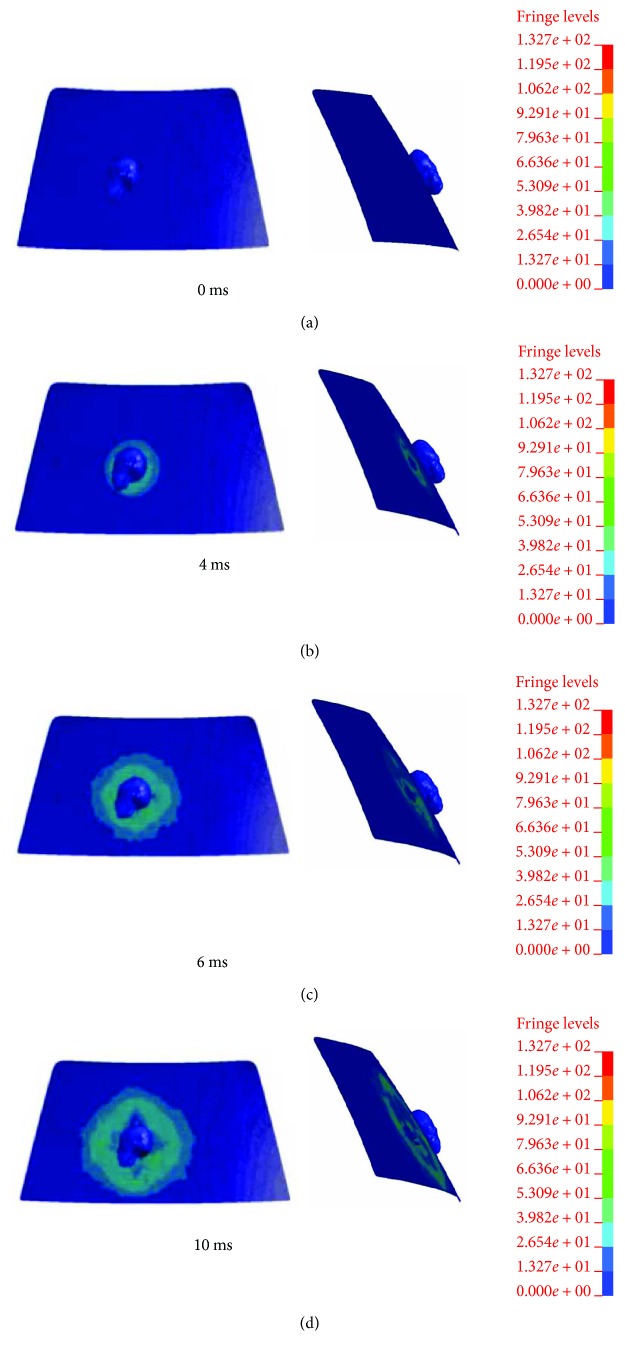
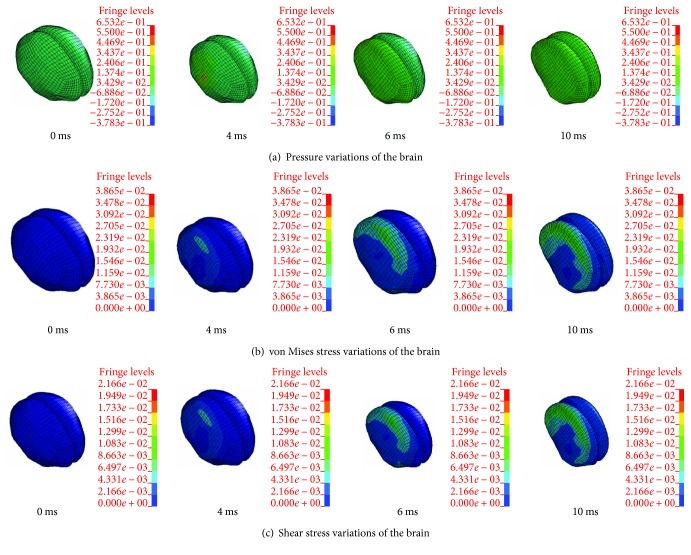
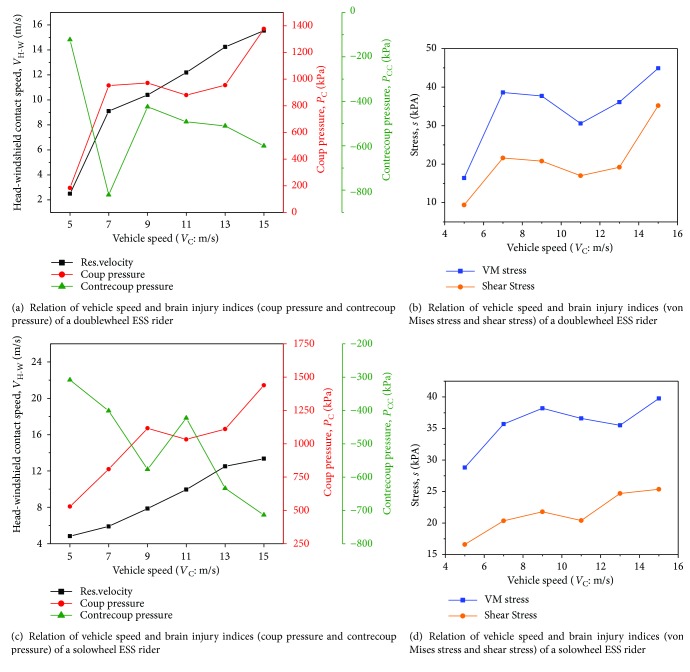
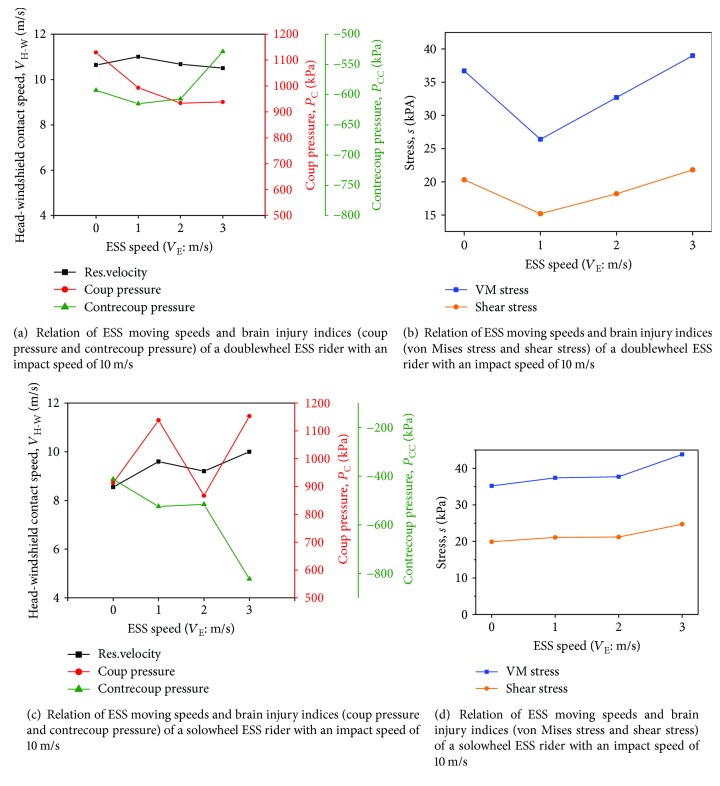
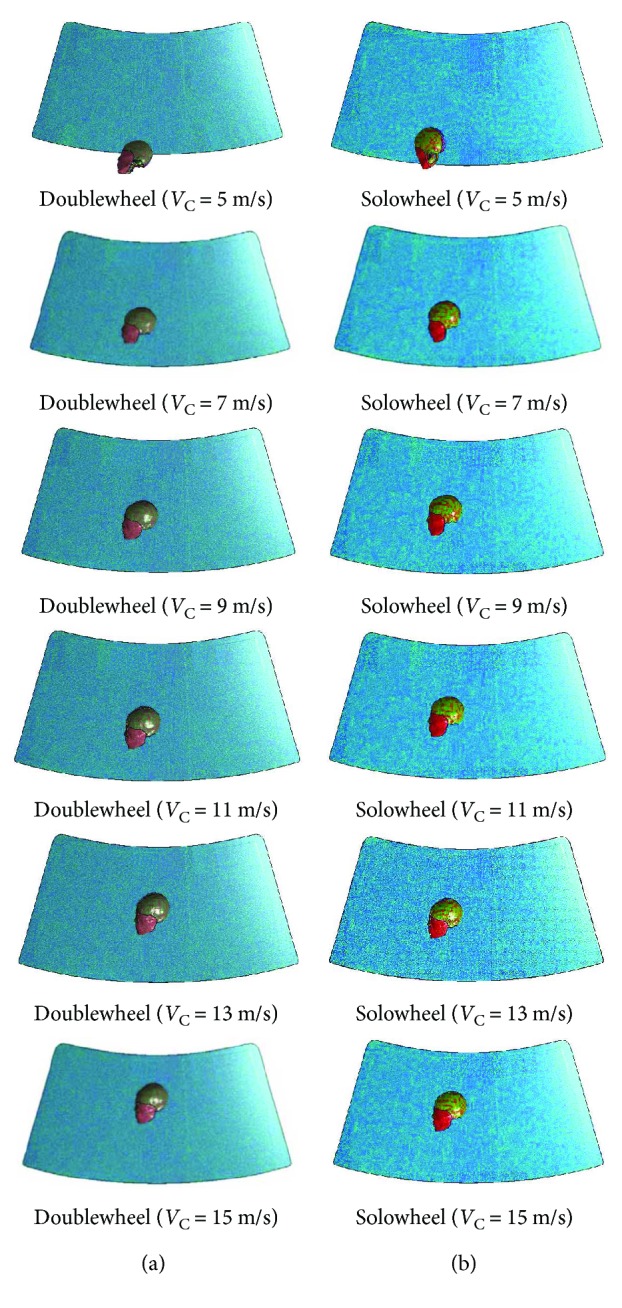
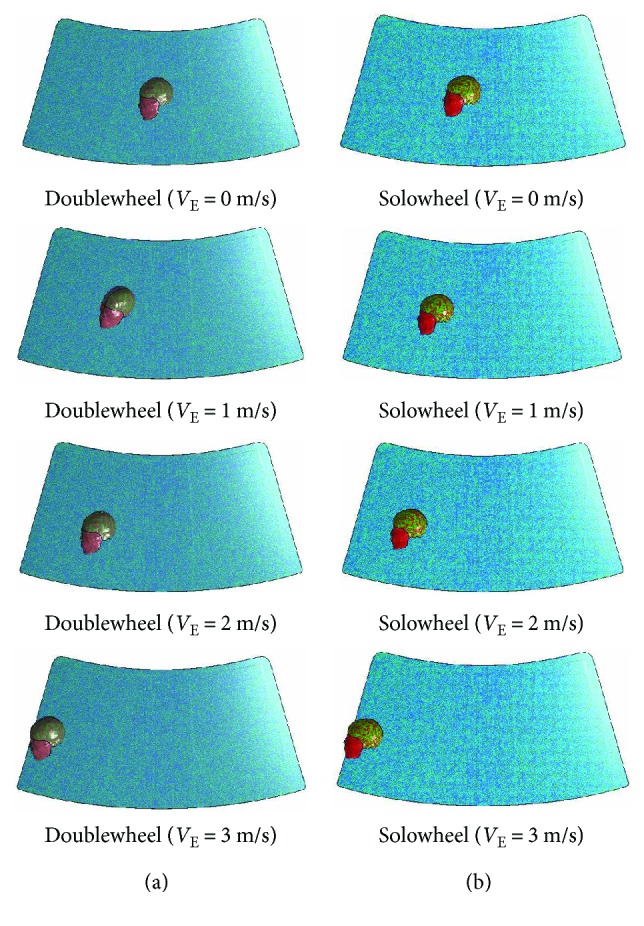
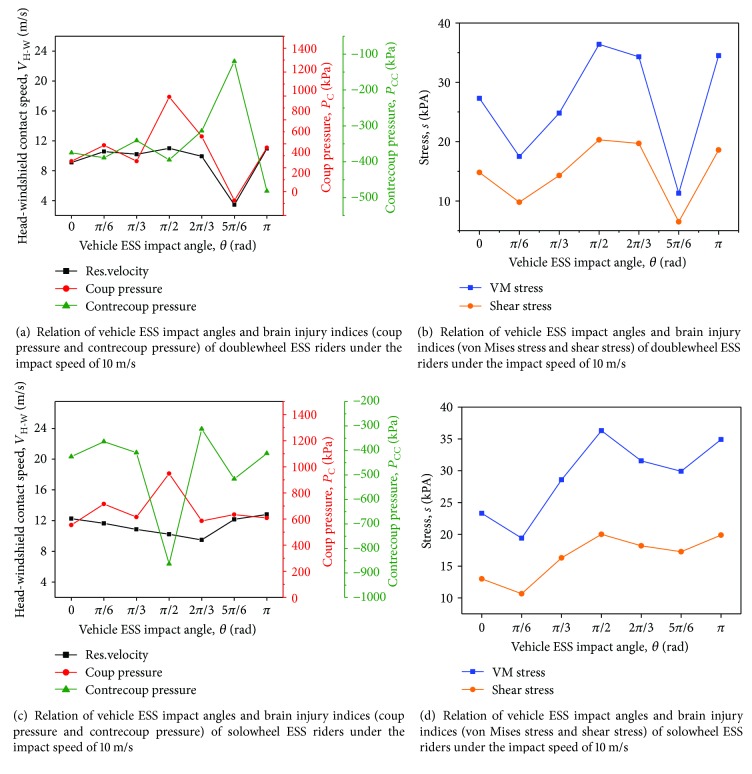
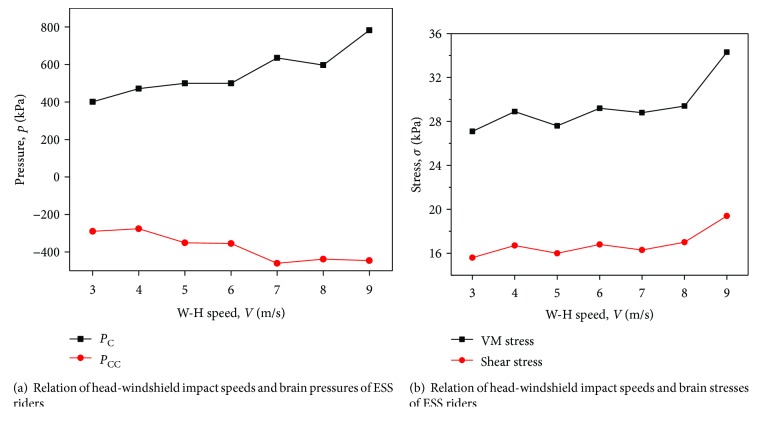
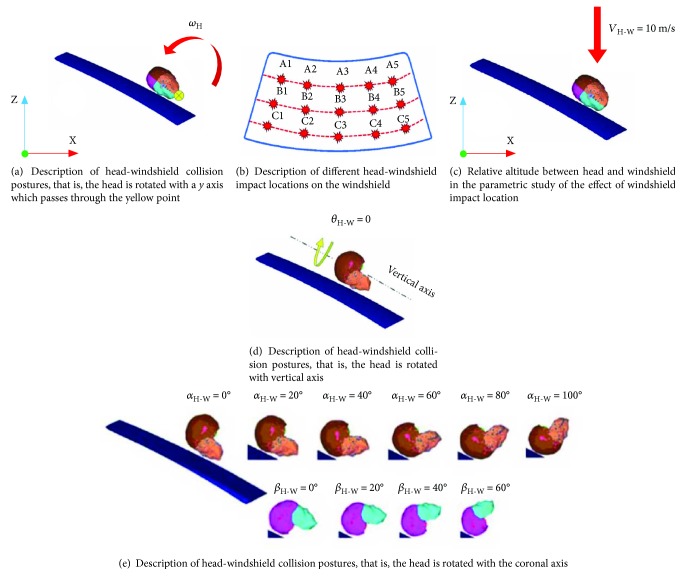
To investigate head-brain injuries caused by windshield impact on riders using electric self-balancing scooters (ESS). Numerical vehicle ESS crash scenarios are constructed by combining the finite element (FE) vehicle model and multibody scooter/rider models. Impact kinematic postures of the head-windshield contact under various impact conditions are captured. Then, the processes during head-windshield contact are reconstructed using validated FE head/laminated windshield models to assess the severity of brain injury caused by the head-windshield contact. Governing factors, such as vehicle speed, ESS speed, and the initial orientation of ESS rider, have nontrivial influences over the severity of a rider's brain injuries. Results also show positive correlations between vehicle speed and head-windshield impact speeds (linear and angular). Meanwhile, the time of head-windshield contact happens earlier when the vehicle speed is faster. According to the intensive study, windshield-head contact speed (linear and angular), impact location on the windshield, and head collision area are found to be direct factors on ESS riders' brain injuries during an impact. The von Mises stress and shear stress rise when relative contact speed of head-windshield increases. Brain injury indices vary widely when the head impacting the windshield from center to the edge or impacting with different areas.
研究电动平衡车(ESS)骑行者因挡风玻璃撞击导致的头部-脑部损伤。通过将有限元(FE)车辆模型与多体平衡车/骑行者模型相结合,构建了数值车辆ESS碰撞场景。捕捉了各种撞击条件下头部与挡风玻璃接触的撞击运动姿态。然后,使用经过验证的有限元头部/夹层挡风玻璃模型重建头部与挡风玻璃接触的过程,以评估头部与挡风玻璃接触导致的脑损伤严重程度。车速、ESS速度和ESS骑行者的初始方向等控制因素对骑行者脑损伤的严重程度有显著影响。结果还表明车速与头部-挡风玻璃撞击速度(线性和角向)之间存在正相关。同时,车速越快,头部与挡风玻璃接触的时间越早。通过深入研究发现,挡风玻璃-头部接触速度(线性和角向)、挡风玻璃上的撞击位置以及头部碰撞区域是撞击过程中ESS骑行者脑损伤的直接因素。当头部与挡风玻璃的相对接触速度增加时,冯·米塞斯应力和剪应力会升高。当头部从中心到边缘撞击挡风玻璃或与不同区域撞击时,脑损伤指标差异很大。