Key Laboratory of the Zoological Systematics and Evolution, Institute of Zoology, the Chinese Academy of Sciences, Beijing, 100101, China.
School of Environmental Science and Engineering, Shaanxi University of Science and Technology, Xi'an, 710021, China.
BMC Genomics. 2018 May 24;19(1):391. doi: 10.1186/s12864-018-4778-7.
Feathers with complex and fine structure are hallmark avian integument appendages, which have contributed significantly to the survival and breeding for birds. Here, we aimed to explore the differentiation, morphogenesis and development of diverse feathers in the domestic duck.
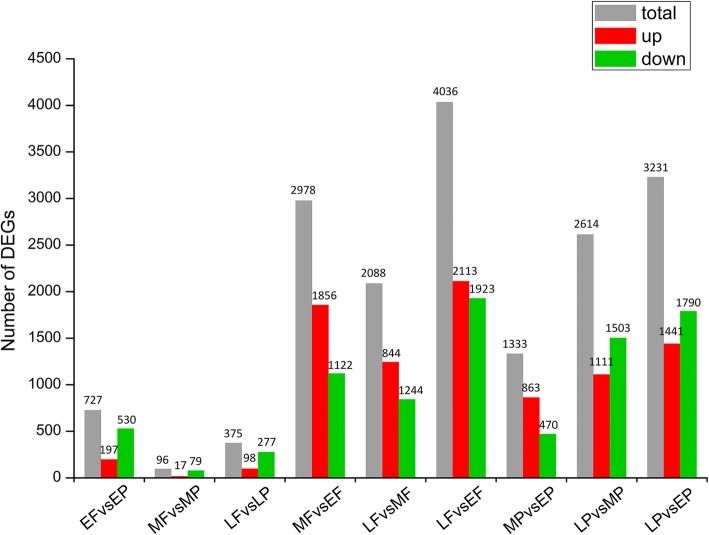
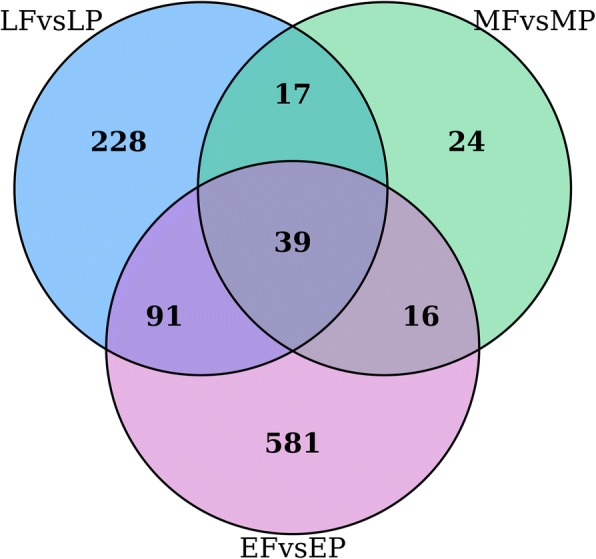
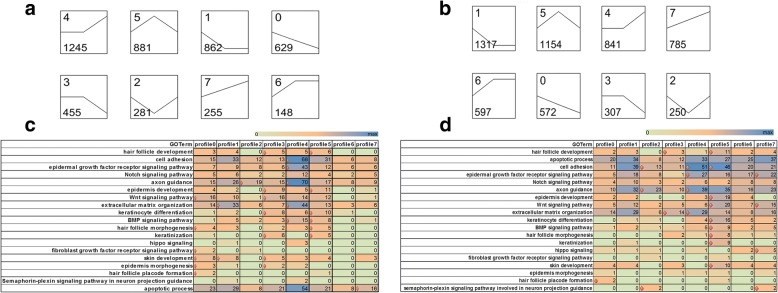
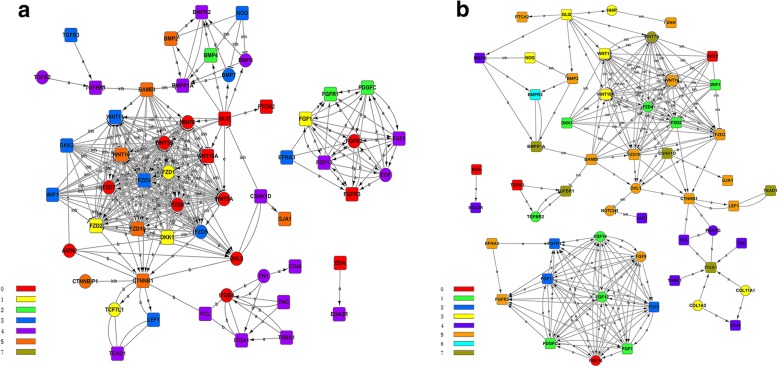
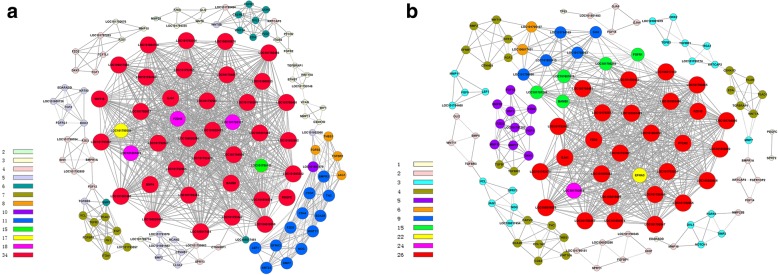
Transcriptome profiles of skin owing feather follicle from two body parts at three physiological stages were constructed to understand the molecular network and excavate the candidate genes associated with the development of plumulaceous and flight feather structures. The venn analysis of differentially expressed genes (DEGs) between abdomen and wing skin tissues at three developmental stages showed that 38 genes owing identical differentially expression pattern. Together, our data suggest that feather morphological and structural diversity can be possibly related to the homeobox proteins. The key series-clusters, many candidate biological processes and genes were identified for the morphogenesis, growth and development of two feather types. Through comparing the results of developmental transcriptomes from plumulaceous and flight feather, we found that DEGs belonging to the family of WNT, FGF and BMP have certain differences; even the consistent DEGs of skin and feather follicle transcriptomes from abdomen and wing have the different expression patterns.
Overall, this study detected many functional genes and showed differences in the molecular mechanisms of diverse feather developments. The findings in WNT, FGF and BMP, which were consistent with biological experiments, showed more possible complex modulations. A correlative role of HOX genes was also suggested but future biological verification experiments are required. This work provided valuable information for subsequent research on the morphogenesis of feathers.
具有复杂精细结构的羽毛是鸟类表皮附属物的标志,这对鸟类的生存和繁殖有重要贡献。在这里,我们旨在探索家鸭不同羽毛的分化、形态发生和发育。
构建了来自两个身体部位三个生理阶段的带有羽毛毛囊的皮肤转录组图谱,以了解与绒羽和飞羽结构发育相关的分子网络和挖掘候选基因。三个发育阶段腹部和翅膀皮肤组织差异表达基因(DEGs)的 Venn 分析显示,有 38 个基因具有相同的差异表达模式。总之,我们的数据表明,羽毛形态和结构的多样性可能与同源盒蛋白有关。鉴定出了关键的系列簇、许多候选生物过程和基因,用于两种羽毛类型的形态发生、生长和发育。通过比较绒羽和飞羽发育转录组的结果,我们发现属于 WNT、FGF 和 BMP 家族的 DEGs 存在一定差异;甚至腹部和翅膀皮肤和羽毛毛囊转录组的一致 DEGs 也具有不同的表达模式。
总的来说,本研究检测到许多功能基因,并显示了不同羽毛发育的分子机制的差异。与生物实验一致的 WNT、FGF 和 BMP 发现显示出更多可能的复杂调节。同源盒基因的相关性也得到了提示,但需要进一步的生物学验证实验。这项工作为后续羽毛形态发生的研究提供了有价值的信息。