Department of Transfusion Medicine, Xijing Hospital, Fourth Military Medical University, Xi'an, Shaanxi 710032, China; Department of Microbiology, School of Basic Medicine, Fourth Military Medical University, Xi'an, Shaanxi 710032, China.
Department of Chemistry, School of Pharmacy, Fourth Military Medical University, Xi'an, Shaanxi 710032, China.
EBioMedicine. 2018 Jun;32:31-42. doi: 10.1016/j.ebiom.2018.05.023. Epub 2018 May 26.
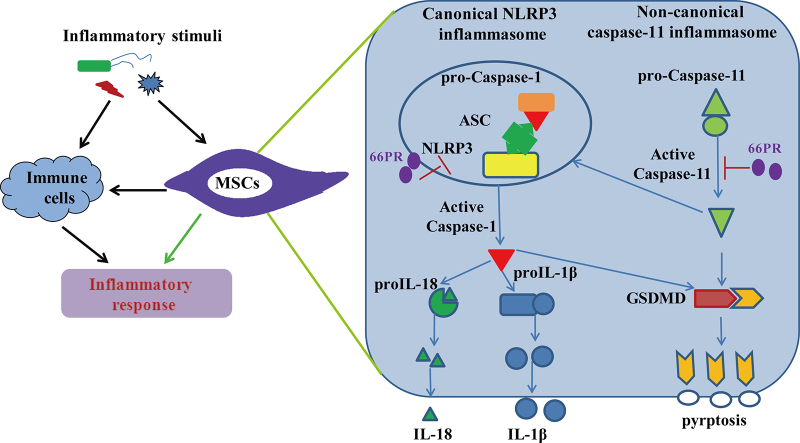
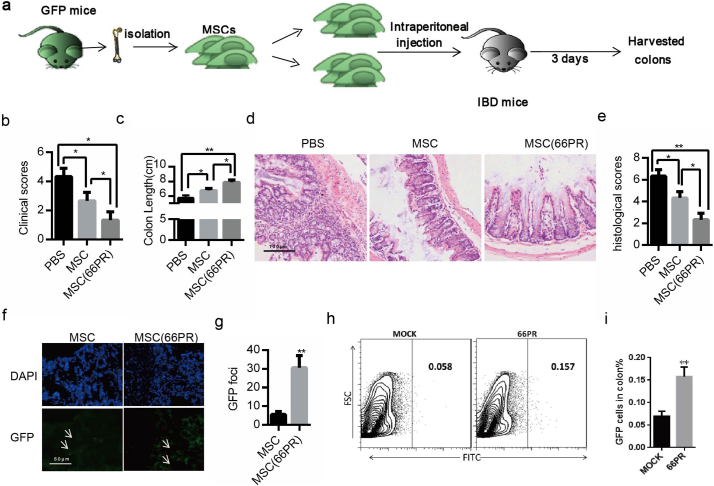
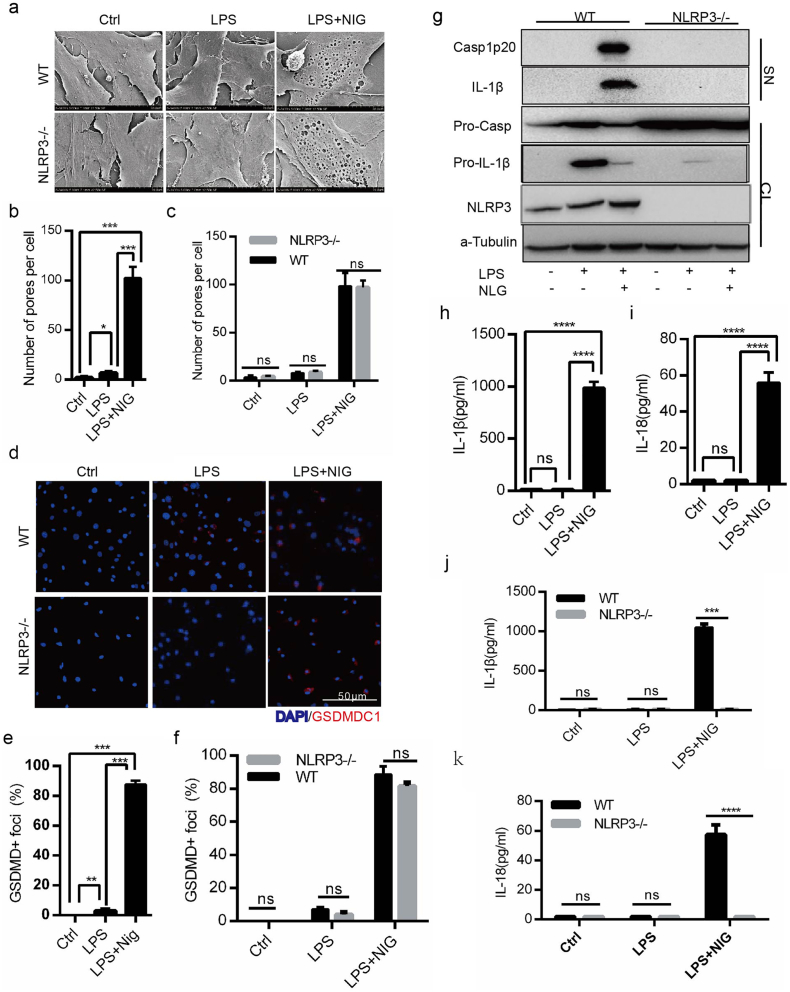
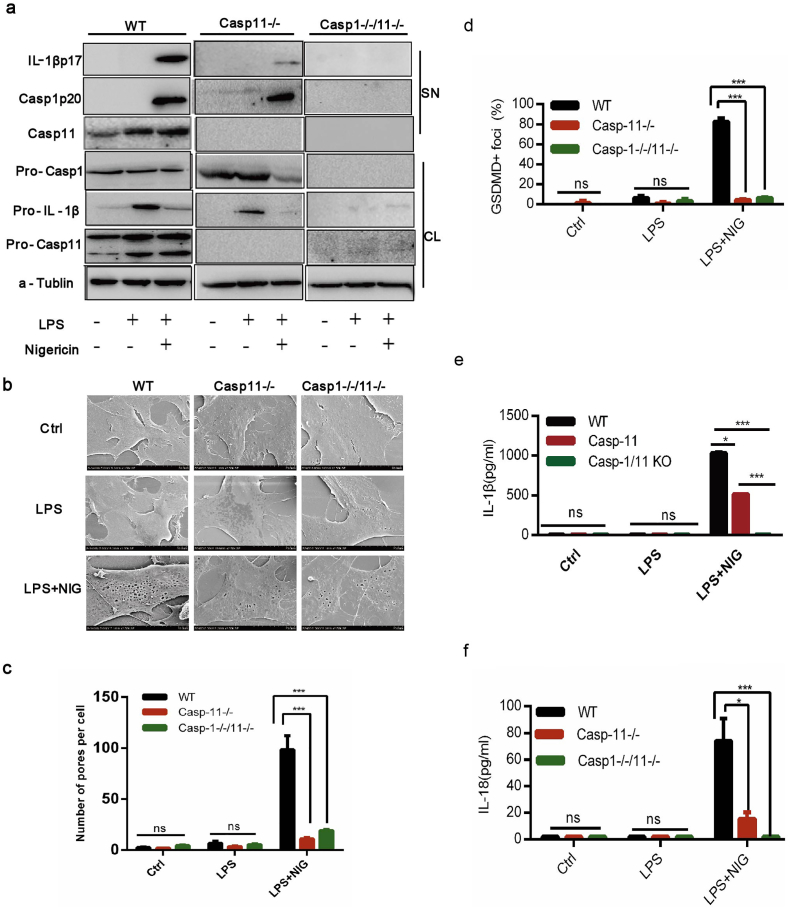
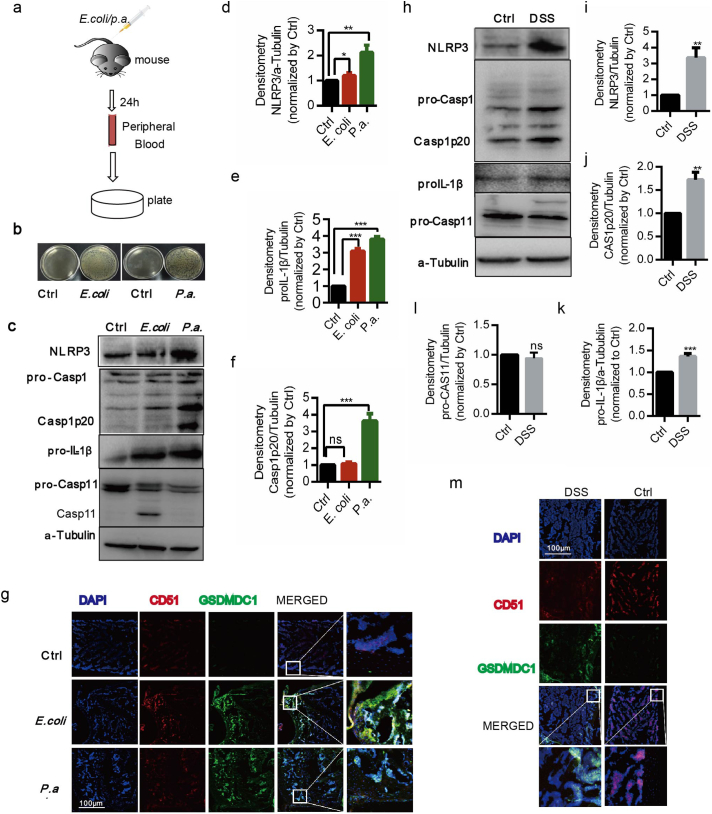
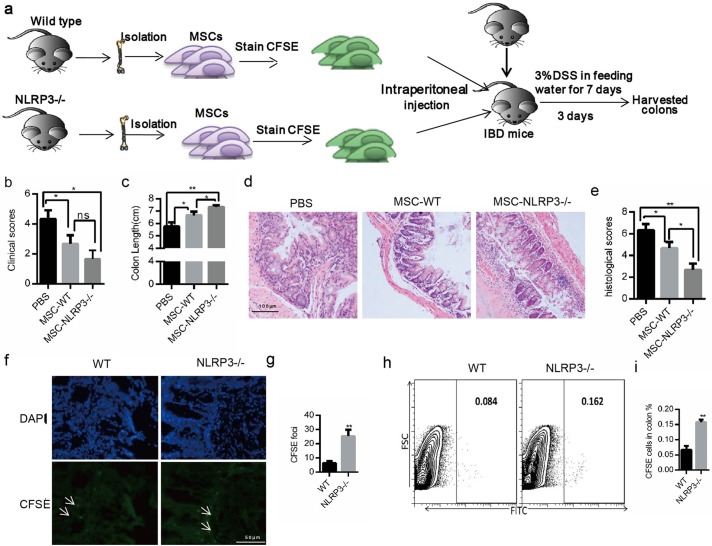
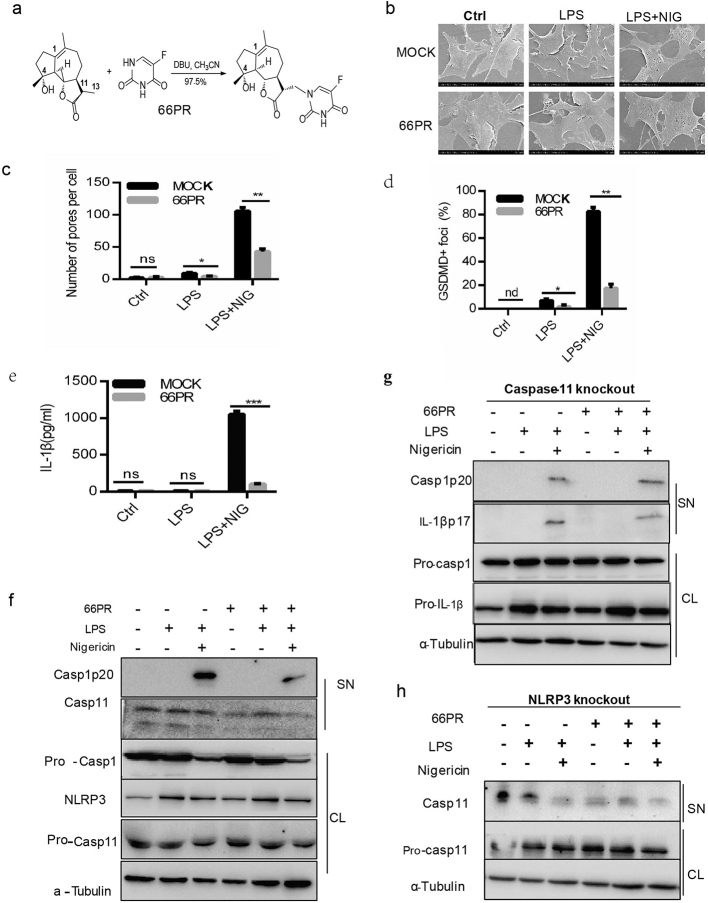
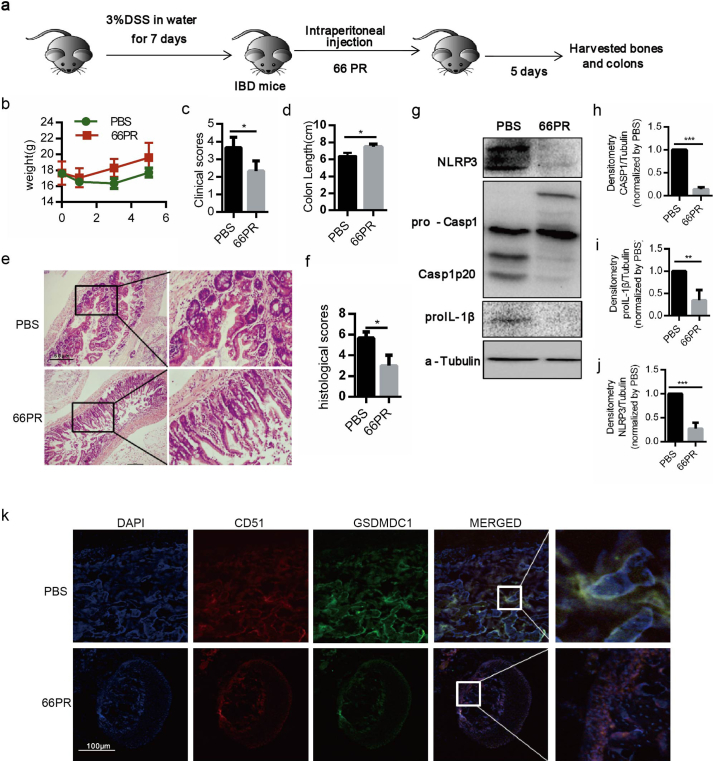
Mesenchymal stromal cells (MSCs) based therapy is a promising approach to treat inflammatory disorders. However, therapeutic effect is not always achieved. Thus the mechanism involved in inflammation requires further elucidation. To explore the mechanisms by which MSCs respond to inflammatory stimuli, we investigated whether MSCs employed inflammasomes to participate in inflammation. Using in vitro and in vivo models, we found that canonical NLRP3 and non-canonical caspase-11 inflammasomes were activated in bone-associated MSCs (BA-MSCs) to promote the inflammatory response. The NLRP3 inflammasome was activated to mainly elicit IL-1β/18 release, whereas the caspase-11 inflammasome managed pyroptosis. Furthermore, we sought a small molecule component (66PR) to inhibit the activation of inflammasomes in BA-MSCs, which consequently improved their survival and therapeutic potential in inflammation bowel diseases. These current findings indicated that MSCs themselves could directly promote the inflammatory response by an inflammasome-dependent pathway. Our observations suggested that inhibition of the proinflammatory property may improve MSCs utilization in inflammatory disorders.
基于间充质基质细胞(MSCs)的治疗是一种很有前途的治疗炎症性疾病的方法。然而,治疗效果并不总是能达到。因此,炎症相关的机制需要进一步阐明。为了探索 MSCs 对炎症刺激的反应机制,我们研究了 MSCs 是否利用炎性小体参与炎症。通过体外和体内模型,我们发现经典的 NLRP3 和非经典的 caspase-11 炎性小体在骨相关间充质基质细胞(BA-MSCs)中被激活,以促进炎症反应。NLRP3 炎性小体主要被激活来引发 IL-1β/18 的释放,而 caspase-11 炎性小体则控制细胞焦亡。此外,我们寻找了一种小分子成分(66PR)来抑制 BA-MSCs 中炎性小体的激活,这反过来提高了它们在炎症性肠病中的生存能力和治疗潜力。这些发现表明,MSCs 本身可以通过炎性小体依赖的途径直接促进炎症反应。我们的观察结果表明,抑制促炎特性可能会改善 MSCs 在炎症性疾病中的应用。