Justine Jean-Lou, Winsor Leigh, Gey Delphine, Gros Pierre, Thévenot Jessica
Institut de Systématique, Évolution, Biodiversité (ISYEB), Muséum National d'Histoire Naturelle, Paris, France.
College of Science and Engineering, James Cook University, Townsville, QLD, Australia.
PeerJ. 2018 May 22;6:e4672. doi: 10.7717/peerj.4672. eCollection 2018.
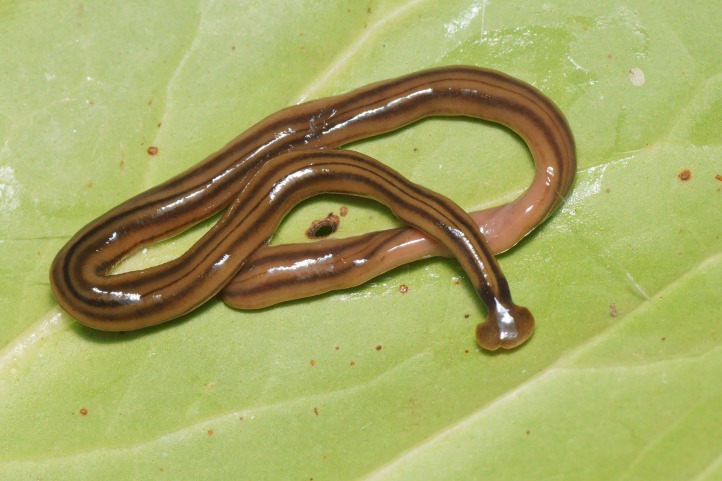
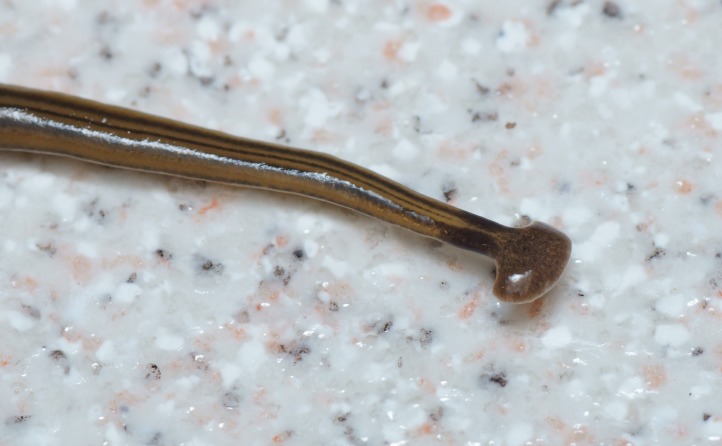
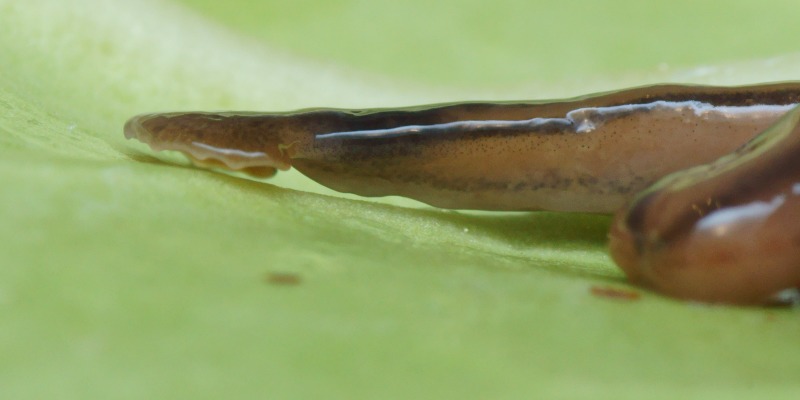
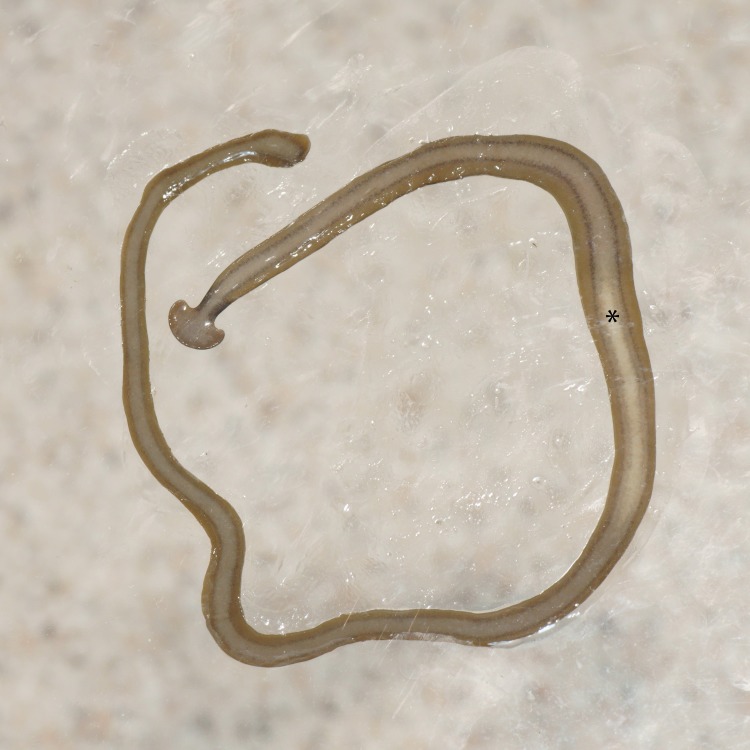
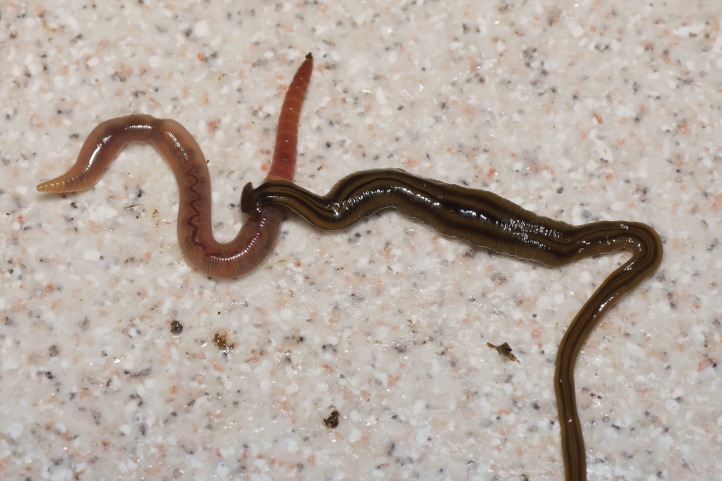
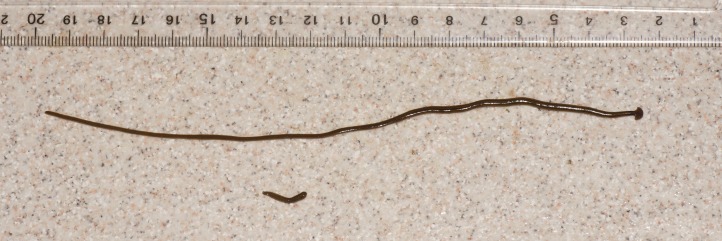
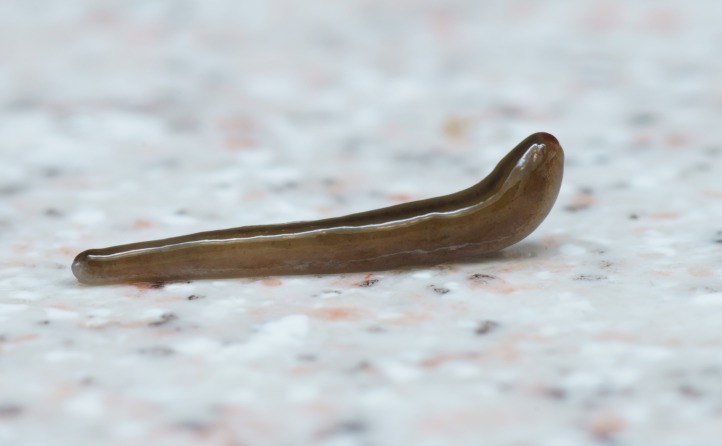
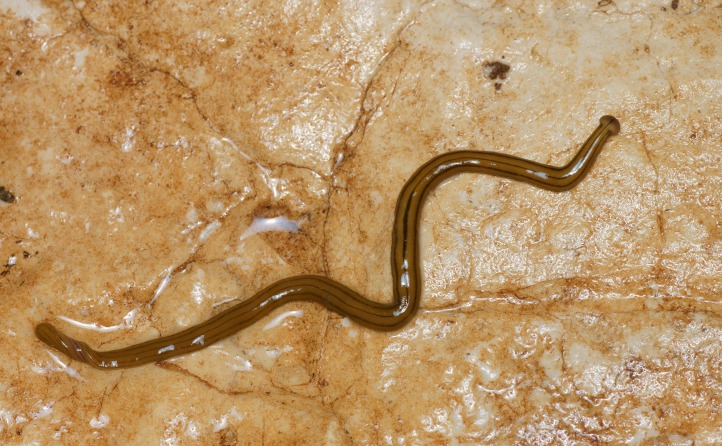
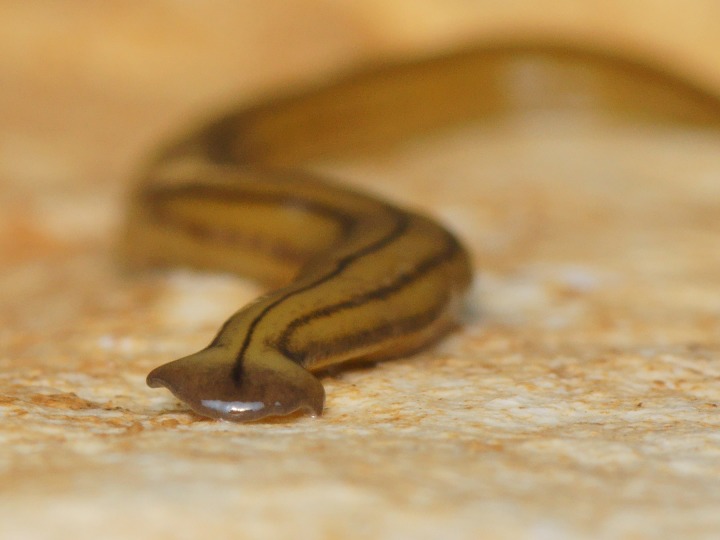
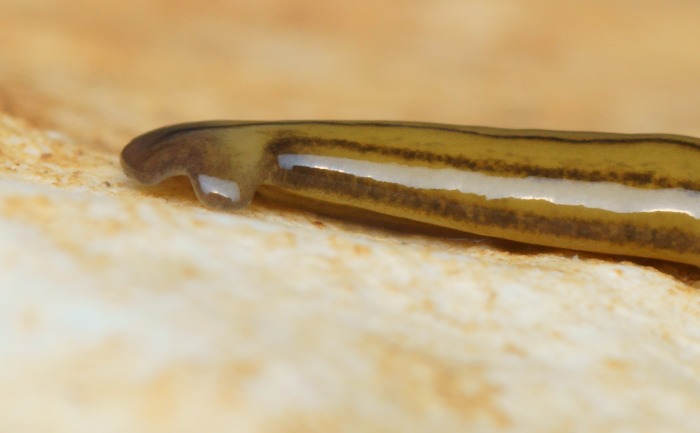
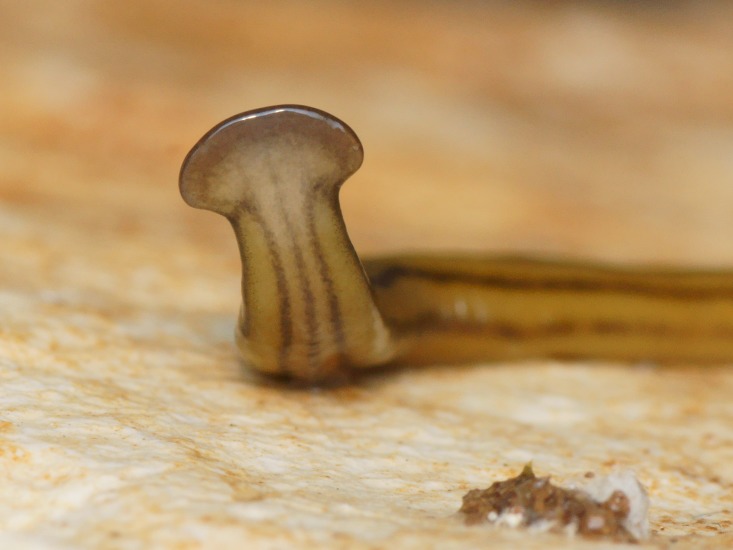
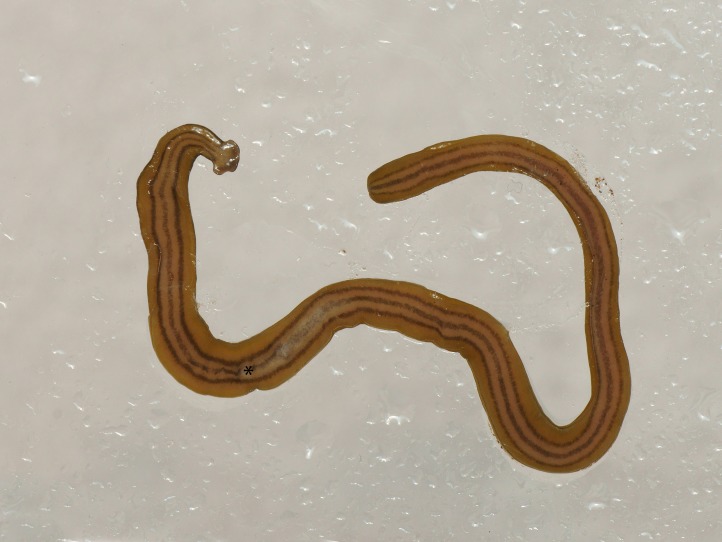
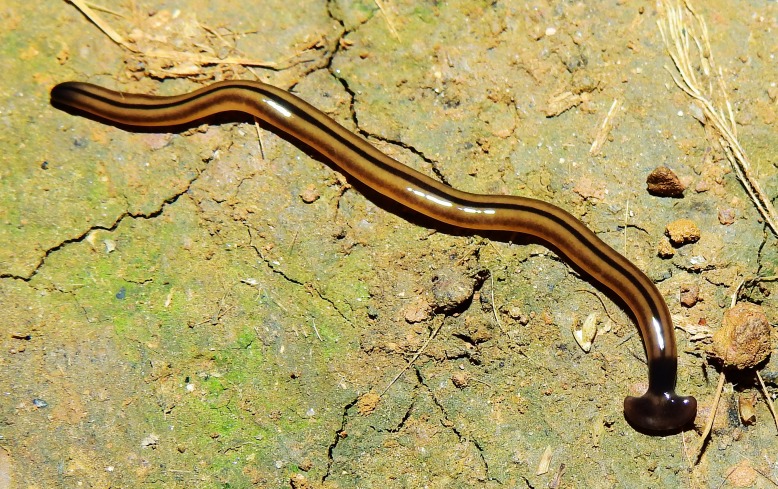
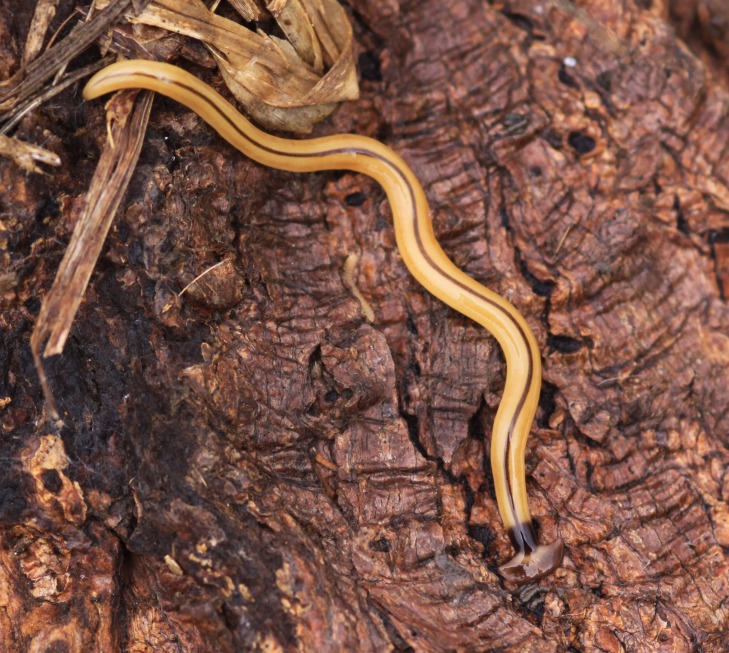
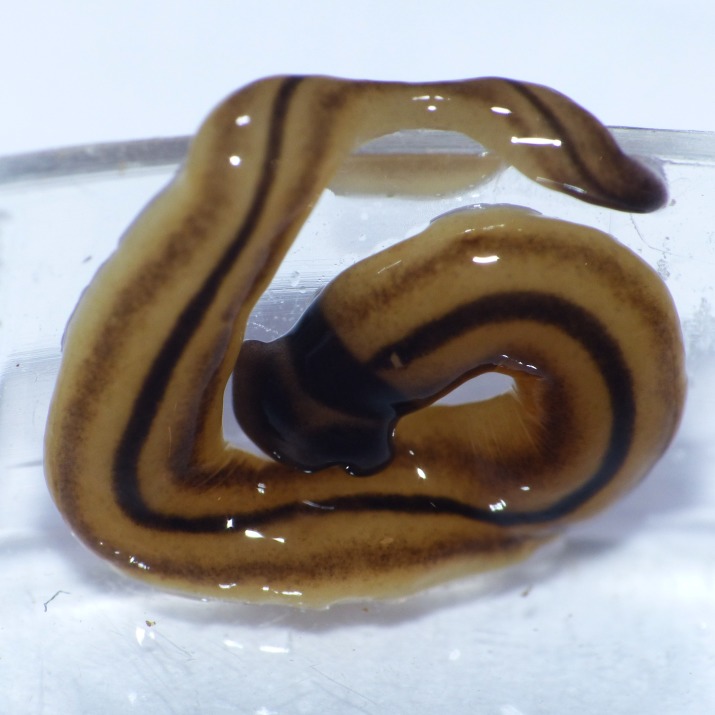
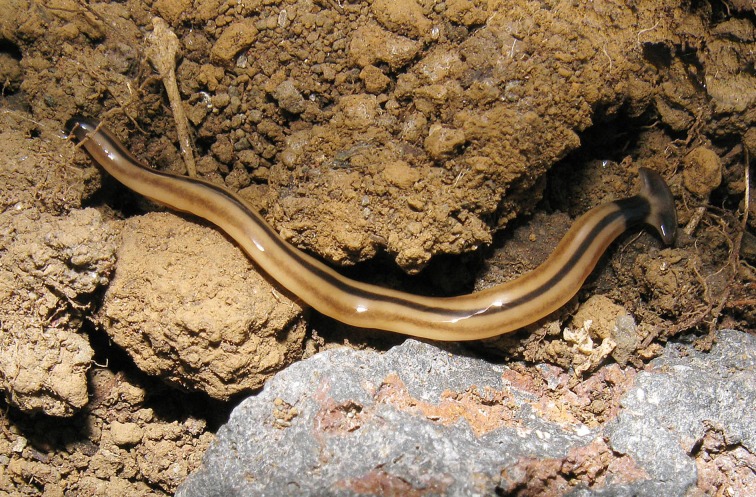
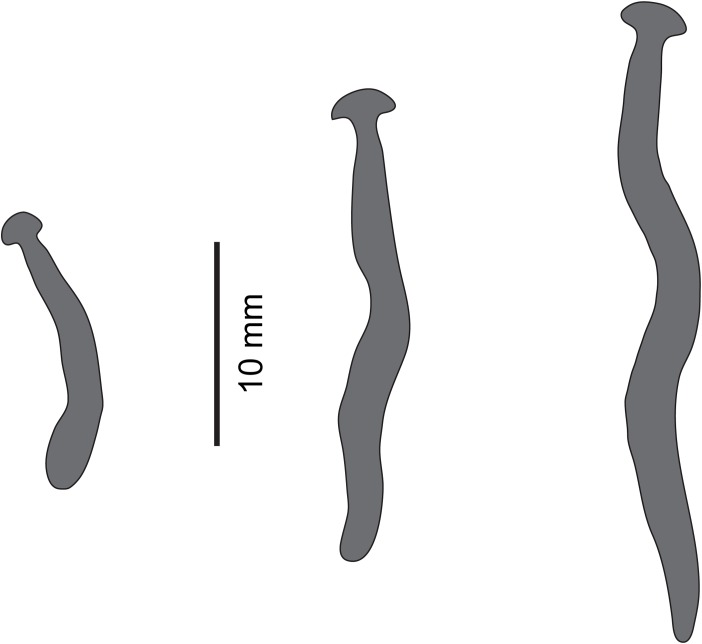
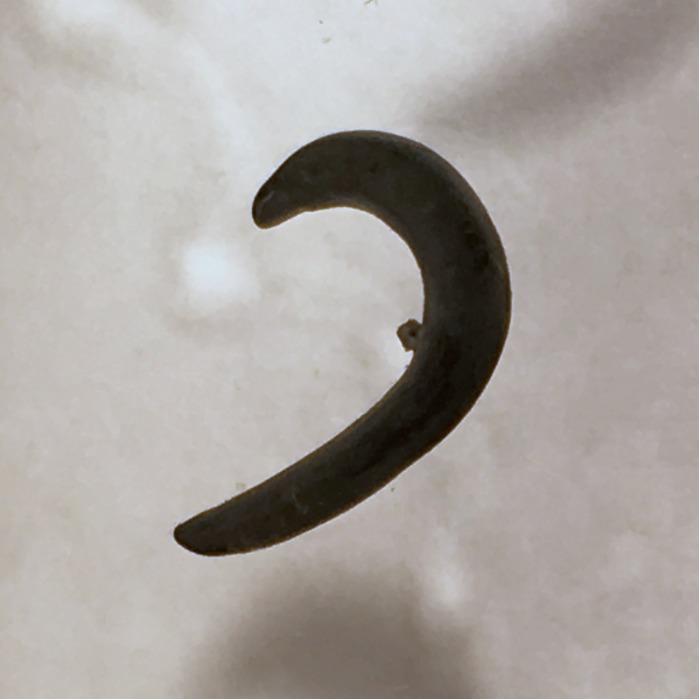
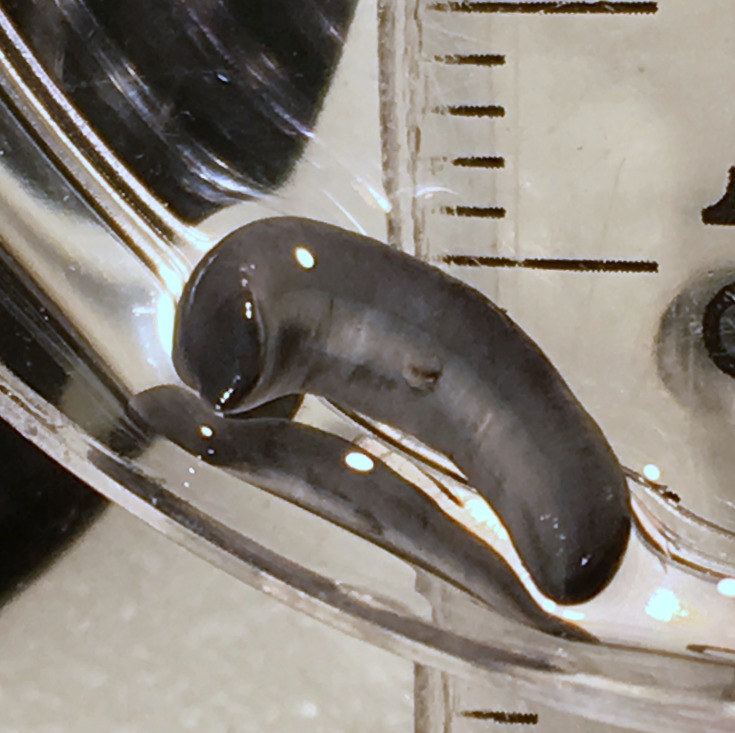
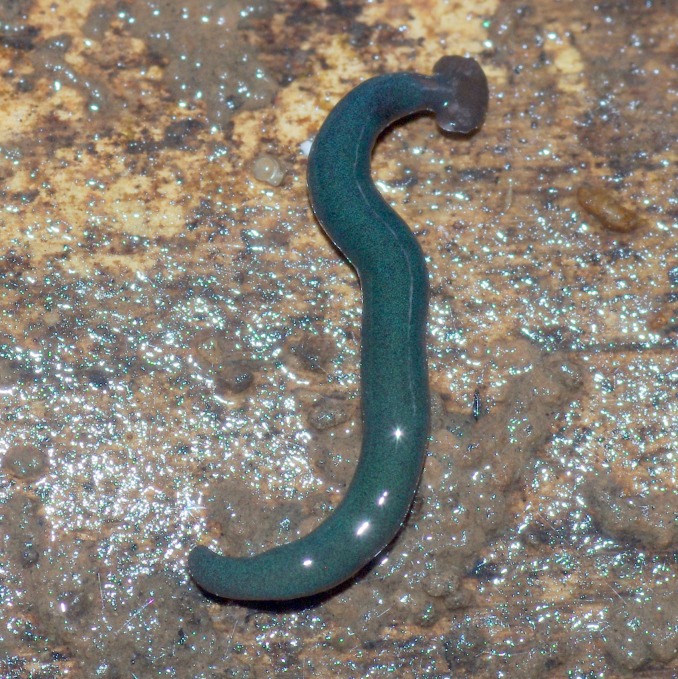
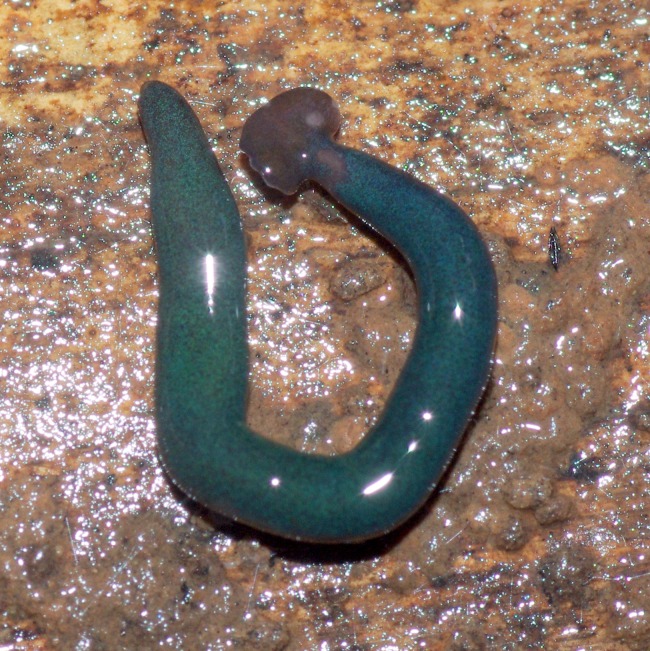
Species of the genera and , or bipaliines, are giants among land planarians (family Geoplanidae), reaching length of 1 m; they are also easily distinguished from other land flatworms by the characteristic hammer shape of their head. Bipaliines, which have their origin in warm parts of Asia, are invasive species, now widespread worldwide. However, the scientific literature is very scarce about the widespread repartition of these species, and their invasion in European countries has not been studied.
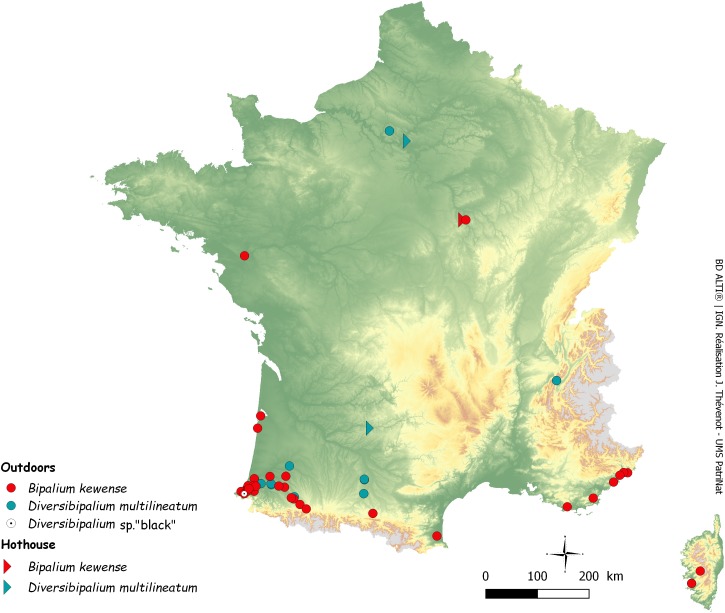
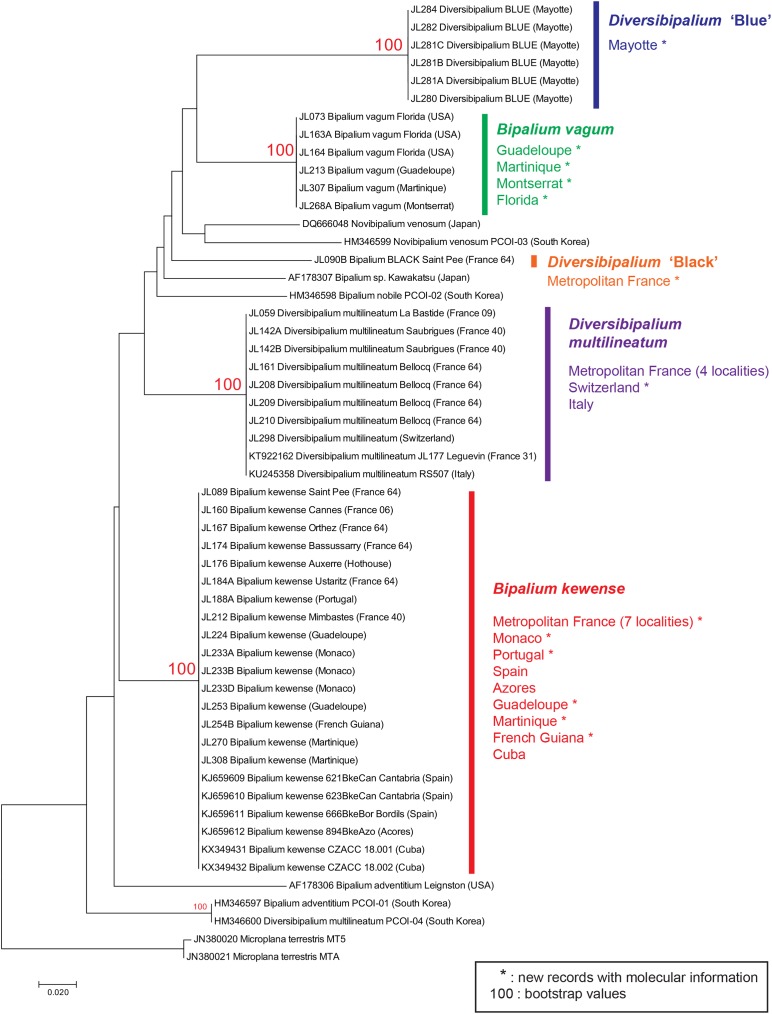
In this paper, on the basis of a four year survey based on citizen science, which yielded observations from 1999 to 2017 and a total of 111 records, we provide information about the five species present in Metropolitan France and French overseas territories. We also investigated the molecular variability of cytochrome-oxidase 1 (COI) sequences of specimens.
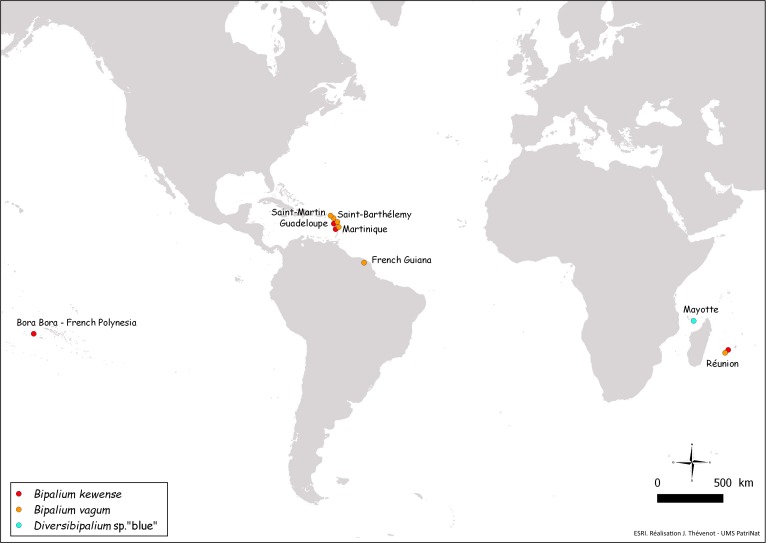
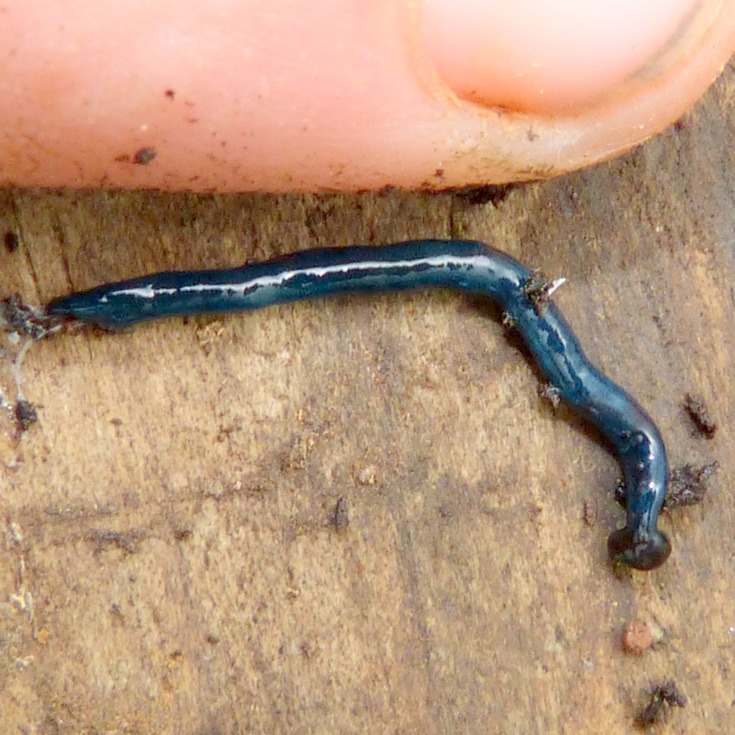
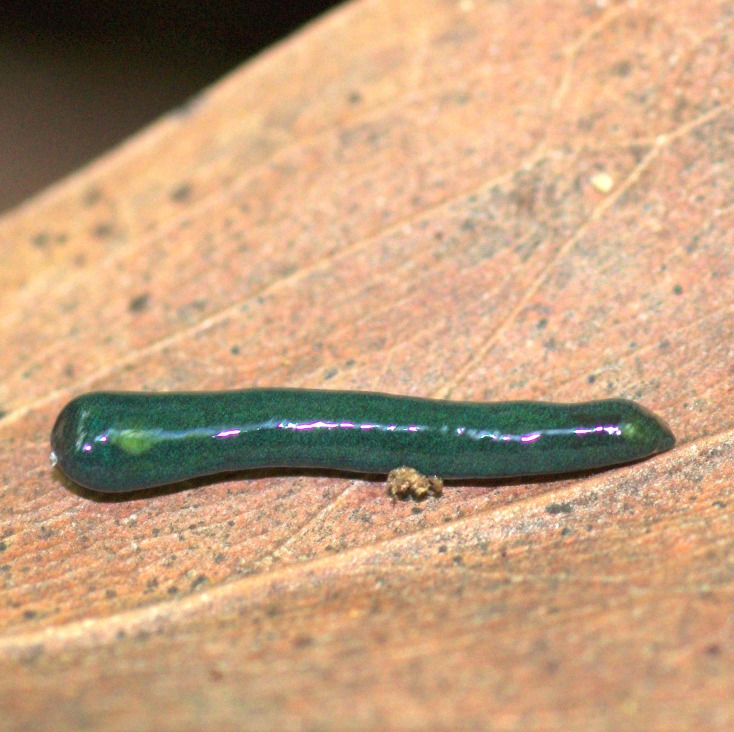
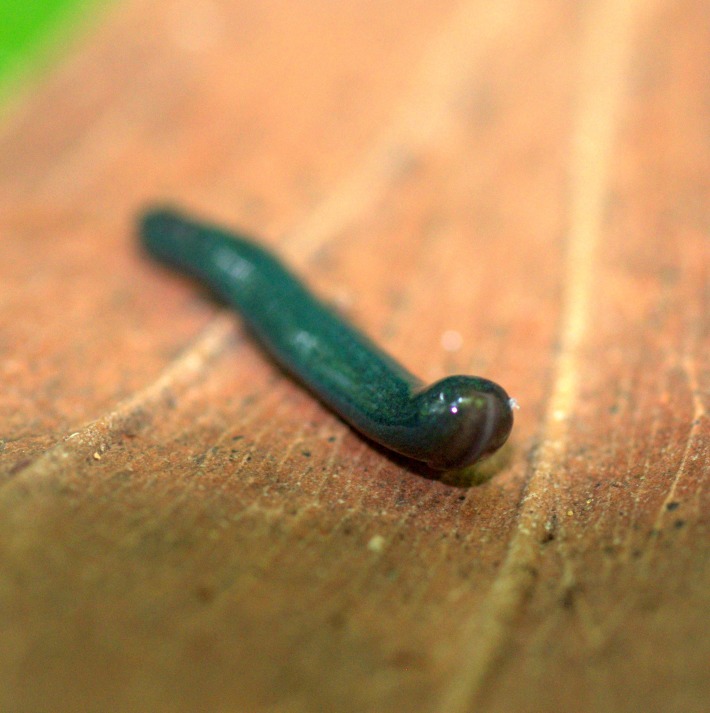
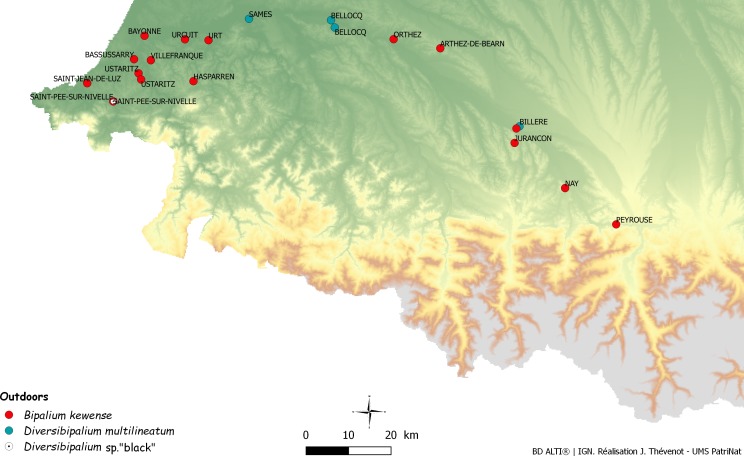
Three species are reported from Metropolitan France: , , and an unnamed 'black' species. We also report the presence of from overseas territories, such as French Polynesia (Oceania), French Guiana (South America), the Caribbean French islands of Martinique, Guadeloupe, Saint Martin and Saint Barthélemy, and Montserrat (Central America), and La Réunion island (off South-East Africa). For , observations include French Guiana, Guadeloupe, Martinique, Saint Barthélemy, Saint Martin, Montserrat, La Réunion, and Florida (USA). A probable new species, sp. 'blue,' is reported from Mayotte Island (off South-East Africa). , and each showed 0% variability in their COI sequences, whatever their origin, suggesting that the specimens are clonal, and that sexual reproduction is probably absent. COI barcoding was efficient in identifying species, with differences over 10% between species; this suggests that barcoding can be used in the future for identifying these invasive species. In Metropolitan south-west France, a small area located in the Department of Pyrénées-Atlantiques was found to be a hot-spot of bipaliine biodiversity and abundance for more than 20 years, probably because of the local mild weather.
The present findings strongly suggest that the species present in Metropolitan France and overseas territories should be considered invasive alien species. Our numerous records in the open in Metropolitan France raise questions: as scientists, we were amazed that these long and brightly coloured worms could escape the attention of scientists and authorities in a European developed country for such a long time; improved awareness about land planarians is certainly necessary.
属和 属的物种,即双盘涡虫,是陆地涡虫(地理扁虫科)中的巨无霸,体长可达1米;它们头部独特的锤状形状也使其很容易与其他陆地扁虫区分开来。双盘涡虫起源于亚洲温暖地区,是入侵物种,现已广泛分布于全球。然而,关于这些物种广泛分布的科学文献非常稀少,且它们在欧洲国家的入侵情况尚未得到研究。
在本文中,基于一项为期四年的公民科学调查(该调查产生了1999年至2017年的观测数据,共111条记录),我们提供了有关法国本土及法国海外领土上存在的五个物种的信息。我们还研究了标本细胞色素氧化酶1(COI)序列的分子变异性。
在法国本土报告了三个物种: 、 和一种未命名的 “黑色” 物种。我们还报告了 在海外领土的存在情况,如法属波利尼西亚(大洋洲)、法属圭亚那(南美洲)、加勒比地区的法属岛屿马提尼克岛、瓜德罗普岛、圣马丁岛和圣巴泰勒米岛,以及蒙特塞拉特岛(中美洲)和留尼汪岛(非洲东南部外海)。对于 ,观测地点包括法属圭亚那、瓜德罗普岛、马提尼克岛、圣巴泰勒米岛、圣马丁岛、蒙特塞拉特岛、留尼汪岛和佛罗里达州(美国)。据报道,在马约特岛(非洲东南部外海)发现了一种可能的新物种, sp. “蓝色”。 、 和 的COI序列无论其来源如何,均显示出0% 的变异性,这表明标本是克隆的,可能不存在有性繁殖。COI条形码在物种识别方面很有效,物种之间的差异超过10%;这表明条形码未来可用于识别这些入侵物种。在法国西南部本土,位于比利牛斯 - 大西洋省的一个小区域在20多年来一直是双盘涡虫生物多样性和数量的热点地区,可能是因为当地气候温和。
目前的研究结果强烈表明,法国本土及海外领土上存在的这些物种应被视为外来入侵物种。我们在法国本土野外的大量记录引发了一些问题:作为科学家,我们感到惊讶的是,这些又长且颜色鲜艳的蠕虫在一个欧洲发达国家能如此长时间地逃过科学家和当局的注意;提高对陆地涡虫的认识肯定是必要的。