Department of Methods and Experimental Psychology, Faculty of Psychology and Education, University of Deusto, Bilbao, Spain.
Neural Plast. 2018 May 6;2018:2651918. doi: 10.1155/2018/2651918. eCollection 2018.
Parkinson's disease (PD) patients experience cognitive impairment which has been related to reduced quality of life and functional disability. These symptoms usually progress until dementia occurs. Some studies have been published assessing the efficacy of cognitive treatments on improving cognition, functional outcome, and producing changes in brain activity.
A critical review was performed to present up-to-date neurorehabilitation effects of cognitive rehabilitation in PD, with special emphasis on the efficacy on cognition, quality of life aspects, brain changes, and the longitudinal maintenance of these changes.
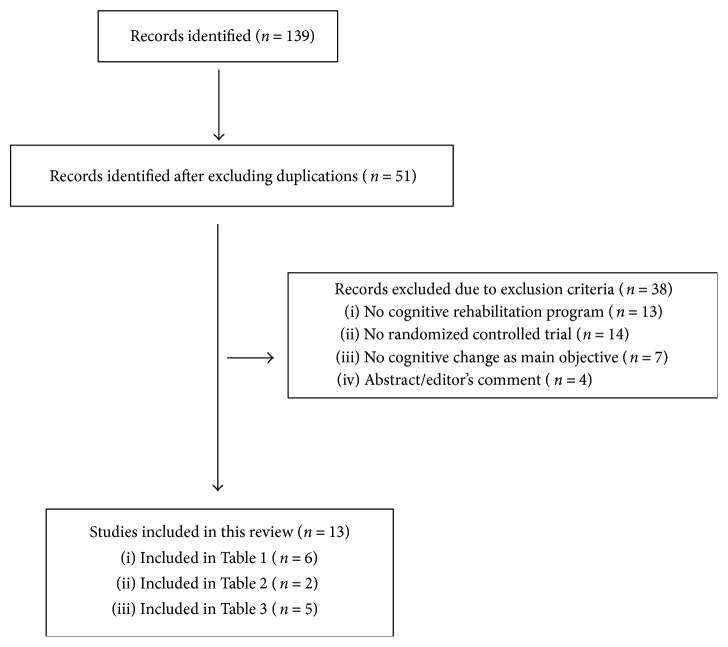
After exclusions, 13 studies were reviewed, including 6 randomized controlled trials for the efficacy on cognition, 2 randomized controlled trials regarding the brain changes after cognitive training, and 5 studies which evaluated the long-term effects of cognitive treatments.
Cognitive rehabilitation programs have demonstrated to be effective on improving cognitive functions, but more research is needed focusing on the efficacy on improving behavioral aspects and producing brain changes in patients with PD. Moreover, there is a need of randomized controlled trials with long-term follow-up periods.
帕金森病(PD)患者会出现认知障碍,这与生活质量下降和功能障碍有关。这些症状通常会进展,直到出现痴呆症。已经有一些研究评估了认知治疗对改善认知、功能结果以及改变大脑活动的疗效。
对认知康复在 PD 中的神经康复效果进行了批判性回顾,特别强调认知、生活质量方面、大脑变化的疗效以及这些变化的长期维持。
排除后,共审查了 13 项研究,其中 6 项是关于认知疗效的随机对照试验,2 项是关于认知训练后大脑变化的随机对照试验,5 项是评估认知治疗长期效果的研究。
认知康复方案已被证明可有效改善认知功能,但仍需要更多研究关注改善 PD 患者行为方面和产生大脑变化的疗效。此外,还需要进行具有长期随访期的随机对照试验。