National Addiction Management Service, Institute of Mental Health, Singapore 539747, Singapore. melvynzhangweibin@gmail.
Family Medicine & Primary Care, Lee Kong Chian School of Medicine, Nanyang Technological University Singapore, Singapore 308232, Singapore. melvynzhangweibin@gmail.
Int J Environ Res Public Health. 2018 Jun 1;15(6):1138. doi: 10.3390/ijerph15061138.
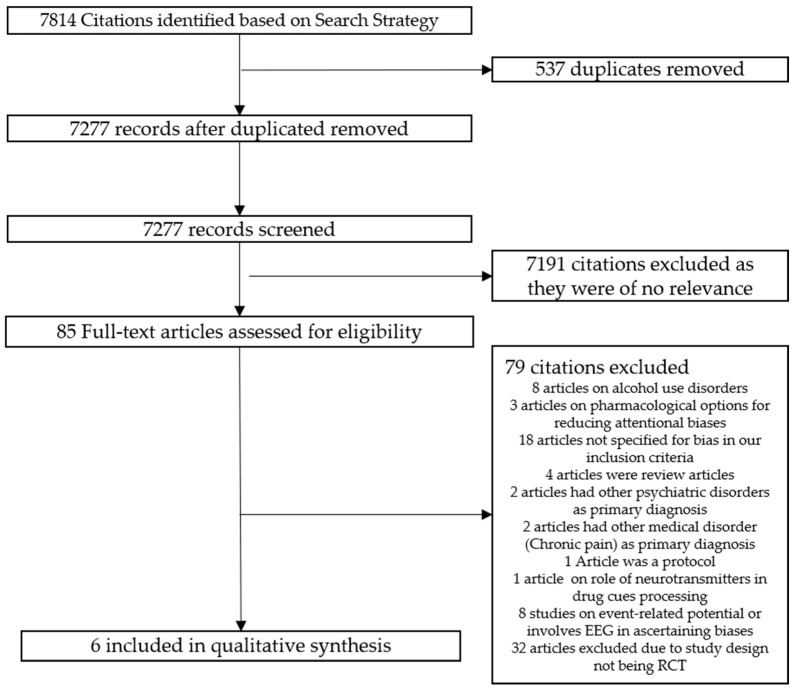
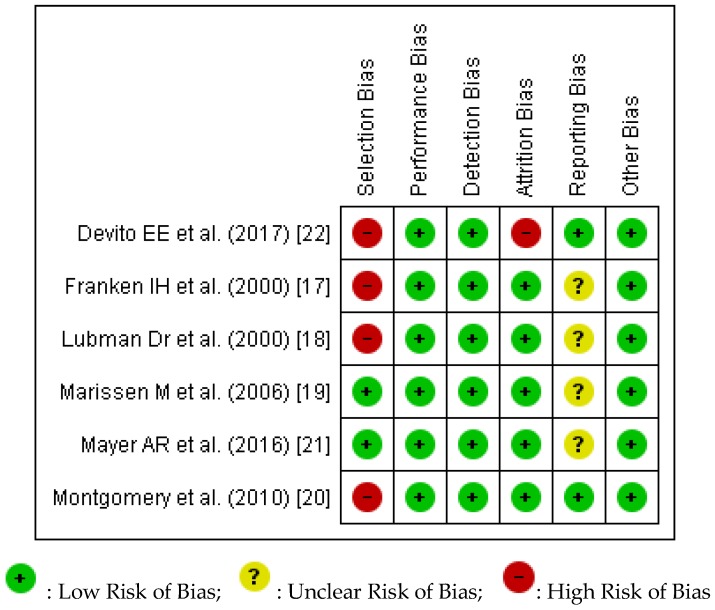
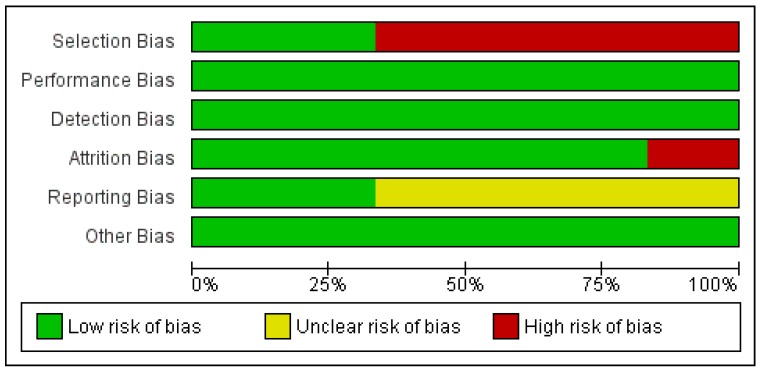
: Opiates, cannabis, and amphetamines are highly abused, and use of these substances are prevalent disorders. Psychological interventions are crucial given that they help individuals maintain abstinence following a lapse or relapse into substance use. Advances in experimental psychology have suggested that automatic attention biases might be responsible for relapse. Prior reviews have provided evidence for the presence of these biases in addictive disorders and the effectiveness of bias modification. However, the prior studies are limited, as they failed to include trials involving participants with these prevalent addictive disorders or have failed to adopt a systematic approach in evidence synthesis. : The primary aim of this current systematic review is to synthesise the current evidence for attention biases amongst opioid use, cannabis use, and stimulant use disorders. The secondary aim is to determine the efficacy of attention bias modification interventions and other addictions related outcomes. : A search was conducted from November 2017 to January 2018 on PubMed, MEDLINE, Embase, PsycINFO, Science Direct, Cochrane Central, and Scopus. The selection process of the articles was in accordance with the Preferred Reporting Items for Systematic Reviews and Meta-Analysis guidelines. A qualitative synthesis was undertaken. Risk of bias was assessed using the Cochrane Risk of Bias tool. : Six randomised trials were identified. The evidence synthesized from these trials have provided strong evidence that attentional biases are present in opioid and stimulant use disorders. Evidence synthesis for other secondary outcome measures could not be performed given the heterogeneity in the measures reported and the limited number of trials. The risk of bias assessment for the included trials revealed a high risk of selection and attrition bias. : This review demonstrates the potential need for interventions targeting attention biases in opiate and cocaine use disorders.
阿片类药物、大麻和苯丙胺类药物被高度滥用,这些物质的使用是普遍存在的障碍。鉴于心理干预有助于个人在药物使用的失误或复发后保持戒除状态,因此这种干预是至关重要的。实验心理学的进展表明,自动注意偏见可能是导致复发的原因。先前的综述提供了这些偏见在成瘾障碍中的存在以及偏见修正的有效性的证据。然而,先前的研究存在局限性,因为它们没有包括涉及这些常见成瘾障碍的参与者的试验,或者在证据综合方面没有采用系统的方法。
本系统综述的主要目的是综合目前关于阿片类药物使用、大麻使用和兴奋剂使用障碍的注意偏见的证据。次要目的是确定注意偏见修正干预措施和其他与成瘾相关的结果的疗效。
从 2017 年 11 月到 2018 年 1 月,在 PubMed、MEDLINE、Embase、PsycINFO、Science Direct、Cochrane Central 和 Scopus 上进行了搜索。文章的选择过程符合系统评价和荟萃分析的首选报告项目的规定。进行了定性综合。使用 Cochrane 风险偏倚工具评估风险偏倚。
确定了六项随机试验。从这些试验中综合的证据提供了强有力的证据,表明在阿片类药物和兴奋剂使用障碍中存在注意力偏见。由于报告的测量指标存在异质性以及试验数量有限,无法对其他次要结果测量指标进行综合分析。纳入试验的风险偏倚评估显示出选择和失访偏倚的高风险。
本综述表明,在阿片类药物和可卡因使用障碍中靶向注意力偏见的干预措施可能是必要的。