McDermott Sarah C, Rodriguez-Ramirez Christie, McDermott Sean P, Wicha Max S, Nör Jacques E
Department of Orthodontics and Pediatric Dentistry, University of Michigan School of Dentistry, Ann Arbor, MI, USA.
Department of Cariology, Restorative Science & Endodontics, University of Michigan School of Dentistry, Ann Arbor, MI, USA.
Oncotarget. 2018 May 18;9(38):25148-25165. doi: 10.18632/oncotarget.25358.
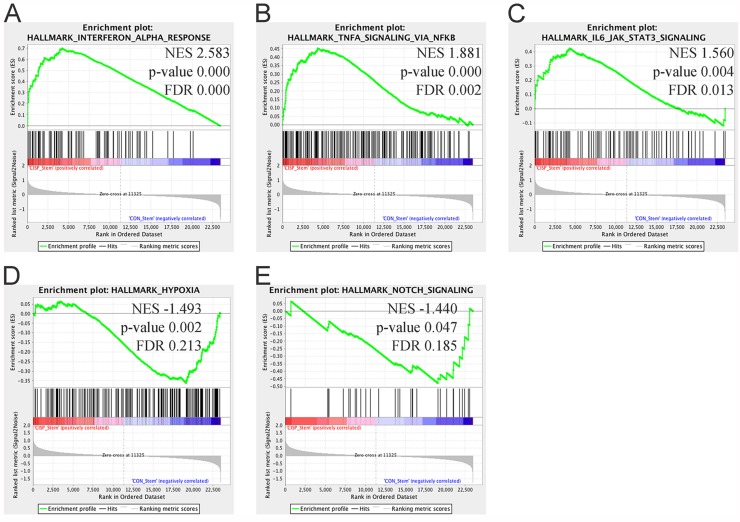
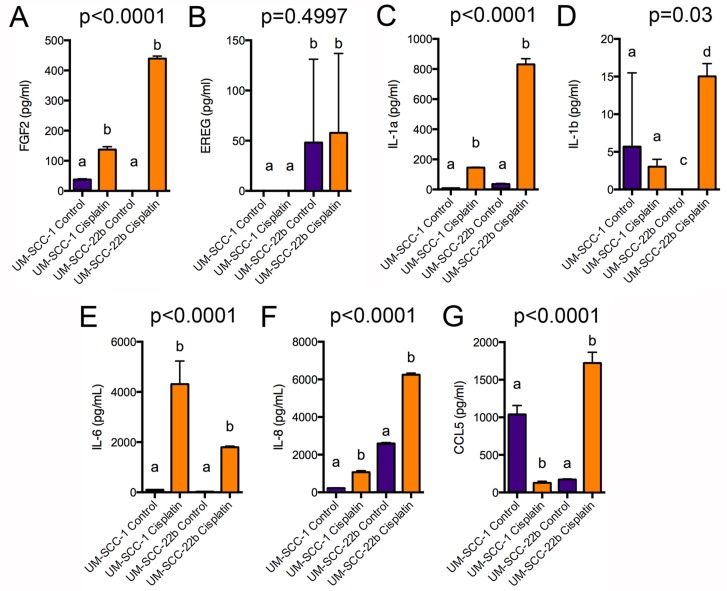
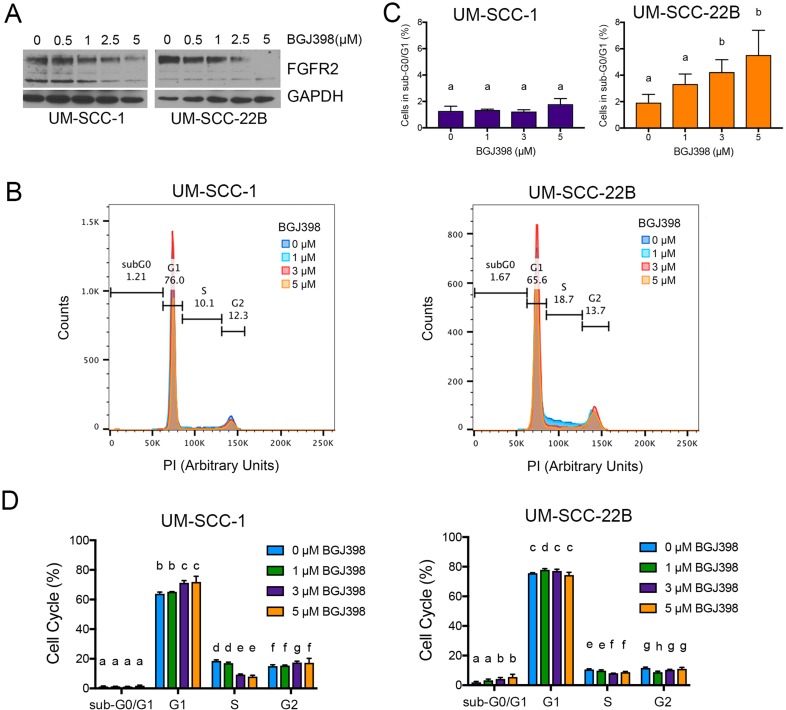
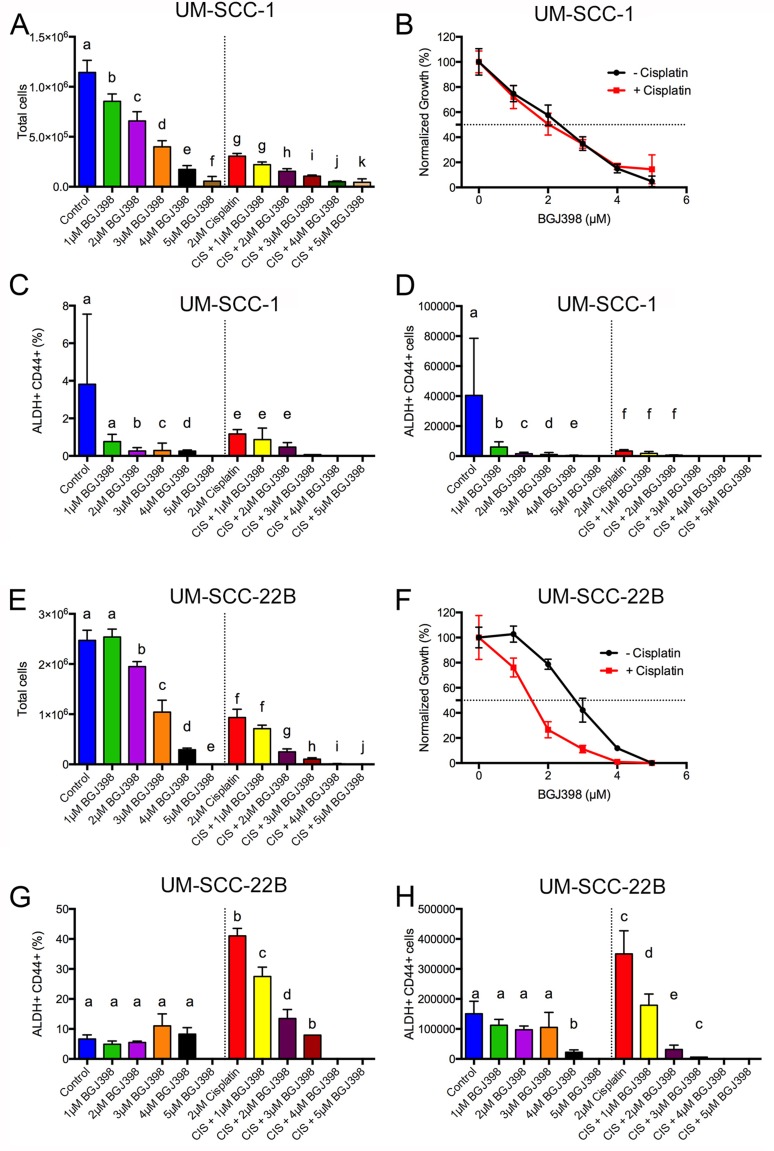
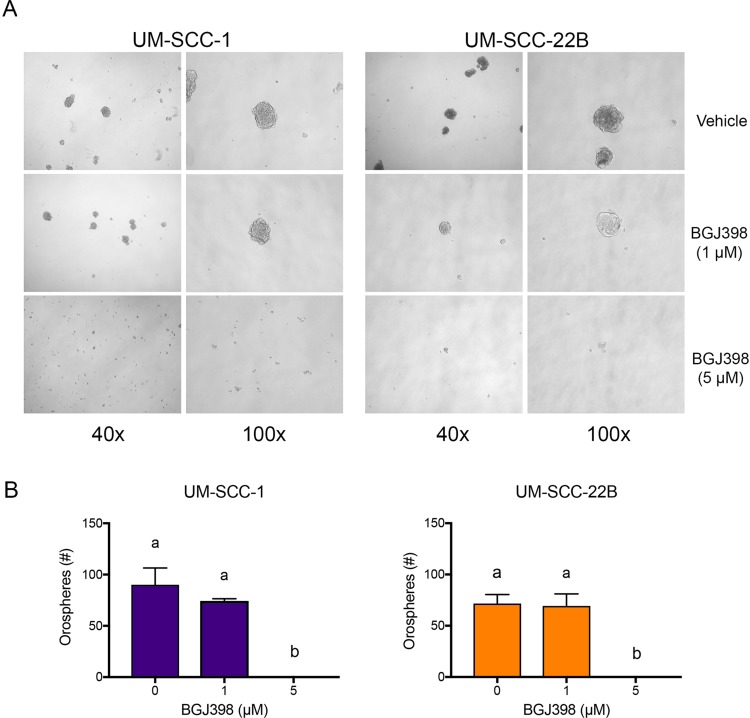
Patients with recurrent or metastatic head and neck squamous cell carcinoma (HNSCC) have poor prognosis with less than 1-year median survival. Platinum-based chemotherapy remains the first-line treatment for HNSCC. The cancer stem cell (CSC) hypothesis postulates that tumors are maintained by a self-renewing CSC population that is also capable of differentiating into non-self renewing cell populations that constitute the bulk of the tumor. A small population of CSC exists within HNSCC that are relatively resistant to chemotherapy and clinically predicted to contribute to tumor recurrence. These head and neck CSCs (HNCSC) are identified by high cell-surface expression of CD44 and high intracellular activity of aldehyde dehydrogenase (ALDH) and termed ALDHCD44. Here, we performed microarray analysis in two HNSCC cell lines (UM-SCC-1, UM-SCC-22B) to investigate molecular pathways active in untreated and cisplatin-resistant ALDHCD44 cells. Gene set enrichment analysis and iPathway analysis identified signaling pathways with major implications to the pathobiology of cancer (e.g. TNFα, IFN, IL6/STAT, NF-κB) that are enriched in cisplatin-resistant ALDHCD44 cells, when compared to control cells. FGF2 was also enriched in cisplatin-resistant ALDHCD44, which was confirmed by ELISA analysis. Inhibition of FGF signaling using BGJ398, a pan-FGF receptor (FGFR) small-molecule inhibitor, decreased ALDHCD44 alone in UM-SCC-1 and preferentially targeted cisplatin-resistant ALDHCD44 cells in UM-SCC-22B. These findings suggest that FGFR signaling might play an important role in the resistance of head and neck CSC to cisplatin. Collectively, this work suggests that some head and neck cancer patients might benefit from the combination of cisplatin and a FGFR inhibitor.
复发性或转移性头颈部鳞状细胞癌(HNSCC)患者预后较差,中位生存期不足1年。铂类化疗仍是HNSCC的一线治疗方法。癌症干细胞(CSC)假说认为,肿瘤由自我更新的CSC群体维持,该群体也能够分化为构成肿瘤主体的非自我更新细胞群体。HNSCC中存在一小部分CSC,它们对化疗相对耐药,临床上预计会导致肿瘤复发。这些头颈部CSC(HNCSC)通过CD44的高细胞表面表达和醛脱氢酶(ALDH)的高细胞内活性来识别,并被称为ALDHCD44。在此,我们对两种HNSCC细胞系(UM-SCC-1、UM-SCC-22B)进行了微阵列分析,以研究在未处理的和顺铂耐药的ALDHCD44细胞中活跃的分子途径。基因集富集分析和iPathway分析确定了与癌症病理生物学有重要关联的信号通路(如TNFα、IFN、IL6/STAT、NF-κB),与对照细胞相比,这些通路在顺铂耐药的ALDHCD44细胞中富集。FGF2在顺铂耐药的ALDHCD44中也有富集,这通过ELISA分析得到证实。使用泛FGF受体(FGFR)小分子抑制剂BGJ398抑制FGF信号,单独降低了UM-SCC-1中的ALDHCD44,并优先靶向UM-SCC-22B中的顺铂耐药ALDHCD。这些发现表明,FGFR信号可能在头颈部CSC对顺铂的耐药中起重要作用。总体而言,这项研究表明,一些头颈部癌症患者可能从顺铂和FGFR抑制剂的联合使用中获益。