Shupp Alison B, Kolb Alexus D, Mukhopadhyay Dimpi, Bussard Karen M
Department of Cancer Biology, Thomas Jefferson University, Philadelphia, PA 19107, USA.
Cancers (Basel). 2018 Jun 4;10(6):182. doi: 10.3390/cancers10060182.
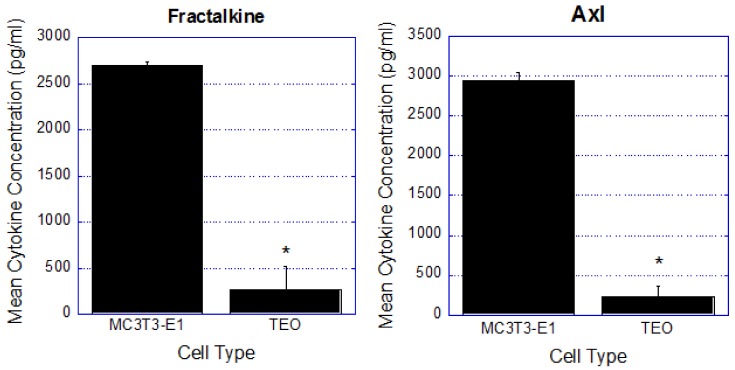
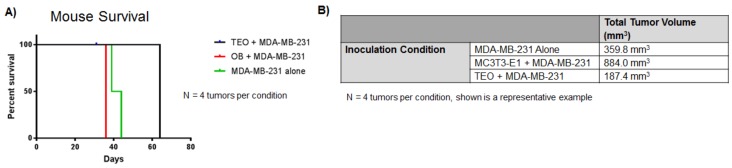
The skeleton is a unique structure capable of providing support for the body. Bone resorption and deposition are controlled in a tightly regulated balance between osteoblasts and osteoclasts with no net bone gain or loss. However, under conditions of disease, the balance between bone resorption and deposition is upset. Osteoblasts play an important role in bone homeostasis by depositing new bone osteoid into resorption pits. It is becoming increasingly evident that osteoblasts additionally play key roles in cancer cell dissemination to bone and subsequent metastasis. Our laboratory has evidence that when osteoblasts come into contact with disseminated breast cancer cells, the osteoblasts produce factors that initially reduce breast cancer cell proliferation, yet promote cancer cell survival in bone. Other laboratories have demonstrated that osteoblasts both directly and indirectly contribute to dormant cancer cell reactivation in bone. Moreover, we have demonstrated that osteoblasts undergo an inflammatory stress response in late stages of breast cancer, and produce inflammatory cytokines that are maintenance and survival factors for breast cancer cells and osteoclasts. Advances in understanding interactions between osteoblasts, osteoclasts, and bone metastatic cancer cells will aid in controlling and ultimately preventing cancer cell metastasis to bone.
骨骼是一种独特的结构,能够为身体提供支撑。成骨细胞和破骨细胞之间严格调控着骨吸收和骨沉积的平衡,使得骨量没有净增加或减少。然而,在疾病状态下,骨吸收和骨沉积之间的平衡会被打破。成骨细胞通过在吸收陷窝中沉积新的类骨质,在骨稳态中发挥重要作用。越来越明显的是,成骨细胞在癌细胞向骨转移及后续转移过程中也起着关键作用。我们实验室有证据表明,当成骨细胞与播散性乳腺癌细胞接触时,成骨细胞会产生一些因子,这些因子最初会降低乳腺癌细胞的增殖,但却能促进癌细胞在骨中的存活。其他实验室已证明,成骨细胞直接或间接促进骨中休眠癌细胞的重新激活。此外,我们还证明,成骨细胞在乳腺癌晚期会经历炎症应激反应,并产生对乳腺癌细胞和破骨细胞具有维持和存活作用的炎性细胞因子。深入了解成骨细胞、破骨细胞和骨转移性癌细胞之间的相互作用,将有助于控制并最终预防癌细胞向骨转移。