Chen Zhe, Sun Lejia, Chen Hui, Gu Dachuan, Zhang Weitao, Yang Zifeng, Peng Tao, Dong Rong, Lai Kefang
The First People's Hospital of Kunshan, Jiangsu University, Kunshan, China.
State Key Laboratory of Respiratory Disease, Guangzhou Institute of Respiratory Disease, The First Affiliated Hospital of Guangzhou Medical University, Guangzhou, China.
Front Physiol. 2018 May 15;9:536. doi: 10.3389/fphys.2018.00536. eCollection 2018.
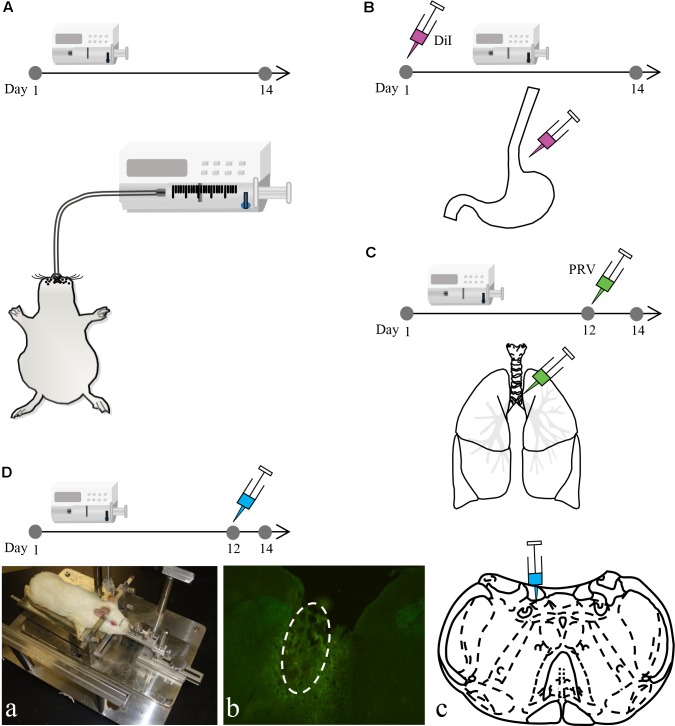
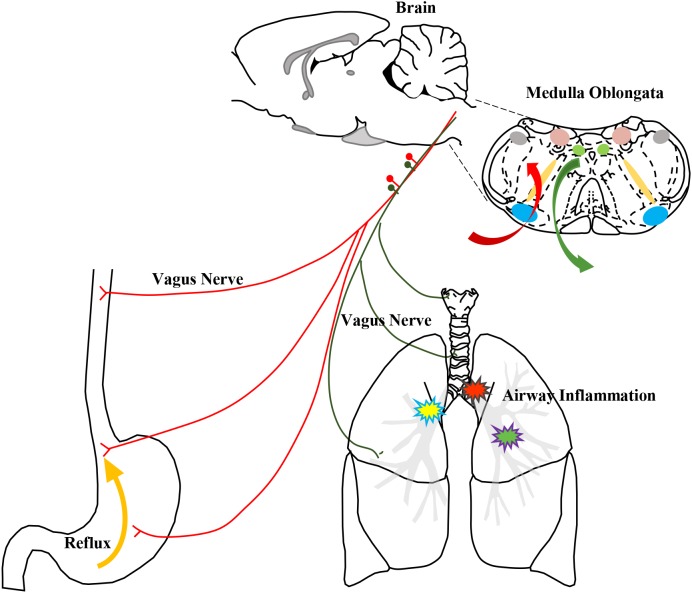
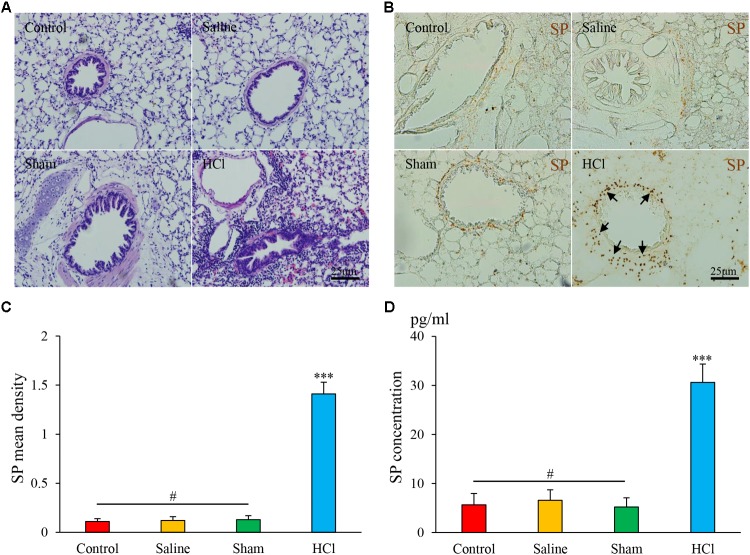
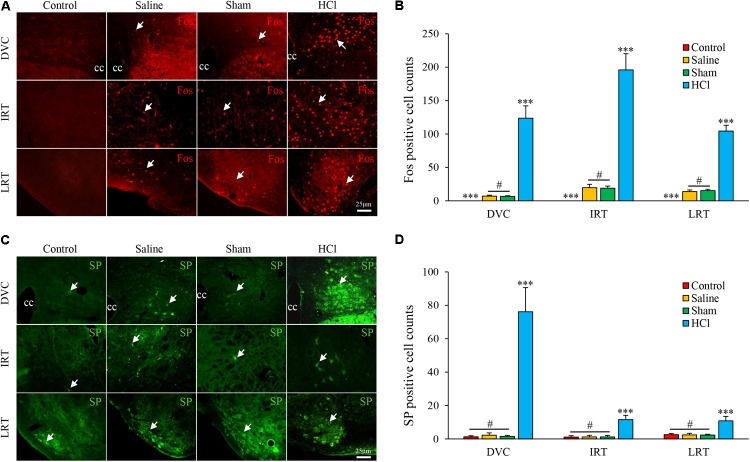
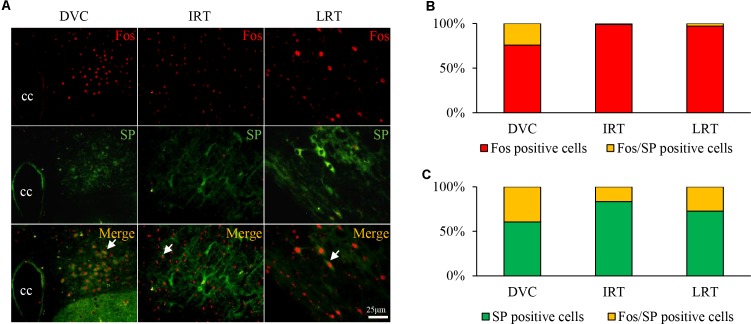
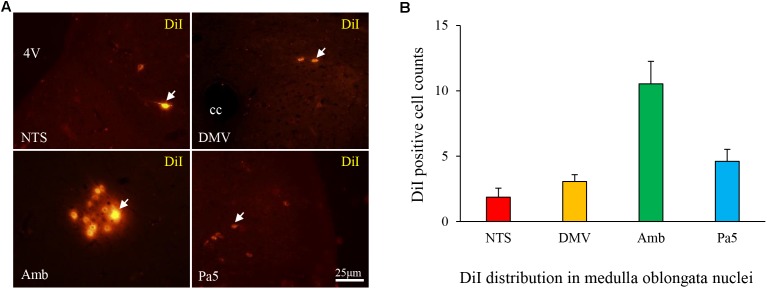
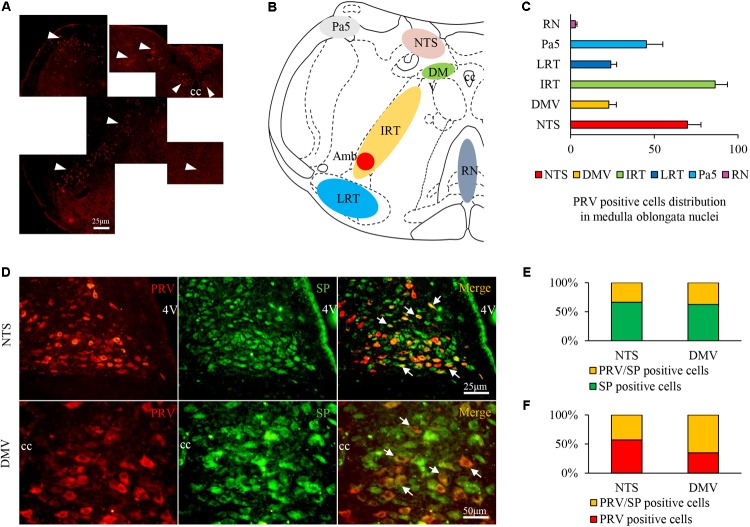
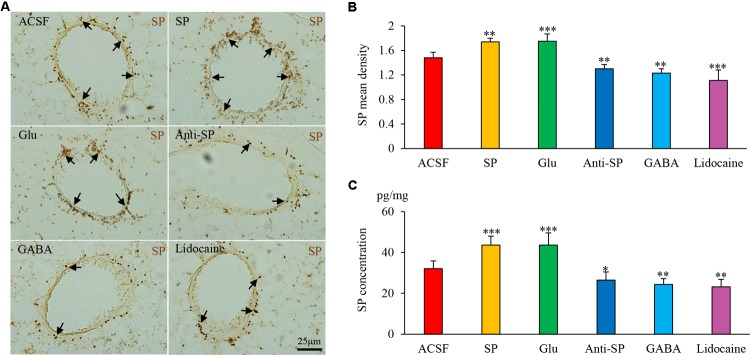
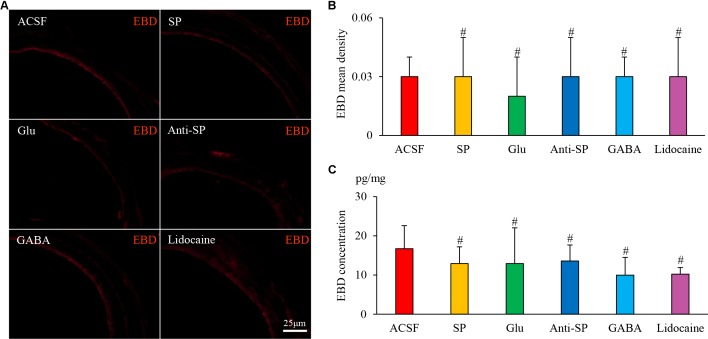
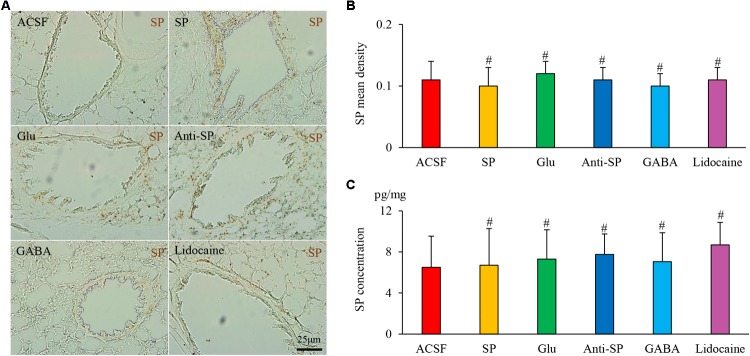
Neurogenic airway inflammation in chronic cough and bronchial asthma related to gastroesophageal reflux (GER) is involved in the esophageal-bronchial reflex, but it is unclear whether this reflex is mediated by central neurons. This study aimed to investigate the regulatory effects of the dorsal vagal complex (DVC) on airway inflammation induced by the esophageal perfusion of hydrochloric acid (HCl) following the microinjection of nuclei in the DVC in guinea pigs. Airway inflammation was evaluated by measuring the extravasation of Evans blue dye (EBD) and substance P (SP) expression in the airway. Neuronal activity was indicated by Fos expression in the DVC. The neural pathways from the lower esophagus to the DVC and the DVC to the airway were identified using DiI tracing and pseudorabies virus Bartha (PRV-Bartha) retrograde tracing, respectively. HCl perfusion significantly increased plasma extravasation, SP expression in the trachea, and the expression of SP and Fos in the medulla oblongata nuclei, including the nucleus of the solitary tract (NTS) and the dorsal motor nucleus of the vagus (DMV). The microinjection of glutamic acid (Glu) or exogenous SP to enhance neuronal activity in the DVC significantly potentiated plasma extravasation and SP release induced by intra-esophageal perfusion. The microinjection of γ-aminobutyric acid (GABA), lidocaine to inhibit neuronal activity or anti-SP serum in the DVC alleviated plasma extravasation and SP release. In conclusion, airway inflammation induced by the esophageal perfusion of HCl is regulated by DVC. This study provides new insight for the mechanism of airway neurogenic inflammation related to GER.
与胃食管反流(GER)相关的慢性咳嗽和支气管哮喘中的神经源性气道炎症参与食管-支气管反射,但尚不清楚该反射是否由中枢神经元介导。本研究旨在通过向豚鼠背侧迷走复合体(DVC)核内微量注射后,研究DVC对食管灌注盐酸(HCl)诱导的气道炎症的调节作用。通过测量伊文思蓝染料(EBD)外渗和气道中P物质(SP)表达来评估气道炎症。DVC中Fos表达指示神经元活动。分别使用DiI示踪法和伪狂犬病病毒Bartha株(PRV-Bartha)逆行示踪法确定从下食管到DVC以及从DVC到气道的神经通路。HCl灌注显著增加血浆外渗、气管中SP表达以及延髓核中SP和Fos的表达,包括孤束核(NTS)和迷走神经背运动核(DMV)。向DVC中微量注射谷氨酸(Glu)或外源性SP以增强神经元活动,显著增强了食管内灌注诱导的血浆外渗和SP释放。向DVC中微量注射γ-氨基丁酸(GABA)、利多卡因以抑制神经元活动或抗SP血清可减轻血浆外渗和SP释放。总之,食管灌注HCl诱导的气道炎症受DVC调节。本研究为GER相关气道神经源性炎症的机制提供了新的见解。