Mechanical Engineering Department, College of Engineering, United Arab Emirates University, Al Ain, United Arab Emirates.
Electrical Engineering Department, College of Engineering, United Arab Emirates University, Al Ain, United Arab Emirates.
Int J Nanomedicine. 2018 May 23;13:2997-3010. doi: 10.2147/IJN.S160968. eCollection 2018.
Activated carbon (AC) is a common adsorbent that is used in both artificial and bioartificial liver devices.
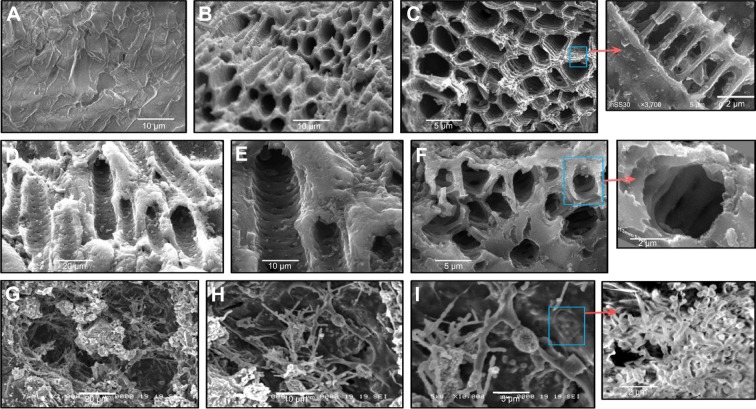
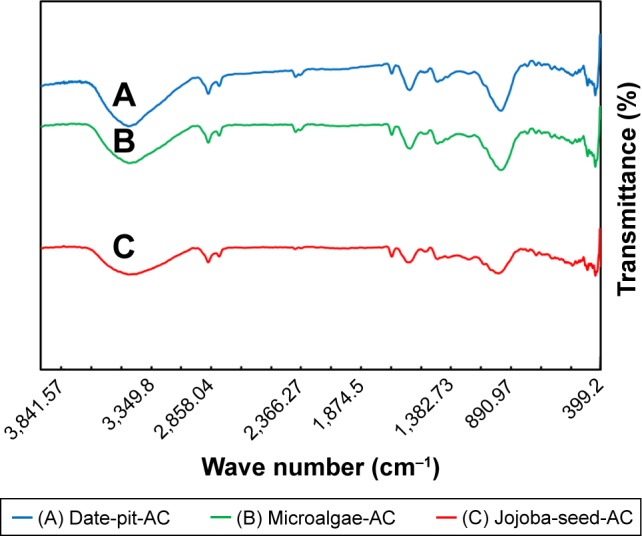
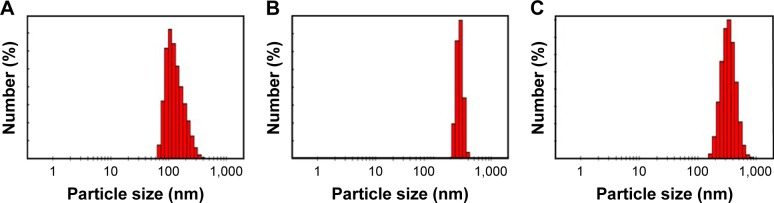
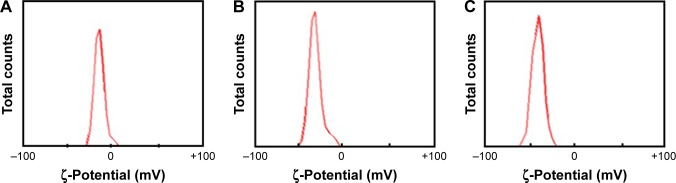
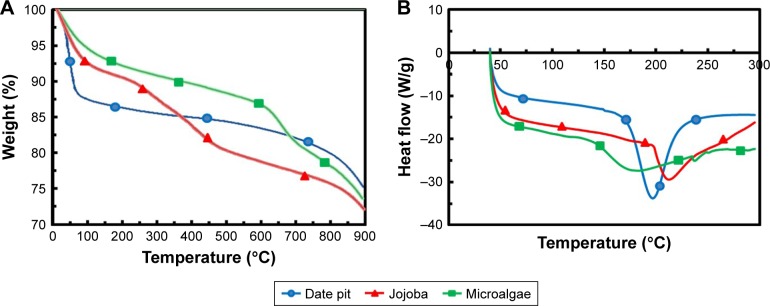
Three natural materials - date pits of (fruit), (jojoba) seeds, and spp. (microalgae) - were used in the present investigation as precursors for the synthesis of AC using physical activation. The chemical structures and morphology of AC were analyzed. Then, AC's bilirubin adsorption capacity and its cytotoxicity on normal liver (THLE2) and liver cancer (HepG2) cells were characterized.
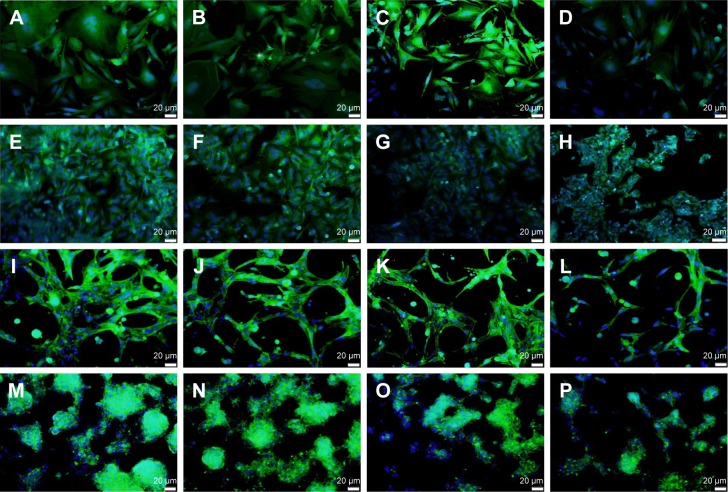
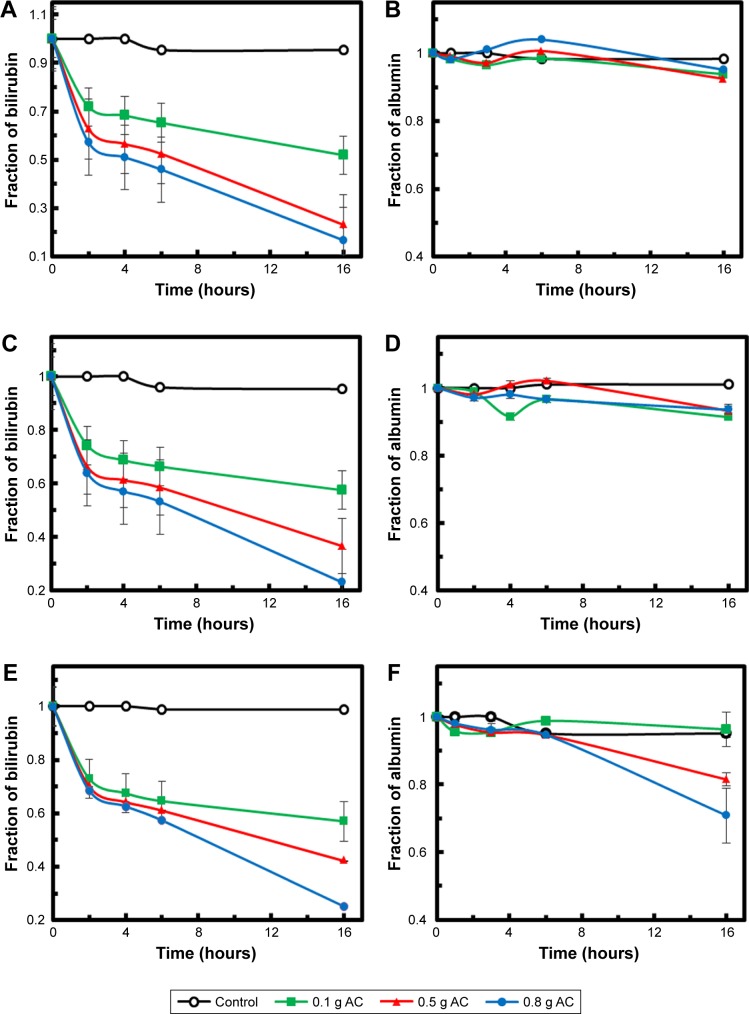
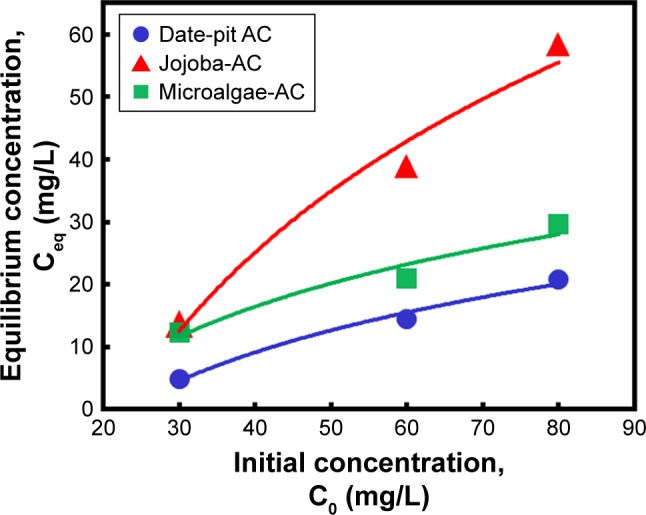
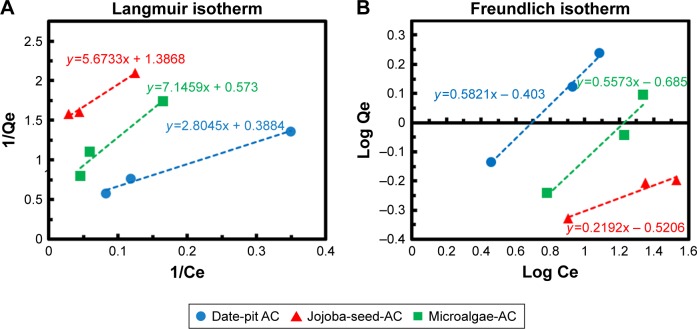
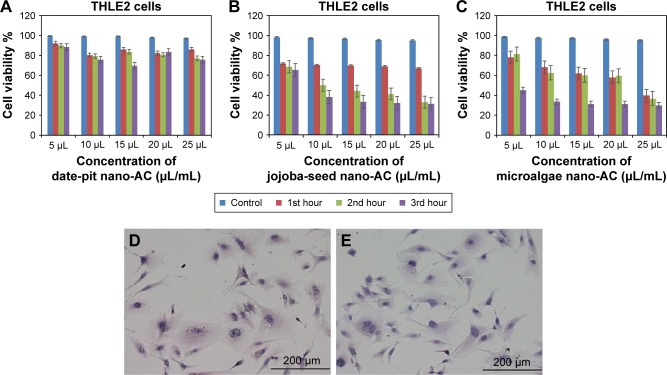
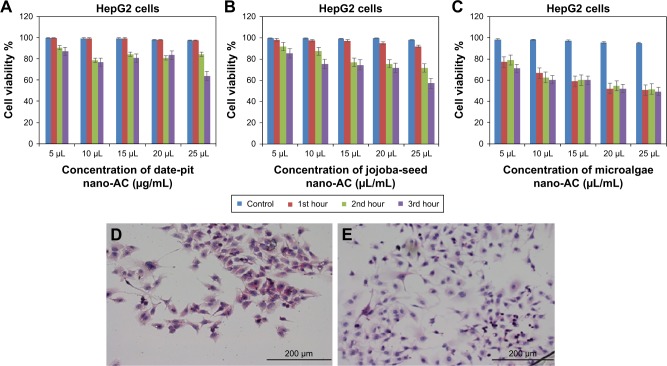
Compared with the other raw materials examined, date-pit AC was highly selective and showed the most effective capacity of bilirubin adsorption, as judged by isotherm-modeling analysis. MTT in vitro analysis indicated that date-pit AC had the least effect on the viability of both THLE2 and HepG2 cells compared to jojoba seeds and microalgae. All three biomaterials under investigation were used, along with collagen and Matrigel, to grow cells in 3D culture. Fluorescent microscopy confirmed date-pit AC as the best to preserve liver cell integrity.
The findings of this study introduce date-pit-based AC as a novel alternative biomaterial for the removal of protein-bound toxins in bioartificial liver devices.
活性炭(AC)是一种常用的吸附剂,被广泛应用于人工和生物人工肝脏设备中。
本研究以三种天然材料(椰枣核、霍霍巴种子和 spp.微藻)为前驱体,采用物理活化法合成活性炭。分析了活性炭的化学结构和形态。然后,对活性炭的胆红素吸附能力及其对正常肝细胞(THLE2)和肝癌细胞(HepG2)的细胞毒性进行了表征。
与其他被检测的原料相比,椰枣核活性炭对胆红素的吸附选择性更高,吸附能力最强,通过等温线模型分析得到验证。MTT 体外分析表明,与霍霍巴种子和微藻相比,椰枣核活性炭对 THLE2 和 HepG2 细胞活力的影响最小。本研究还使用了所有三种被研究的生物材料,以及胶原蛋白和 Matrigel,在 3D 培养中培养细胞。荧光显微镜证实椰枣核活性炭最能保持肝细胞的完整性。
本研究结果表明,椰枣核基活性炭可作为生物人工肝脏设备中去除蛋白结合毒素的新型生物材料。