Department of Brain and Cognitive Sciences, McGovern Institute for Brain Research, Massachusetts Institute of Technology, Cambridge, MA, United States.
Front Neural Circuits. 2018 May 16;12:41. doi: 10.3389/fncir.2018.00041. eCollection 2018.
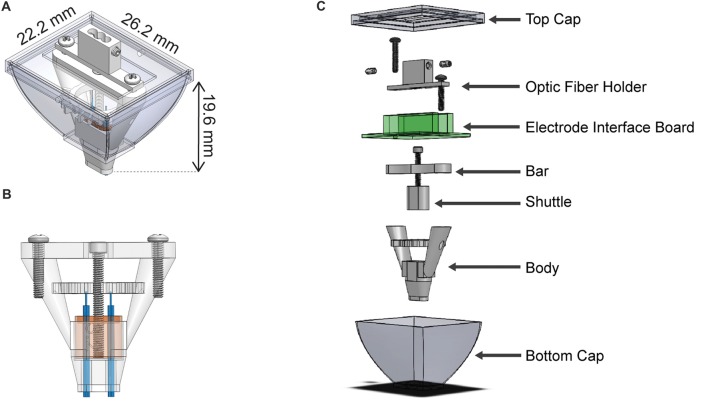
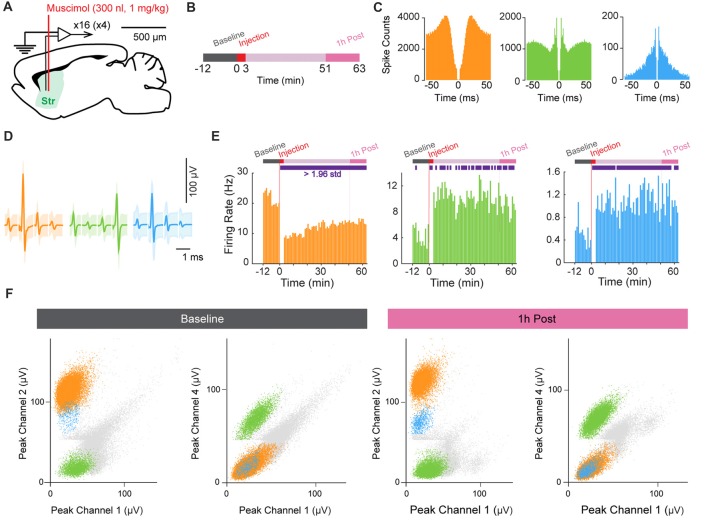
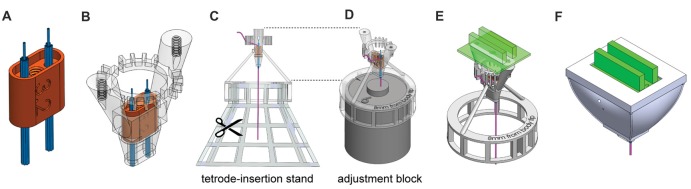
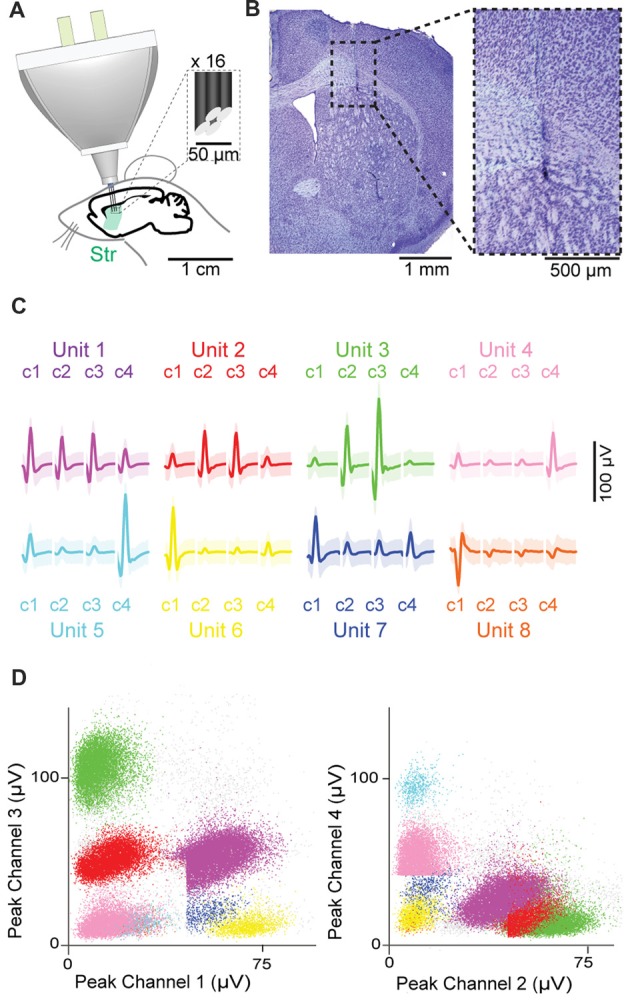
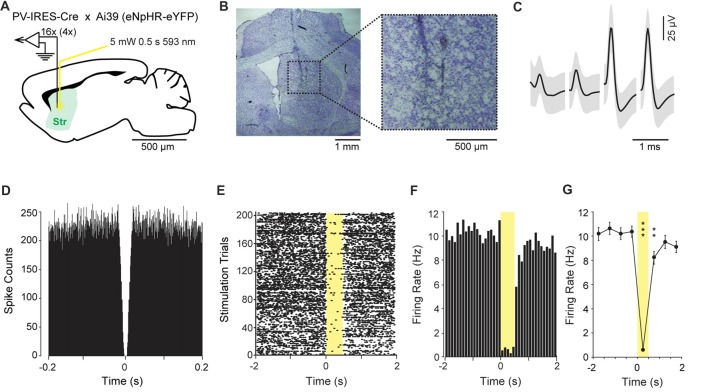
Understanding the neural mechanisms underlying human cognition and determining the causal factors for the development of brain pathologies are among the greatest challenges for society. Electrophysiological recordings offer remarkable observations of brain activity as they provide highly precise representations of information coding in both temporal and spatial domains. With the development of genetic tools over the last decades, mice have been a key model organism in neuroscience. However, conducting chronic electrophysiology in awake, behaving mice remains technically challenging, and this difficulty prevents many research teams from acquiring critical recordings in their mouse models. Behavioral training, implant fabrication, brain surgery, data acquisition and data analysis are all required steps that must be mastered in order to perform cutting-edge experiments in systems neuroscience. Here, we present a new method that simplifies the construction of a drivable and multi-task electrophysiological recording implant without loss of flexibility and recording power. The hybrid-drive combining optogenetics, pharmacology and electrophysiology (HOPE) can support up to 16 tetrodes, attached to a single drive mechanism, organized in two bundles of eight tetrodes, allowing recordings in two different mouse brain regions simultaneously with two optical fibers for optogenetic manipulation or two injection cannulas for drug-delivery experiments. Because it can be printed with a latest-generation desktop 3D printer, the production cost is low compared to classical electrophysiology implants, and it can be built within a few hours. The HOPE implant is also reconfigurable to specific needs as it has been created in a computer-aided design (CAD) software and all the files used for its construction are open-source.
理解人类认知的神经机制,确定脑病理学发展的因果因素,是社会面临的最大挑战之一。电生理记录提供了对大脑活动的显著观察,因为它们在时间和空间域中提供了信息编码的高度精确表示。在过去几十年中,随着遗传工具的发展,老鼠已成为神经科学的主要模式生物。然而,在清醒、行为的老鼠中进行慢性电生理学仍然具有技术挑战性,这种困难阻止了许多研究团队在其老鼠模型中获得关键记录。行为训练、植入物制造、脑部手术、数据采集和数据分析都是必须掌握的步骤,以便在系统神经科学中进行前沿实验。在这里,我们提出了一种新方法,该方法简化了可驱动的多任务电生理记录植入物的构建,而不会降低灵活性和记录能力。结合光遗传学、药理学和电生理学的混合驱动(HOPE)可以支持多达 16 个四极管,连接到单个驱动机构上,组织成两个 8 个四极管束,允许同时在两个不同的老鼠大脑区域进行记录,同时使用两根光纤进行光遗传学操作或两根注射套管进行药物输送实验。由于它可以用最新一代的桌面 3D 打印机打印,因此与经典电生理植入物相比,生产成本较低,并且可以在几个小时内构建。HOPE 植入物也可以根据特定需求进行重新配置,因为它是在计算机辅助设计 (CAD) 软件中创建的,并且用于其构建的所有文件都是开源的。