Department of Obstetrics and Gynecology, Nagoya University Graduate School of Medicine, 65 Tsurumai-cho, Showa-ku, Nagoya, 466-8550, Japan.
Department of Obstetrics and Gynecology, Japanese Red Cross Nagoya Daiichi Hospital, 3-35, Michishita-Cho, Nakamura-Ku, Nagoya, 453-8511, Japan.
Sci Rep. 2018 Jun 15;8(1):9221. doi: 10.1038/s41598-018-27626-4.
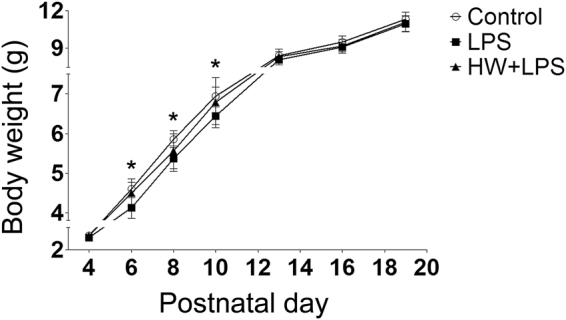
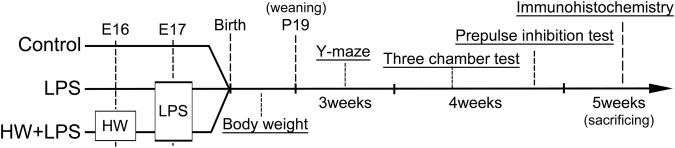
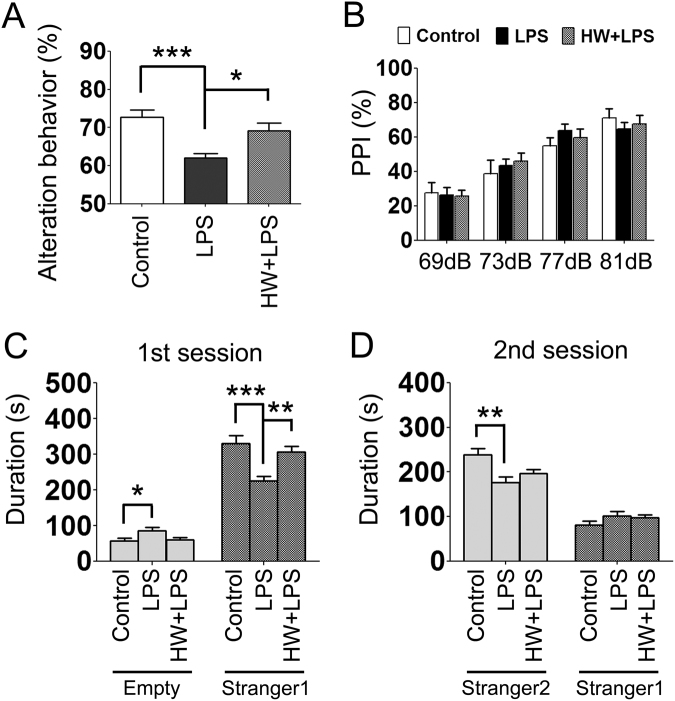
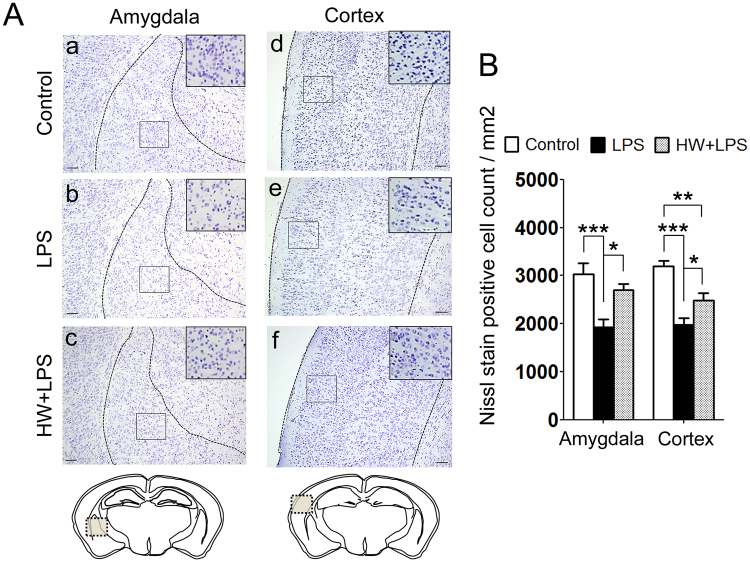
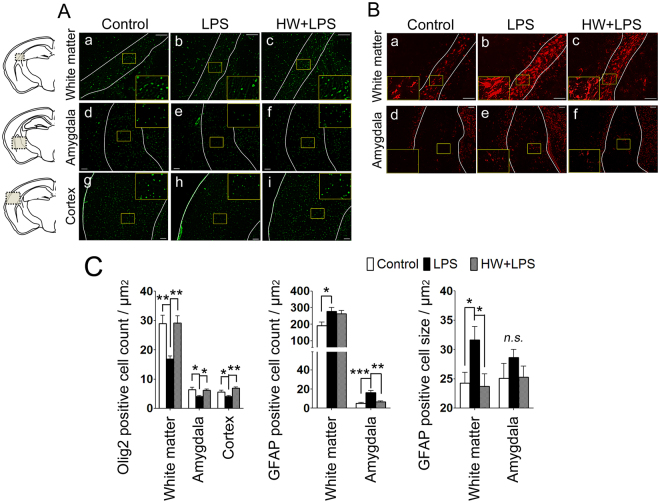
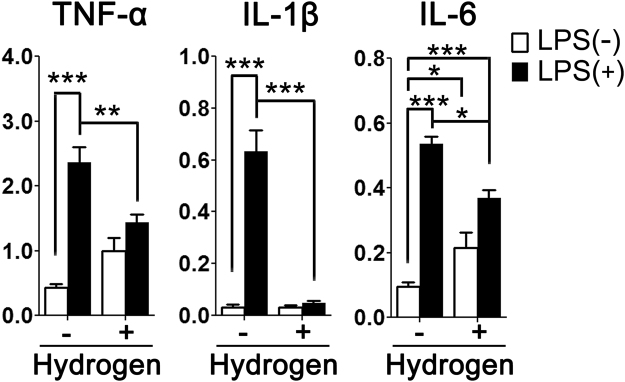
The aim of the present study was to investigate long-term outcomes of the offspring in a lipopolysaccharide (LPS)-induced maternal immune activation (MIA) model and the effect of maternal molecular hydrogen (H) administration. We have previously demonstrated in the MIA mouse model that maternal administration of H attenuates oxidative damage and neuroinflammation, including induced pro-inflammatory cytokines and microglial activation, in the fetal brain. Short-term memory, sociability and social novelty, and sensorimotor gating were evaluated using the Y-maze, three-chamber, and prepulse inhibition (PPI) tests, respectively, at postnatal 3 or 4 weeks. The number of neurons and oligodendrocytes was also analyzed at postnatal 5 weeks by immunohistochemical analysis. Offspring of the LPS-exposed dams showed deficits in short-term memory and social interaction, following neuronal and oligodendrocytic loss in the amygdala and cortex. Maternal H administration markedly attenuated these LPS-induced abnormalities. Moreover, we evaluated the effect of H on LPS-induced astrocytic activation, both in vivo and in vitro. The number of activated astrocytes with hypertrophic morphology was increased in LPS-exposed offspring, but decreased in the offspring of H-administered dams. In primary cultured astrocytes, LPS-induced pro-inflammatory cytokines were attenuated by H administration. Overall, these findings indicate that maternal H administration exerts neuroprotective effects and ameliorates MIA-induced neurodevelopmental deficits of offspring later in life.
本研究旨在探讨脂多糖(LPS)诱导的母体免疫激活(MIA)模型中后代的长期结局,以及母体分子氢(H)给药的影响。我们之前在 MIA 小鼠模型中证明,H 的母体给药可减轻胎儿大脑中的氧化损伤和神经炎症,包括诱导的促炎细胞因子和小胶质细胞激活。分别在产后 3 或 4 周使用 Y 迷宫、三室和脉冲抑制(PPI)测试评估短期记忆、社交性和社交新颖性以及感觉运动门控。通过免疫组织化学分析还在产后 5 周分析神经元和少突胶质细胞的数量。LPS 暴露的母鼠后代表现出短期记忆和社交互动缺陷,继之出现杏仁核和皮质中的神经元和少突胶质细胞丢失。母体 H 给药显著减弱了这些 LPS 诱导的异常。此外,我们评估了 H 对 LPS 诱导的星形胶质细胞激活的体内和体外的影响。LPS 暴露的后代中,具有肥大形态的活化星形胶质细胞数量增加,但 H 给药的母鼠后代中减少。在原代培养的星形胶质细胞中,H 给药减弱了 LPS 诱导的促炎细胞因子。总体而言,这些发现表明母体 H 给药具有神经保护作用,并改善了 MIA 诱导的后代生命后期的神经发育缺陷。