Division of Medical Biology, Department of Pathology and Medical Biology, University of Groningen, University Medical Centre Groningen, Groningen, Netherlands.
Department of Obstetrics and Gynecology, University of Groningen, University Medical Centre Groningen, Groningen, Netherlands.
Front Immunol. 2018 May 22;9:1018. doi: 10.3389/fimmu.2018.01018. eCollection 2018.
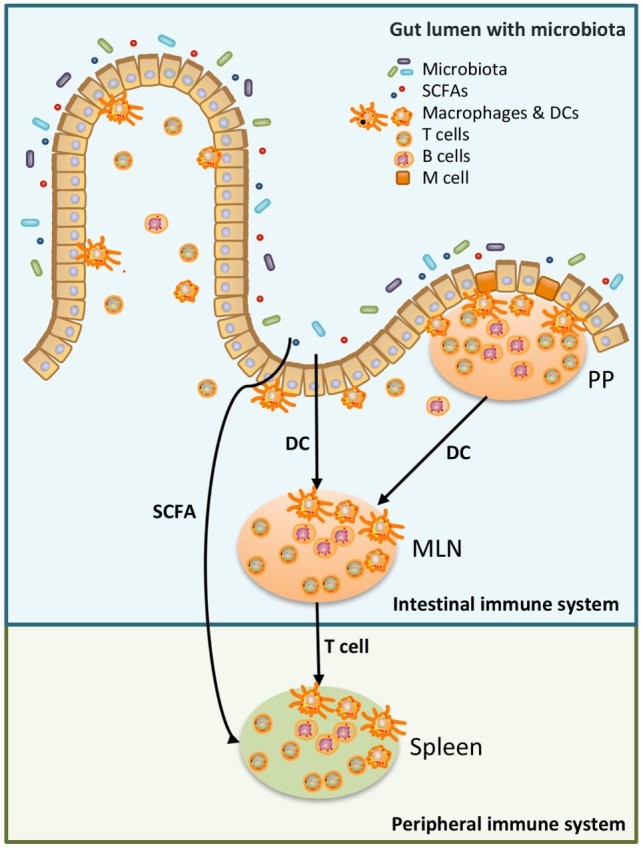
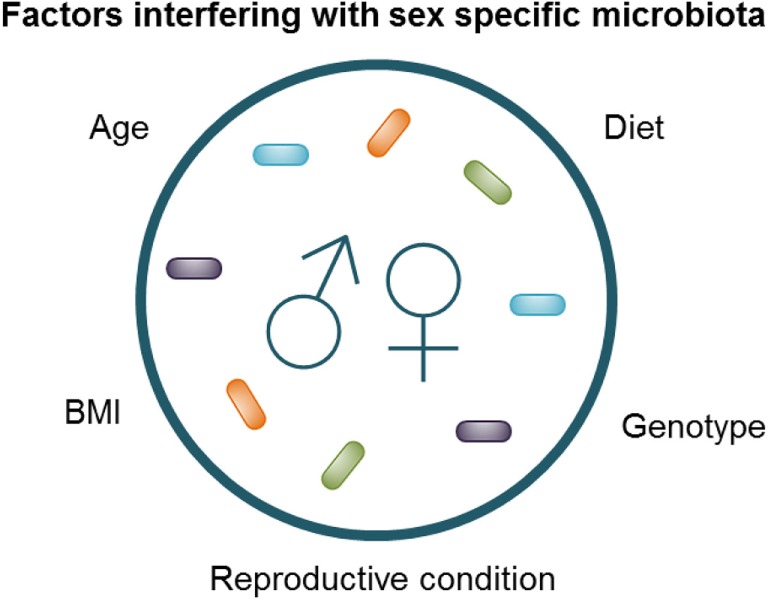
Sex differences in peripheral immune responses are well recognized. This is associated with sex differences in many immunological diseases. As the intestinal microbiota is known to influence the immune system, such sex differences in immune responses may be a consequence of sex-specific microbiota. Therefore, this mini-review discusses sex differences in intestinal microbiota and the possible role of microbiota in shaping sexually dimorphic immunity. Sex differences in microbiota composition are clearly found in mice studies and also in human studies. However, the lack of standardization in human studies may mask the sexual dimorphism in microbiota composition in human studies, since many factors such as age, genetic background, BMI, diet, and sex hormones appear to interfere with the sexual dimorphism in microbiota composition. Only a few mice studies found that differences in gut microbiota composition are causative for some aspects of sexually dimorphic immunity. Therefore, future studies should focus on a causal relationship between sexually dimorphic immunity and microbiota, considering the abovementioned interfering confounding factors. This would benefit the development of more sex-specific effective treatment options for immunological diseases.
性别对免疫系统外周免疫应答的影响是明确的。这与许多免疫性疾病中的性别差异有关。由于肠道微生物群会影响免疫系统,因此免疫应答的这种性别差异可能是特定于性别的微生物群的结果。因此,本篇综述讨论了肠道微生物群的性别差异,以及微生物群在塑造性别二态性免疫中的可能作用。在小鼠研究和人类研究中都明显发现了微生物群组成的性别差异。然而,由于许多因素(如年龄、遗传背景、BMI、饮食和性激素)似乎会干扰微生物群组成的性别二态性,人类研究中缺乏标准化可能掩盖了微生物群组成的性别二态性。只有少数小鼠研究发现,肠道微生物群组成的差异是某些性别二态性免疫方面的原因。因此,未来的研究应该集中在性别二态性免疫和微生物群之间的因果关系上,同时考虑到上述干扰混杂因素。这将有利于为免疫性疾病开发更具性别特异性的有效治疗选择。