Jenkins F J, Casadaban M J, Roizman B
Proc Natl Acad Sci U S A. 1985 Jul;82(14):4773-7. doi: 10.1073/pnas.82.14.4773.
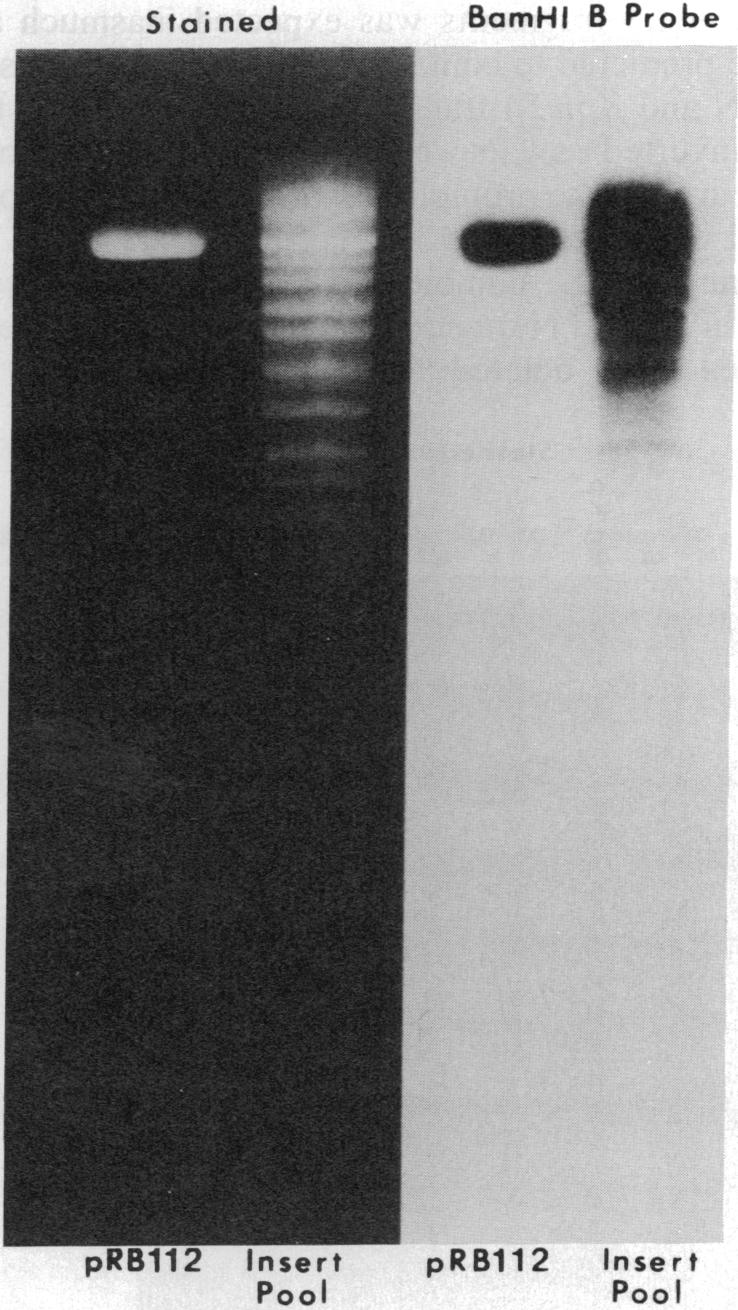
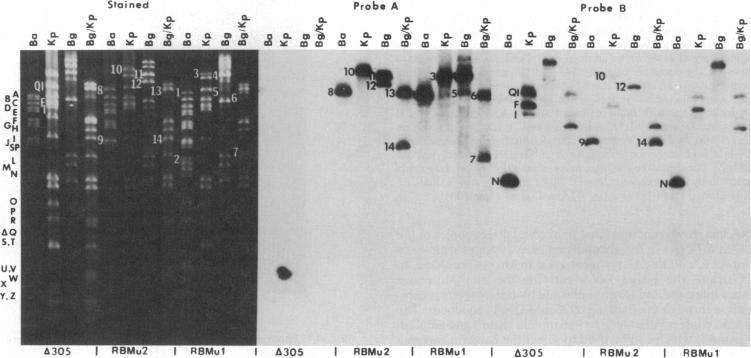
An earlier technique for insertional mutagenesis of large viral genomes involved the insertion of the thymidine kinase (TK) gene at a specific target site, cotransfection of the fragment carrying the insertion with the intact viral genome, and selection of the progeny for viral recombinants expressing the TK gene. The inserted TK gene could then be replaced by cotransfection of the recombinant DNA with fragments carrying a foreign sequence or a deletion in the target sequence. To enable the probing of larger target domains and facilitate insertional mutagenesis, we extended this technique by insertion of a 2.2-kilobase-pair (kbp) herpes simplex virus 1 (HSV-1) chimeric alpha TK gene into the 7.5-kbp mini-Mu-phage (alpha TK-mini-Mu) and lysogenized Escherichia coli with the helper Mu phage and the alpha TK-mini-Mu. Induction of phage multiplication of the lysogenized E. coli after transformation with plasmids carrying HSV-1 DNA and subsequent infection of E. coli RecA+ lysogenized with Mu phage yielded plasmid populations carrying randomly inserted alpha TK-mini-Mu DNA. Application of this procedure for insertional mutagenesis of the BamHI B fragment, which spans the junction between the unique and reiterated sequences of the L component of viral DNA, yielded two types of recombinants. Viral recombinant designated RBMu1 contained the intact alpha TK-mini-Mu inserted into unique sequences of BamHI B fragment. In recombinant RBMu2, the alpha TK-mini-Mu was inserted at or in the repeated sequences, but approximately equal to 14 kbp comprising most of the internal reiterations of the viral genome in the prototype arrangement were deleted.
一种早期用于大型病毒基因组插入诱变的技术,包括将胸苷激酶(TK)基因插入特定靶位点,将携带插入片段的片段与完整病毒基因组共转染,并选择表达TK基因的病毒重组体后代。然后,通过将重组DNA与携带外源序列或靶序列缺失的片段共转染,可替换插入的TK基因。为了能够探测更大的靶结构域并促进插入诱变,我们扩展了该技术,将一个2.2千碱基对(kbp)的单纯疱疹病毒1型(HSV-1)嵌合α TK基因插入7.5 kbp的微型Mu噬菌体(α TK-微型Mu)中,并用辅助Mu噬菌体和α TK-微型Mu使大肠杆菌溶原化。用携带HSV-1 DNA的质粒转化溶原化的大肠杆菌后诱导噬菌体增殖,随后感染用Mu噬菌体溶原化的RecA+大肠杆菌,产生携带随机插入的α TK-微型Mu DNA的质粒群体。将该程序应用于病毒DNA L成分独特序列和重复序列之间连接处的BamHI B片段的插入诱变,产生了两种类型的重组体。命名为RBMu1的病毒重组体包含插入到BamHI B片段独特序列中的完整α TK-微型Mu。在重组体RBMu2中,α TK-微型Mu插入到重复序列处或其中,但在原型排列中,大约14 kbp包含病毒基因组大部分内部重复序列的片段被删除。