Department of Biology, Indiana University, Bloomington, Indiana, USA
Department of Biology, Indiana University, Bloomington, Indiana, USA.
mBio. 2018 Jun 19;9(3):e00637-18. doi: 10.1128/mBio.00637-18.
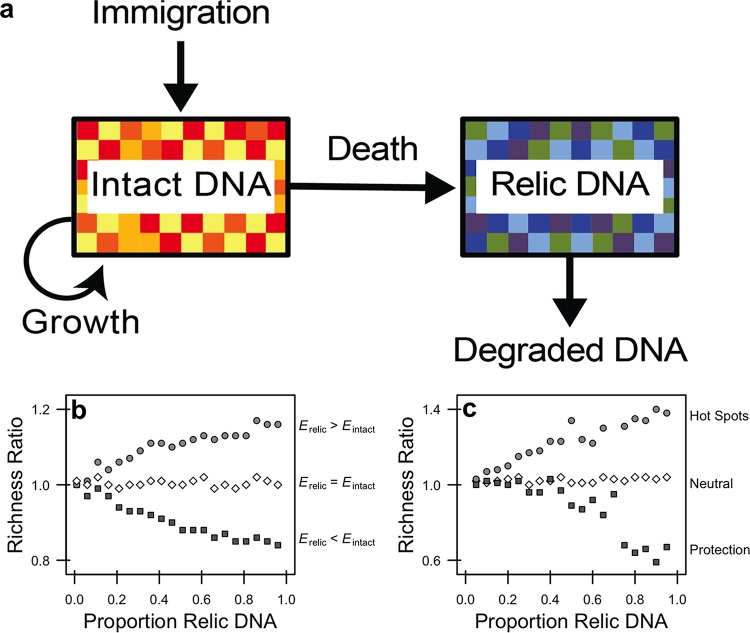
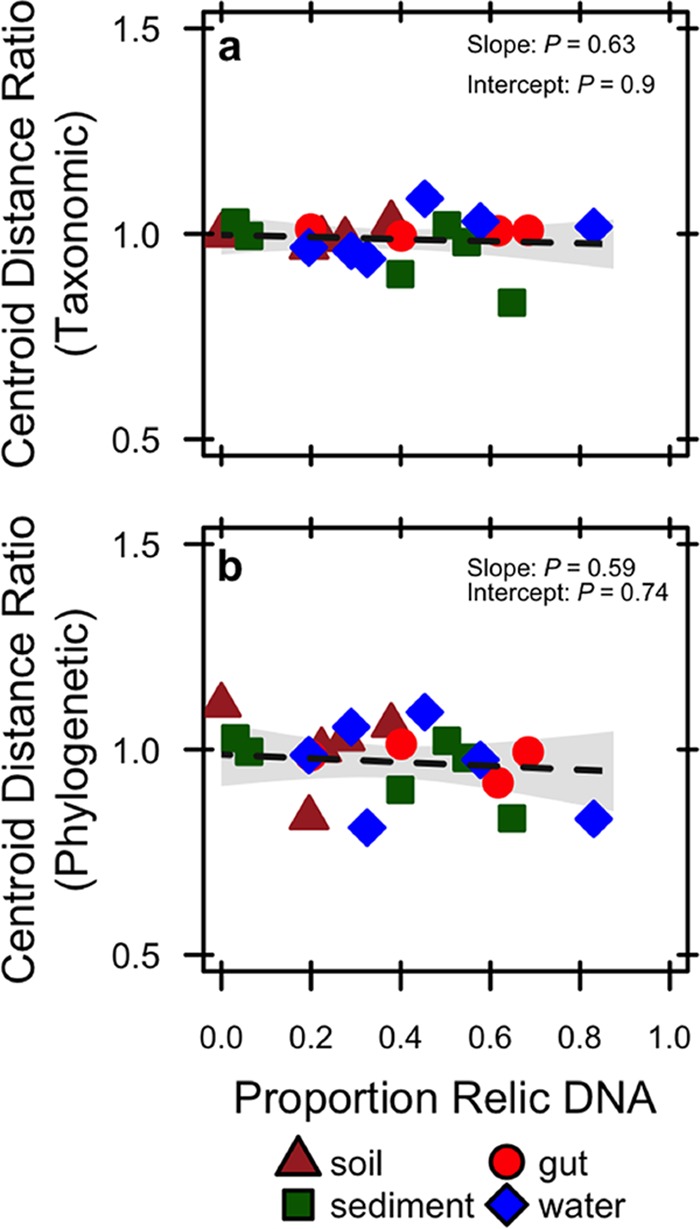
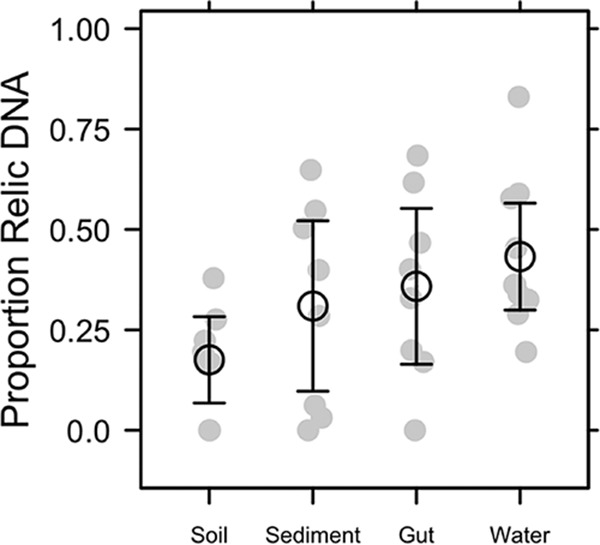
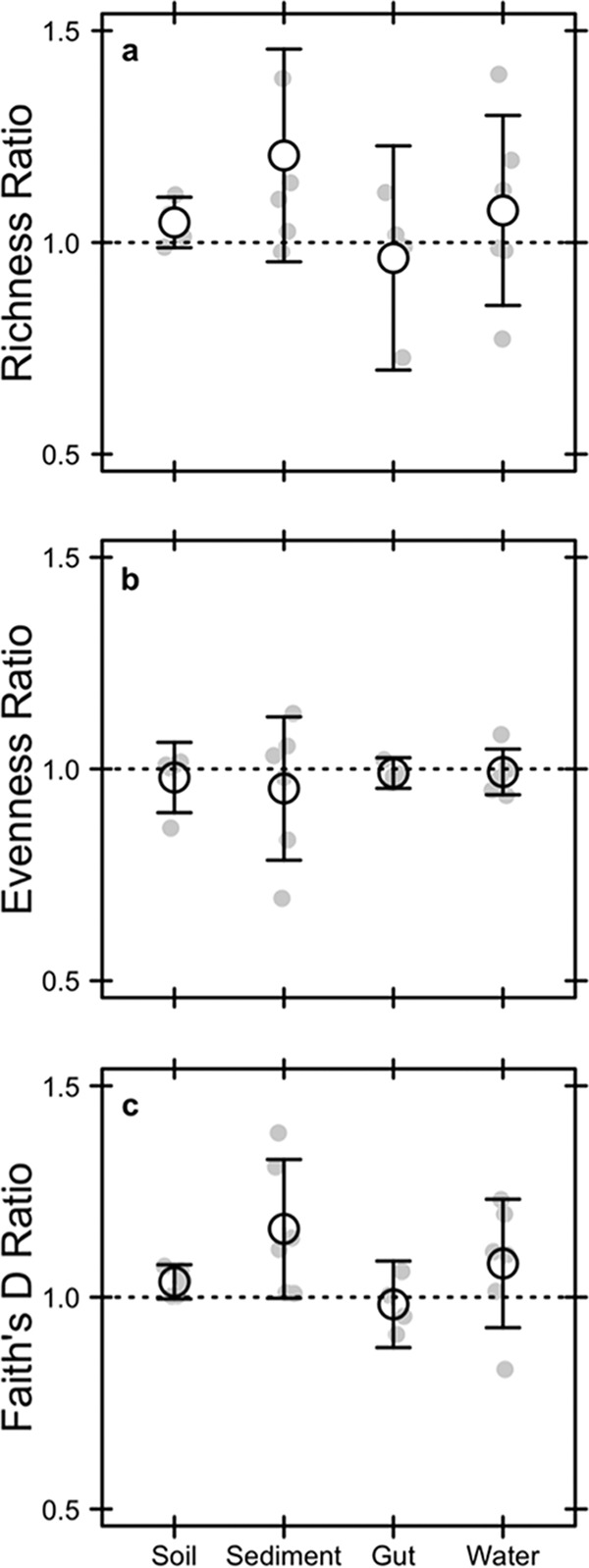
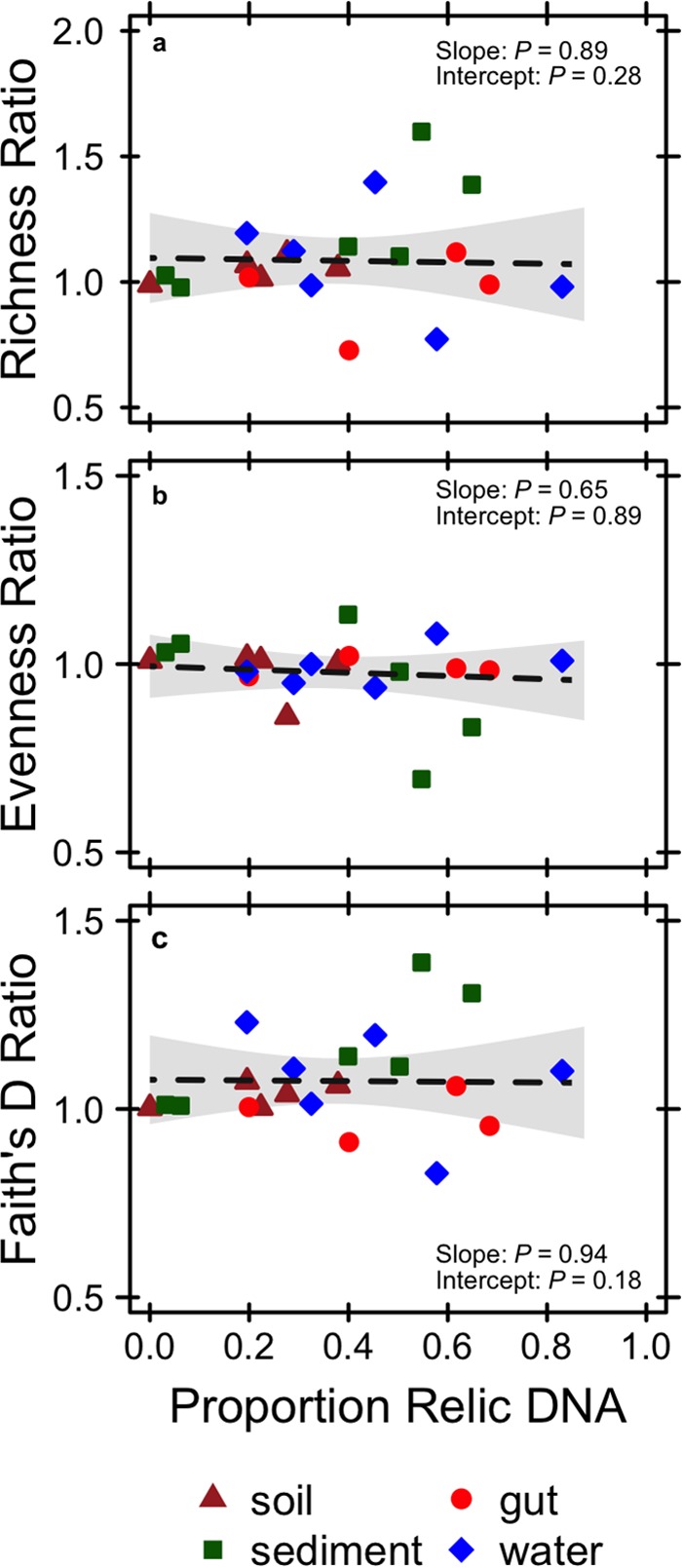
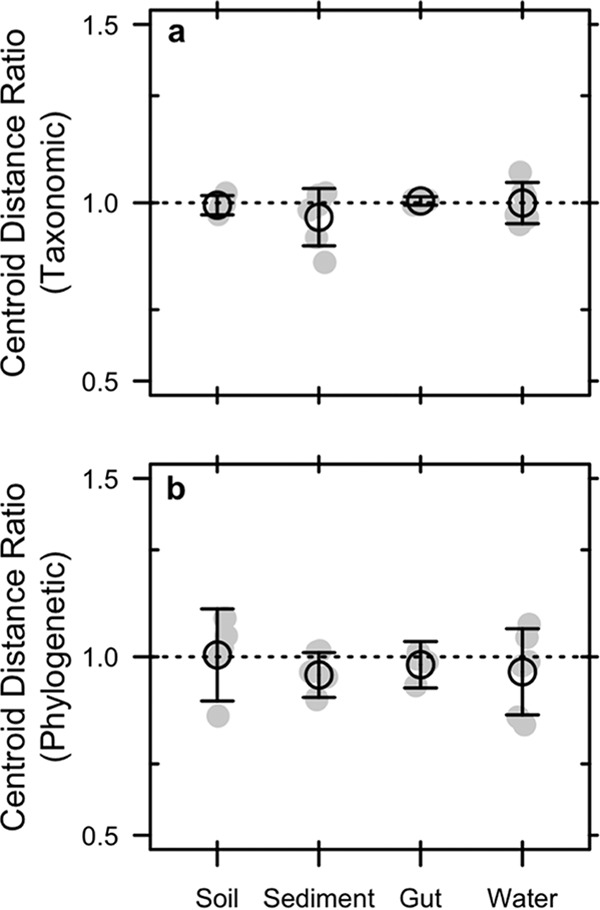
Extracellular or "relic" DNA is one of the largest pools of nucleic acids in the biosphere. Relic DNA can influence a number of important ecological and evolutionary processes, but it may also affect estimates of microbial abundance and diversity, which has implications for understanding environmental, engineered, and host-associated ecosystems. We developed models capturing the fundamental processes that regulate the size and composition of the relic DNA pools to identify scenarios leading to biased estimates of biodiversity. Our models predict that bias increases with relic DNA pool size, but only when the species abundance distributions (SADs) of relic and intact DNA are distinct from one another. We evaluated our model predictions by quantifying relic DNA and assessing its contribution to bacterial diversity using 16S rRNA gene sequences collected from different ecosystem types, including soil, sediment, water, and the mammalian gut. On average, relic DNA made up 33% of the total bacterial DNA pool but exceeded 80% in some samples. Despite its abundance, relic DNA had a minimal effect on estimates of taxonomic and phylogenetic diversity, even in ecosystems where processes such as the physical protection of relic DNA are common and predicted by our models to generate bias. Our findings are consistent with the expectation that relic DNA from different taxa degrades at a constant and equal rate, suggesting that it may not fundamentally alter estimates of microbial diversity. The ability to rapidly obtain millions of gene sequences and transcripts from a range of environments has greatly advanced understanding of the processes that regulate microbial communities. However, nucleic acids extracted from complex samples do not come only from viable microorganisms. Dead microorganisms can generate large pools of relic DNA that distort insight into the ecology and evolution of microbial systems. Here, we develop a conceptual and quantitative framework for understanding how relic DNA influences the structure of microbiomes. Our theoretical models and empirical results demonstrate that a large relic DNA pool does not automatically lead to biased estimates of microbial diversity. Rather, relic DNA effects emerge in combination with microscale processes that alter the commonness and rarity of sequences found in heterogeneous DNA pools.
细胞外或“遗留”DNA 是生物圈中最大的核酸库之一。遗留 DNA 可以影响许多重要的生态和进化过程,但它也可能影响微生物丰度和多样性的估计,这对于理解环境、工程和宿主相关的生态系统具有重要意义。我们开发了模型来捕捉调节遗留 DNA 库大小和组成的基本过程,以确定导致生物多样性估计产生偏差的情况。我们的模型预测,当遗留 DNA 和完整 DNA 的物种丰度分布(SAD)彼此不同时,偏差会随着遗留 DNA 池的大小而增加。我们通过从不同的生态系统类型(包括土壤、沉积物、水和哺乳动物肠道)中收集的 16S rRNA 基因序列来量化遗留 DNA 并评估其对细菌多样性的贡献,从而评估了我们模型的预测。平均而言,遗留 DNA 占总细菌 DNA 库的 33%,但在一些样本中超过 80%。尽管其含量丰富,但遗留 DNA 对分类和系统发育多样性的估计影响很小,即使在那些物理保护遗留 DNA 等过程常见且我们的模型预测会产生偏差的生态系统中也是如此。我们的发现与这样的预期一致,即不同分类群的遗留 DNA 以恒定且相等的速率降解,这表明它可能不会从根本上改变微生物多样性的估计。从一系列环境中快速获得数百万个基因序列和转录本的能力极大地促进了对调节微生物群落的过程的理解。然而,从复杂样本中提取的核酸不仅来自有活力的微生物。死亡的微生物可以产生大量的遗留 DNA,从而扭曲对微生物系统的生态学和进化的了解。在这里,我们开发了一个用于理解遗留 DNA 如何影响微生物组结构的概念和定量框架。我们的理论模型和实证结果表明,大量的遗留 DNA 池并不一定会自动导致对微生物多样性的有偏差的估计。相反,只有当遗留 DNA 效应与改变异质 DNA 池中发现的序列常见性和稀有性的微观过程结合时,才会出现遗留 DNA 效应。