Tamada Satoshi, Ebisu Kyoko, Yasuda Sayaka, Kato Minoru, Ninomiya Noriko, Yamasaki Takeshi, Iguchi Taro, Nakatani Tatsuya, Watanabe Yasuyoshi
Department of Urology, Osaka City University Graduate School of Medicine, Osaka, Japan.
RIKEN Center for Life Science Technologies, Kobe, Japan.
Prostate Int. 2018 Jun;6(2):55-60. doi: 10.1016/j.prnil.2017.11.002. Epub 2017 Dec 6.
Cancer-related fatigue is one of the most prevalent symptoms that patients with cancer experience, but the mechanisms underlying it are unknown. We aimed to quantify and mechanistically evaluate the improvement in fatigue related to administration of the Kampo medicine, Kamikihito.
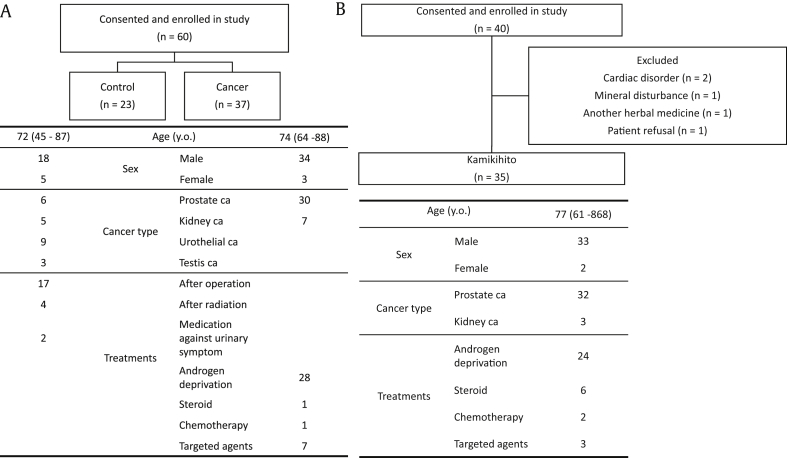
Initially, we recruited outpatients with urological diseases and compared fatigue levels of 37 patients with cancer with a control group of 23 volunteers who had recovered completely from cancer or who were being treated for dysuria. Fatigue level was estimated using an autonomic function analyzer. Then, Kamikihito was administered to another 35 patients treated with hormone or antitumor therapy for prostate cancer and metastatic renal cell cancer. Subjective fatigue and other problems of the patients were assessed using the Chalder fatigue scale, the Center for Epidemiologic Studies Depression scale, and the Epworth sleepiness scale. Serum levels of derivatives of reactive oxygen species and biological antioxidant potential were also measured.
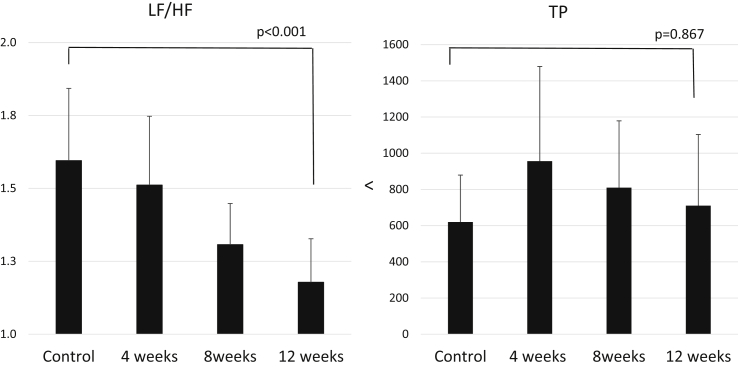
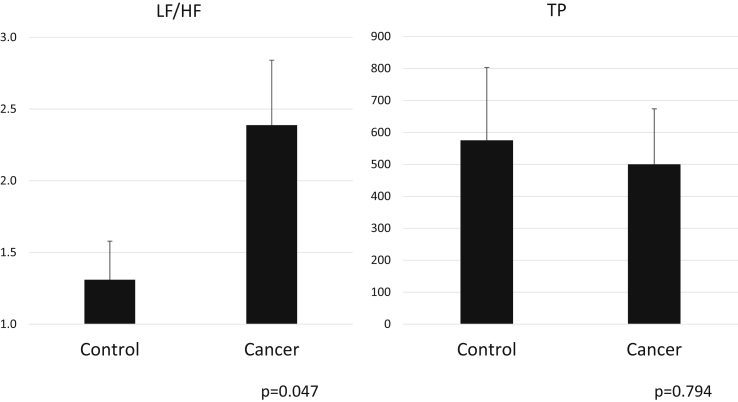
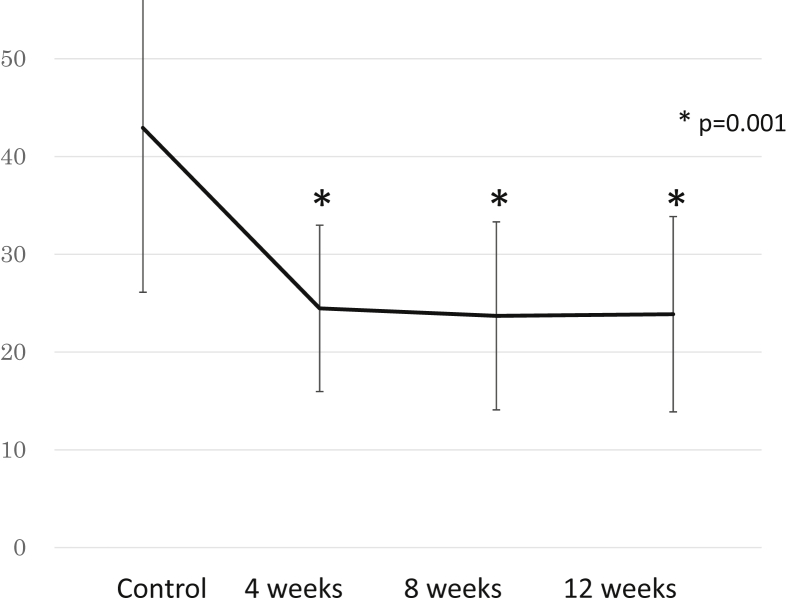
Patients in the cancer treatment group experienced more fatigue compared with the control patients when evaluated using an autonomic function analyzer. The group of 35 patients who were administered Kamikihito showed improved scores for fatigue, depression, and sleepiness. Autonomic nervous system balance was also improved with Kamikihito administration. The Kamikihito group also had significantly lower reactive oxygen species metabolite levels and significantly higher antioxidant potential.
Fatigue was more serious in patients with cancer than in control patients. Kamikihito rescued this fatigue and improved anxiety and sleepiness. It restored autonomic nervous system balance and antioxidant function.
癌症相关疲劳是癌症患者最常见的症状之一,但其潜在机制尚不清楚。我们旨在量化并从机制上评估汉方药物加味逍遥散给药后疲劳的改善情况。
最初,我们招募了患有泌尿系统疾病的门诊患者,比较了37名癌症患者与23名已完全康复或正在接受排尿困难治疗的志愿者对照组的疲劳水平。使用自主神经功能分析仪评估疲劳水平。然后,对另外35名接受激素或抗肿瘤治疗的前列腺癌和转移性肾细胞癌患者给予加味逍遥散。使用查尔德疲劳量表、流行病学研究中心抑郁量表和爱泼华嗜睡量表评估患者的主观疲劳和其他问题。还测量了活性氧衍生物的血清水平和生物抗氧化潜力。
使用自主神经功能分析仪评估时,癌症治疗组患者比对照组患者更容易感到疲劳。接受加味逍遥散治疗的35名患者在疲劳、抑郁和嗜睡方面的得分有所改善。加味逍遥散给药后自主神经系统平衡也得到改善。加味逍遥散组的活性氧代谢物水平也显著降低,抗氧化潜力显著提高。
癌症患者的疲劳比对照组患者更严重。加味逍遥散缓解了这种疲劳,改善了焦虑和嗜睡。它恢复了自主神经系统平衡和抗氧化功能。