Centre of New Technologies, University of Warsaw, Warsaw, Poland.
International Institute of Molecular and Cell Biology, Warsaw, Poland.
BMC Biol. 2018 Jun 22;16(1):66. doi: 10.1186/s12915-018-0536-1.
The proteome of mitochondria comprises mostly proteins that originate as precursors in the cytosol. Before import into the organelle, such proteins are exposed to cytosolic quality control mechanisms. Multiple lines of evidence indicate a significant contribution of the major cytosolic protein degradation machinery, the ubiquitin-proteasome system, to the quality control of mitochondrial proteins. Proteins that are directed to the mitochondrial intermembrane space (IMS) exemplify an entire class of mitochondrial proteins regulated by proteasomal degradation. However, little is known about how these proteins are selected for degradation.
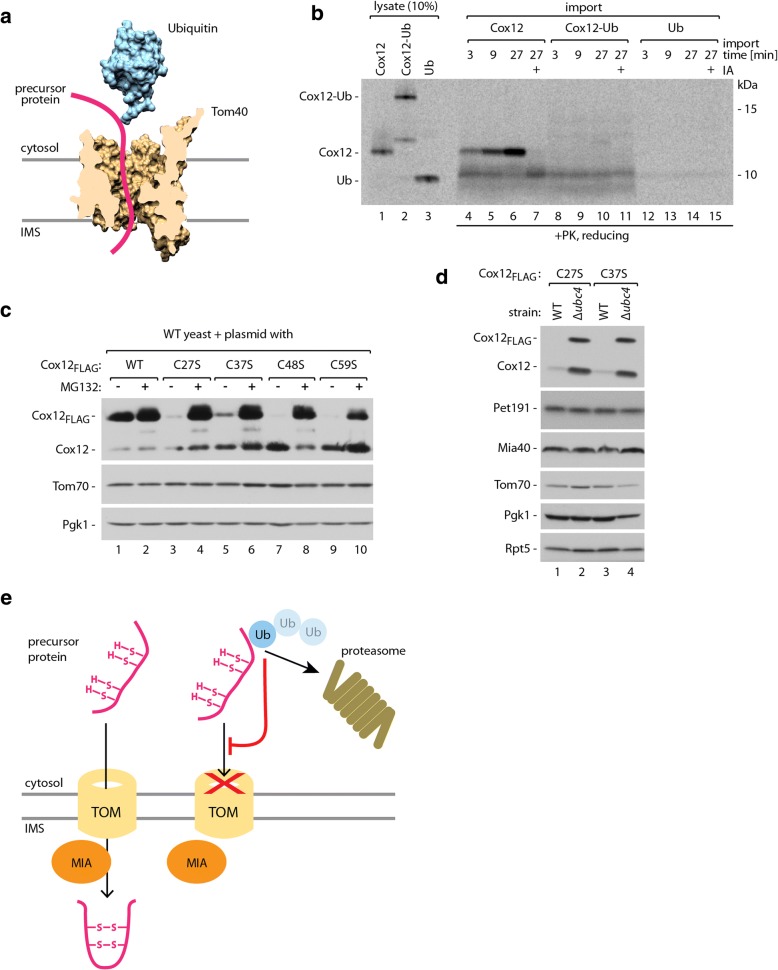
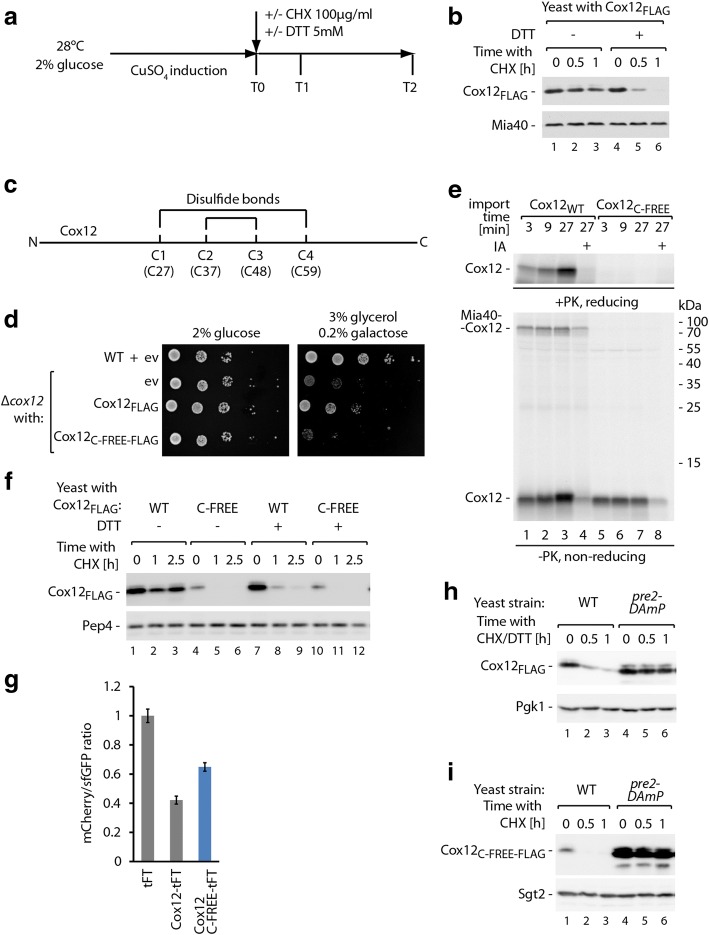
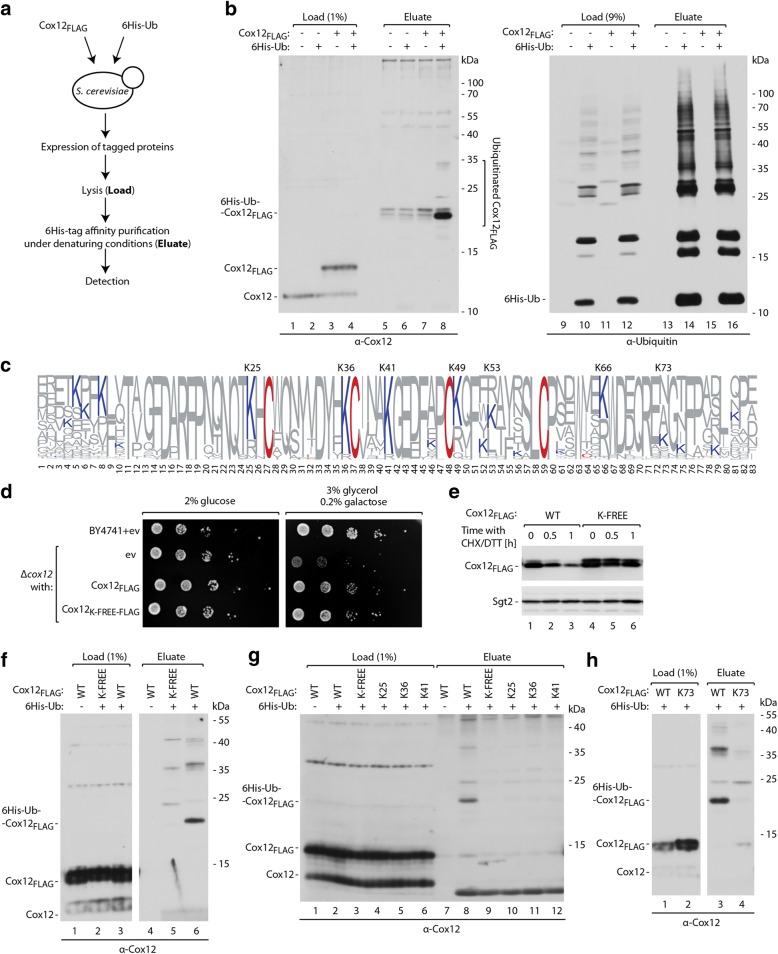
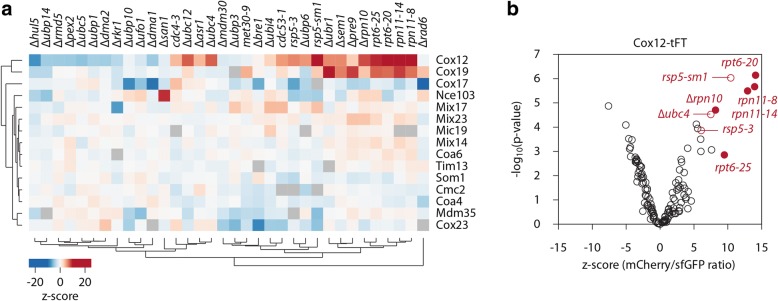
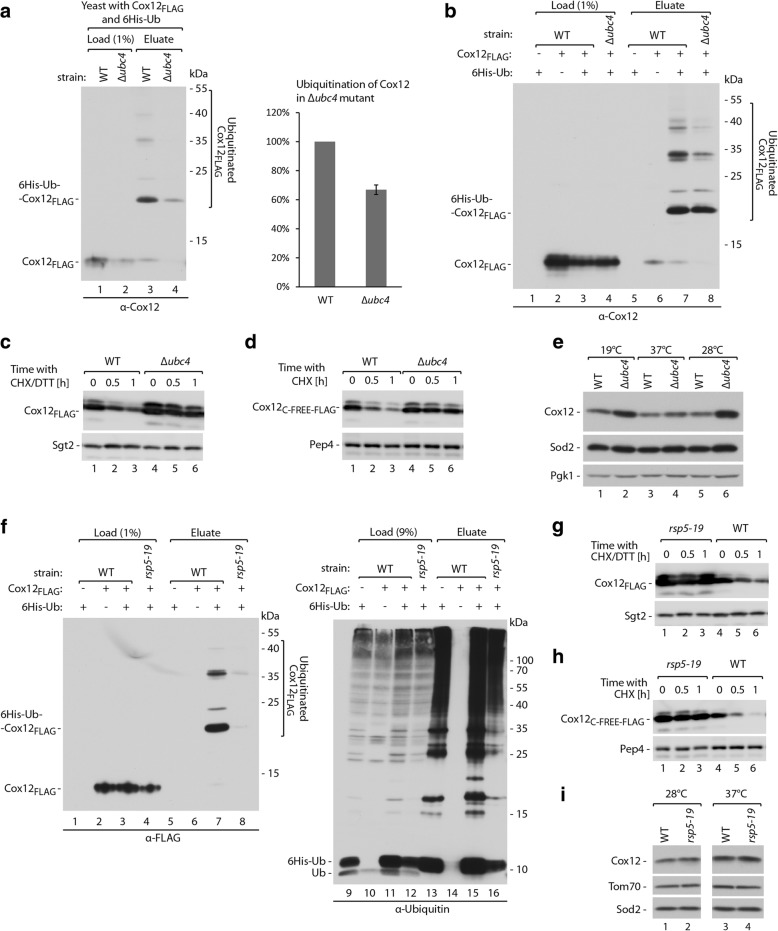
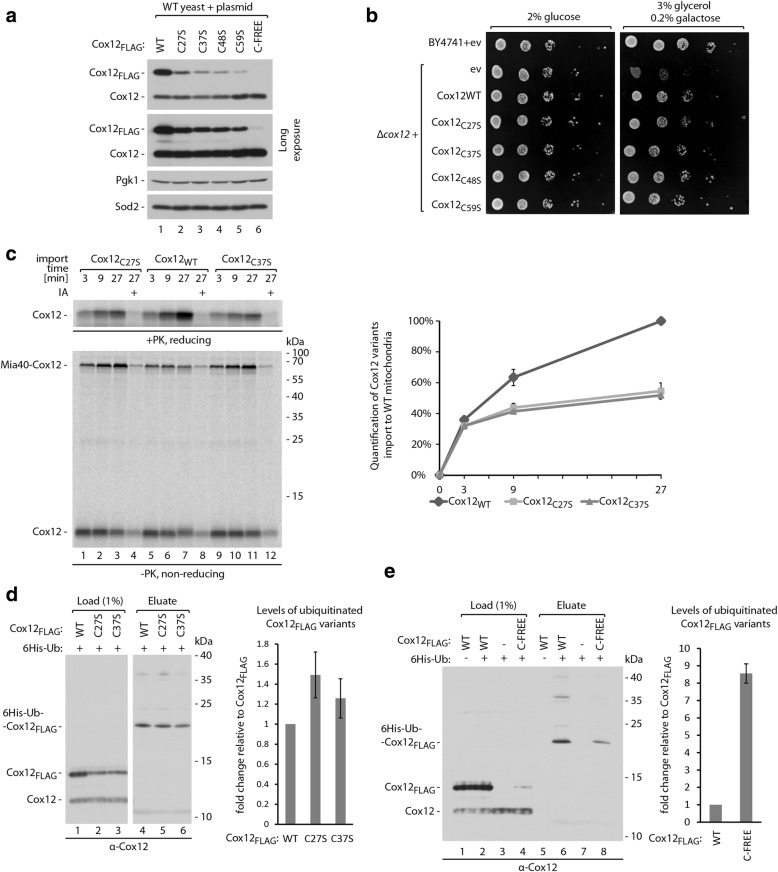
The present study revealed the heterogeneous cytosolic stability of IMS proteins. Using a screening approach, we found that different cytosolic factors are responsible for the degradation of specific IMS proteins, with no single common factor involved in the degradation of all IMS proteins. We found that the Cox12 protein is rapidly degraded when localized to the cytosol, thus providing a sensitive experimental model. Using Cox12, we found that lysine residues but not conserved cysteine residues are among the degron features important for protein ubiquitination. We observed the redundancy of ubiquitination components, with significant roles of Ubc4 E2 ubiquitin-conjugating enzyme and Rsp5 E3 ubiquitin ligase. The amount of ubiquitinated Cox12 was inversely related to mitochondrial import efficiency. Importantly, we found that precursor protein ubiquitination blocks its import into mitochondria.
The present study confirms the involvement of ubiquitin-proteasome system in the quality control of mitochondrial IMS proteins in the cytosol. Notably, ubiquitination of IMS proteins prohibits their import into mitochondria. Therefore, ubiquitination directly affects the availability of precursor proteins for organelle biogenesis. Importantly, despite their structural similarities, IMS proteins are not selected for degradation in a uniform way. Instead, specific IMS proteins rely on discrete components of the ubiquitination machinery to mediate their clearance by the proteasome.
线粒体的蛋白质组主要由在细胞质中作为前体起源的蛋白质组成。在导入细胞器之前,这些蛋白质会受到细胞质质量控制机制的影响。多条证据表明,主要的细胞质蛋白降解机制——泛素-蛋白酶体系统,对线粒体蛋白的质量控制有重要贡献。被定向到线粒体膜间隙(IMS)的蛋白质是受蛋白酶体降解调节的整个一类线粒体蛋白的代表。然而,对于这些蛋白质如何被选择进行降解,我们知之甚少。
本研究揭示了 IMS 蛋白在细胞质中的异质性稳定性。通过一种筛选方法,我们发现不同的细胞质因子负责特定 IMS 蛋白的降解,没有一个单一的共同因子参与所有 IMS 蛋白的降解。我们发现 Cox12 蛋白定位于细胞质时会迅速降解,因此提供了一个敏感的实验模型。使用 Cox12,我们发现赖氨酸残基而不是保守的半胱氨酸残基是蛋白质泛素化的重要降解特征之一。我们观察到泛素化成分的冗余性,其中 Ubc4 E2 泛素连接酶和 Rsp5 E3 泛素连接酶的作用显著。泛素化 Cox12 的量与线粒体导入效率呈负相关。重要的是,我们发现前体蛋白的泛素化会阻止其导入线粒体。
本研究证实了泛素-蛋白酶体系统参与了细胞质中线粒体 IMS 蛋白的质量控制。值得注意的是,IMS 蛋白的泛素化会阻止其导入线粒体。因此,泛素化直接影响前体蛋白对细胞器生物发生的可用性。重要的是,尽管它们在结构上相似,但 IMS 蛋白并不是以统一的方式被选择进行降解。相反,特定的 IMS 蛋白依赖于离散的泛素化机制组件来介导它们被蛋白酶体清除。