Department of Molecular Biology, Max Planck Institute for Infection Biology, Berlin, Germany.
Department of Internal Medicine/Infectious Diseases and Pulmonary Medicine, Charité University Medicine, Berlin, Germany.
EBioMedicine. 2018 Jul;33:230-241. doi: 10.1016/j.ebiom.2018.05.032. Epub 2018 Jun 22.
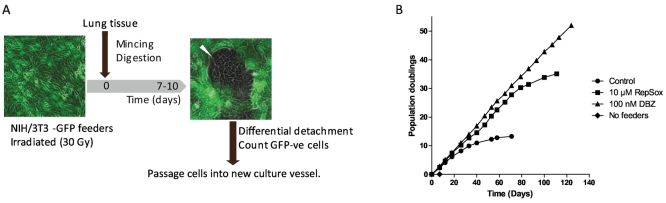
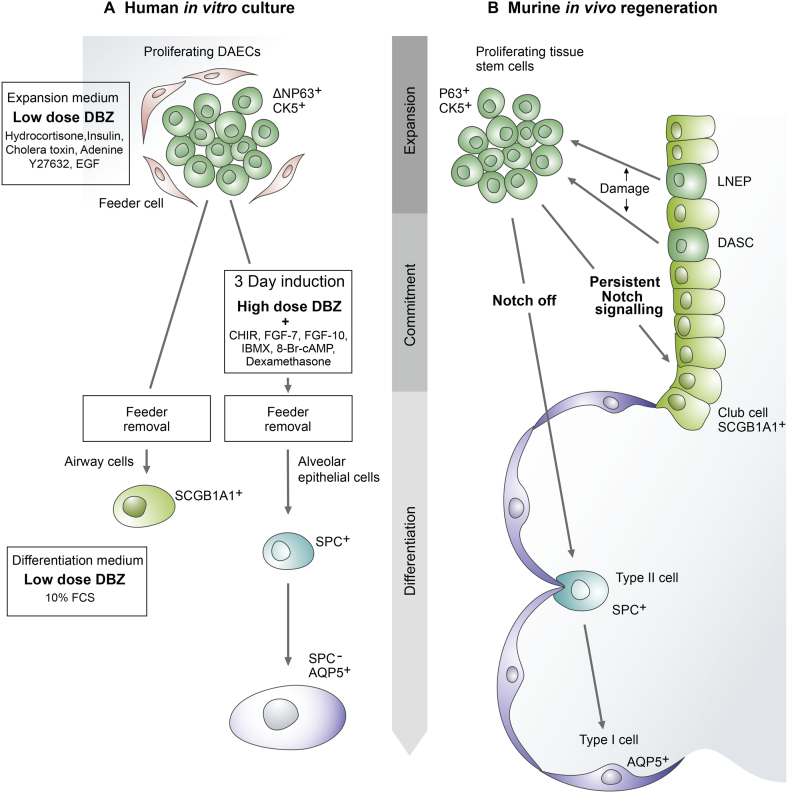
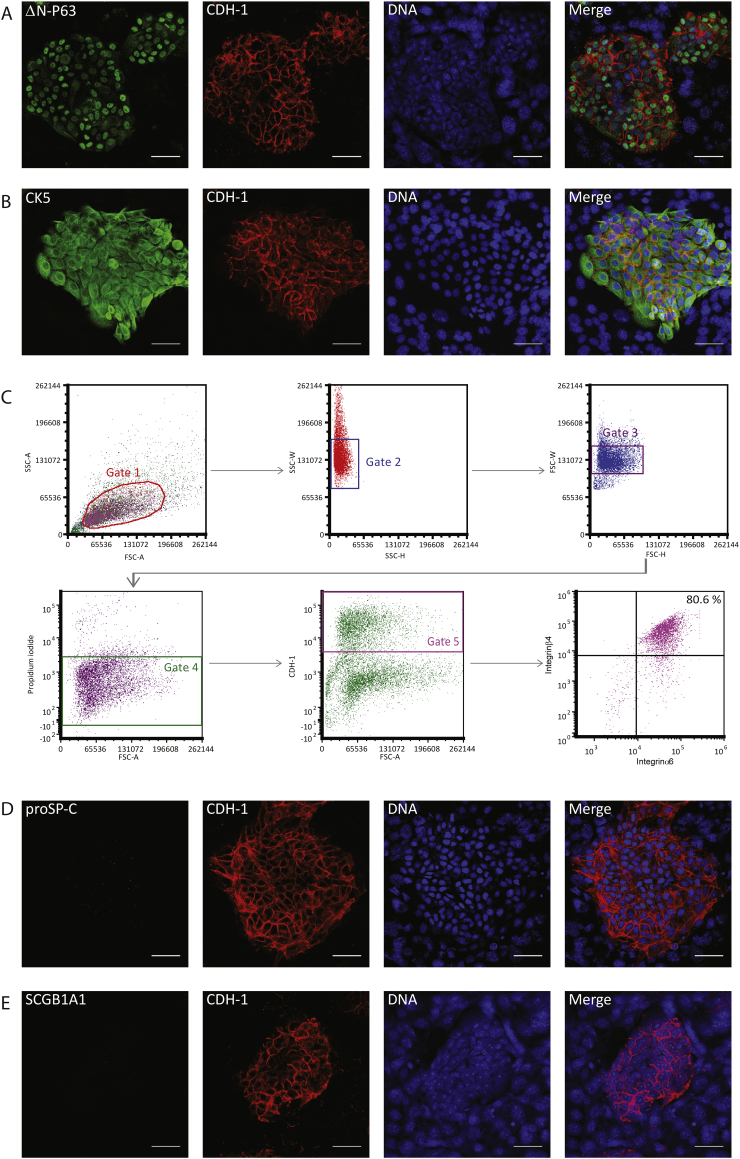
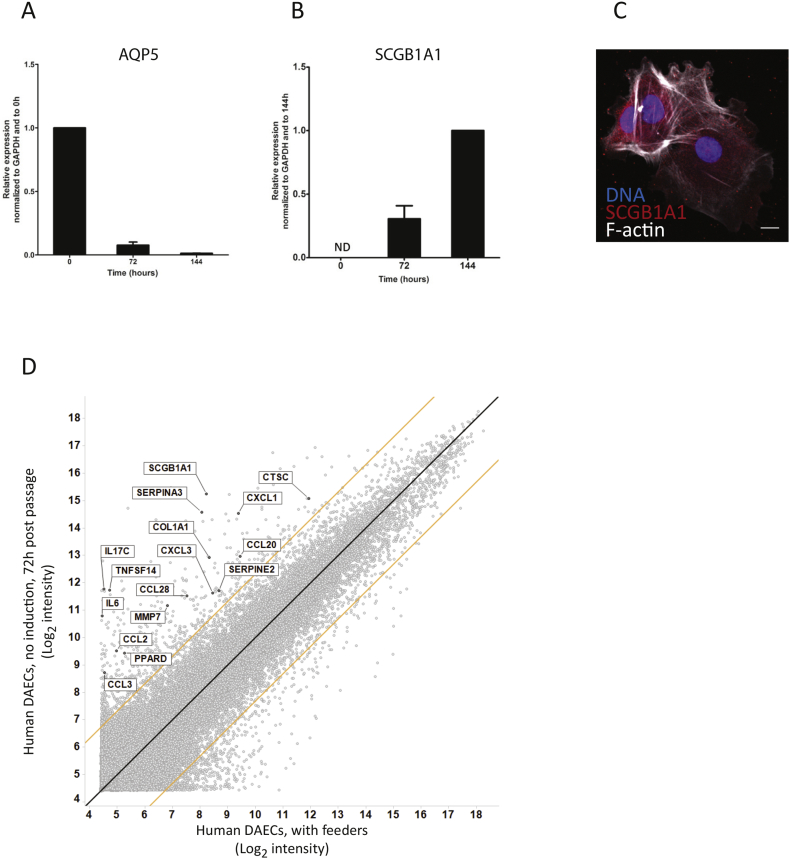
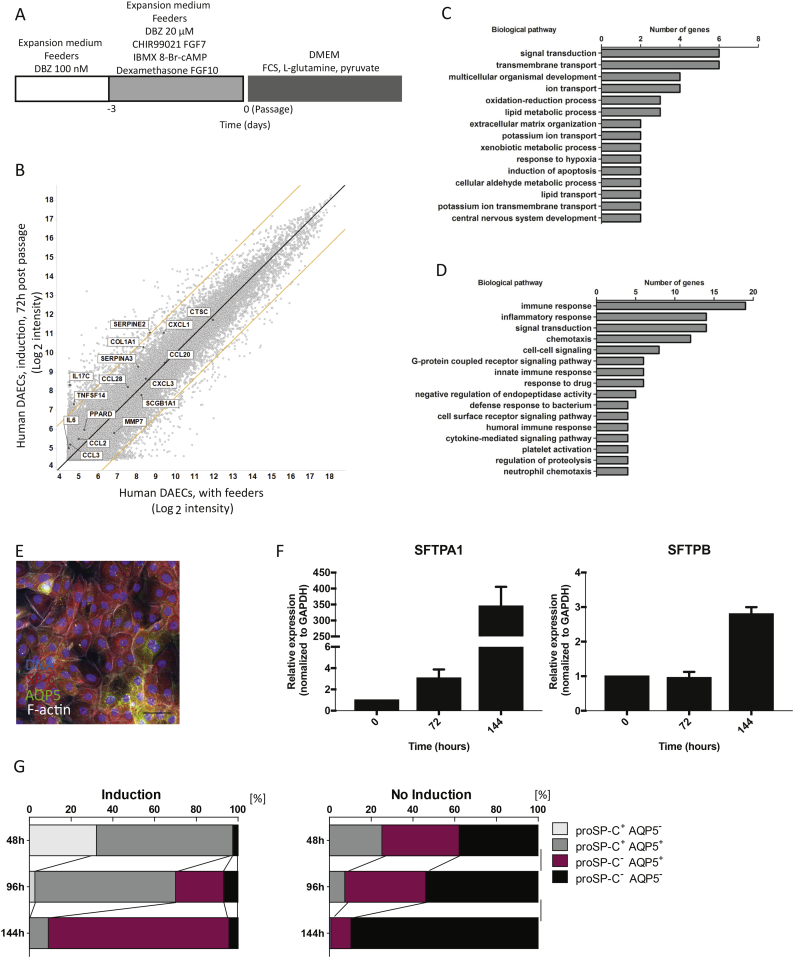
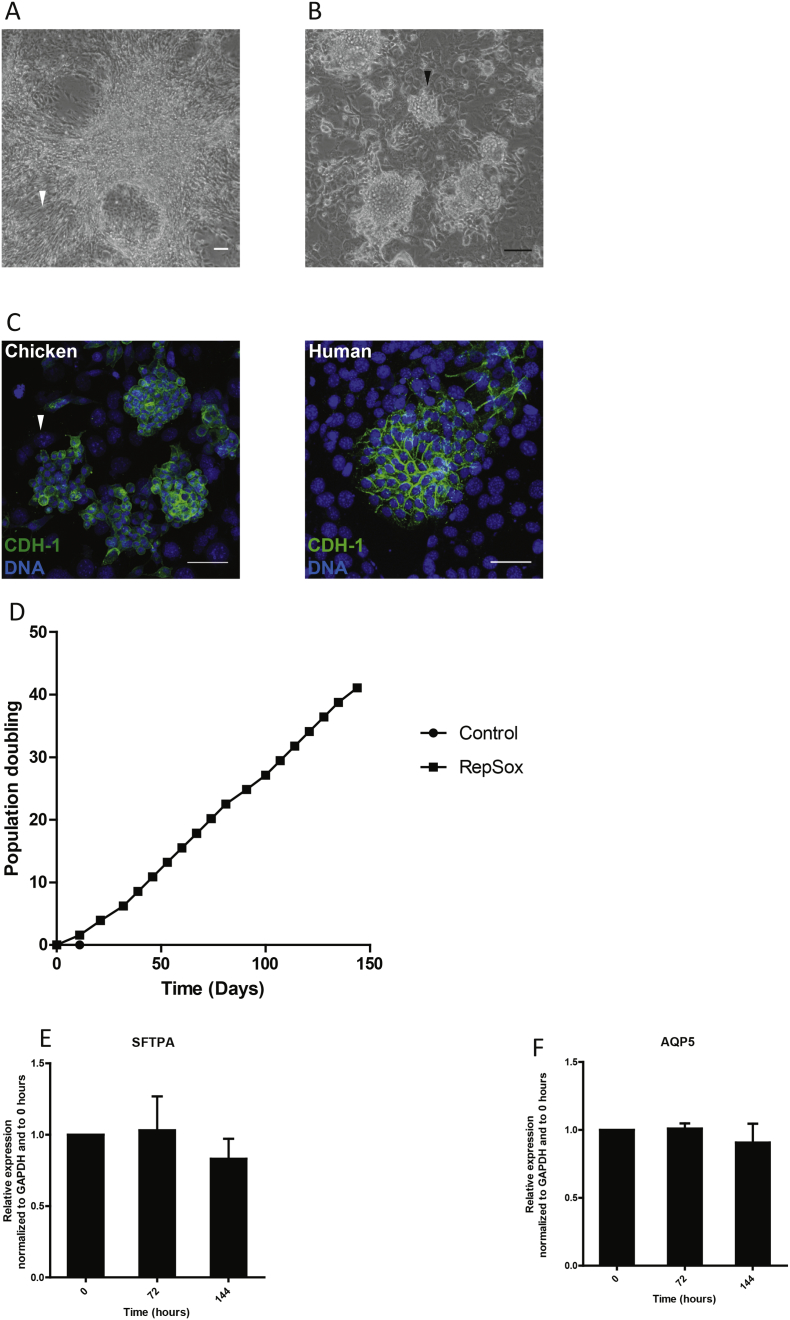
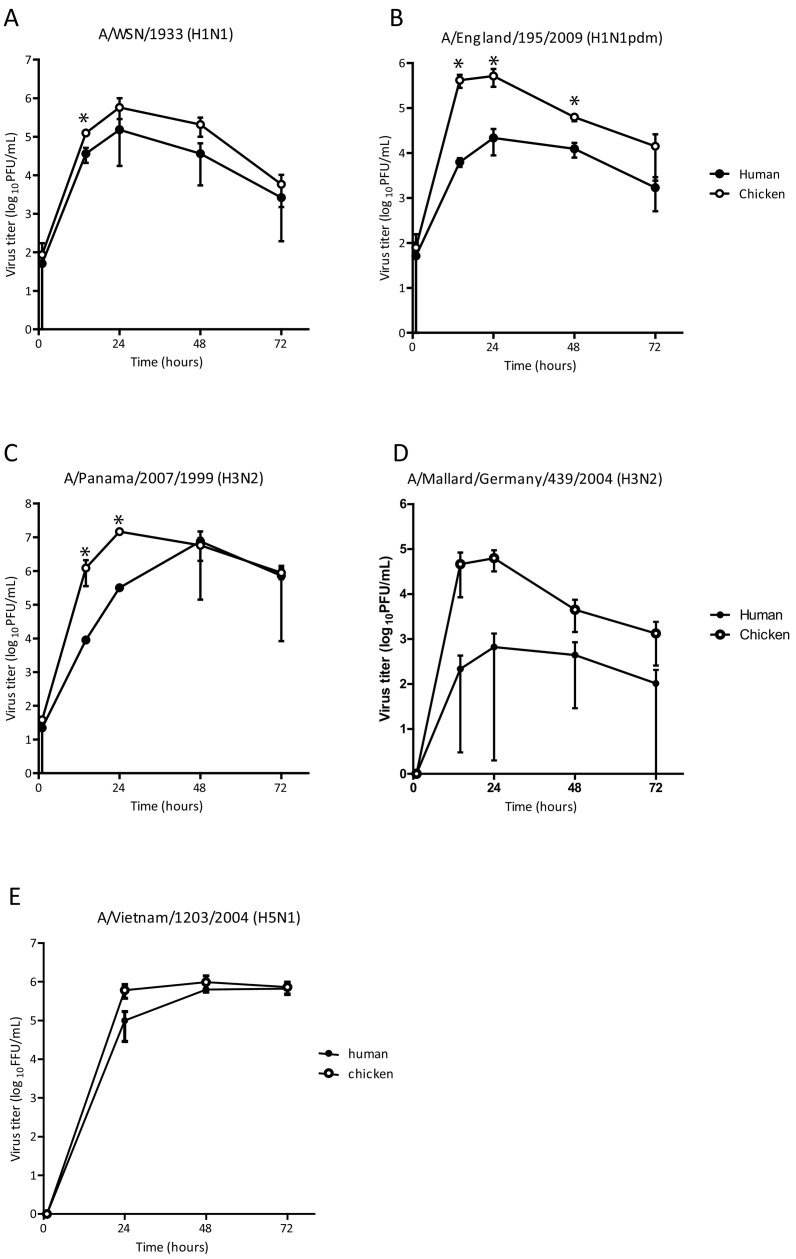
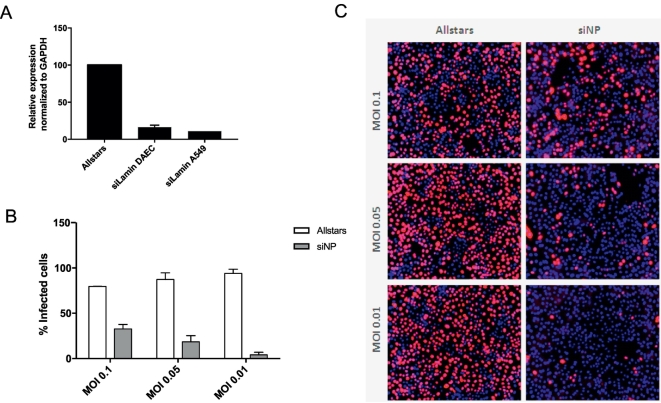
As the target organ for numerous pathogens, the lung epithelium exerts critical functions in health and disease. However, research in this area has been hampered by the quiescence of the alveolar epithelium under standard culture conditions. Here, we used human distal airway epithelial cells (DAECs) to generate alveolar epithelial cells. Long-term, robust growth of human DAECs was achieved using co-culture with feeder cells and supplementation with epidermal growth factor (EGF), Rho-associated protein kinase inhibitor Y27632, and the Notch pathway inhibitor dibenzazepine (DBZ). Removal of feeders and priming with DBZ and a cocktail of lung maturation factors prevented the spontaneous differentiation into airway club cells and instead induced differentiation to alveolar epithelial cells. We successfully transferred this approach to chicken distal airway cells, thus generating a zoonotic infection model that enables studies on influenza A virus replication. These cells are also amenable for gene knockdown using RNAi technology, indicating the suitability of the model for mechanistic studies into lung function and disease.
作为众多病原体的靶器官,肺上皮在健康和疾病中发挥着关键作用。然而,由于肺泡上皮在标准培养条件下处于静止状态,该领域的研究受到了阻碍。在这里,我们使用人远端气道上皮细胞(DAEC)来生成肺泡上皮细胞。通过与饲养细胞共培养并补充表皮生长因子(EGF)、Rho 相关蛋白激酶抑制剂 Y27632 和 Notch 通路抑制剂二苯并氮杂(DBZ),实现了人 DAEC 的长期、稳健生长。去除饲养细胞,并使用 DBZ 和肺成熟因子鸡尾酒进行预培养,可防止自发分化为气道棒状细胞,而是诱导分化为肺泡上皮细胞。我们成功地将这种方法应用于鸡远端气道细胞,从而建立了一个人畜共患感染模型,可用于研究甲型流感病毒的复制。这些细胞还可通过 RNAi 技术进行基因敲低,表明该模型适用于研究肺功能和疾病的机制。