Barthel Stephan, Belton Sophie, Raymond Christopher M, Giusti Matteo
Faculty of Engineering and Sustainable Development, University of Gävle, Gävle, Gävle.
Stockholm Resilience Centre, Stockholm University, Stockholm, Stockholm.
Front Psychol. 2018 Jun 8;9:928. doi: 10.3389/fpsyg.2018.00928. eCollection 2018.
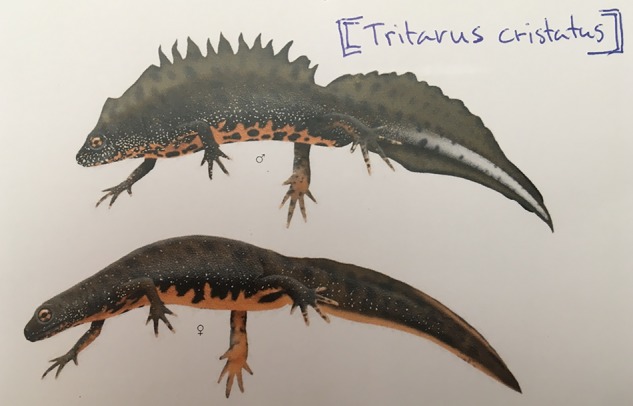
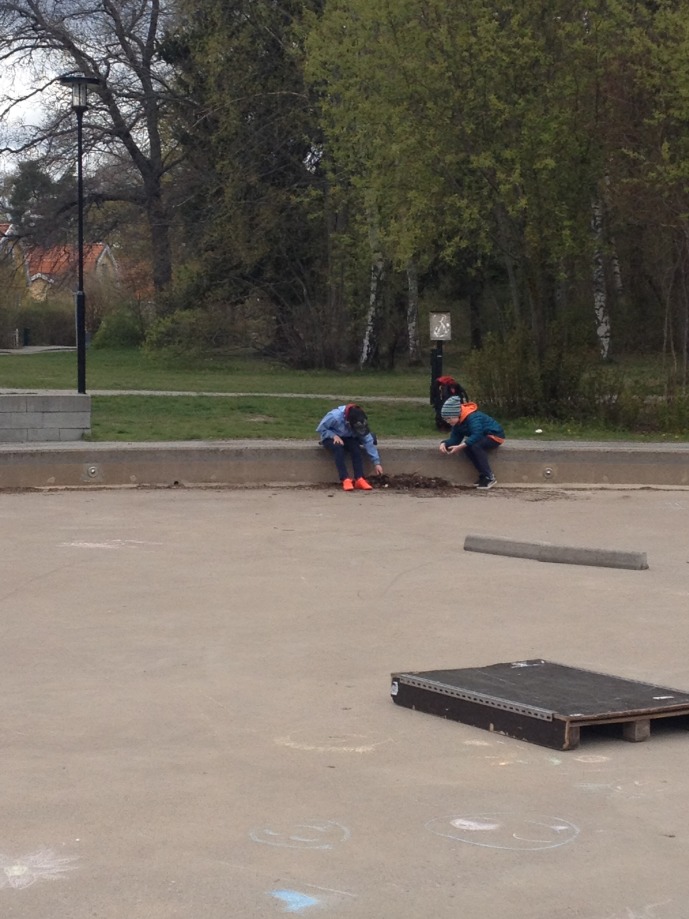
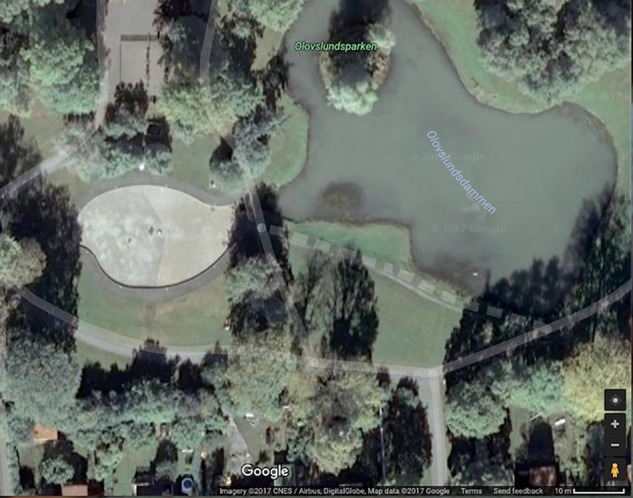
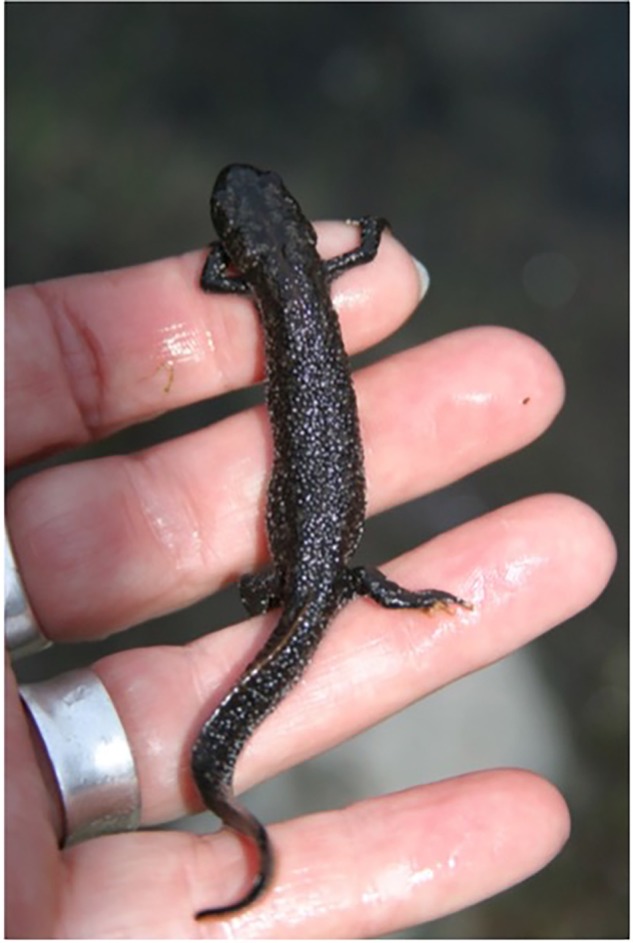
The aim of this paper is to explore how children learn to form new relationships with nature. It draws on a longitudinal case study of children participating in a stewardship project involving the conservation of salamanders during the school day in Stockholm, Sweden. The qualitative method includes two waves of data collection: when a group of 10-year-old children participated in the project (2015) and 2 years after they participated (2017). We conducted 49 interviews with children as well as using participant observations and questionnaires. We found indications that children developed sympathy for salamanders and increased concern and care for nature, and that such relationships persisted 2 years after participation. Our rich qualitative data suggest that whole situations of sufficient unpredictability triggering free exploration of the area, direct sensory contact and significant experiences of interacting with a species were important for children's development of with the salamander species and with nature in an open-ended sense. Saving the lives of trapped animals enabled direct sensory interaction, feedback, increased understanding, and development of new skills for dynamically exploring further ways of saving species in an interactive process experienced as deeply meaningful, enjoyable and connecting. The behavioral setting instilled a sense of pride and commitment, and the high degree of responsibility given to the children while exploring the habitat during authentic situations enriched children's enjoyment. The study has implications for the design of education programs that aim to connect children with nature and for a child-sensitive urban policy that supports authentic nature situations in close spatial proximity to preschools and schools.
本文旨在探讨儿童如何学会与自然建立新的关系。它借鉴了一项纵向案例研究,该研究涉及瑞典斯德哥尔摩一群在学校日参与蝾螈保护管理项目的儿童。定性研究方法包括两轮数据收集:一组10岁儿童参与该项目时(2015年)以及他们参与项目两年后(2017年)。我们对儿童进行了49次访谈,并采用了参与观察和问卷调查。我们发现有迹象表明,儿童对蝾螈产生了同情,并增强了对自然的关注和关爱,而且这种关系在参与项目两年后依然存在。我们丰富的定性数据表明,具有足够不可预测性的整体情境能引发对该区域的自由探索、直接的感官接触以及与一个物种互动的重要体验,这对于儿童与蝾螈物种以及与自然建立开放式的关系发展至关重要。拯救被困动物的生命能实现直接的感官互动、反馈、增进理解,并在一个被体验为极具意义、令人愉悦且相互关联的互动过程中发展新技能,以动态探索拯救物种的更多方式。行为环境灌输了一种自豪感和责任感,在真实情境中探索栖息地时给予儿童的高度责任感丰富了他们的体验。该研究对旨在让儿童与自然建立联系的教育项目设计以及支持在幼儿园和学校附近近距离提供真实自然情境的儿童友好型城市政策具有启示意义。