Origins of Cancer Program, Centenary Institute, University of Sydney, Locked Bag 6, Newtown, NSW, 2042, Australia.
Sydney Medical School, University of Sydney, Sydney, Australia.
BMC Cancer. 2018 Jun 26;18(1):689. doi: 10.1186/s12885-018-4599-8.
Cancer cells require increased levels of nutrients such as amino acids to sustain their rapid growth. In particular, leucine and glutamine have been shown to be important for growth and proliferation of some breast cancers, and therefore targeting the primary cell-surface transporters that mediate their uptake, L-type amino acid transporter 1 (LAT1) and alanine, serine, cysteine-preferring transporter 2 (ASCT2), is a potential therapeutic strategy.
The ASCT2 inhibitor, benzylserine (BenSer), is also able to block LAT1 activity, thus inhibiting both leucine and glutamine uptake. We therefore aimed to investigate the effects of BenSer in breast cancer cell lines to determine whether combined LAT1 and ASCT2 inhibition could inhibit cell growth and proliferation.
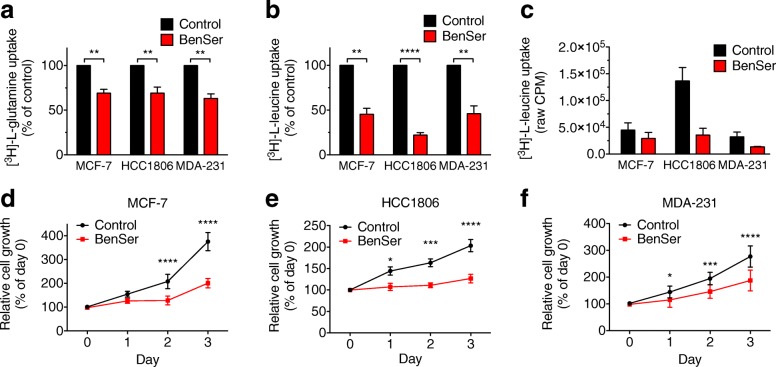
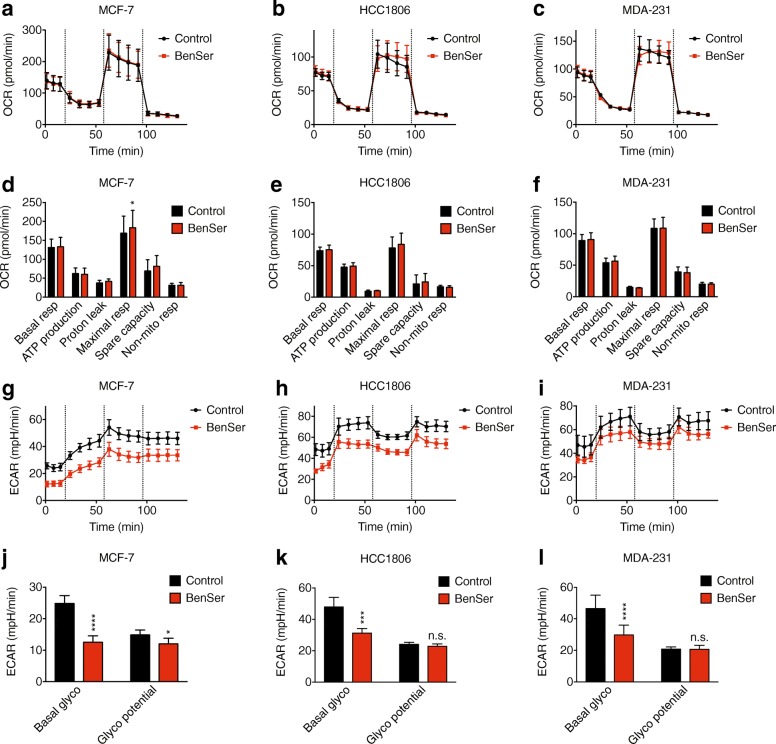
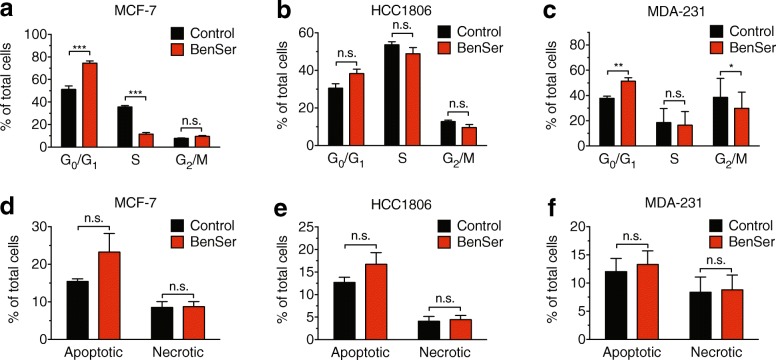
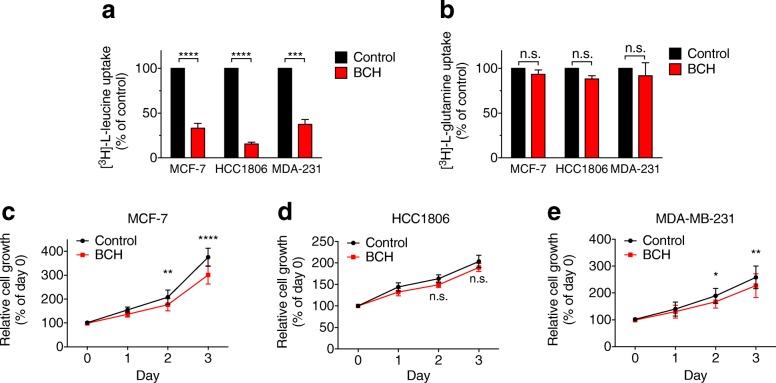
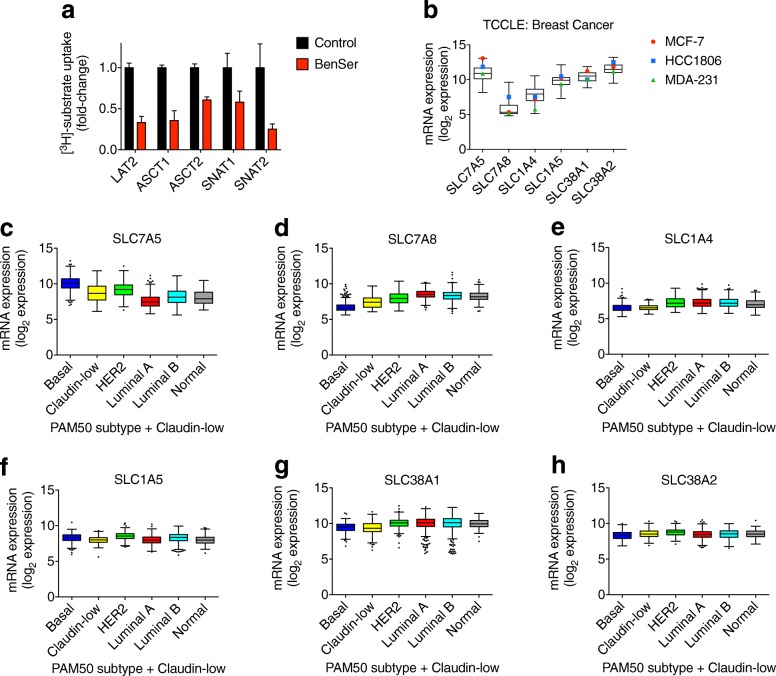
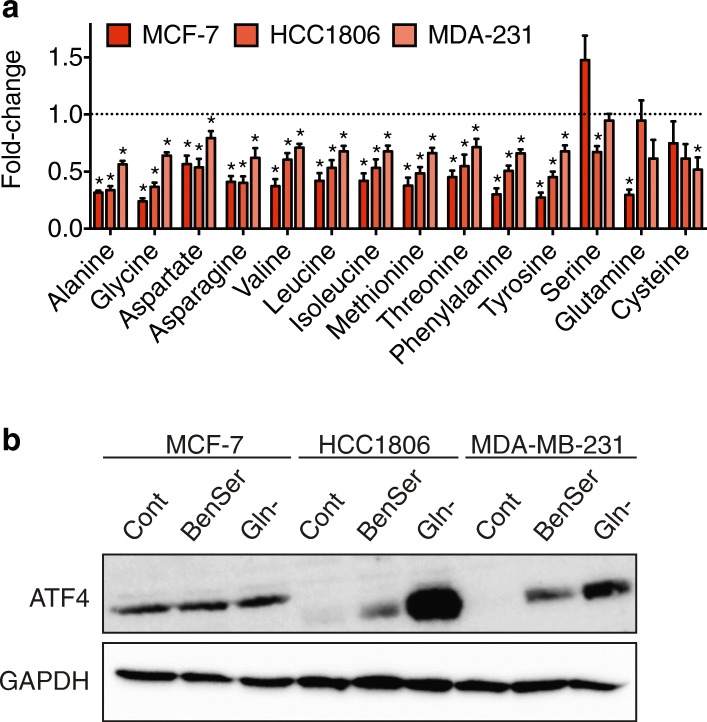
BenSer treatment significantly inhibited both leucine and glutamine uptake in MCF-7, HCC1806 and MDA-MB-231 breast cancer cells, causing decreased cell viability and cell cycle progression. These effects were not primarily leucine-mediated, as BenSer was more cytostatic than the LAT family inhibitor, BCH. Oocyte uptake assays with ectopically expressed amino acid transporters identified four additional targets of BenSer, and gas chromatography-mass spectrometry (GCMS) analysis of intracellular amino acid concentrations revealed that this BenSer-mediated inhibition of amino acid uptake was sufficient to disrupt multiple pathways of amino acid metabolism, causing reduced lactate production and activation of an amino acid response (AAR) through activating transcription factor 4 (ATF4).
Together these data showed that BenSer blockade inhibited breast cancer cell growth and viability through disruption of intracellular amino acid homeostasis and inhibition of downstream metabolic and growth pathways.
癌细胞需要增加营养物质(如氨基酸)的水平来维持其快速生长。特别是亮氨酸和谷氨酰胺已被证明对某些乳腺癌的生长和增殖很重要,因此靶向介导其摄取的主要细胞表面转运蛋白 L 型氨基酸转运蛋白 1(LAT1)和丙氨酸-丝氨酸-半胱氨酸优先转运蛋白 2(ASCT2)是一种潜在的治疗策略。
ASCT2 抑制剂苯丙氨酸(BenSer)也能够阻断 LAT1 活性,从而抑制亮氨酸和谷氨酰胺的摄取。因此,我们旨在研究 BenSer 在乳腺癌细胞系中的作用,以确定联合 LAT1 和 ASCT2 抑制是否可以抑制细胞生长和增殖。
BenSer 处理显着抑制 MCF-7、HCC1806 和 MDA-MB-231 乳腺癌细胞中亮氨酸和谷氨酰胺的摄取,导致细胞活力和细胞周期进程下降。这些作用不是主要由亮氨酸介导的,因为 BenSer 比 LAT 家族抑制剂 BCH 更具细胞停滞作用。用异位表达的氨基酸转运蛋白进行卵母细胞摄取测定鉴定了 BenSer 的另外四个靶标,细胞内氨基酸浓度的气相色谱-质谱(GCMS)分析表明,这种 BenSer 介导的氨基酸摄取抑制足以破坏多种氨基酸代谢途径,导致乳酸生成减少和通过激活转录因子 4(ATF4)激活氨基酸反应(AAR)。
这些数据表明,BenSer 阻断通过破坏细胞内氨基酸稳态和抑制下游代谢和生长途径来抑制乳腺癌细胞的生长和活力。