Kumar Monish, Leekha Ankita, Nandy Suman, Kulkarni Rohan, Martinez-Paniagua Melisa, Rahman Sefat K M Samiur, Willson Richard C, Varadarajan Navin
William A. Brookshire Department of Chemical and Biomolecular Engineering, University of Houston, Houston, TX 77204, USA.
iScience. 2024 Apr 26;27(6):109817. doi: 10.1016/j.isci.2024.109817. eCollection 2024 Jun 21.
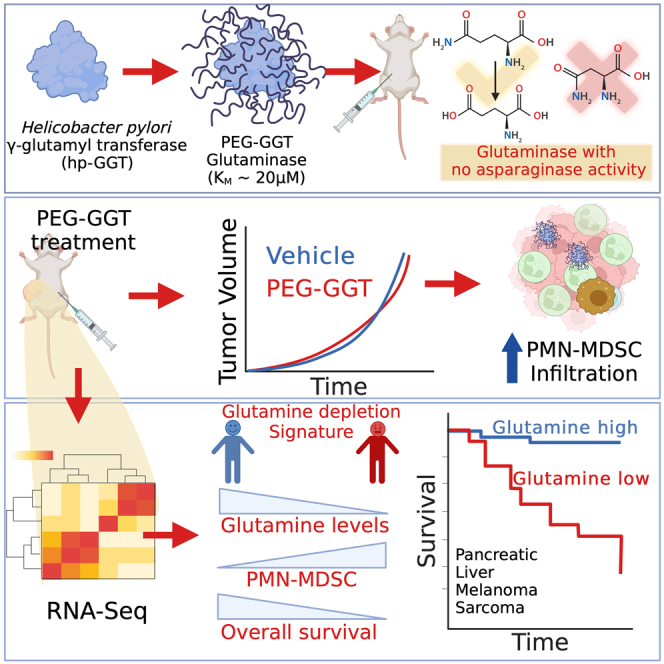
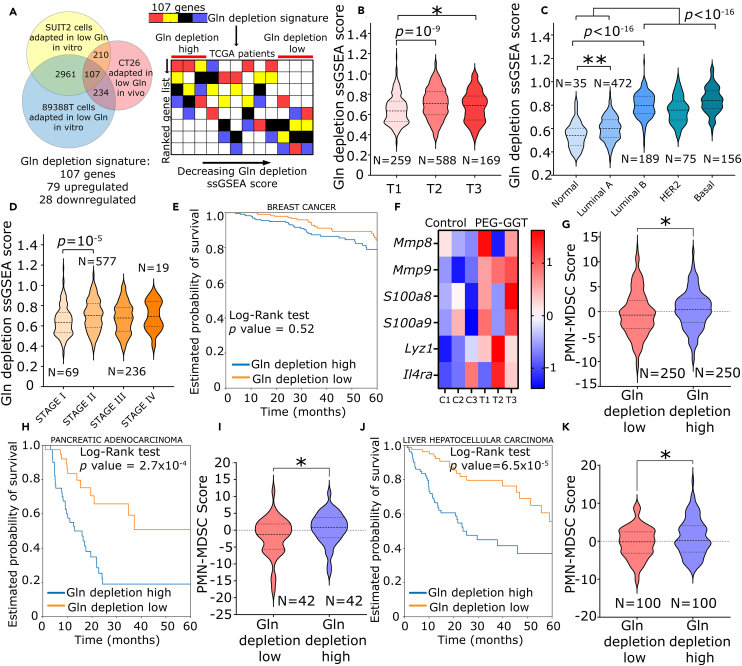
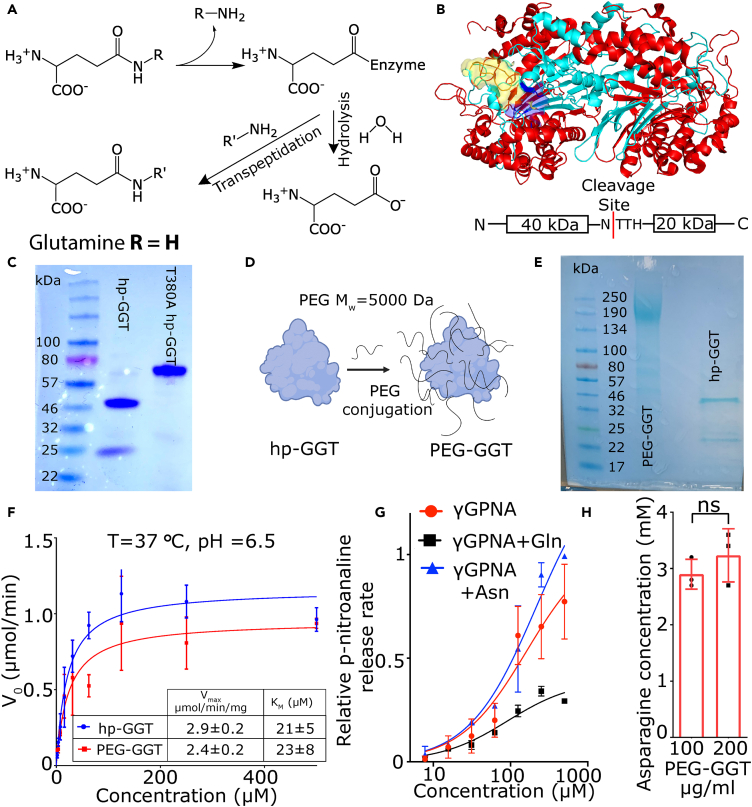
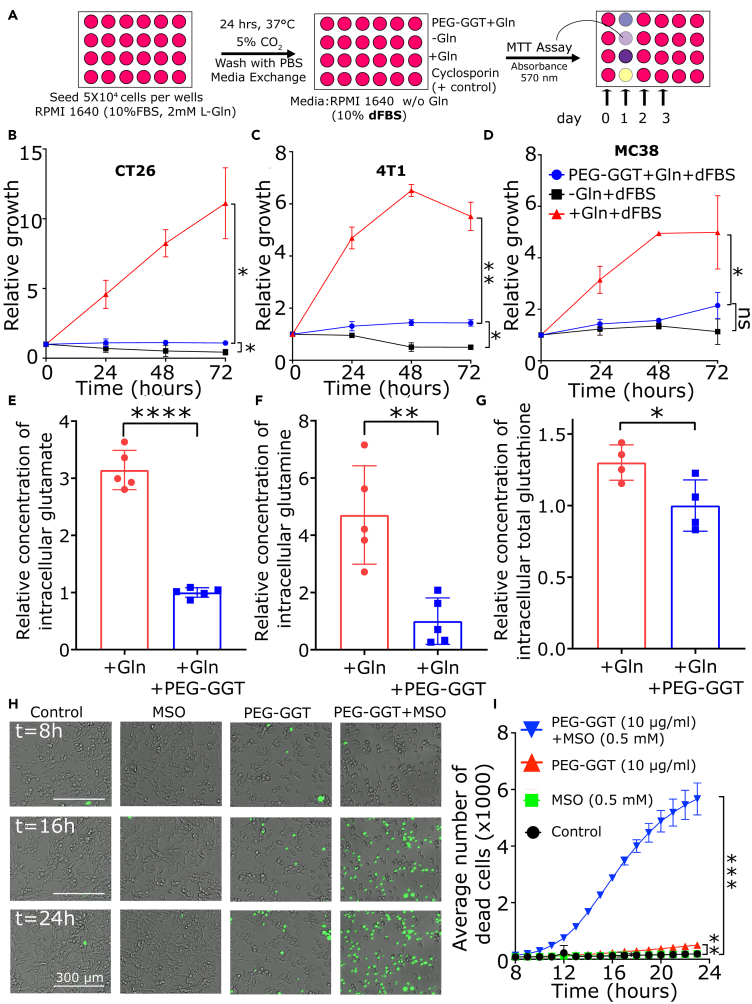
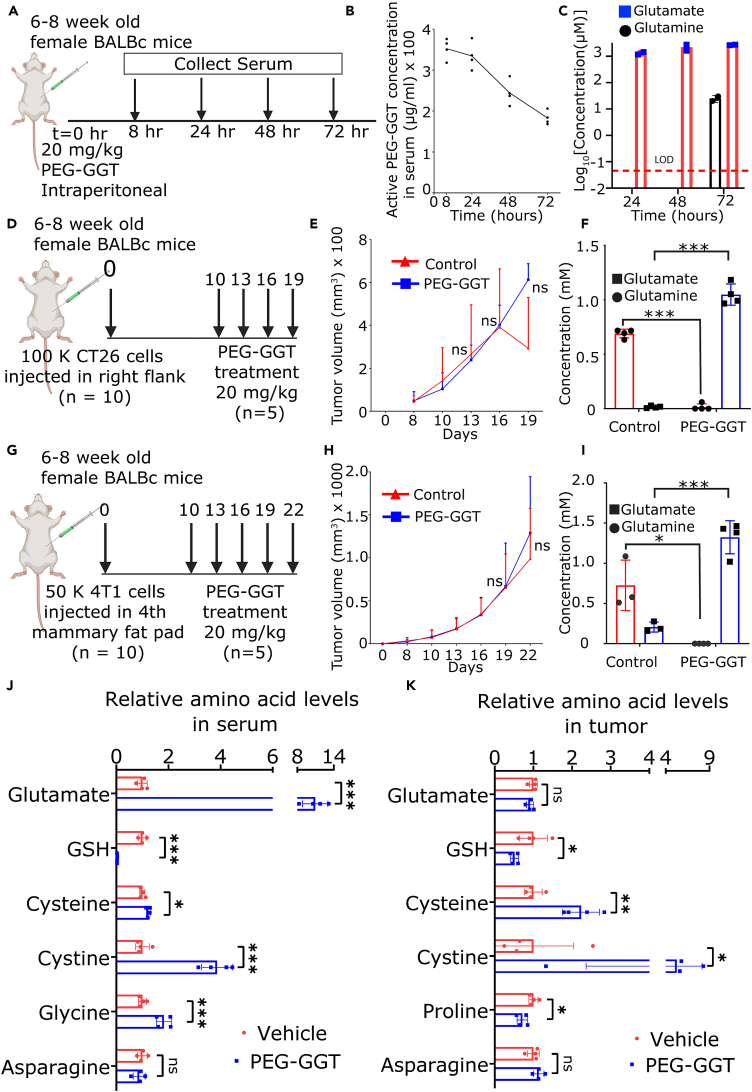
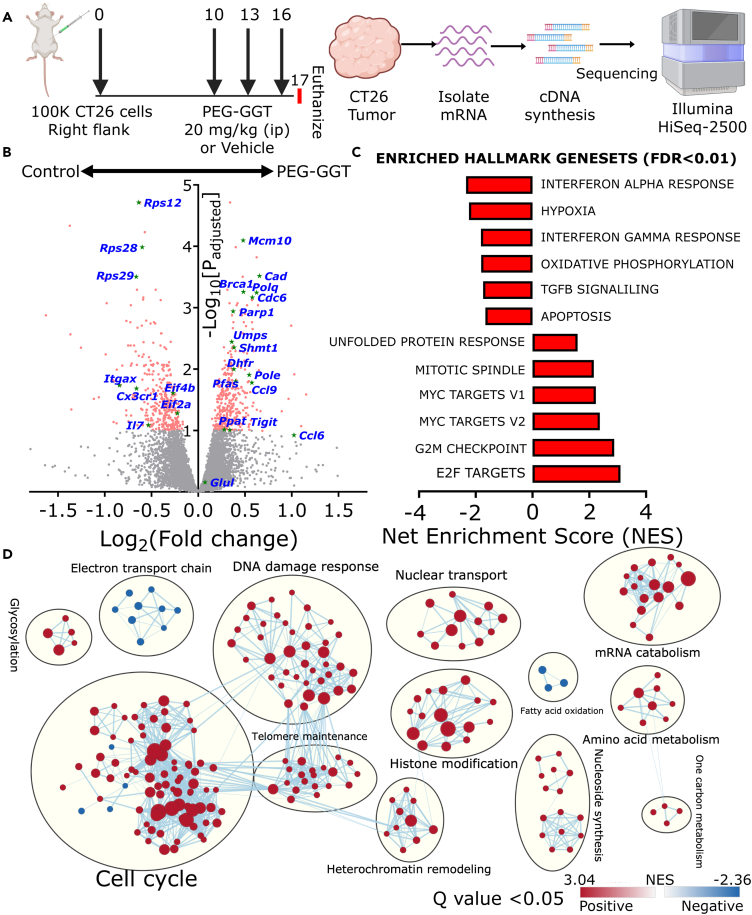
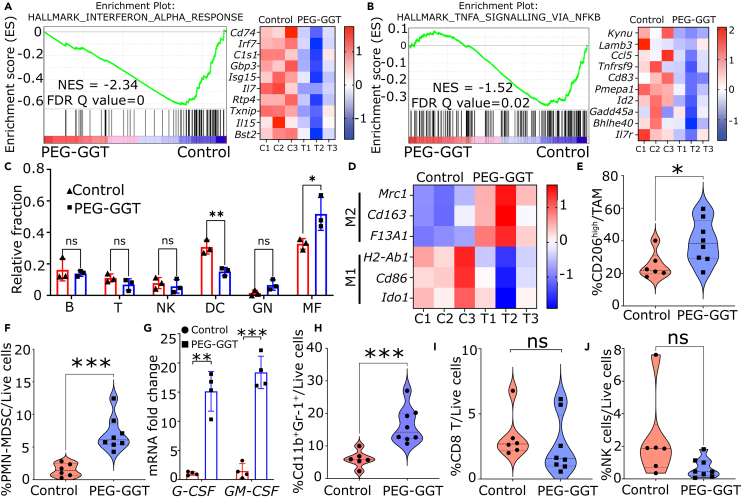
Although glutamine addiction in cancer cells is extensively reported, there is controversy on the impact of glutamine metabolism on the immune cells within the tumor microenvironment (TME). To address the role of extracellular glutamine, we enzymatically depleted circulating glutamine using PEGylated gamma-glutamyl transferase (PEG-GGT) in syngeneic mouse models of breast and colon cancers. PEG-GGT treatment inhibits growth of cancer cells , but it increases myeloid-derived suppressor cells (MDSCs) and has no significant impact on tumor growth. By deriving a glutamine depletion signature, we analyze diverse human cancers within the TCGA and illustrate that glutamine depletion is not associated with favorable clinical outcomes and correlates with accumulation of MDSC. Broadly, our results help clarify the integrated impact of glutamine depletion within the TME and advance PEG-GGT as an enzymatic tool for the systemic and selective depletion (no asparaginase activity) of circulating glutamine in live animals.
尽管癌细胞中谷氨酰胺成瘾现象已有广泛报道,但谷氨酰胺代谢对肿瘤微环境(TME)中免疫细胞的影响仍存在争议。为了研究细胞外谷氨酰胺的作用,我们在同基因乳腺癌和结肠癌小鼠模型中,使用聚乙二醇化γ-谷氨酰转移酶(PEG-GGT)酶促耗尽循环中的谷氨酰胺。PEG-GGT处理可抑制癌细胞生长,但会增加髓系来源的抑制细胞(MDSC),且对肿瘤生长无显著影响。通过推导谷氨酰胺耗竭特征,我们分析了癌症基因组图谱(TCGA)中的多种人类癌症,并表明谷氨酰胺耗竭与良好的临床结果无关,且与MDSC的积累相关。总体而言,我们的研究结果有助于阐明TME中谷氨酰胺耗竭的综合影响,并推动PEG-GGT作为一种酶学工具,用于在活体动物中系统性和选择性地耗尽(无天冬酰胺酶活性)循环中的谷氨酰胺。