Kittl Sonja, Brodard Isabelle, Rychener Lorenz, Jores Jörg, Roosje Petra, Gobeli Brawand Stefanie
Institute of Veterinary Bacteriology, Vetsuisse Faculty, University of Bern, Laenggassstrasse 122, CH-3001, Bern, Switzerland.
Division of Clinical Dermatology, Department of Clinical Veterinary Medicine, Vetsuisse Faculty, University of Bern, Bremgartenstrasse 109a, CH-3001, Bern, Switzerland.
BMC Vet Res. 2018 Jun 25;14(1):200. doi: 10.1186/s12917-018-1526-9.
The role of corynebacteria in canine and feline otitis has not been investigated in detail; however, members of this genus are increasingly recognized as pathogens of otitis in both human and veterinary medicine.
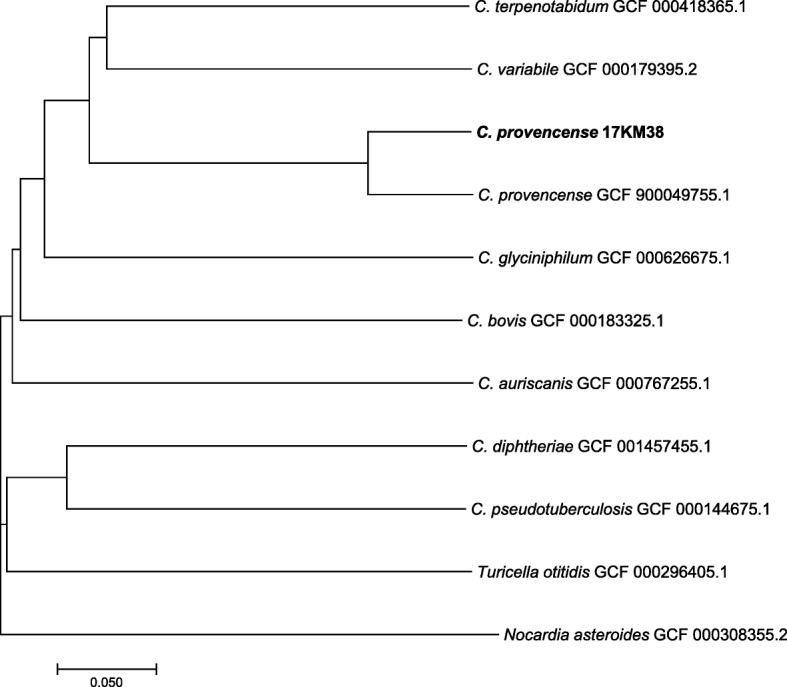
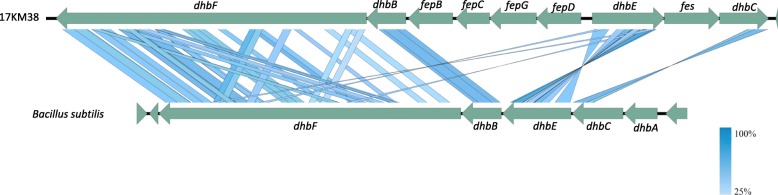
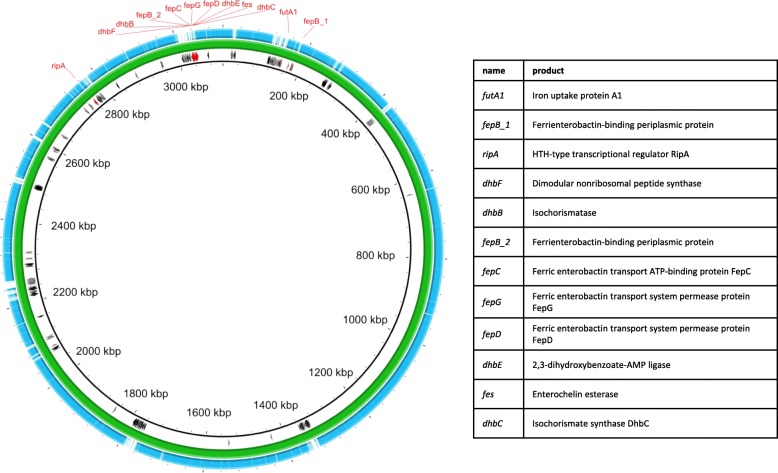
Here we report the first case of feline otitis associated with the recently described species Corynebacterium provencense. A seven-month old cat presented with a head tilt and ataxia was diagnosed with peripheral vestibular syndrome associated with an otitis media/interna. This took place 6 weeks after resection of a polyp, having initially shown a full recovery with topical ofloxacin and glucocorticoid treatment. Bacteriology of an ear swab yielded a pure culture of corynebacteria, which could not be identified at the species level using routine methods. However, the 16S rRNA gene sequence was 100% identical to the recently published novel corynebacterium species, Corynebacterium provencense. Whole genome sequencing of the cat isolate and calculation of average nucleotide identity (99.1%) confirmed this finding. The cat isolate was found to contain additional presumptive iron acquisition genes that are likely to encode virulence factors. Furthermore, the strain tested resistant to clindamycin, penicillin and ciprofloxacin. The cat was subsequently treated with chloramphenicol, which lead to clinical improvement.
Corynebacteria from otitis cases are not routinely identified at the species level and not tested for antimicrobial susceptibility in veterinary laboratories, as they are not considered major pathogens. This may lead to underreporting of this genus or animals being treated with inappropriate antimicrobials since corynebacteria are often resistant to multiple drugs.
棒状杆菌在犬猫中耳炎中的作用尚未得到详细研究;然而,该属成员在人类和兽医学中越来越被认为是中耳炎的病原体。
在此,我们报告首例与最近描述的普罗旺斯棒状杆菌物种相关的猫中耳炎病例。一只7个月大的猫出现头部倾斜和共济失调,被诊断为与中耳/内耳炎相关的外周前庭综合征。这发生在息肉切除术后6周,最初使用局部氧氟沙星和糖皮质激素治疗已完全康复。耳拭子细菌学检查产生了棒状杆菌纯培养物,使用常规方法无法在种水平上鉴定。然而,16S rRNA基因序列与最近发表的新型棒状杆菌物种普罗旺斯棒状杆菌100%相同。对猫分离株进行全基因组测序并计算平均核苷酸同一性(99.1%)证实了这一发现。发现猫分离株含有额外的推测性铁获取基因,这些基因可能编码毒力因子。此外,该菌株对克林霉素、青霉素和环丙沙星耐药。这只猫随后接受氯霉素治疗,临床症状有所改善。
兽医实验室通常不会在种水平上鉴定中耳炎病例中的棒状杆菌,也不会对其进行抗菌药敏试验,因为它们不被视为主要病原体。这可能导致该属的报告不足,或者由于棒状杆菌通常对多种药物耐药,动物接受不适当的抗菌药物治疗。