Laboratoire de Génétique et Physiologie des microalgues, InBioS/Phytosystems, Institut de Botanique, Université de Liège, Liege, Belgium.
Department of Electron Microscopy, Groningen Biological Sciences and Biotechnology Institute, University of Groningen, Groningen, The Netherlands.
Sci Rep. 2018 Jun 26;8(1):9698. doi: 10.1038/s41598-018-28039-z.
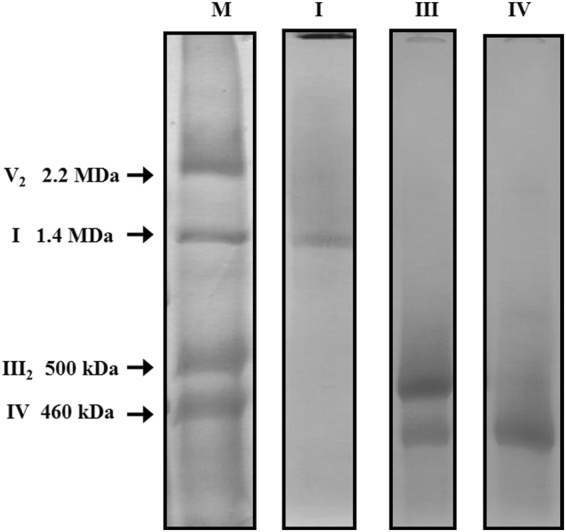
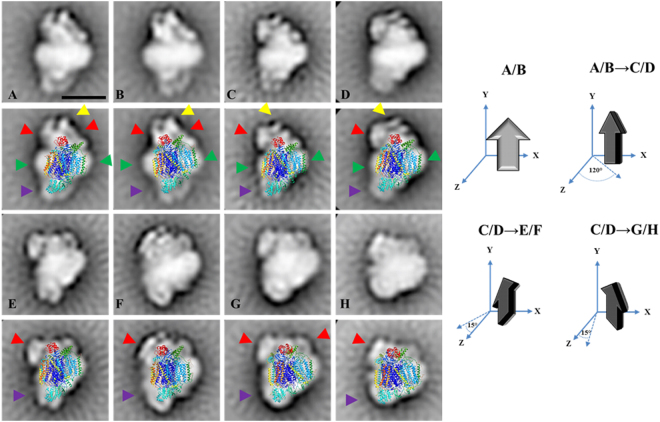
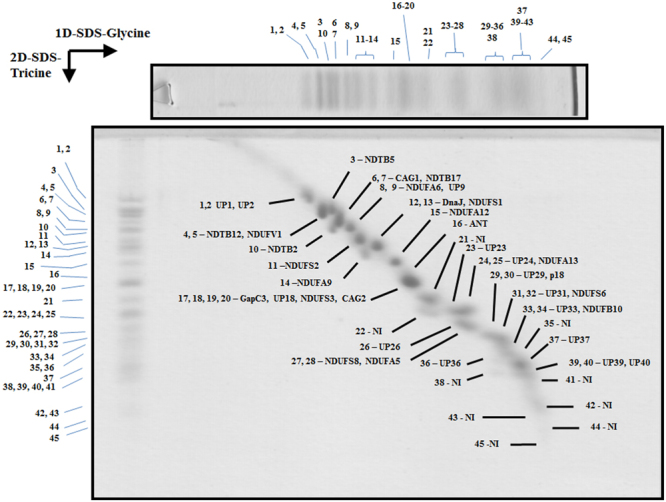
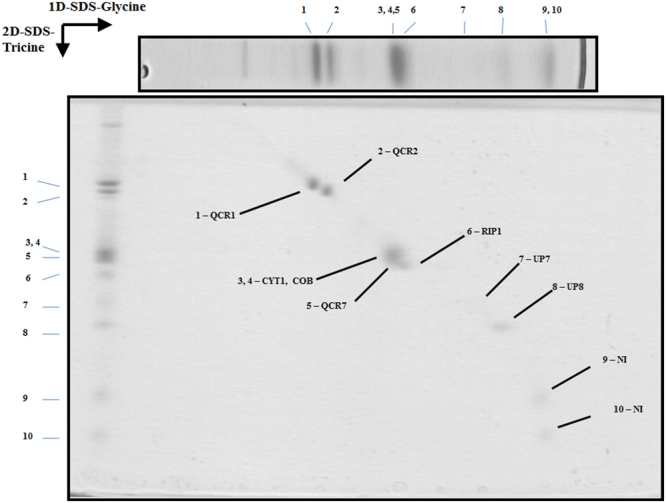
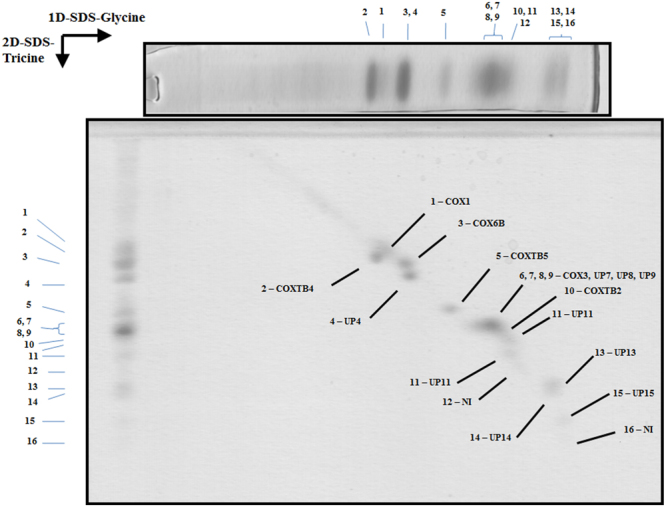
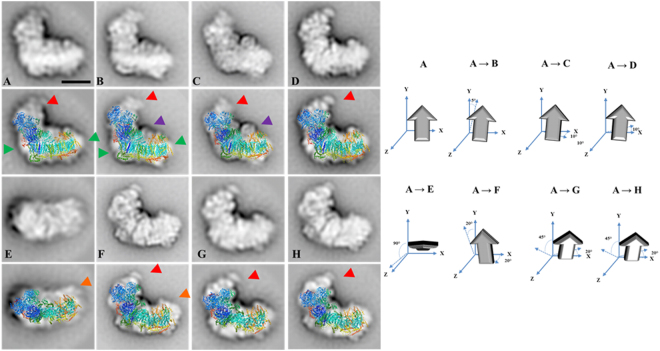
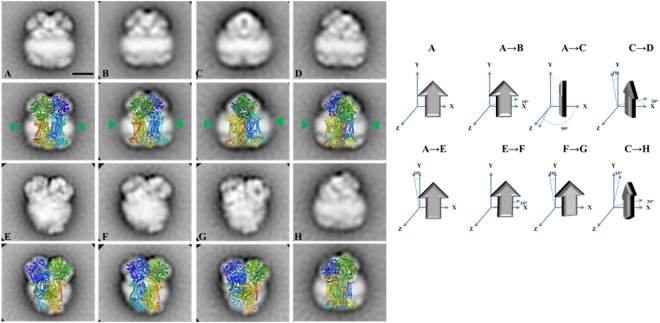
In mitochondrial oxidative phosphorylation, electron transfer from NADH or succinate to oxygen by a series of large protein complexes in the inner mitochondrial membrane (complexes I-IV) is coupled to the generation of an electrochemical proton gradient, the energy of which is utilized by complex V to generate ATP. In Euglena gracilis, a non-parasitic secondary green alga related to trypanosomes, these respiratory complexes totalize more than 40 Euglenozoa-specific subunits along with about 50 classical subunits described in other eukaryotes. In the present study the Euglena proton-pumping complexes I, III, and IV were purified from isolated mitochondria by a two-steps liquid chromatography approach. Their atypical subunit composition was further resolved and confirmed using a three-steps PAGE analysis coupled to mass spectrometry identification of peptides. The purified complexes were also observed by electron microscopy followed by single-particle analysis. Even if the overall structures of the three oxidases are similar to the structure of canonical enzymes (e.g. from mammals), additional atypical domains were observed in complexes I and IV: an extra domain located at the tip of the peripheral arm of complex I and a "helmet-like" domain on the top of the cytochrome c binding region in complex IV.
在线粒体氧化磷酸化过程中,一系列位于线粒体内膜上的大型蛋白复合物(复合物 I-IV)将 NADH 或琥珀酸中的电子转移到氧气,同时产生电化学质子梯度,该梯度的能量被复合物 V 利用来生成 ATP。在与原生动物亲缘关系密切的非寄生性次生绿藻眼虫(Euglena gracilis)中,这些呼吸复合物除了包含约 50 个在其他真核生物中描述的经典亚基外,还总计包含超过 40 个眼虫类特有的亚基。在本研究中,通过两步液相色谱法从分离的线粒体中纯化了眼虫的质子泵复合物 I、III 和 IV。使用三步 PAGE 分析结合肽的质谱鉴定,进一步解析和证实了它们非典型的亚基组成。还通过电子显微镜观察和单颗粒分析观察到了纯化的复合物。尽管这三种氧化酶的整体结构与典型酶(例如哺乳动物)的结构相似,但在复合物 I 和 IV 中观察到了额外的非典型结构域:复合物 I 外周臂尖端的额外结构域和复合物 IV 细胞色素 c 结合区域顶部的“头盔状”结构域。