1 Institute of Human Genetics, Polish Academy of Sciences, Strzeszynska, Poznan, Poland.
2 Department of Orthopaedics and Traumatology, W. Dega University Hospital, Poznan University of Medical Sciences, Poznan, Poland.
Cell Transplant. 2018 Jul;27(7):1047-1067. doi: 10.1177/0963689718779346. Epub 2018 Jun 27.
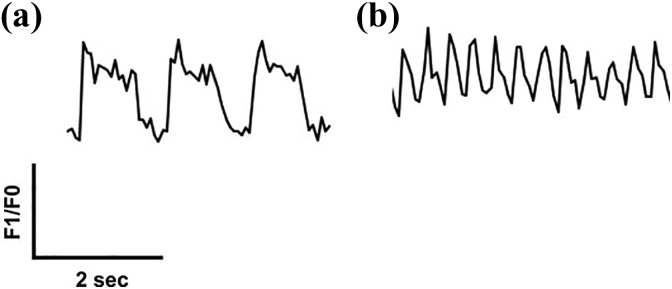
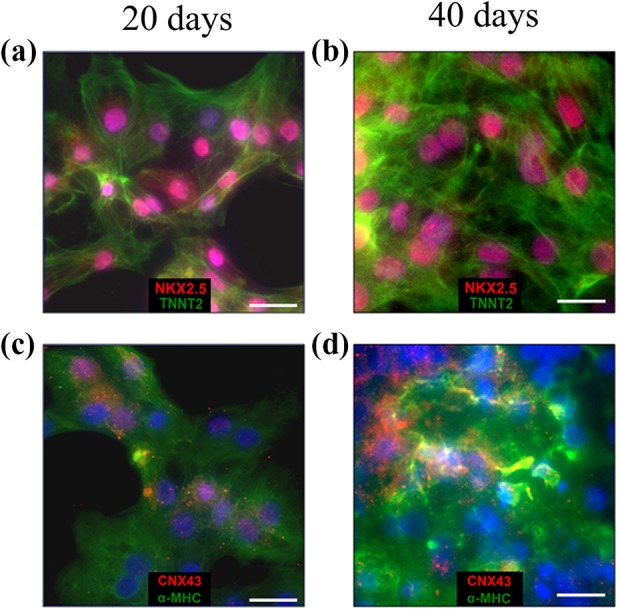
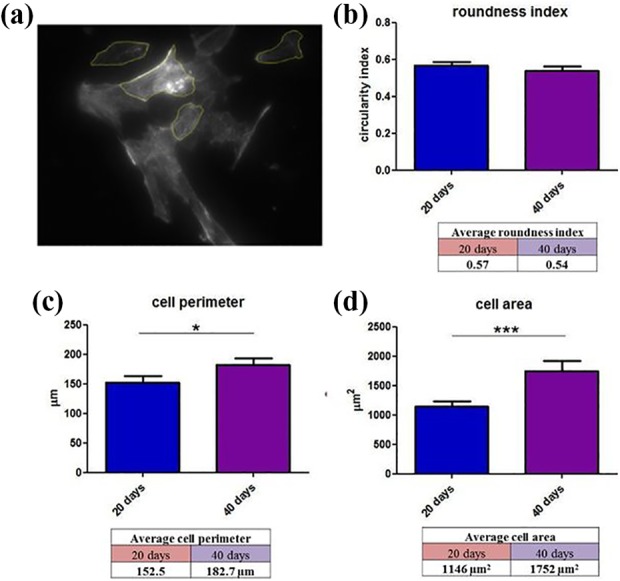
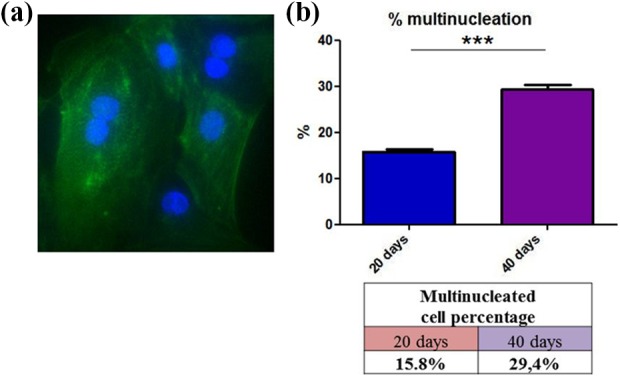
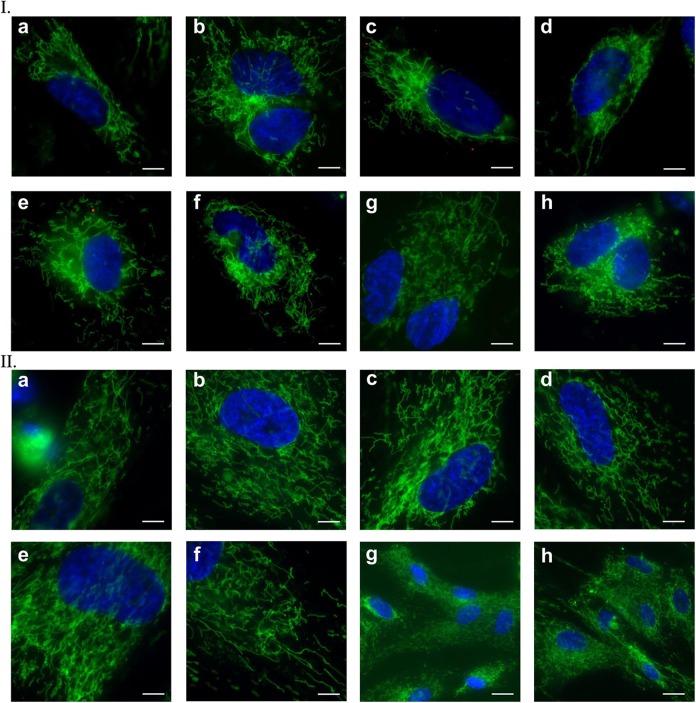
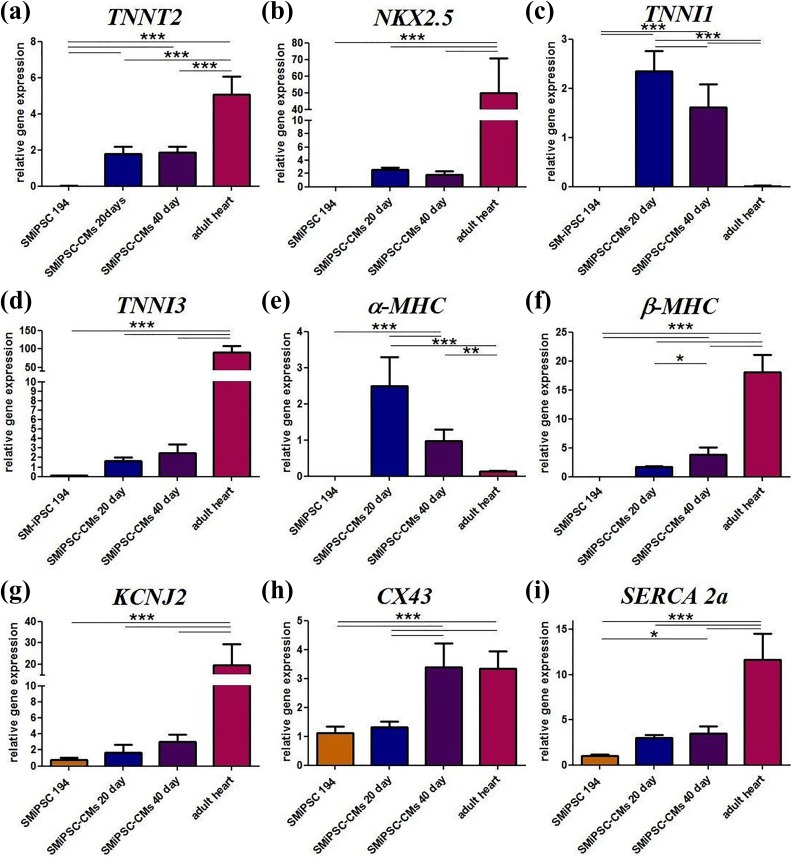
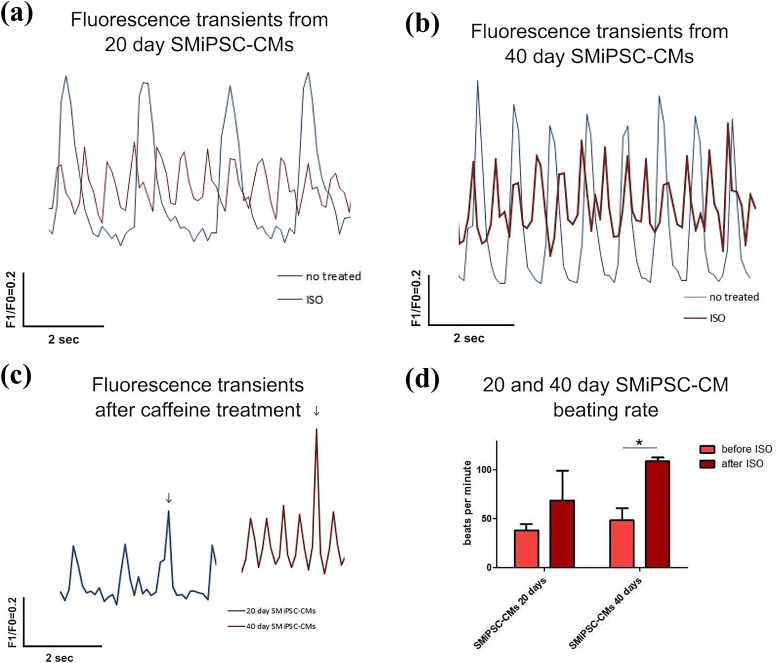
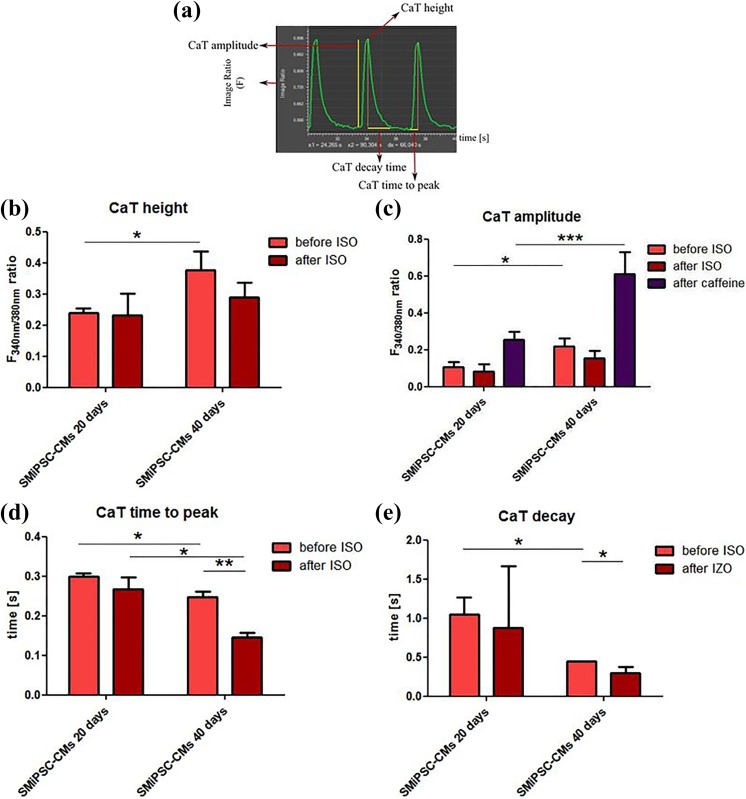
Ischemic heart disease, also known as coronary artery disease (CAD), poses a challenge for regenerative medicine. iPSC technology might lead to a breakthrough due to the possibility of directed cell differentiation delivering a new powerful source of human autologous cardiomyocytes. One of the factors supporting proper cell maturation is in vitro culture duration. In this study, primary human skeletal muscle myoblasts were selected as a myogenic cell type reservoir for genetic iPSC reprogramming. Skeletal muscle myoblasts have similar ontogeny embryogenetic pathways (myoblasts vs. cardiomyocytes), and thus, a greater chance of myocardial development might be expected, with maintenance of acquired myogenic cardiac cell characteristics, from the differentiation process when iPSCs of myoblastoid origin are obtained. Analyses of cell morphological and structural changes, gene expression (cardiac markers), and functional tests (intracellular calcium transients) performed at two in vitro culture time points spanning the early stages of cardiac development (day 20 versus 40 of cell in vitro culture) confirmed the ability of the obtained myogenic cells to acquire adult features of differentiated cardiomyocytes. Prolonged 40-day iPSC-derived cardiomyocytes (iPSC-CMs) revealed progressive cellular hypertrophy; a better-developed contractile apparatus; expression of marker genes similar to human myocardial ventricular cells, including a statistically significant CX43 increase, an MHC isoform switch, and a troponin I isoform transition; more efficient intercellular calcium handling; and a stronger response to β-adrenergic stimulation.
缺血性心脏病,又称冠心病,对再生医学提出了挑战。由于定向细胞分化有可能提供新的强大的人类自体心肌细胞来源,iPSC 技术可能会带来突破。支持适当细胞成熟的因素之一是体外培养时间。在这项研究中,选择原代人骨骼肌成肌细胞作为基因 iPSC 重编程的成肌细胞类型储备。骨骼肌成肌细胞具有相似的胚胎发生途径(成肌细胞与心肌细胞),因此,当获得源自成肌细胞源性 iPSC 的心肌细胞时,从分化过程中获得的心肌发育的可能性更大,并且保持获得的成肌性心肌细胞特征。在体外培养的早期阶段(细胞体外培养的第 20 天与第 40 天)进行细胞形态和结构变化、基因表达(心脏标志物)和功能测试(细胞内钙瞬变)的分析,证实了获得的成肌细胞获得分化的成肌细胞的成人特征的能力。延长的 40 天 iPSC 衍生的心肌细胞(iPSC-CMs)显示出进行性细胞肥大;更发达的收缩装置;表达与人类心肌心室细胞相似的标记基因,包括统计学上显著增加的 CX43、MHC 同工型转换和肌钙蛋白 I 同工型转换;更有效的细胞间钙处理;以及对β-肾上腺素刺激的更强反应。