a Department of Neuroscience , Mayo Clinic , Jacksonville , FL , USA.
b Mayo Clinic College of Medicine and Science , Mayo Clinic Graduate School of Biomedical Sciences , Jacksonville , FL , USA.
Autophagy. 2018;14(8):1404-1418. doi: 10.1080/15548627.2018.1461294. Epub 2018 Jul 28.
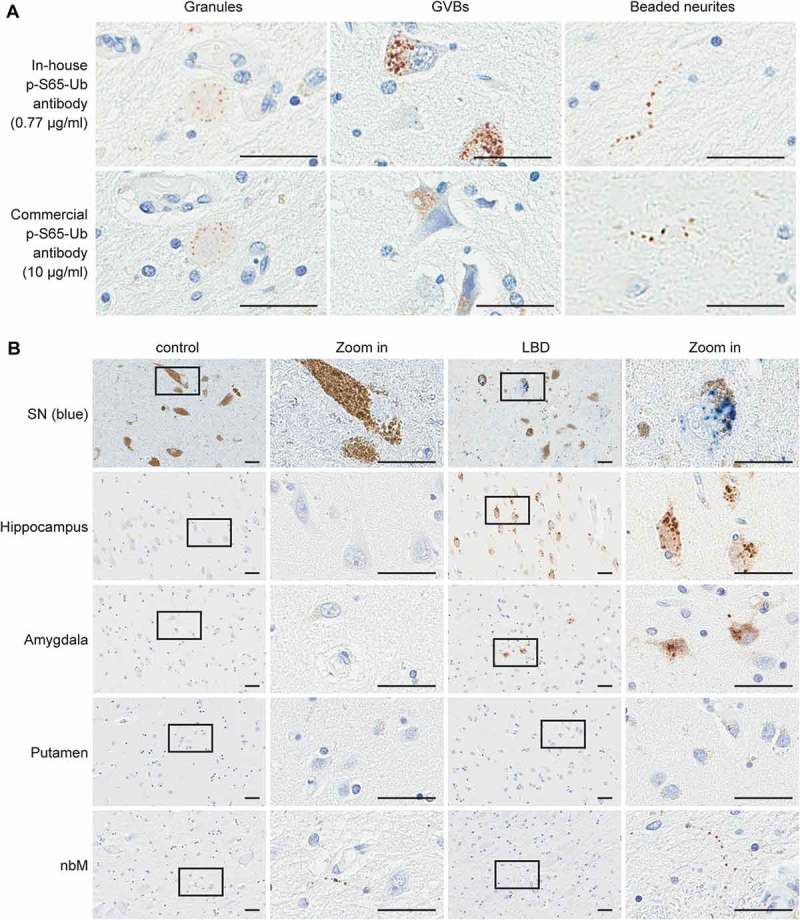
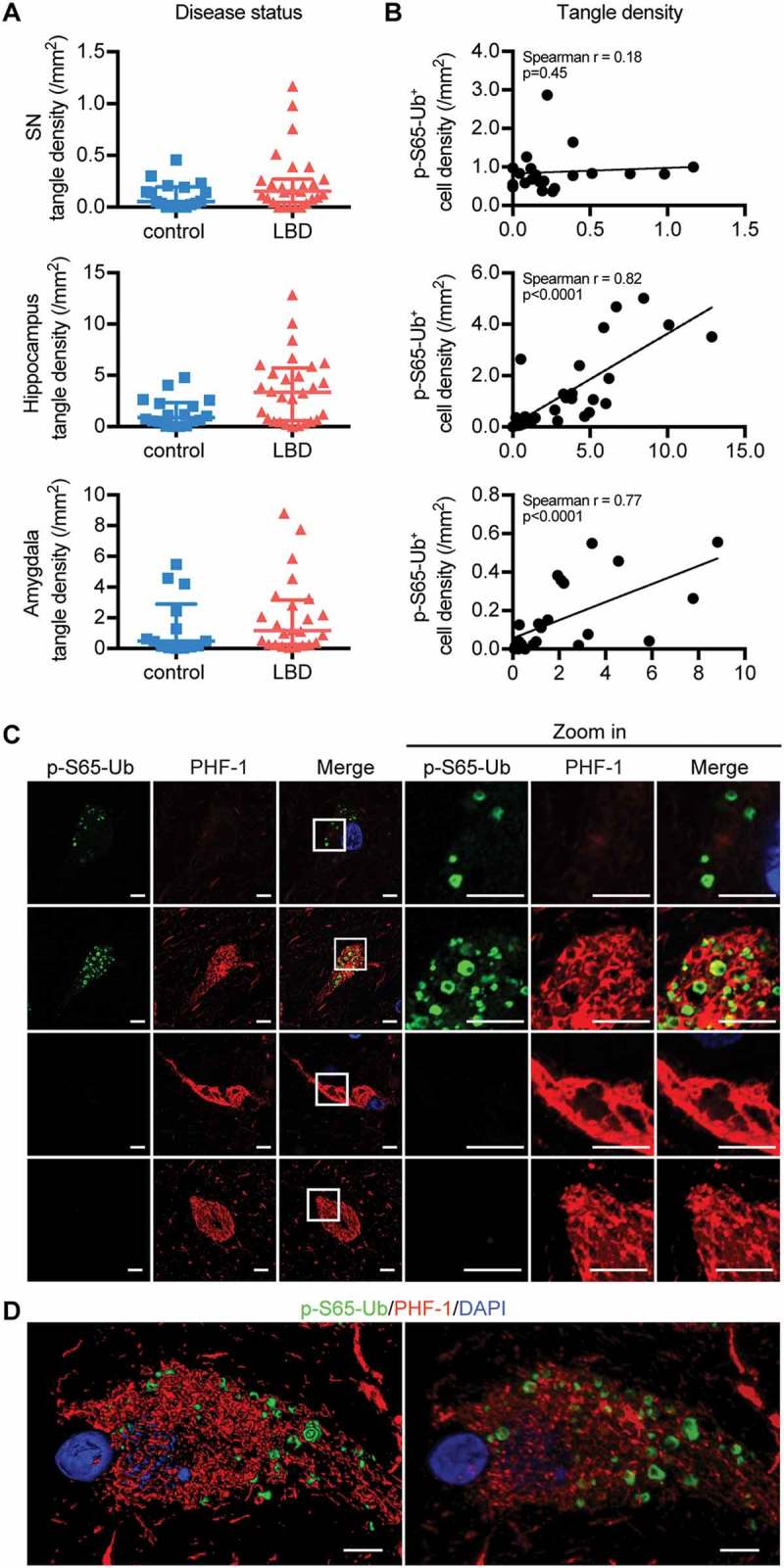
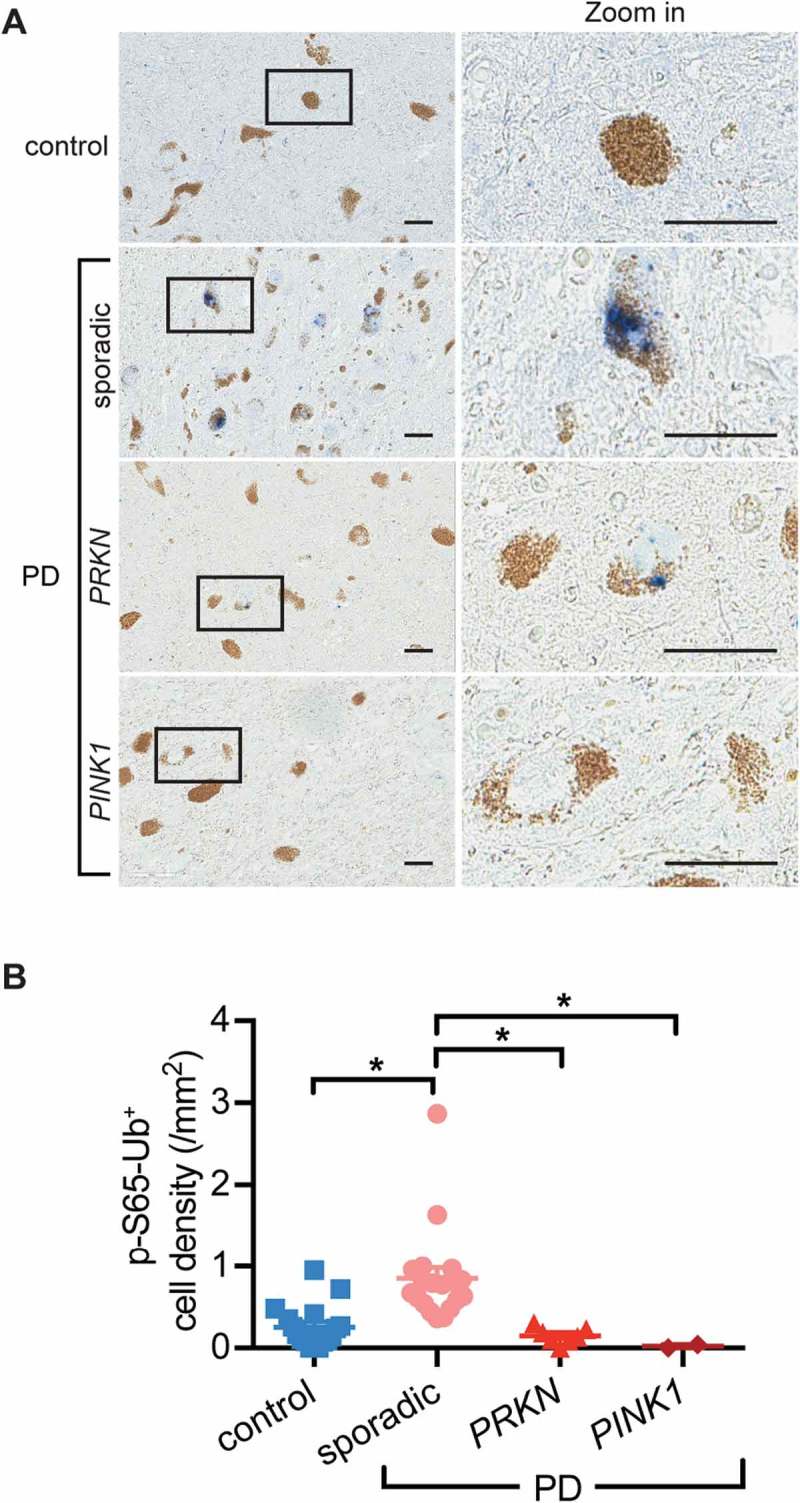
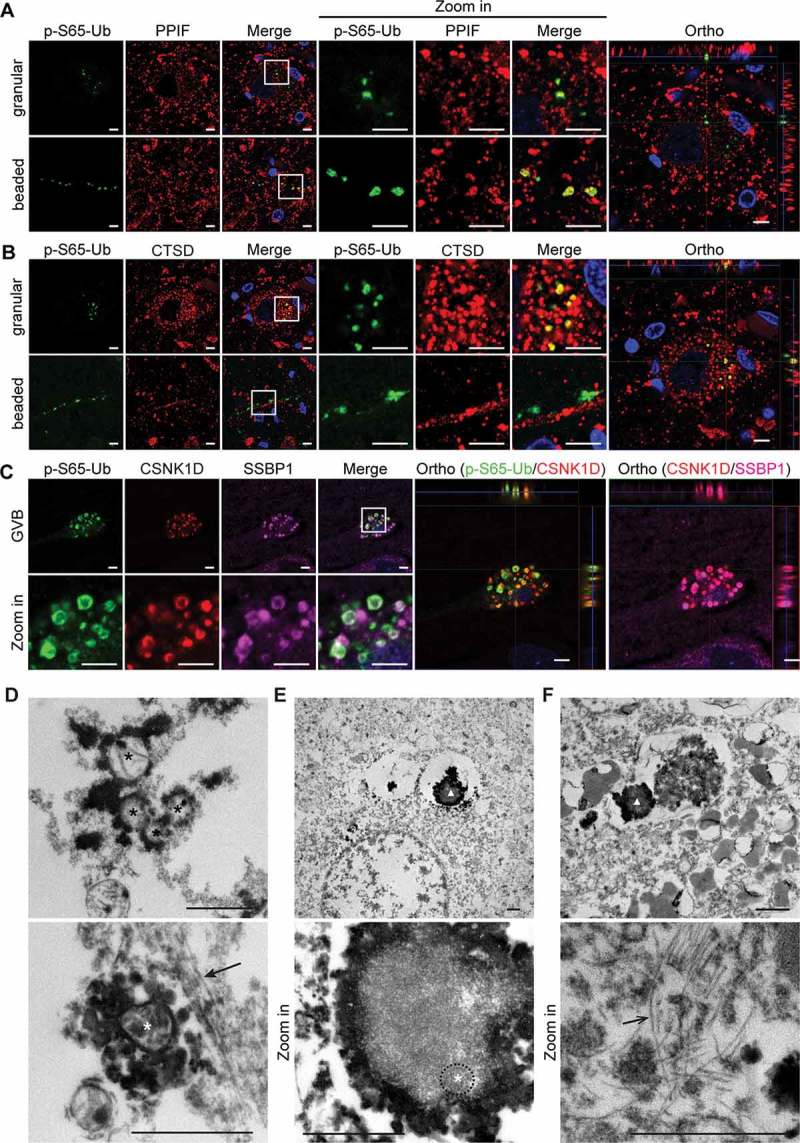
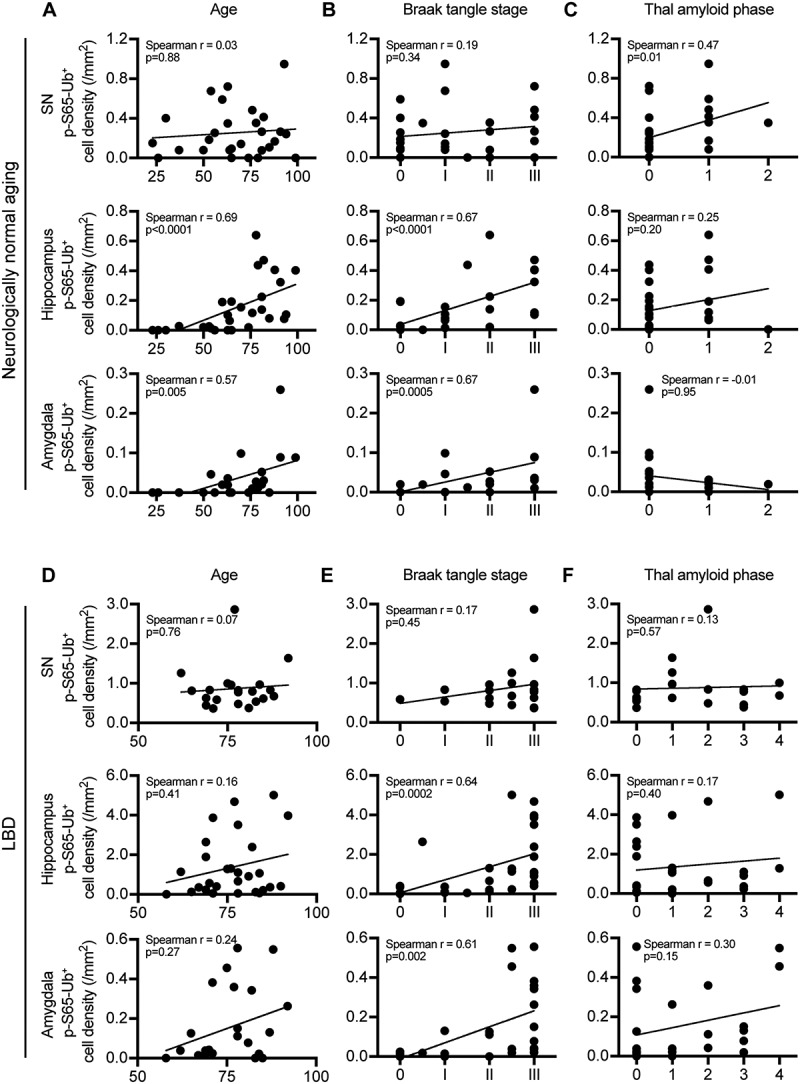
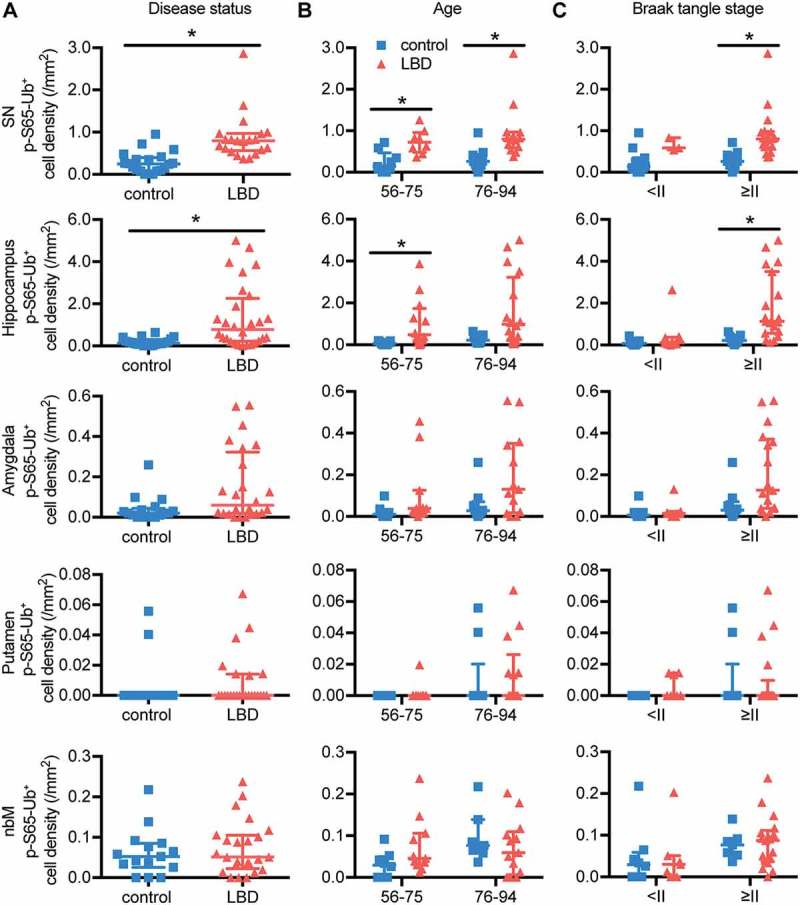
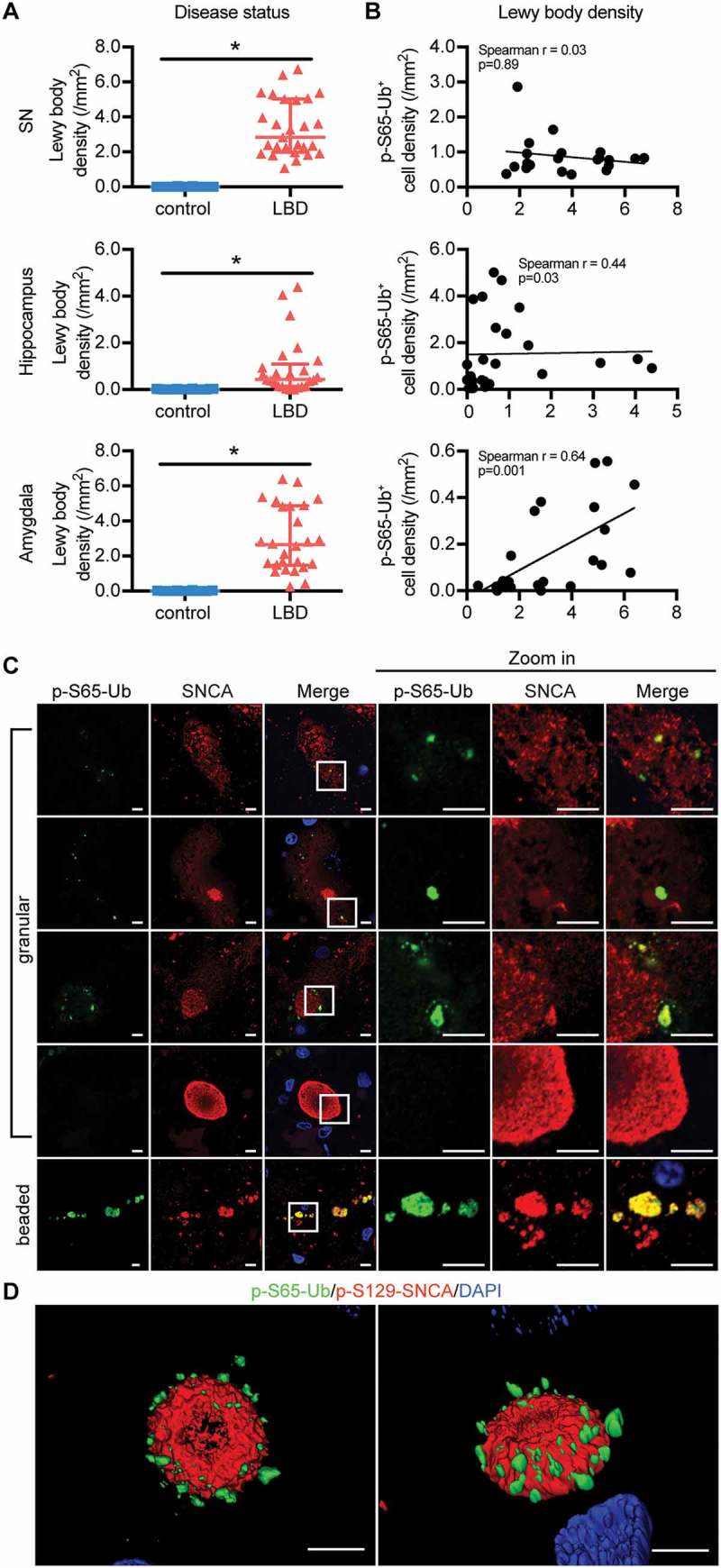
Although exact causes of Parkinson disease (PD) remain enigmatic, mitochondrial dysfunction is increasingly appreciated as a key determinant of dopaminergic neuron susceptibility in both familial and sporadic PD. Two genes associated with recessive, early-onset PD encode the ubiquitin (Ub) kinase PINK1 and the E3 Ub ligase PRKN/PARK2/Parkin, which together orchestrate a protective mitochondrial quality control (mitoQC) pathway. Upon stress, both enzymes cooperatively identify and decorate damaged mitochondria with phosphorylated poly-Ub (p-S65-Ub) chains. This specific label is subsequently recognized by autophagy receptors that further facilitate mitochondrial degradation in lysosomes (mitophagy). Here, we analyzed human post-mortem brain specimens and identified distinct pools of p-S65-Ub-positive structures that partially colocalized with markers of mitochondria, autophagy, lysosomes and/or granulovacuolar degeneration bodies. We further quantified levels and distribution of the 'mitophagy tag' in 2 large cohorts of brain samples from normal aging and Lewy body disease (LBD) cases using unbiased digital pathology. Somatic p-S65-Ub structures independently increased with age and disease in distinct brain regions and enhanced levels in LBD brain were age- and Braak tangle stage-dependent. Additionally, we observed significant correlations of p-S65-Ub with LBs and neurofibrillary tangle levels in disease. The degree of co-existing p-S65-Ub signals and pathological PD hallmarks increased in the pre-mature stage, but decreased in the late stage of LB or tangle aggregation. Altogether, our study provides further evidence for a potential pathogenic overlap among different forms of PD and suggests that p-S65-Ub can serve as a biomarker for mitochondrial damage in aging and disease.
BLBD: brainstem predominant Lewy body disease; CCCP: carbonyl cyanide m-chlorophenyl hydrazone; DLB: dementia with Lewy bodies; DLBD: diffuse neocortical Lewy body disease; EOPD: early-onset Parkinson disease; GVB: granulovacuolar degeneration body; LB: Lewy body; LBD: Lewy body disease; mitoQC: mitochondrial quality control; nbM: nucleus basalis of Meynert; PD: Parkinson disease; PDD: Parkinson disease with dementia; p-S65-Ub: PINK1-phosphorylated serine 65 ubiquitin; SN: substantia nigra; TLBD: transitional Lewy body disease; Ub: ubiquitin.
帕金森病(PD)的确切病因仍然扑朔迷离,但越来越多的证据表明,线粒体功能障碍是家族性和散发性 PD 中多巴胺能神经元易感性的关键决定因素。与隐性早发性 PD 相关的两个基因编码泛素(Ub)激酶 PINK1 和 E3 Ub 连接酶 PRKN/PARK2/Parkin,它们共同协调保护性线粒体质量控制(mitoQC)途径。在应激下,这两种酶协同识别并修饰受损的线粒体,使其带有磷酸化的多 Ub(p-S65-Ub)链。这种特殊的标签随后被自噬受体识别,进一步促进溶酶体中的线粒体降解(mitophagy)。在这里,我们分析了人类死后的大脑标本,并鉴定出不同池的 p-S65-Ub 阳性结构,这些结构部分与线粒体、自噬体、溶酶体和/或颗粒空泡变性体的标志物共定位。我们进一步使用无偏数字病理学方法,在 2 个来自正常衰老和路易体病(LBD)病例的大脑样本大队列中定量和分布“自噬标记”。体细胞 p-S65-Ub 结构独立于年龄和疾病在不同脑区增加,并且 LBD 脑中的增加水平与年龄和 Braak 缠结阶段有关。此外,我们观察到 p-S65-Ub 与疾病中 LB 和神经纤维缠结水平的显著相关性。共存 p-S65-Ub 信号和病理性 PD 标志物的程度在 LB 或缠结聚集的早期阶段增加,但在晚期阶段减少。总的来说,我们的研究为不同形式的 PD 之间可能存在的致病重叠提供了进一步的证据,并表明 p-S65-Ub 可作为衰老和疾病中线粒体损伤的生物标志物。
BLBD:脑干为主的路易体病;CCCP:羰基氰化物 m-氯苯腙;DLB:痴呆伴路易体;DLBD:弥漫性皮质路易体病;EOPD:早发性帕金森病;GVB:颗粒空泡变性体;LB:路易体;LBD:路易体病;mitoQC:线粒体质量控制;nbM:Meynert 基底核;PD:帕金森病;PDD:伴痴呆的帕金森病;p-S65-Ub:PINK1 磷酸化丝氨酸 65 泛素;SN:黑质;TLBD:过渡性路易体病;Ub:泛素。