Peltonen J T, Coumou P C J J, Peng Z H, Klapwijk T M, Tsai J S, Astafiev O V
RIKEN Center for Emergent Matter Science, Wako, Saitama, 351-0198, Japan.
Low Temperature Laboratory, Department of Applied Physics, Aalto University School of Science, P.O. Box 13500, FI-00076, Aalto, Finland.
Sci Rep. 2018 Jul 3;8(1):10033. doi: 10.1038/s41598-018-27154-1.
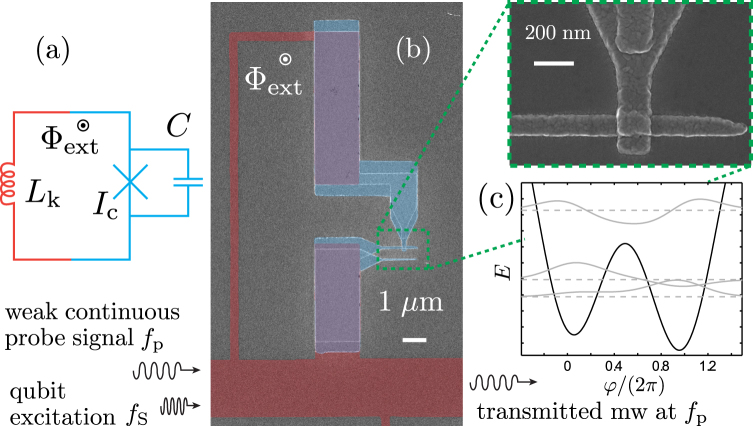
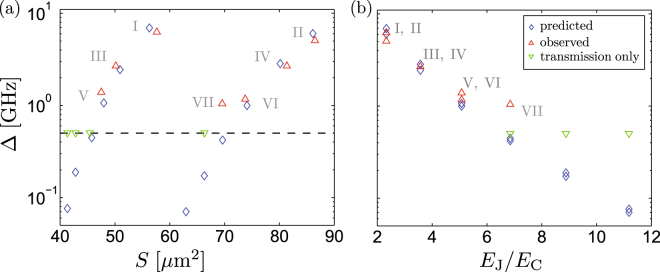
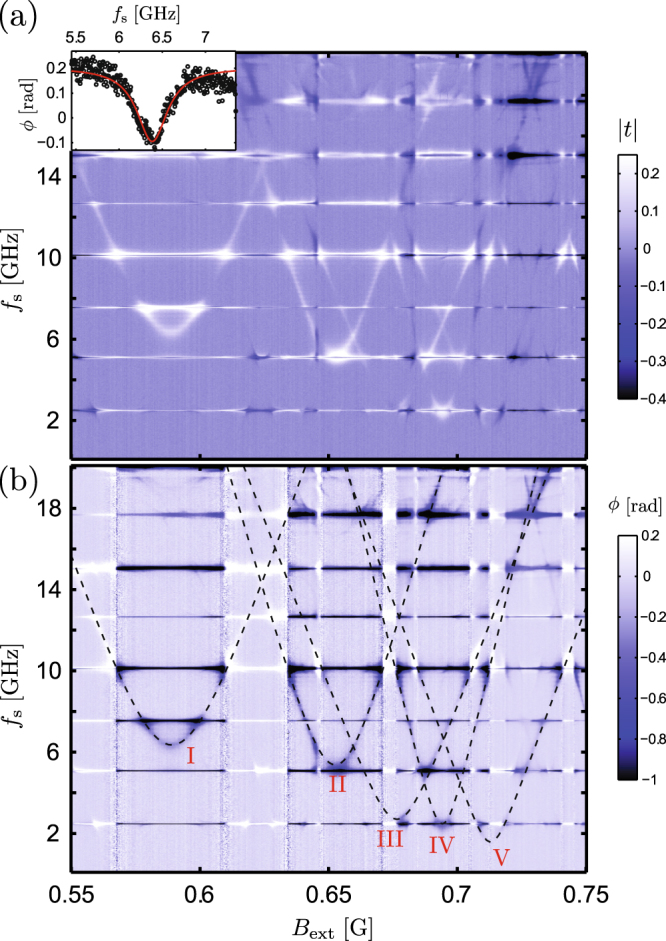
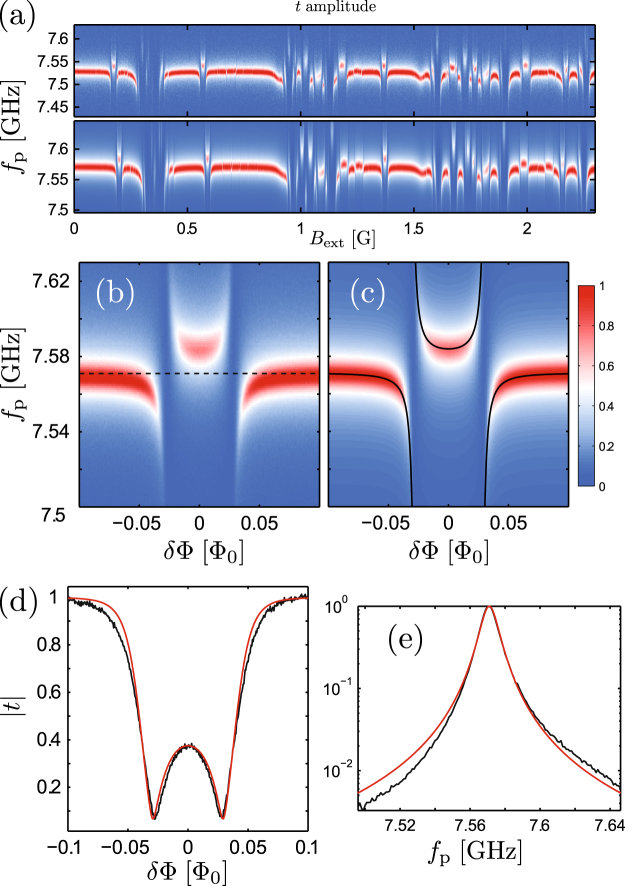
We report development and microwave characterization of rf SQUID (Superconducting QUantum Interference Device) qubits, consisting of an aluminium-based Josephson junction embedded in a superconducting loop patterned from a thin film of TiN with high kinetic inductance. Here we demonstrate that the systems can offer small physical size, high anharmonicity, and small scatter of device parameters. The work constitutes a non-tunable prototype realization of an rf SQUID qubit built on the kinetic inductance of a superconducting nanowire, proposed in Phys. Rev. Lett. 104, 027002 (2010). The hybrid devices can be utilized as tools to shed further light onto the origin of film dissipation and decoherence in phase-slip nanowire qubits, patterned entirely from disordered superconducting films.
我们报告了射频超导量子干涉器件(rf SQUID)量子比特的研发及其微波特性,该量子比特由嵌入在具有高动态电感的氮化钛薄膜图案化超导环中的铝基约瑟夫森结组成。在此,我们证明这些系统可实现小物理尺寸、高非谐性以及器件参数的小散射。这项工作构成了基于超导纳米线动态电感的射频超导量子干涉器件量子比特的不可调谐原型实现,这一设想在《物理评论快报》104, 027002 (2010) 中有所提出。这些混合器件可作为工具,进一步阐明完全由无序超导薄膜图案化的相位滑移纳米线量子比特中薄膜耗散和退相干的起源。