Guangdong Provincial Key Laboratory of Protein Function and Regulation in Agricultural Organisms, College of Life Sciences, South China Agricultural University, Guangzhou, 510642, China.
Tianjin Medical University Cancer Institute and Hospital National Clinical Research Center for Cancer, Key Laboratory of Cancer Prevention and Therapy, Tianjin's Clinical Research Center for Cancer, Tianjin, China.
Cell Commun Signal. 2018 Jul 3;16(1):37. doi: 10.1186/s12964-018-0250-1.
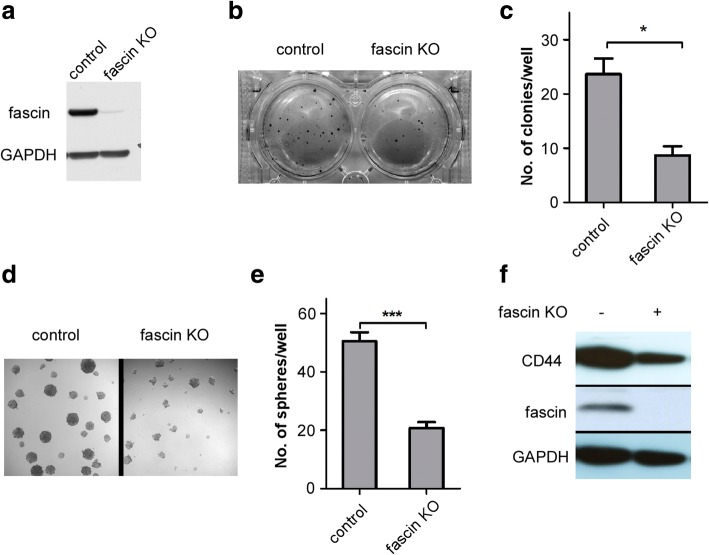
Fascin is a F-actin bundling protein and its overexpression is correlated with poor prognosis and increases metastatic potential in a number of cancers. But underlying function and mechanism of fascin on tumorigenesis in melanoma remain elusive.
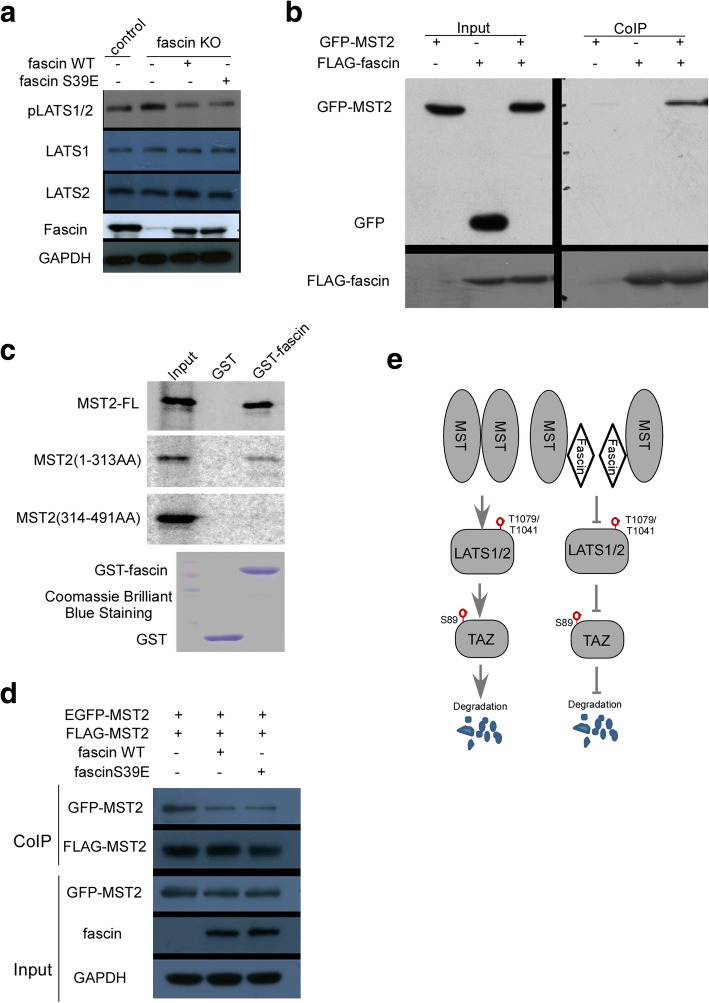
The melanoma cell lines WM793 and WM39 were employed for the soft agar and sphere formation assay. Quantitative RT-PCR and Western blot were performed for identifying the gene expression at mRNA and protein levels, respectively. Co-IP and in vitro GST pulldown experiments were used to test the interaction between fascin and MST2.
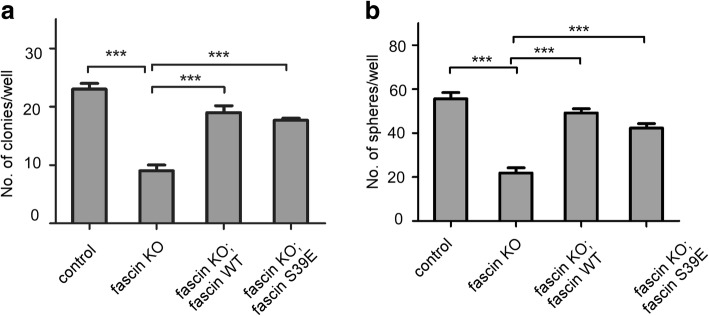
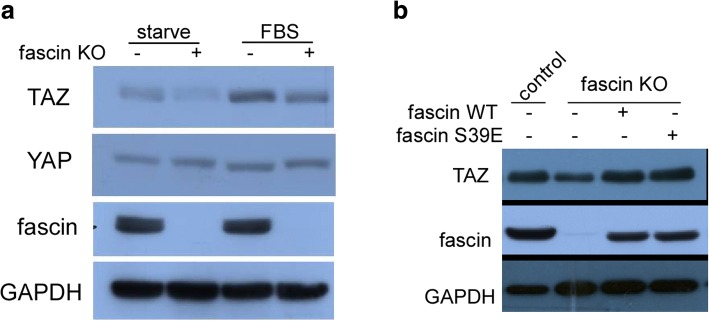
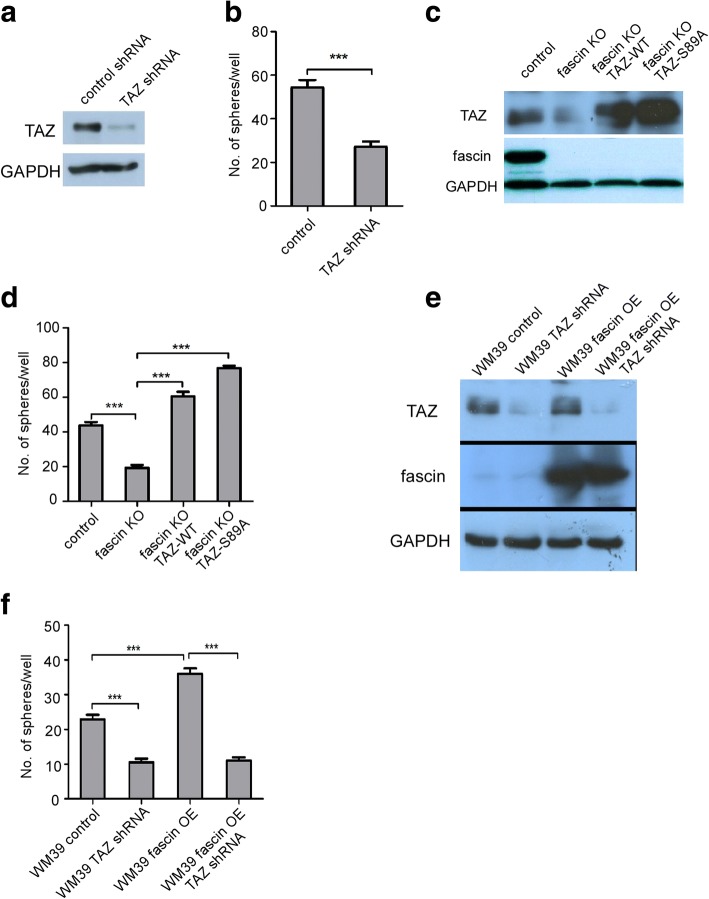
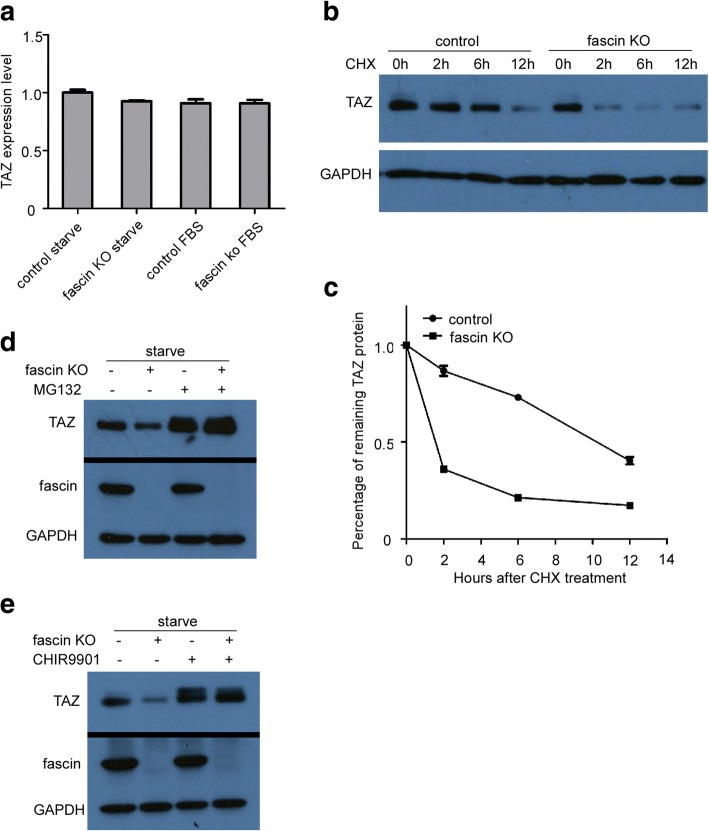
Fascin regulates tumorigenesis and cancer cell stemness in melanoma through inhibition of the Hippo pathway kinase MST2 and the activation of transcription factor TAZ. Our data showed that fascin interacts with the kinase domain of MST2 to inhibit its homodimer formation and kinase activity. Depletion of fascin led to increase of p-LATS level and decrease of TAZ, but not YAP. We also demonstrated that fascin regulates melanoma tumorigenesis independent of its actin-bundling activity.
Fascin is a new regulator of the MST2-LATS-TAZ pathway and plays a critical role in melanoma tumorigenesis. Inhibition of fascin reduces melanoma tumorigenesis and stemness, and thus fascin could be a potential therapeutic target for this malignancy.
Fascin 是一种 F- 肌动蛋白成束蛋白,其过表达与许多癌症的不良预后和增加转移潜能相关。但是 fascin 在黑色素瘤发生中的潜在功能和机制仍不清楚。
采用软琼脂和球体形成实验检测黑色素瘤细胞系 WM793 和 WM39。定量 RT-PCR 和 Western blot 分别用于鉴定 mRNA 和蛋白质水平的基因表达。共免疫沉淀和体外 GST 下拉实验用于检测 fascin 与 MST2 之间的相互作用。
Fascin 通过抑制 Hippo 通路激酶 MST2 和激活转录因子 TAZ 来调节黑色素瘤的肿瘤发生和癌细胞干性。我们的数据表明 fascin 与 MST2 的激酶结构域相互作用,抑制其同源二聚体形成和激酶活性。fascin 的缺失导致 p-LATS 水平增加和 TAZ 减少,但 YAP 没有减少。我们还表明,fascin 调节黑色素瘤肿瘤发生不依赖于其肌动蛋白成束活性。
Fascin 是 MST2-LATS-TAZ 通路的新调节因子,在黑色素瘤肿瘤发生中发挥关键作用。抑制 fascin 可降低黑色素瘤的肿瘤发生和干性,因此 fascin 可能是这种恶性肿瘤的潜在治疗靶点。