Department of Immunology, Instituto de Ciências Biomédicas, Universidade de São Paulo, São Paulo, Brazil.
Hospital Universitário, Universidade de São Paulo, São Paulo, Brazil.
PLoS One. 2018 Jul 5;13(7):e0199034. doi: 10.1371/journal.pone.0199034. eCollection 2018.
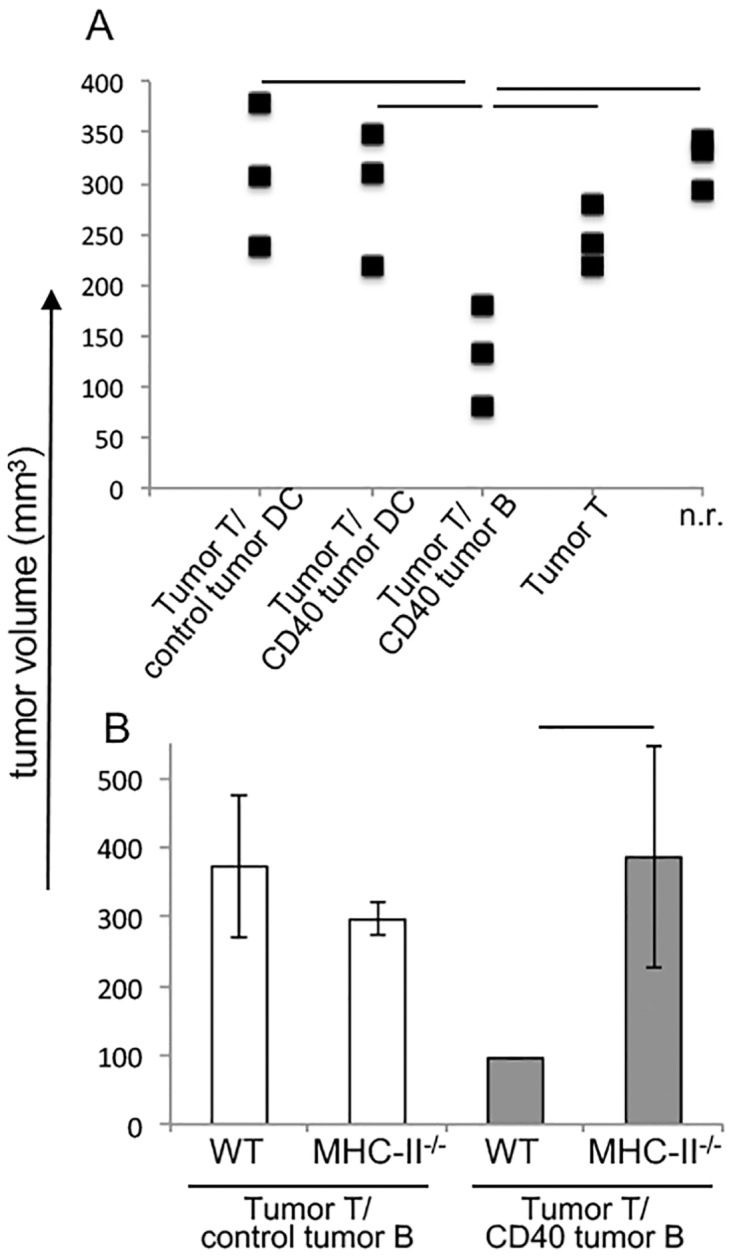
Immune evasion by tumors includes several different mechanisms, including the inefficiency of antigen presenting cells (APCs) to trigger anti-tumor T cell responses. B lymphocytes may display a pro-tumoral role but can also be modulated to function as antigen presenting cells to T lymphocytes, capable of triggering anti-cancer immune responses. While dendritic cells, DCs, are the best APC population to activate naive T cells, DCs or their precursors, monocytes, are frequently modulated by tumors, displaying a tolerogenic phenotype in cancer patients. In patients with cervical cancer, we observed that monocyte derived DCs are tolerogenic, inhibiting allogeneic T cell activation compared to the same population obtained from patients with precursor lesions or cervicitis. In this work, we show that B lymphocytes from cervical cancer patients respond to treatment with sCD40L and IL-4 by increasing the CD80+CD86+ population, therefore potentially increasing their ability to activate T cells. To test if B lymphocytes could actually trigger anti-tumor T cell responses, we designed an experimental model where we harvested T and B lymphocytes, or dendritic cells, from tumor bearing donors, and after APC stimulation, transplanted them, together with T cells into RAG1-/- recipients, previously injected with tumor cells. We were able to show that anti-CD40 activated B lymphocytes could trigger secondary T cell responses, dependent on MHC-II expression. Moreover, we showed that dendritic cells were resistant to the anti-CD40 treatment and unable to stimulate anti-tumor responses. In summary, our results suggest that B lymphocytes may be used as a tool for immunotherapy against cancer.
肿瘤的免疫逃逸包括几种不同的机制,包括抗原呈递细胞 (APC) 触发抗肿瘤 T 细胞反应的效率低下。B 淋巴细胞可能显示出促肿瘤作用,但也可以被调节为向 T 淋巴细胞呈递抗原,从而触发抗癌免疫反应。虽然树突状细胞 (DC) 是激活幼稚 T 细胞的最佳 APC 群体,但 DC 或其前体单核细胞经常被肿瘤调节,在癌症患者中显示出耐受表型。在宫颈癌患者中,我们观察到单核细胞衍生的 DC 具有耐受性,与从前驱病变或宫颈炎患者获得的相同群体相比,抑制同种异体 T 细胞活化。在这项工作中,我们表明宫颈癌患者的 B 淋巴细胞对 sCD40L 和 IL-4 的治疗反应增加 CD80+CD86+群体,因此可能增加其激活 T 细胞的能力。为了测试 B 淋巴细胞是否实际上可以触发抗肿瘤 T 细胞反应,我们设计了一个实验模型,其中我们从肿瘤携带供体中收获 T 和 B 淋巴细胞或树突状细胞,在 APC 刺激后,将它们与 T 细胞一起移植到先前注射肿瘤细胞的 RAG1-/-受体中。我们能够证明抗 CD40 激活的 B 淋巴细胞可以触发依赖 MHC-II 表达的次级 T 细胞反应。此外,我们表明树突状细胞对抗 CD40 治疗具有抗性并且无法刺激抗肿瘤反应。总之,我们的结果表明 B 淋巴细胞可用作癌症免疫疗法的工具。