Department of Clinical and Experimental Epilepsy, Institute of Neurology, University College London, London, UK.
Department of Physiology, Royal College of Surgeons in Ireland, Dublin, Ireland.
Epilepsia. 2018 Aug;59(8):1518-1526. doi: 10.1111/epi.14475. Epub 2018 Jul 5.
Inhibition of microRNA-134 by an oligonucleotide antagomir (ant-134) has been shown to produce powerful antiseizure effects in multiple models of epilepsy. However, to successfully translate the treatment to the clinic, it is important to assess what potential adverse effects it may have on naive brain tissue.
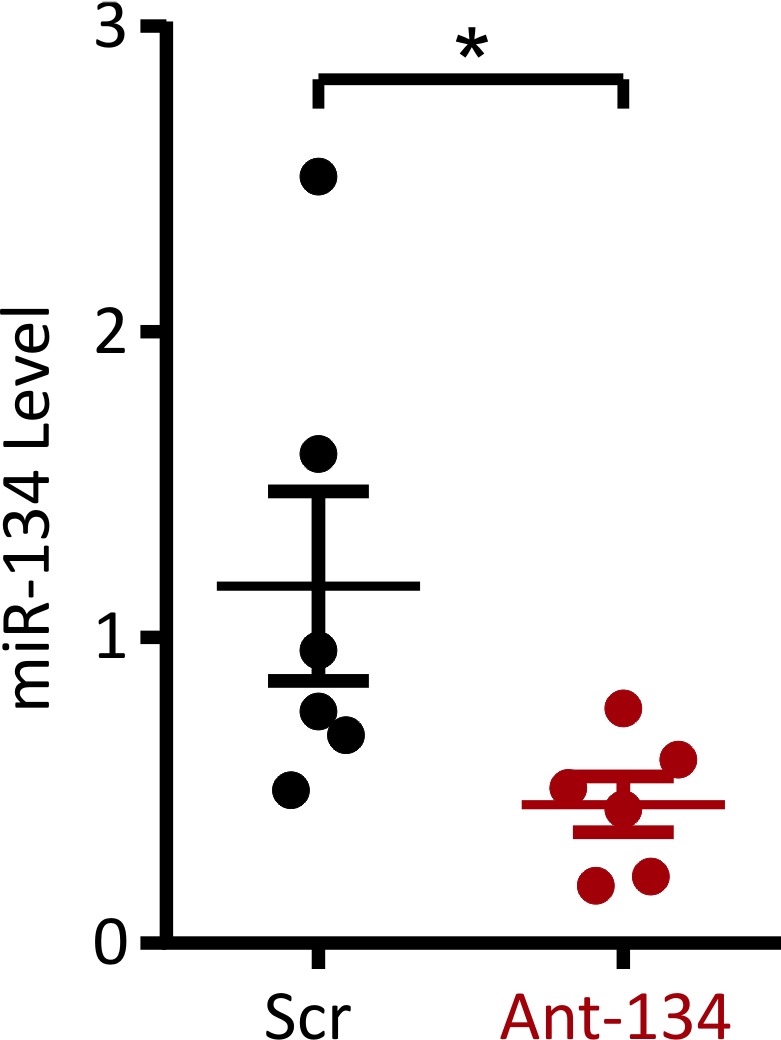
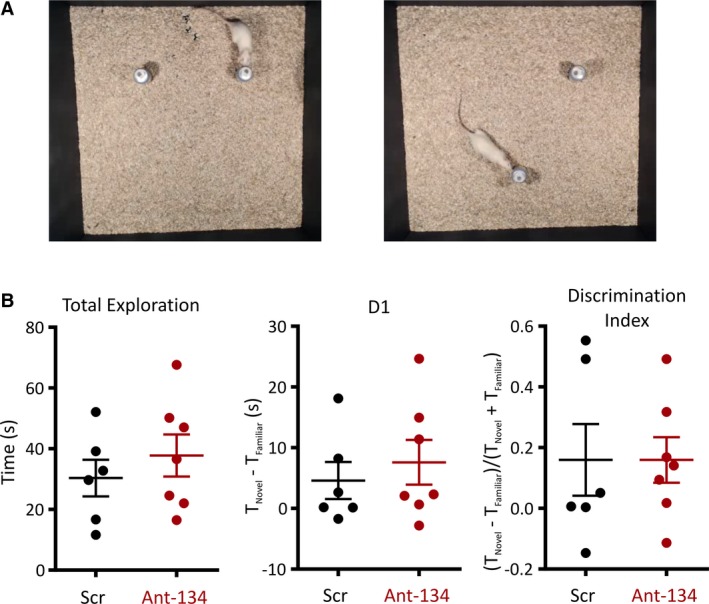
To investigate this, adult male Sprague-Dawley rats were treated with either ant-134 or a scrambled control sequence. Animals were later assessed for spatial navigation, before ex vivo slices were taken to assess the effects of microRNA-134 knockdown on well-defined measures of intrinsic and synaptic properties.
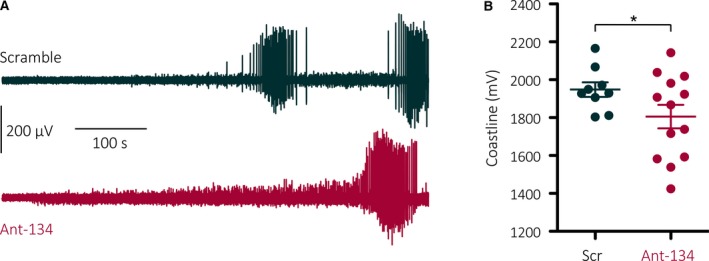
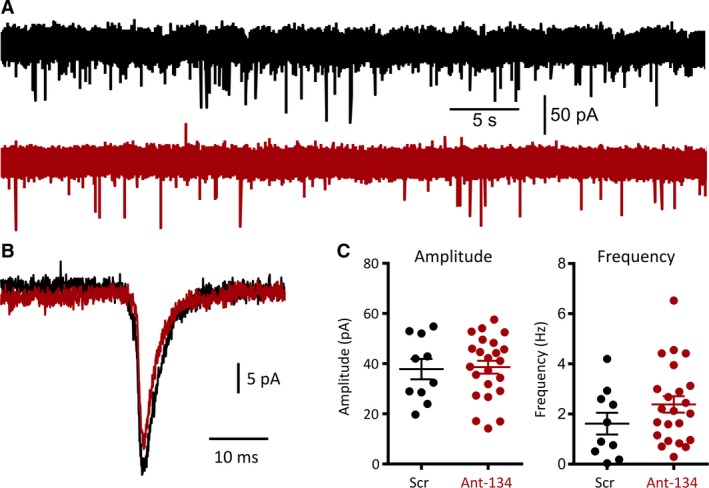
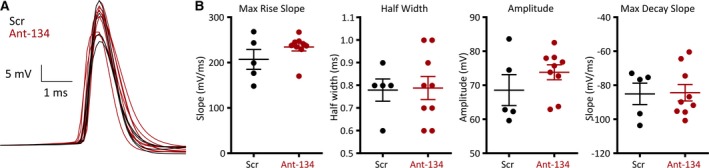
Hippocampal field potential recordings determined that silencing of microRNA-134 by ant-134 injection was associated with a reduction in epileptiform activity following application of 9 mmol/L K . Nevertheless, rats performed normally in the novel object location test. Action potential waveforms and miniature excitatory synaptic currents recorded in CA1 pyramidal neurons were unaffected by ant-134.
These results demonstrate that ant-134 confers a seizure-protective effect without obvious interference with hippocampal neuronal properties or network function. These findings support further development of this novel approach to epilepsy treatment.
寡核苷酸反义核苷酸(ant-134)抑制 microRNA-134 已在多种癫痫模型中显示出强大的抗惊厥作用。然而,要成功将治疗方法转化为临床应用,评估它对未受影响的脑组织可能产生的潜在不良反应非常重要。
为了研究这一点,成年雄性 Sprague-Dawley 大鼠用 ant-134 或乱序对照序列进行处理。动物随后接受空间导航评估,然后取出离体切片,以评估 microRNA-134 敲低对内在和突触特性的明确测量值的影响。
海马场电位记录表明,ant-134 注射导致 microRNA-134 沉默,与应用 9 mmol/L K 后癫痫样活动减少有关。然而,大鼠在新物体位置测试中表现正常。在 CA1 锥体神经元中记录的动作电位波形和微小兴奋性突触电流不受 ant-134 的影响。
这些结果表明,ant-134 具有抗惊厥作用,而不会明显干扰海马神经元特性或网络功能。这些发现支持进一步开发这种新型癫痫治疗方法。