Department of Biology, Trent University, Peterborough, ON, Canada.
Environmental and Life Sciences Graduate Program, Trent University, Peterborough, ON, Canada.
PLoS One. 2018 Jul 6;13(7):e0200312. doi: 10.1371/journal.pone.0200312. eCollection 2018.
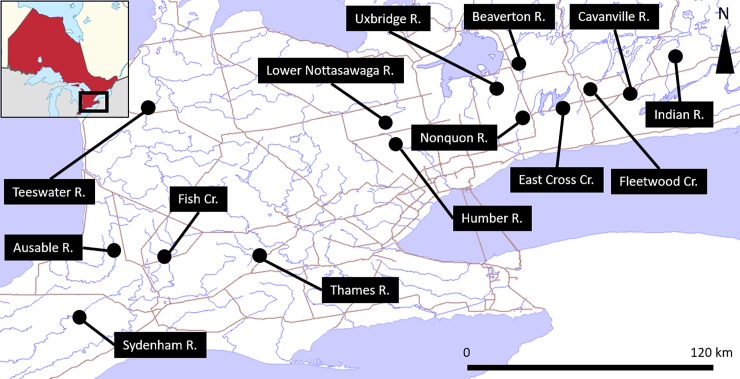
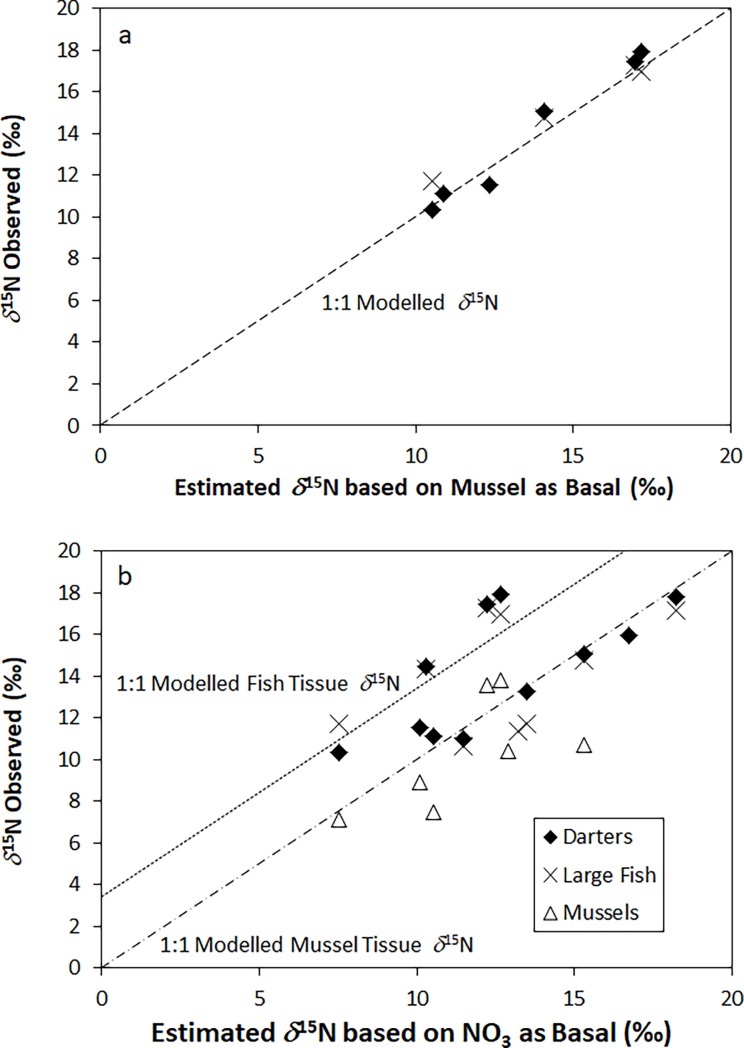
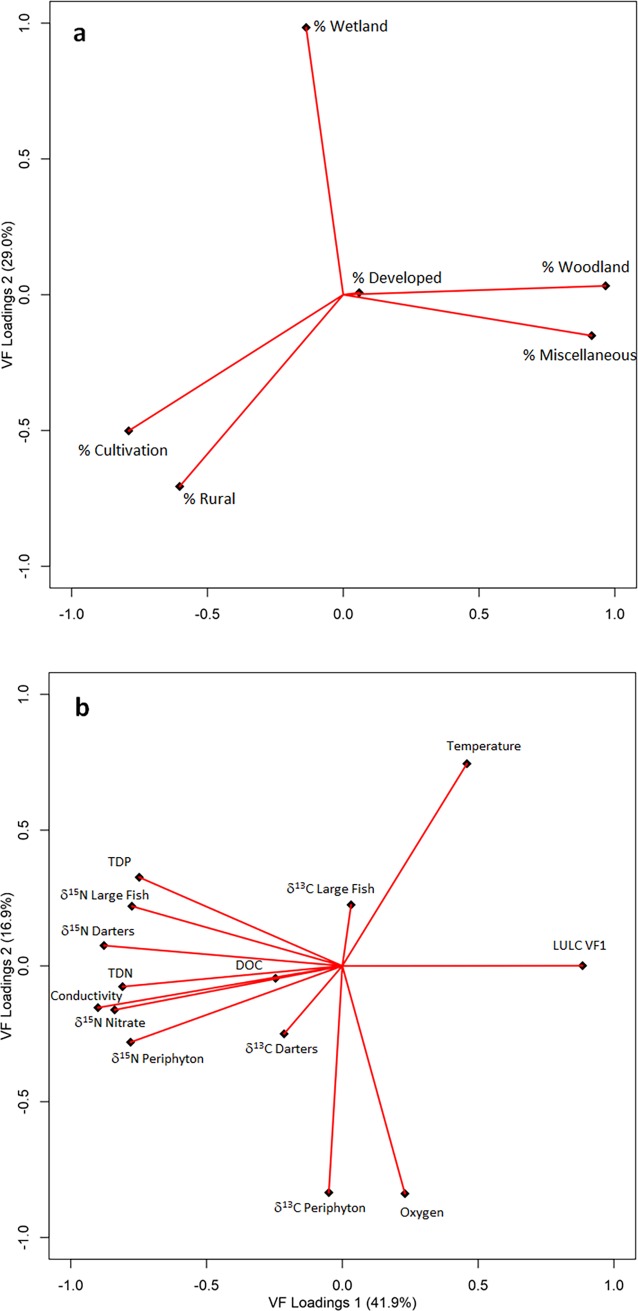
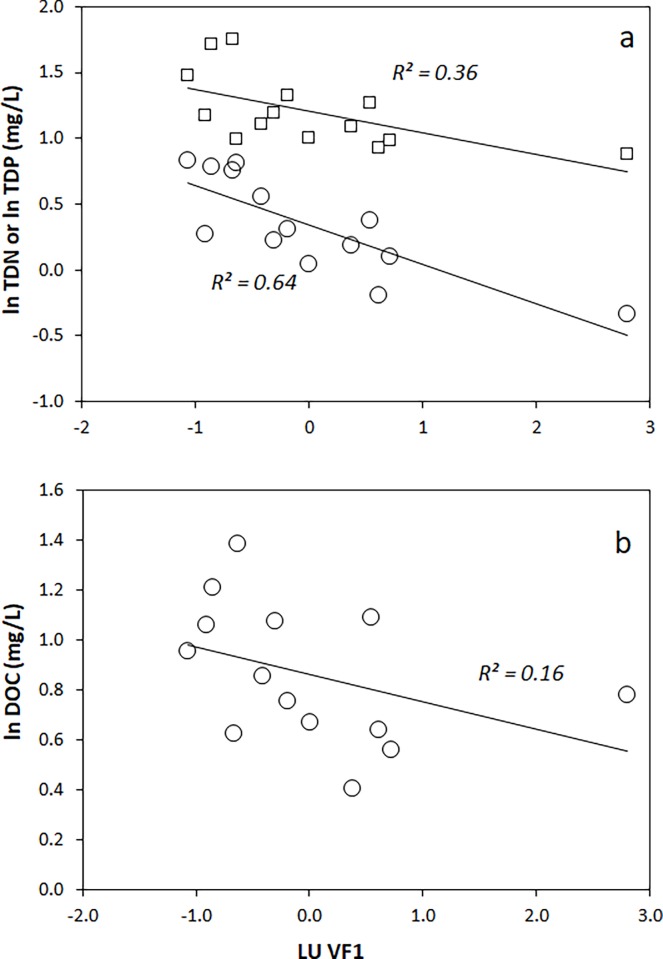
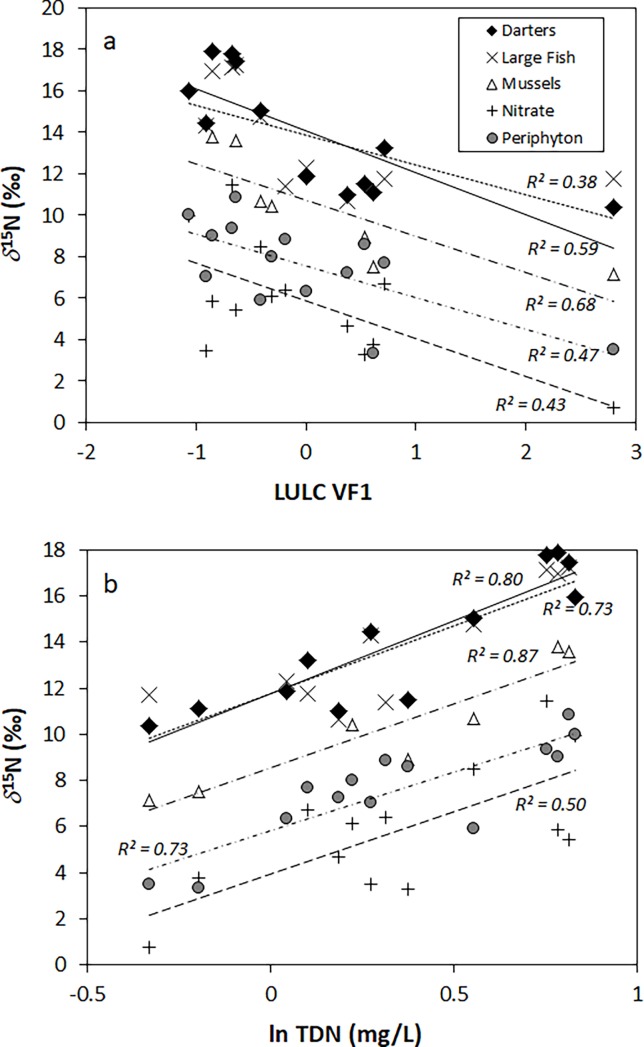
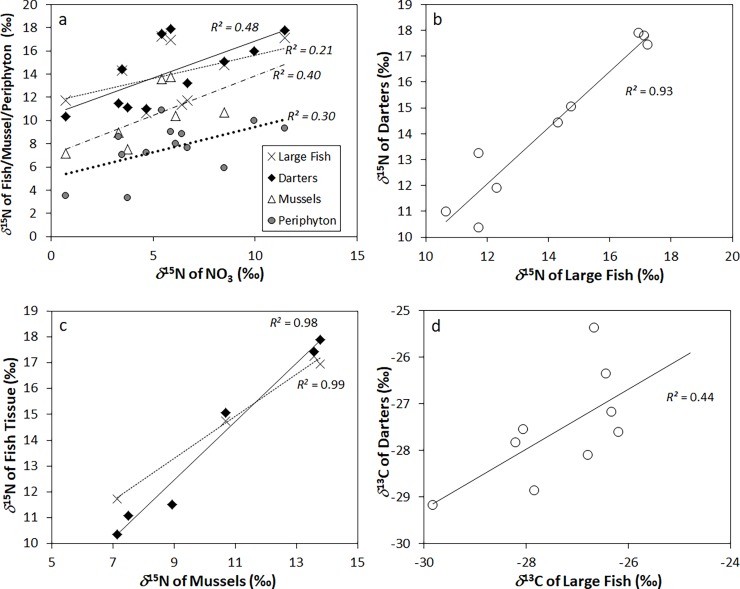
Stable carbon (13C) and nitrogen isotopes (15N) are useful tools in determining the presence of agricultural influences in freshwater ecosystems. Here we examined δ15N and δ13C signatures in nitrate, fish, and mussel tissues, from rivers in Southern Ontario, Canada, that vary in their catchment proportion of agriculture land use, nutrients and organic matter quality. We found comparatively 15N-enriched δ15N values in animal tissues and dissolved nitrates, relative to expected values characterized by natural sources. We also observed a strong, positive correlation between riparian agriculture percentages and δ15N values in animal tissues and nitrates, indicating a significant influence of agricultural land use and the probable dominance of organic fertilizer and manure inputs in particular. The use of a 15N-based equation for the estimation of fish trophic position confirmed dietary analyses is showing all fish species to be tertiary consumers, with a relatively consistent 15N-enrichment in animal tissues between trophic levels. This indicates that variability in 15N-trophic fractionation is minor, and that fish and mussel tissue δ15N values are largely representative of source nitrogen. However, the trophic fractionation value varied from accepted literature values, suggesting strong influences from either local environmental conditions or dietary variation. The δ13C datasets did not correlate with riparian agriculture, and animal δ13C signatures in their tissues are consistent with terrestrial C3 vegetation, suggesting the dominance of allochthonous DOC sources. We found that changes in water chemistry and dissolved organic matter quality brought about by agricultural inputs were clearly expressed in the δ15N signatures of animal tissues from all trophic levels. As such, this study confirmed the source of anthropogenic nitrogen in the studied watersheds, and demonstrated that this agriculturally-derived nitrogen could be traced with δ15N signatures through successive trophic levels in local aquatic food webs. The δ13C data was less diagnostic of local agriculture, due to the more complex interplay of carbon cycling and environmental conditions.
稳定的碳(13C)和氮同位素(15N)是确定淡水生态系统中农业影响存在的有用工具。在这里,我们检查了加拿大安大略省南部河流中硝酸盐、鱼类和贻贝类组织中的 δ15N 和 δ13C 特征,这些河流的流域农业用地比例、养分和有机物质质量各不相同。我们发现,与自然来源特征相比,动物组织和溶解硝酸盐中的 15N 相对富集 δ15N 值。我们还观察到,河岸农业百分比与动物组织和硝酸盐中的 δ15N 值之间存在强烈的正相关,表明农业土地利用的显著影响,特别是有机肥料和粪肥投入的可能主导地位。使用基于 15N 的方程来估计鱼类营养级,证实了饮食分析表明所有鱼类都是三级消费者,营养级之间动物组织中的 15N 相对富集一致。这表明 15N 营养级分馏的可变性较小,鱼类和贻贝类组织的 δ15N 值在很大程度上代表了源氮。然而,营养级分馏值与接受的文献值不同,这表明存在强烈的局部环境条件或饮食变化的影响。δ13C 数据集与河岸农业无关,其组织中的动物 δ13C 特征与陆地 C3 植被一致,表明异养 DOC 来源的主导地位。我们发现,农业投入引起的水化学和溶解有机物质质量的变化在所有营养级别的动物组织的 δ15N 特征中得到了清晰的表达。因此,本研究证实了研究流域中人为氮的来源,并表明这种农业衍生的氮可以通过当地水生食物网中的连续营养级追踪 δ15N 特征。由于碳循环和环境条件的相互作用更为复杂,δ13C 数据对当地农业的诊断性较差。