Mayo Clinic, Jacksonville, FL, USA.
Dana Farber Cancer Institute-ECOG-ACRIN Biostatistics Center, Boston, MA, USA.
Blood Cancer J. 2018 Jul 6;8(7):67. doi: 10.1038/s41408-018-0102-7.
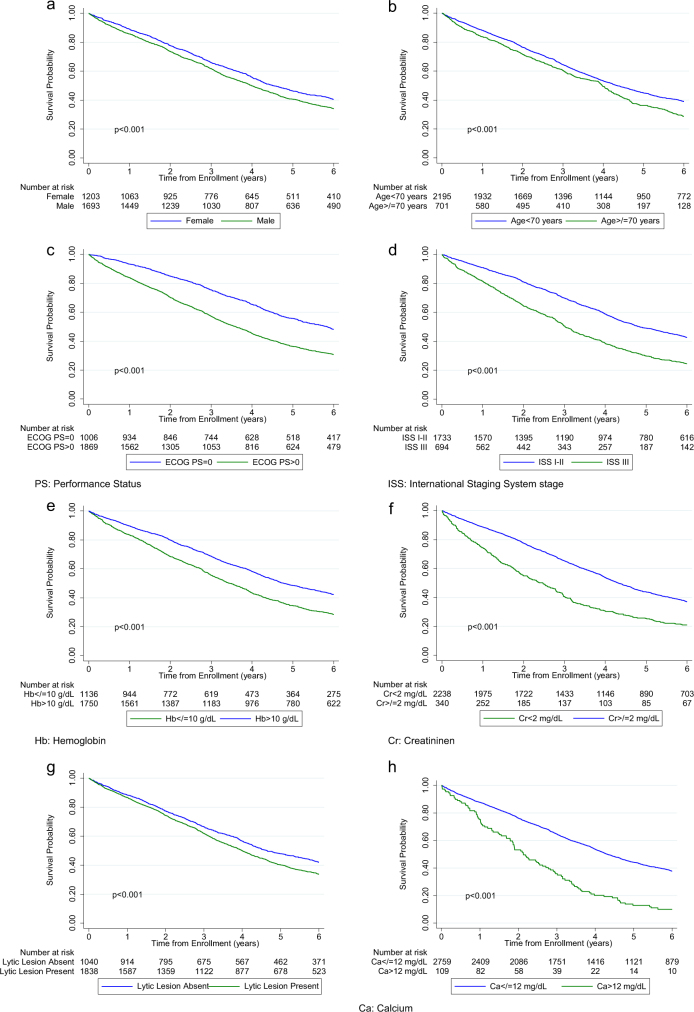
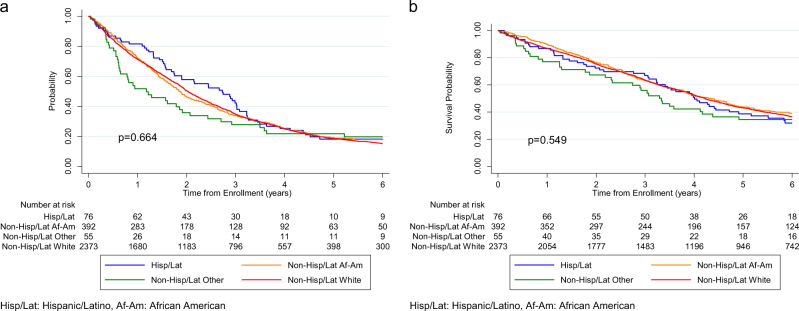
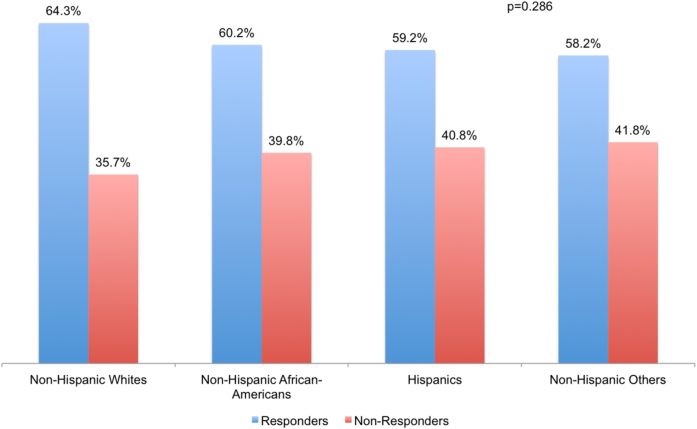
Multiple myeloma (MM) is an incurable hematologic malignancy with disparities in outcomes noted among racial-ethnic subgroups, likely due to disparities in access to effective treatment modalities. Clinical trials can provide access to evidence-based medicine but representation of minorities on therapeutic clinical trials has been dismal. We evaluated the impact of patient race-ethnicity in pooled data from nine large national cooperative group clinical trials in newly diagnosed MM. Among 2896 patients enrolled over more than two decades, only 18% were non-White and enrollment of minorities actually decreased in most recent years (2002-2011). African-Americans were younger and had more frequent poor-risk markers, including anemia and increased lactate dehydrogenase. Hispanics had the smallest proportion of patients on trials utilizing novel therapeutic agents. While adverse demographic (increased age) and clinical (performance status, stage, anemia, kidney dysfunction) factors were associated with inferior survival, patient race-ethnicity did not have an effect on objective response rates, progression-free, or overall survival. While there are significant disparities in MM incidence and outcomes among patients of different racial-ethnic groups, this disparity seems to be mitigated by access to appropriate therapeutic options, for example, as offered by clinical trials. Improved minority accrual in therapeutic clinical trials needs to be a priority.
多发性骨髓瘤(MM)是一种无法治愈的血液系统恶性肿瘤,不同种族-民族亚组之间的预后存在差异,这可能是由于获得有效治疗方式的机会不均等所致。临床试验可以提供循证医学的治疗方法,但少数族裔在治疗性临床试验中的代表性一直很差。我们评估了患者种族-民族在 9 项大型国家合作组多发性骨髓瘤新诊断临床试验汇总数据中的影响。在超过 20 年的时间里,共纳入了 2896 名患者,其中只有 18%是非白人,而且近年来少数族裔的入组人数实际上有所减少(2002-2011 年)。非裔美国人更年轻,且更频繁地出现不良预后标志物,包括贫血和乳酸脱氢酶升高。西班牙裔患者接受新型治疗药物试验的比例最小。虽然不良的人口统计学(年龄较大)和临床因素(体能状态、分期、贫血、肾功能障碍)与生存率降低有关,但患者的种族-民族对客观缓解率、无进展生存期或总生存期没有影响。尽管不同种族-民族组的多发性骨髓瘤发病率和结局存在显著差异,但通过获得适当的治疗选择(例如临床试验)似乎可以减轻这种差异。在治疗性临床试验中增加少数族裔的参与需要成为优先事项。