Department of Psychiatry, Beheshti Hospital and Zanjan University of Medical Sciences, Zanjan 45136-15788, Iran.
Department of Psychiatry, Psychosomatic Medicine Research Center, Tehran University of Medical Sciences, Tehran, Iran.
J Diabetes Res. 2018 Jun 10;2018:1986820. doi: 10.1155/2018/1986820. eCollection 2018.
The aim of the study was to determine the effect of mindfulness-based stress reduction (MBSR) intervention on emotion regulation and glycemic control of patients with type 2 diabetes.
Sixty patients with type 2 diabetes were recruited for this randomized controlled trial from an outpatient clinic at Imam Hospital in Iran. The intervention group participated in 8 sessions of MBSR, and the control group continued the treatment as usual. Fasting blood sugar and HbA1c were measured as two indices of glycemic control. Overall mental health, depression, and anxiety were measured using the General Health Questionnaire (GHQ-28), Hamilton Depression Rating Scale (HDRS), and Hamilton Anxiety Rating Scale (HARS), respectively. All the assessments were performed at baseline and after 8 weeks and 3 months as follow-up.
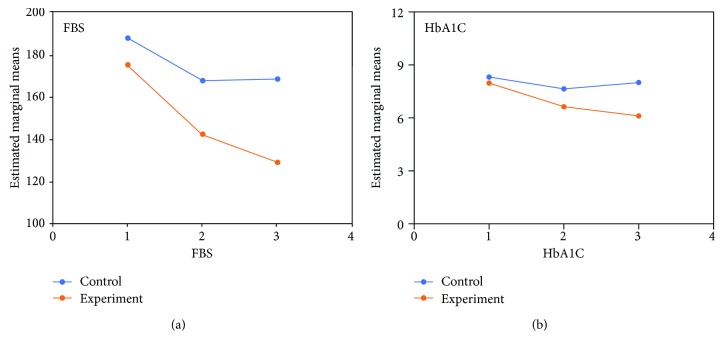
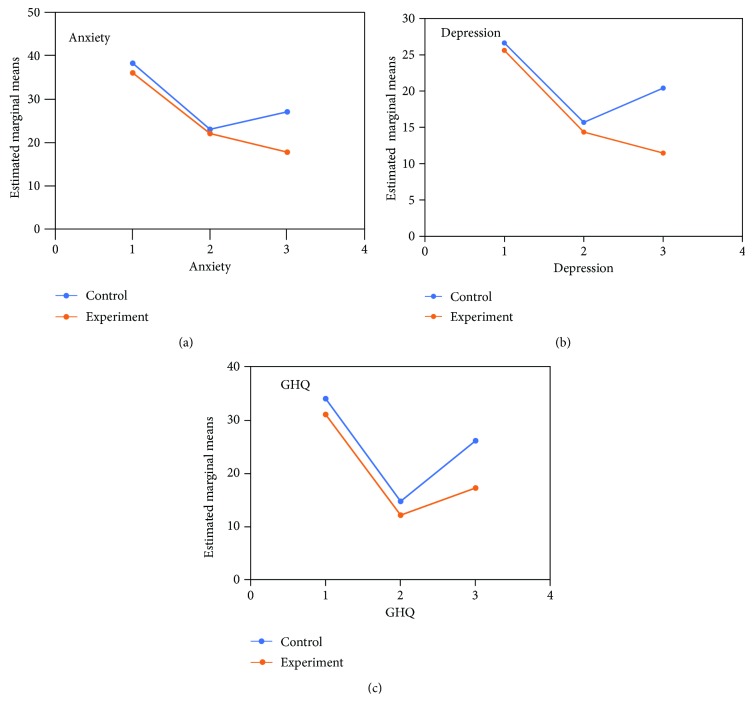
In comparison with the control group, the MBSR intervention group showed a significant reduction on all outcome measures including FBS, HbA1C, HARS, and HDRS scores ( < 0/05).
MBSR had a remarkable improvement on emotional wellbeing and glycemic control of patients with type 2 diabetes.
本研究旨在探讨正念减压干预对 2 型糖尿病患者情绪调节和血糖控制的影响。
本随机对照试验招募了 60 名来自伊朗伊玛目医院门诊的 2 型糖尿病患者。干预组参加了 8 次正念减压干预,对照组则继续常规治疗。空腹血糖和 HbA1c 作为血糖控制的两个指标进行测量。使用一般健康问卷(GHQ-28)、汉密尔顿抑郁量表(HDRS)和汉密尔顿焦虑量表(HARS)分别评估整体心理健康、抑郁和焦虑情况。所有评估均在基线、8 周和 3 个月后进行随访。
与对照组相比,正念减压干预组在空腹血糖、HbA1c、HARS 和 HDRS 评分等所有结局指标上均有显著改善(<0/05)。
正念减压干预可显著改善 2 型糖尿病患者的情绪健康和血糖控制。