Department of Microbiology and Immunology, Pennsylvania State University College of Medicine, 500 University Drive, Hershey, PA 17033-0850, USA.
Departments of Pharmacology and Biochemistry and Molecular Biology, Institute for Personalized Medicine, Pennsylvania State University College of Medicine, 500 University Drive, Hershey, PA 17033-0850, USA.
Cell Rep. 2018 Jul 10;24(2):406-418. doi: 10.1016/j.celrep.2018.06.046.
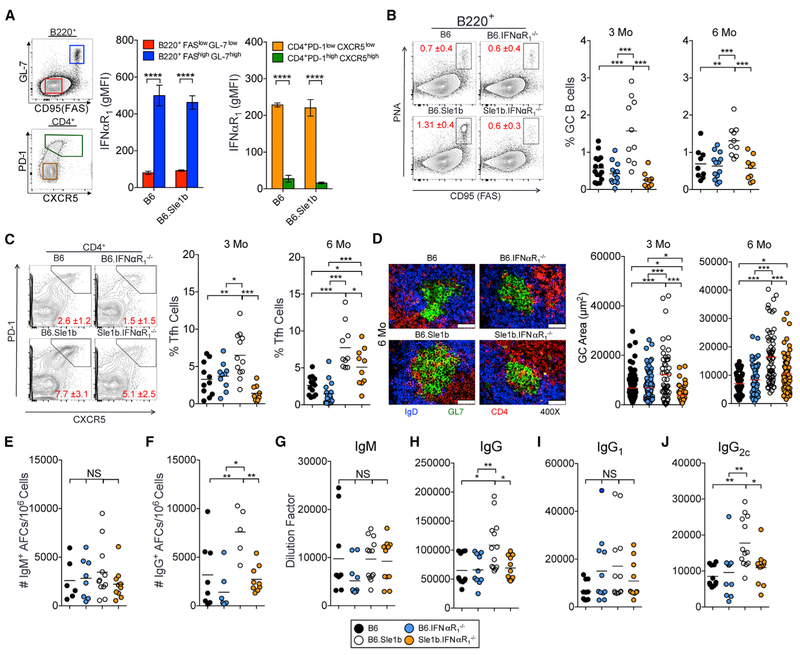
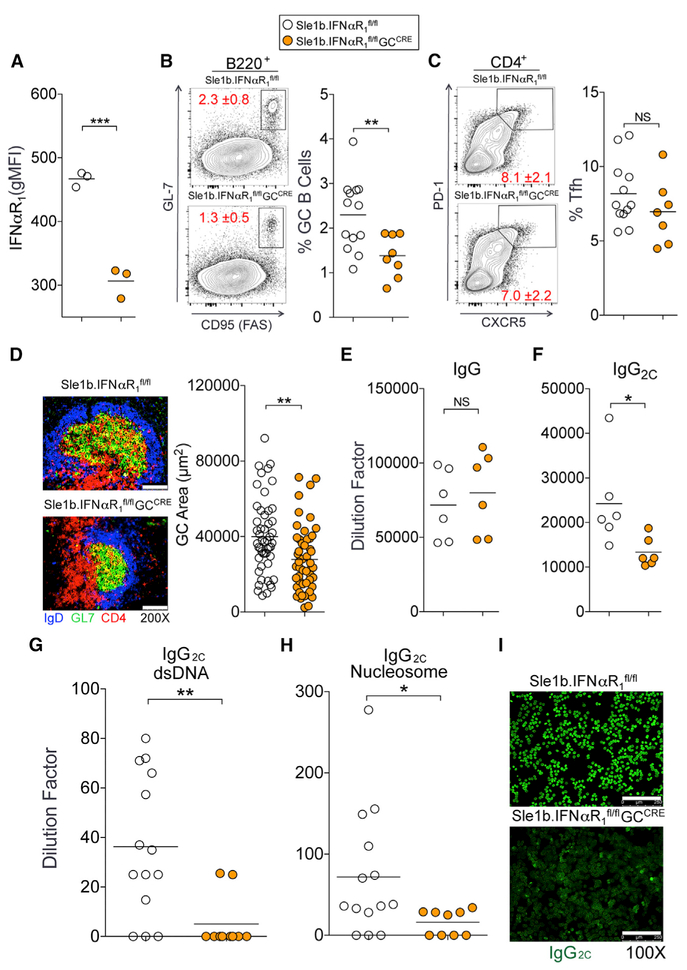
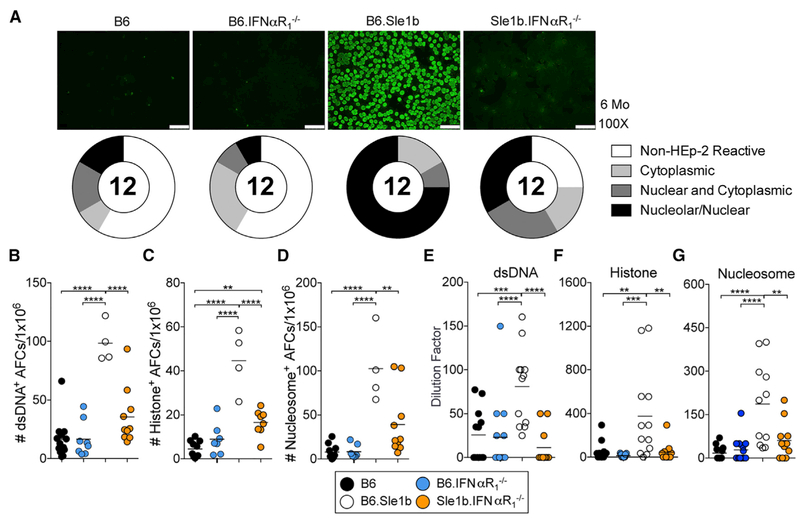
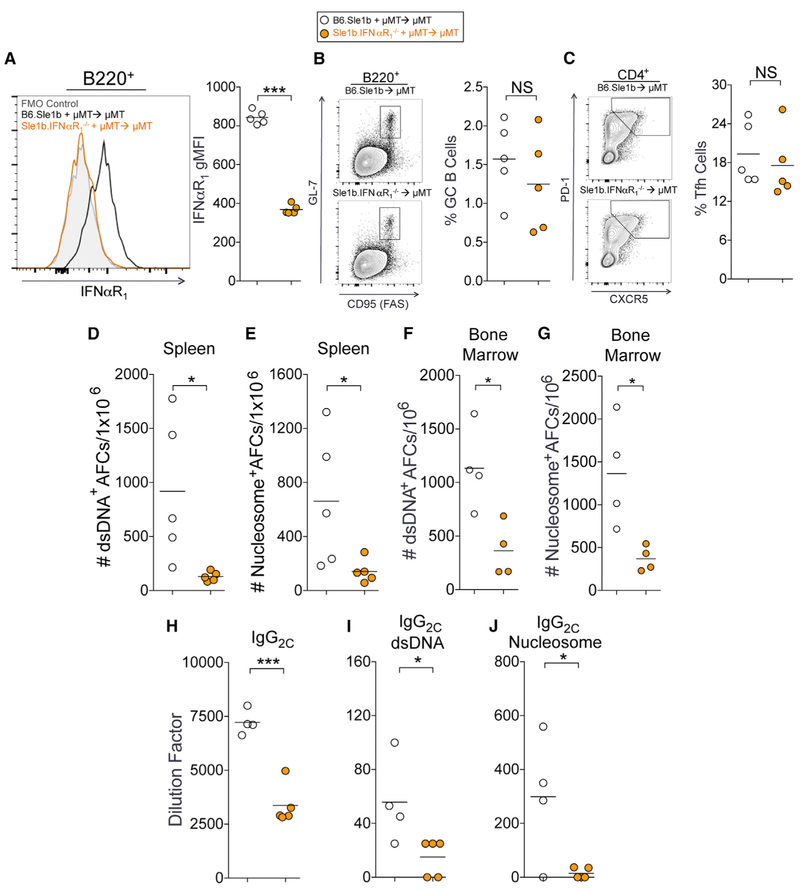
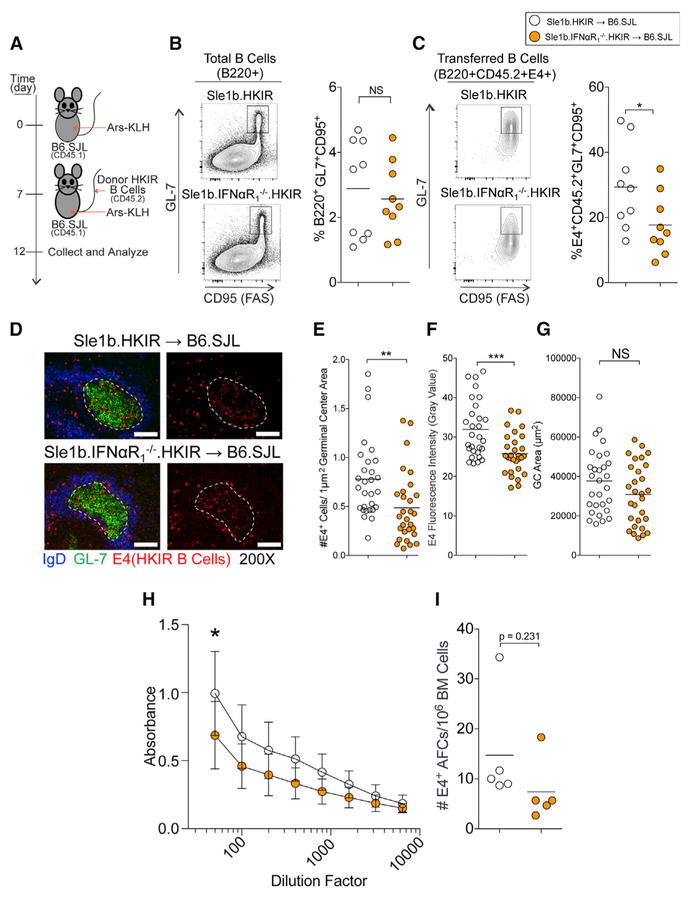
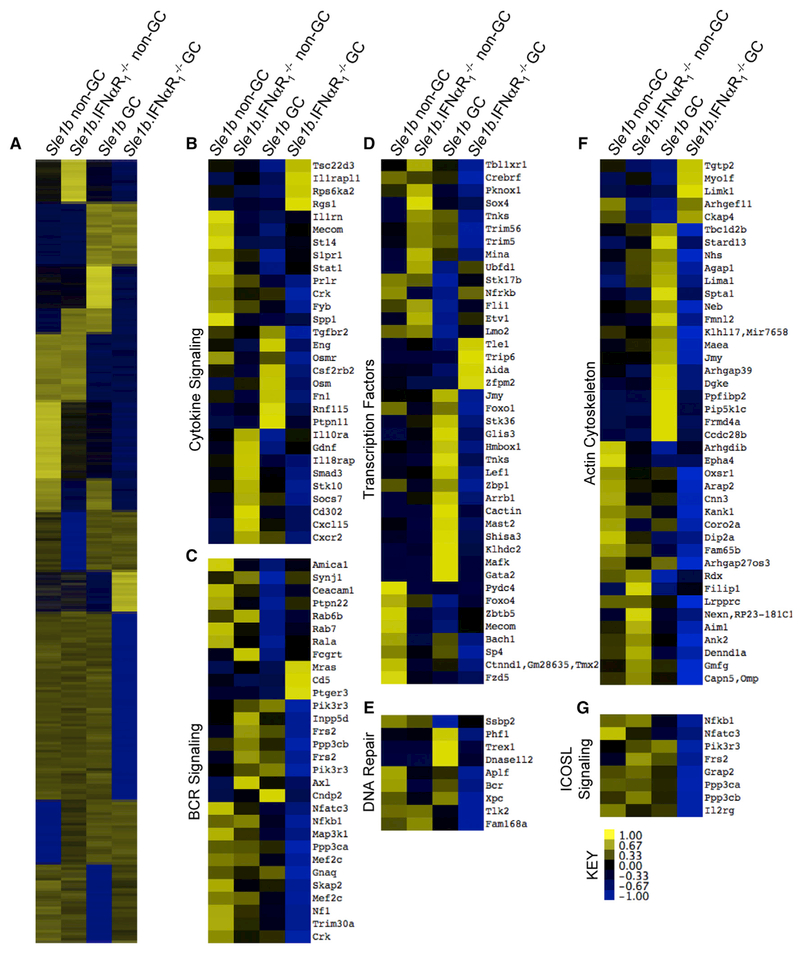
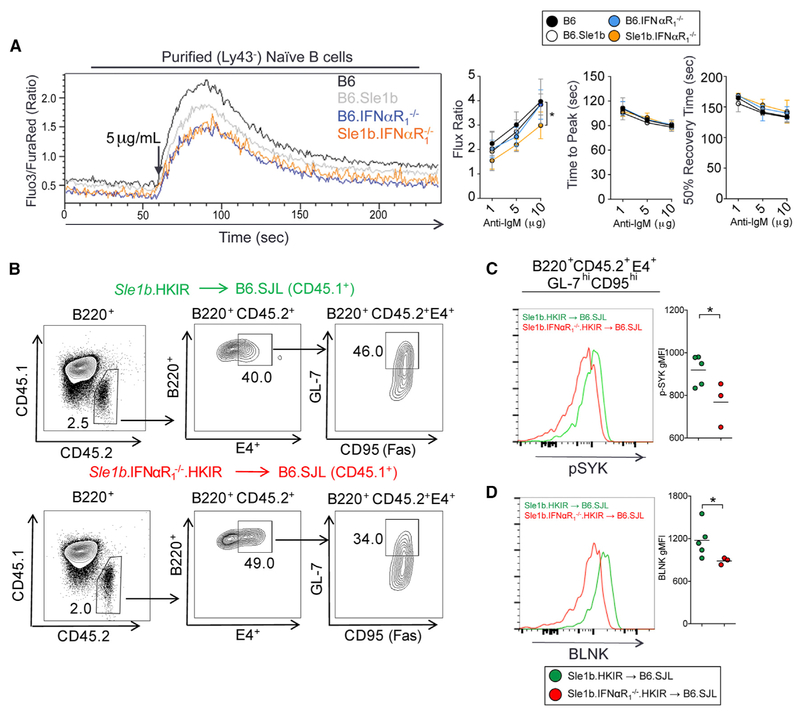
Type 1 interferon (T1IFN) signaling promotes inflammation and lupus pathology, but its role in autoreactive B cell development in the antibody-forming cell (AFC) and germinal center (GC) pathways is unclear. Using a lupus model that allows for focused study of the AFC and GC responses, we show that T1IFN signaling is crucial for autoreactive B cell development in the AFC and GC pathways. Through bone marrow chimeras, DNA-reactive B cell transfer, and GC-specific Cre mice, we confirm that IFNαR signaling in B cells promotes autoreactive B cell development into both pathways. Transcriptomic analysis reveals gene expression alterations in multiple signaling pathways in non-GC and GC B cells in the absence of IFNαR. Finally, we find that T1IFN signaling promotes autoreactive B cell development in the AFC and GC pathways by regulating BCR signaling. These data suggest value for anti-IFNαR therapy in individuals with elevated T1IFN activity before clinical disease onset.
1 型干扰素(T1IFN)信号促进炎症和狼疮病理,但它在抗体形成细胞(AFC)和生发中心(GC)途径中自身反应性 B 细胞发育中的作用尚不清楚。使用允许集中研究 AFC 和 GC 反应的狼疮模型,我们表明 T1IFN 信号对于 AFC 和 GC 途径中的自身反应性 B 细胞发育至关重要。通过骨髓嵌合体、DNA 反应性 B 细胞转移和 GC 特异性 Cre 小鼠,我们证实 B 细胞中的 IFNαR 信号促进了两条途径中自身反应性 B 细胞的发育。转录组分析显示,在缺乏 IFNαR 的情况下,非 GC 和 GC B 细胞中多个信号通路的基因表达发生改变。最后,我们发现 T1IFN 信号通过调节 BCR 信号促进 AFC 和 GC 途径中的自身反应性 B 细胞发育。这些数据表明,在临床疾病发作前 T1IFN 活性升高的个体中,抗 IFNαR 治疗具有价值。