Das Abhishek, Heesters Balthasar A, Bialas Allison, O'Flynn Joseph, Rifkin Ian R, Ochando Jordi, Mittereder Nanette, Carlesso Gianluca, Herbst Ronald, Carroll Michael C
Program in Cellular and Molecular Medicine, Boston Children's Hospital, Boston, MA 02115, USA.
Boston University School of Medicine, Boston, MA 02118, USA.
Immunity. 2017 Jan 17;46(1):106-119. doi: 10.1016/j.immuni.2016.12.014.
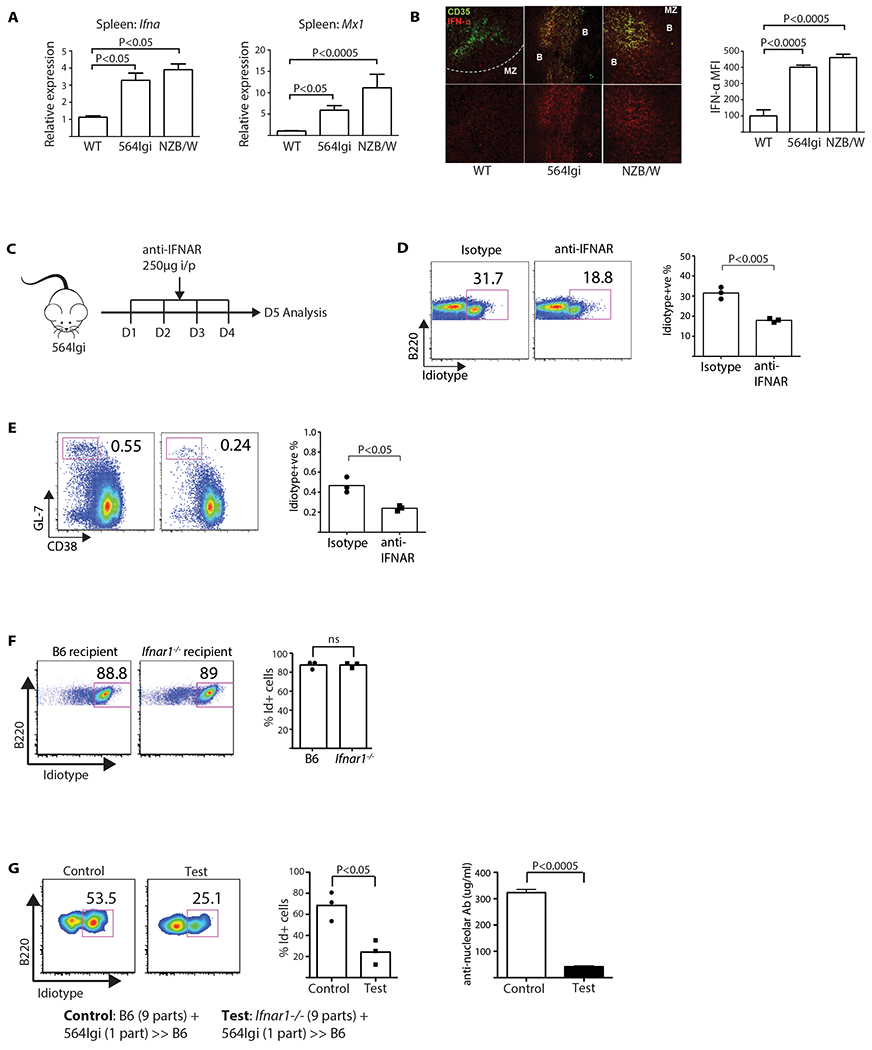
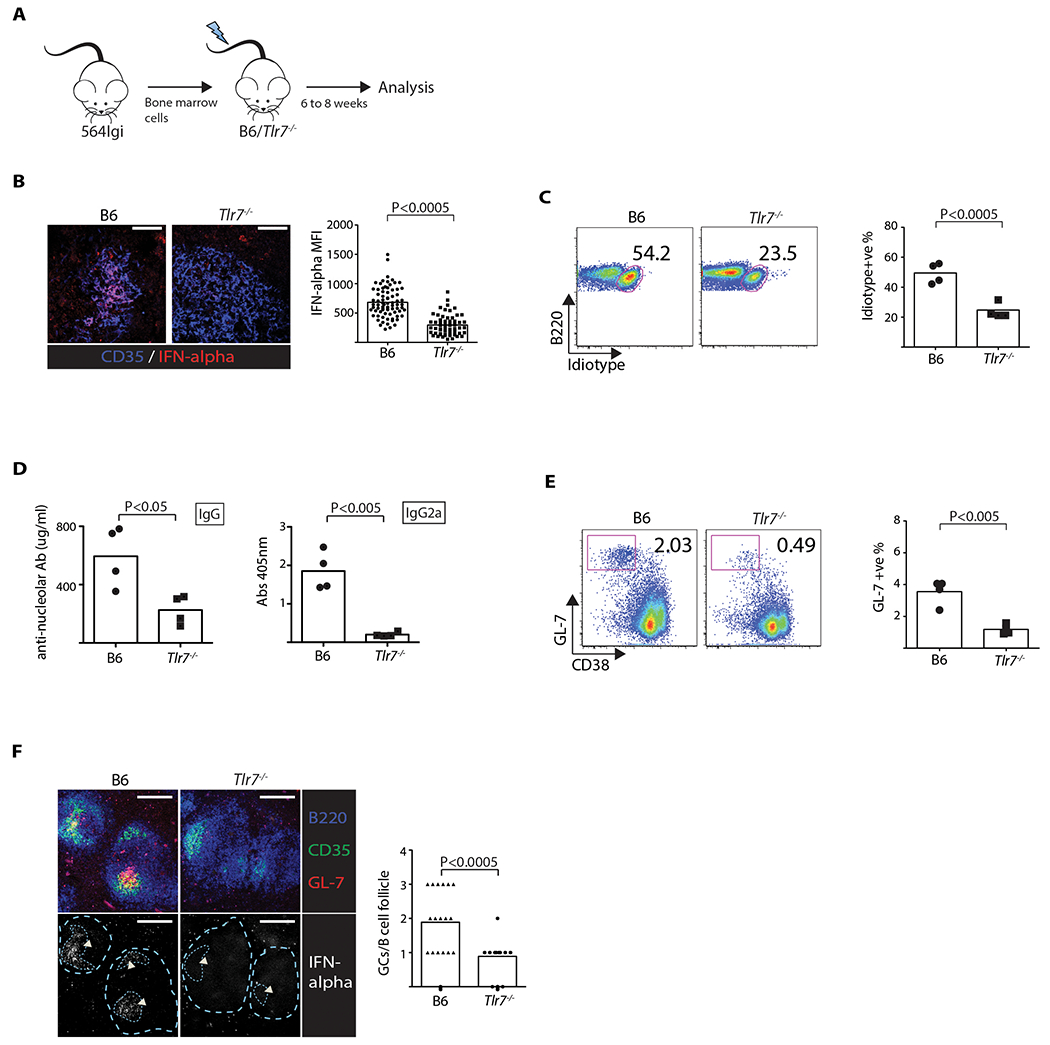
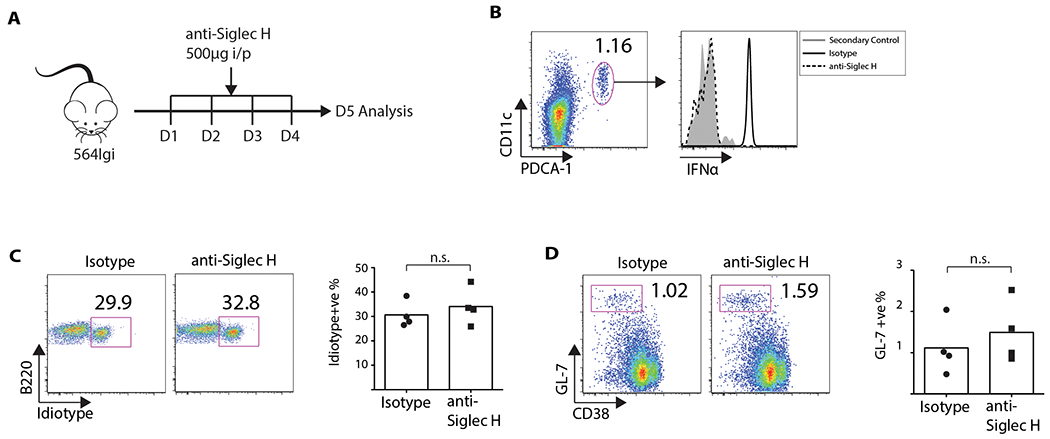
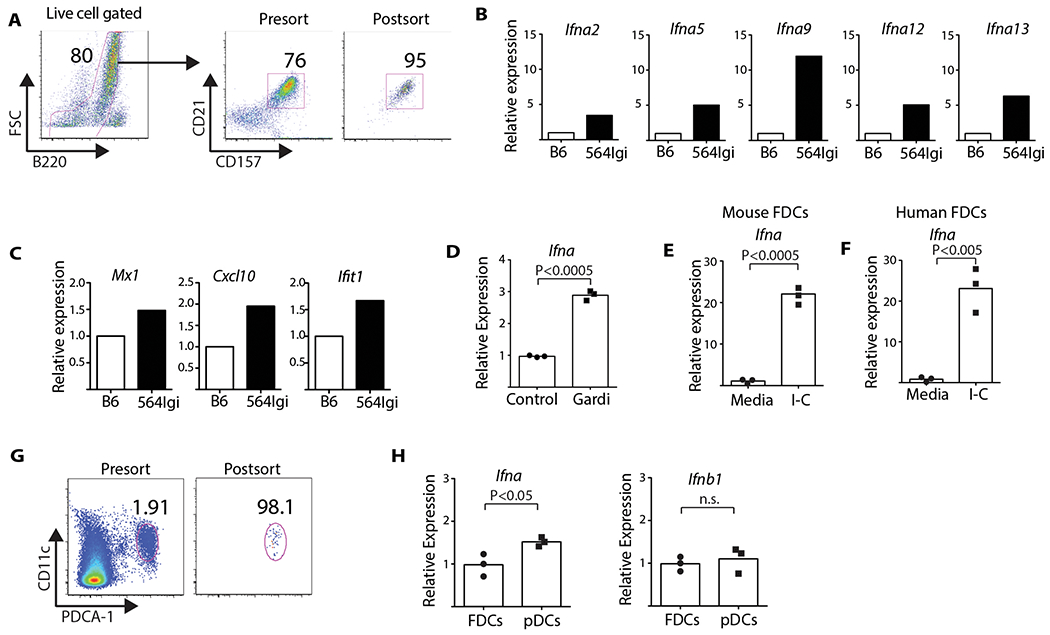
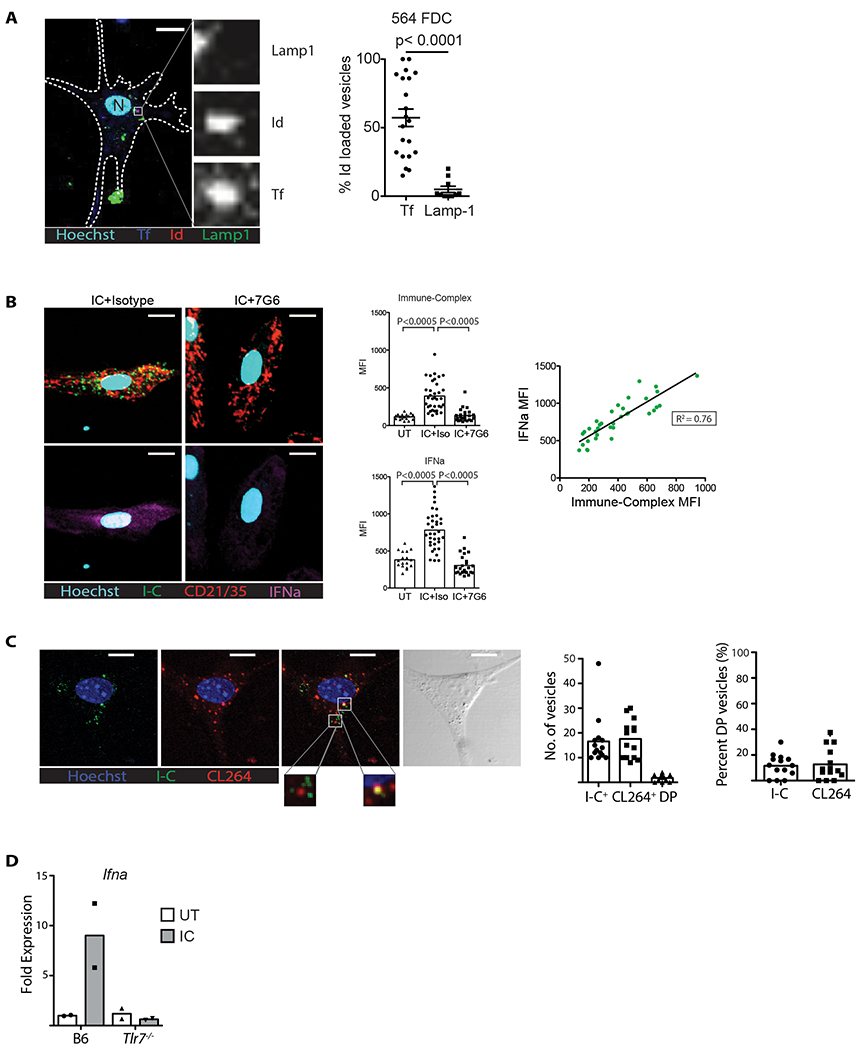
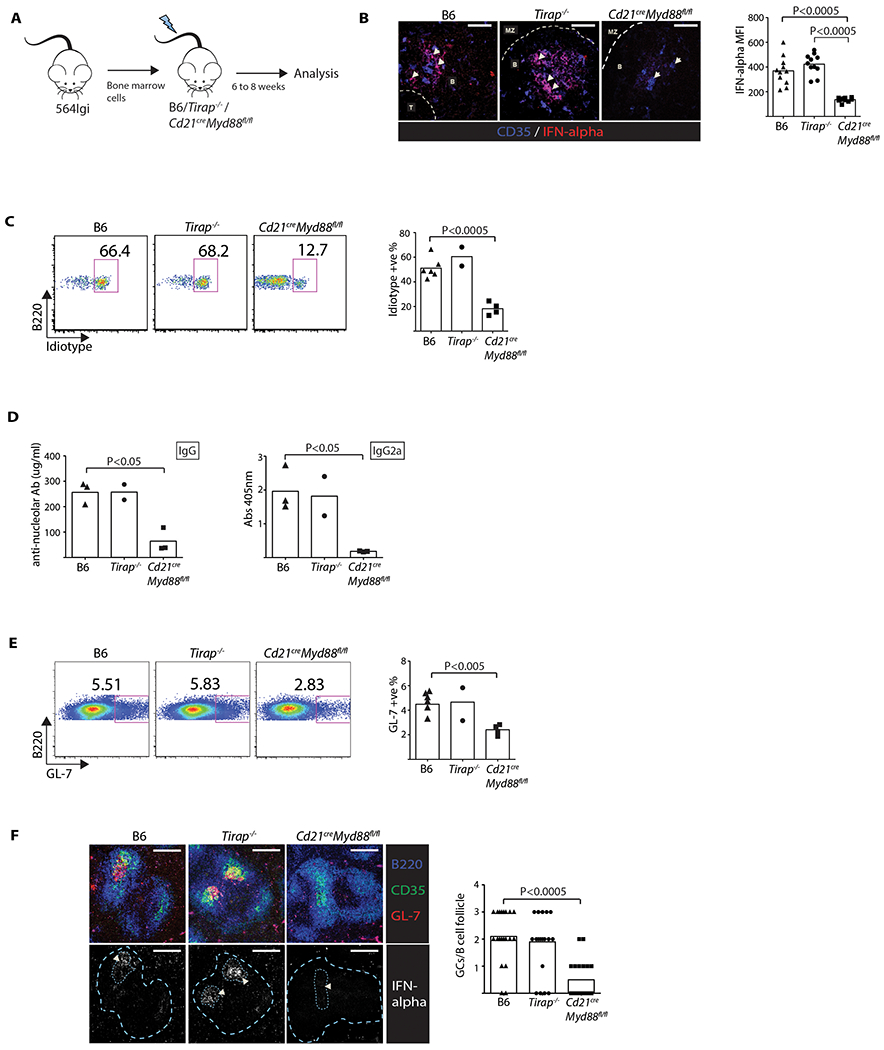
A hallmark of autoimmunity in murine models of lupus is the formation of germinal centers (GCs) in lymphoid tissues where self-reactive B cells expand and differentiate. In the host response to foreign antigens, follicular dendritic cells (FDCs) maintain GCs through the uptake and cycling of complement-opsonized immune complexes. Here, we examined whether FDCs retain self-antigens and the impact of this process in autoantibody secretion in lupus. We found that FDCs took up and retained self-immune complexes composed of ribonucleotide proteins, autoantibody, and complement. This uptake, mediated through CD21, triggered endosomal TLR7 and led to the secretion of interferon (IFN) α via an IRF5-dependent pathway. Blocking of FDC secretion of IFN-α restored B cell tolerance and reduced the amount of GCs and pathogenic autoantibody. Thus, FDCs are a critical source of the IFN-α driving autoimmunity in this lupus model. This pathway is conserved in humans, suggesting that it may be a viable therapeutic target in systemic lupus erythematosus.
在狼疮小鼠模型中,自身免疫的一个标志是在淋巴组织中形成生发中心(GCs),自身反应性B细胞在其中扩增和分化。在宿主对外源抗原的反应中,滤泡树突状细胞(FDCs)通过摄取和循环补体调理的免疫复合物来维持GCs。在此,我们研究了FDCs是否保留自身抗原以及该过程对狼疮中自身抗体分泌的影响。我们发现FDCs摄取并保留了由核糖核蛋白、自身抗体和补体组成的自身免疫复合物。这种通过CD21介导的摄取触发了内体TLR7,并通过依赖IRF5的途径导致干扰素(IFN)α的分泌。阻断FDCs分泌IFN-α可恢复B细胞耐受性,并减少GCs和致病性自身抗体的数量。因此,在这个狼疮模型中,FDCs是驱动自身免疫的IFN-α的关键来源。该途径在人类中是保守的,表明它可能是系统性红斑狼疮中一个可行的治疗靶点。