Li Ying, Cui Xiu-Liang, Chen Qing-Shan, Yu Jing, Zhang Hai, Gao Jie, Sun Du-Xin, Zhang Guo-Qing
Department of Pharmacy, Eastern Hepatobiliary Surgery Hospital, Second Military Medical University, Shanghai, 200438, China.
National Center for Liver Cancer, Shanghai, 201805, China.
BMC Pharmacol Toxicol. 2018 Jul 11;19(1):43. doi: 10.1186/s40360-018-0230-5.
Cationic liposomes (CLs) can be used as non-viral vectors in gene transfer and drug delivery. However, the underlying molecular mechanism of its cytotoxicity has not been well elucidated yet.
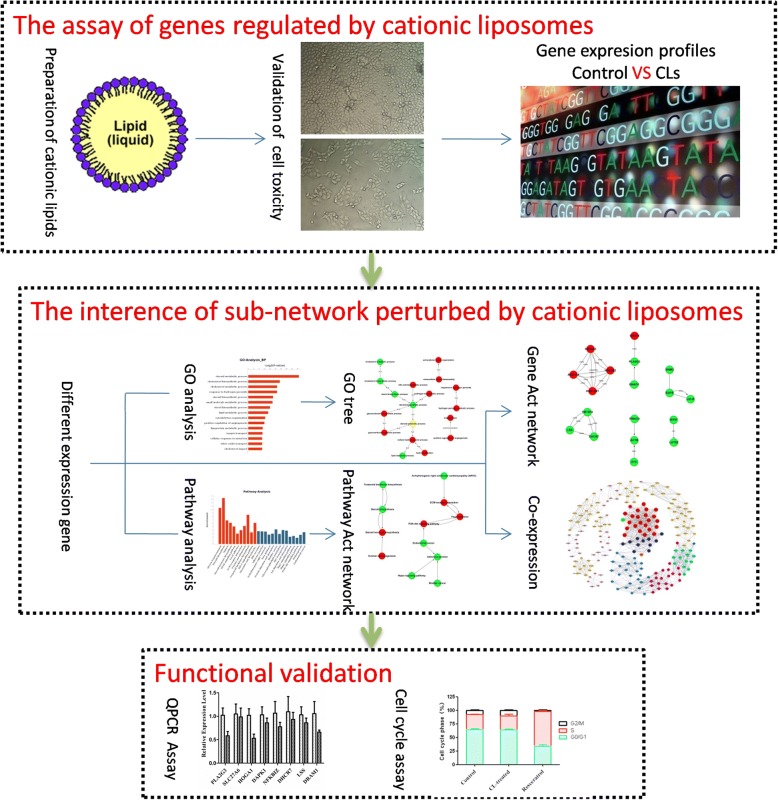
We herein report a systems biology approach based on whole-transcriptome sequencing coupled with computational method to identify the predominant genes and pathways involved in the cytotoxicity of CLs in HepG2 cell line.
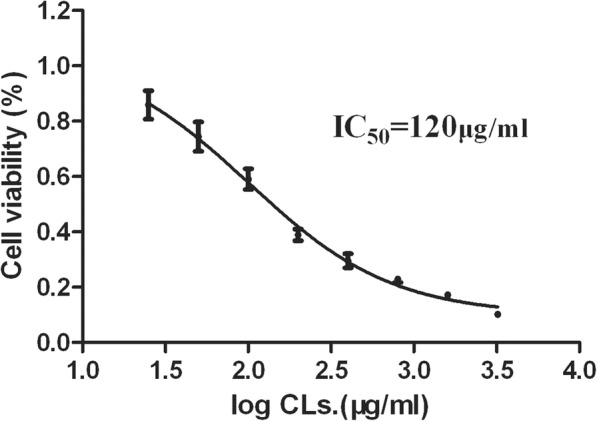
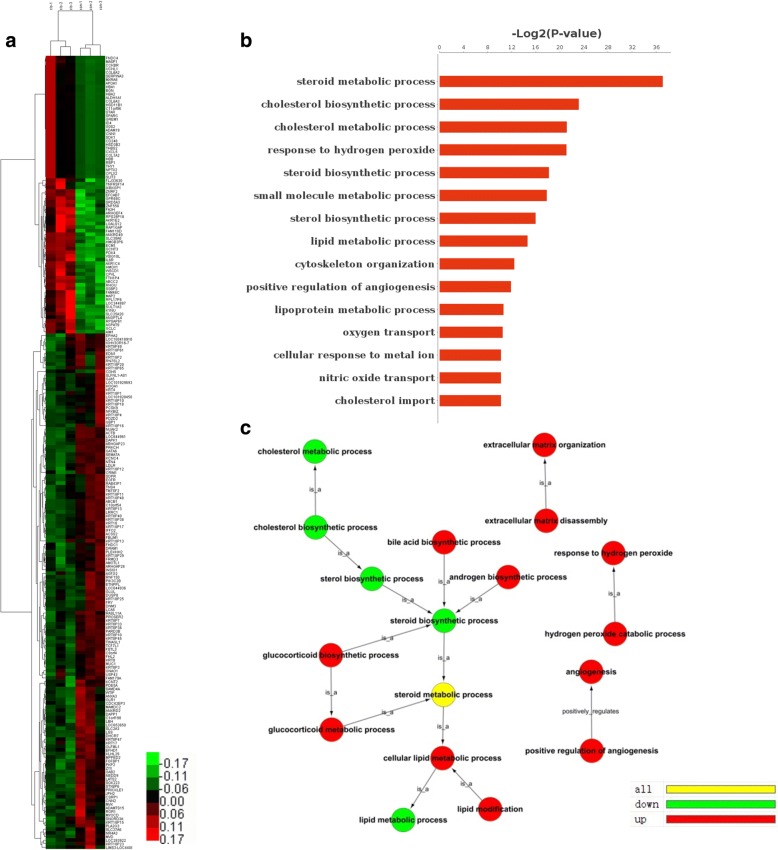
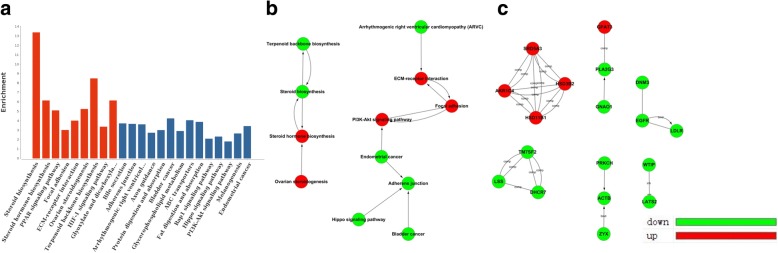
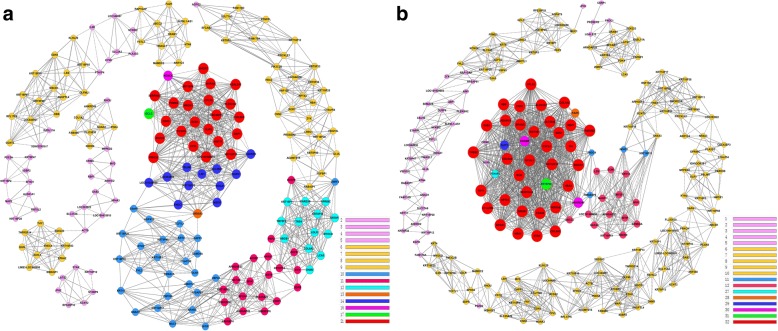
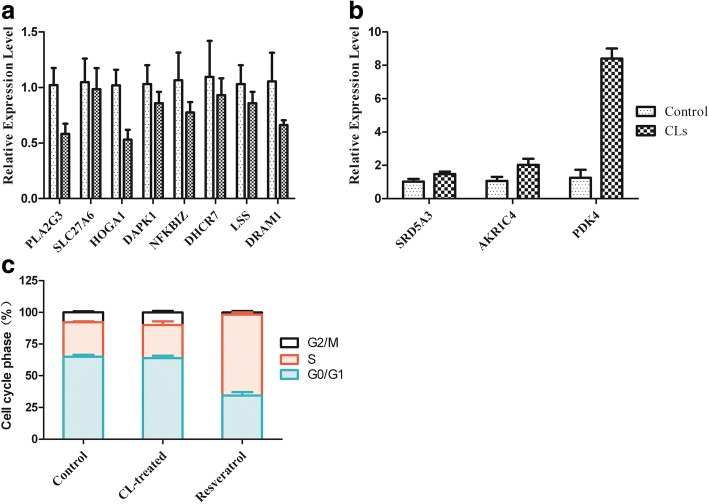
Firstly, we validated the concentration-dependent cytotoxicity of CLs with an IC of 120 μg/ml in HepG2 exposed for 24 h. Subsequently, we used whole-transcriptome sequencing to identify 220 (77 up- and 143 down-regulated) differentially expressed genes (DEGs). Gene ontology (GO) and pathway analysis showed that these DEGs were mainly related to cholesterol, steroid, lipid biosynthetic and metabolic processes. Additionally, "key regulatory" genes were identified using gene act, pathway act and co-expression network analysis, and expression levels of 11 interested altered genes were confirmed by quantitative real time PCR. Interestingly, no cell cycle arrest was observed through flow cytometry.
These data are expected to provide deep insights into the molecular mechanism of CLs cytotoxicity.
阳离子脂质体(CLs)可作为基因传递和药物递送中的非病毒载体。然而,其细胞毒性的潜在分子机制尚未得到充分阐明。
我们在此报告一种基于全转录组测序并结合计算方法的系统生物学方法,以鉴定参与CLs对HepG2细胞系细胞毒性的主要基因和通路。
首先,我们验证了在暴露24小时的HepG2细胞中,CLs具有浓度依赖性细胞毒性,其半数抑制浓度(IC)为120μg/ml。随后,我们使用全转录组测序鉴定出220个差异表达基因(DEGs)(77个上调和143个下调)。基因本体(GO)和通路分析表明,这些DEGs主要与胆固醇、类固醇、脂质生物合成和代谢过程相关。此外,使用基因活性、通路活性和共表达网络分析鉴定了“关键调控”基因,并通过定量实时PCR确认了11个感兴趣的基因的表达水平变化。有趣的是,通过流式细胞术未观察到细胞周期停滞。
这些数据有望为CLs细胞毒性的分子机制提供深入见解。