Hartz Anika M S, Zhong Yu, Shen Andrew N, Abner Erin L, Bauer Björn
Sanders-Brown Center on Aging, University of Kentucky, Lexington, KY, United States.
Department of Pharmacology and Nutritional Sciences, University of Kentucky, Lexington, KY, United States.
Front Aging Neurosci. 2018 Jun 26;10:186. doi: 10.3389/fnagi.2018.00186. eCollection 2018.
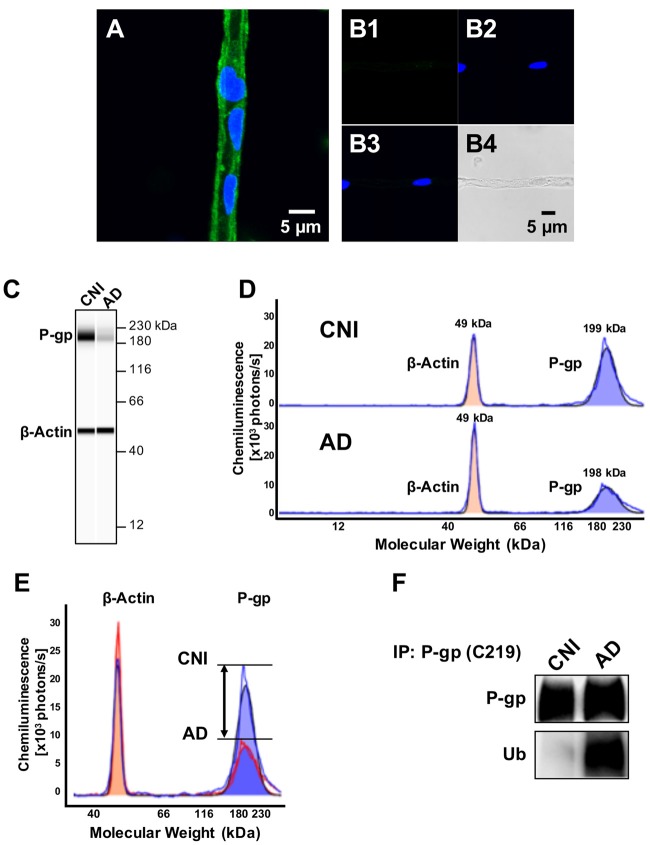
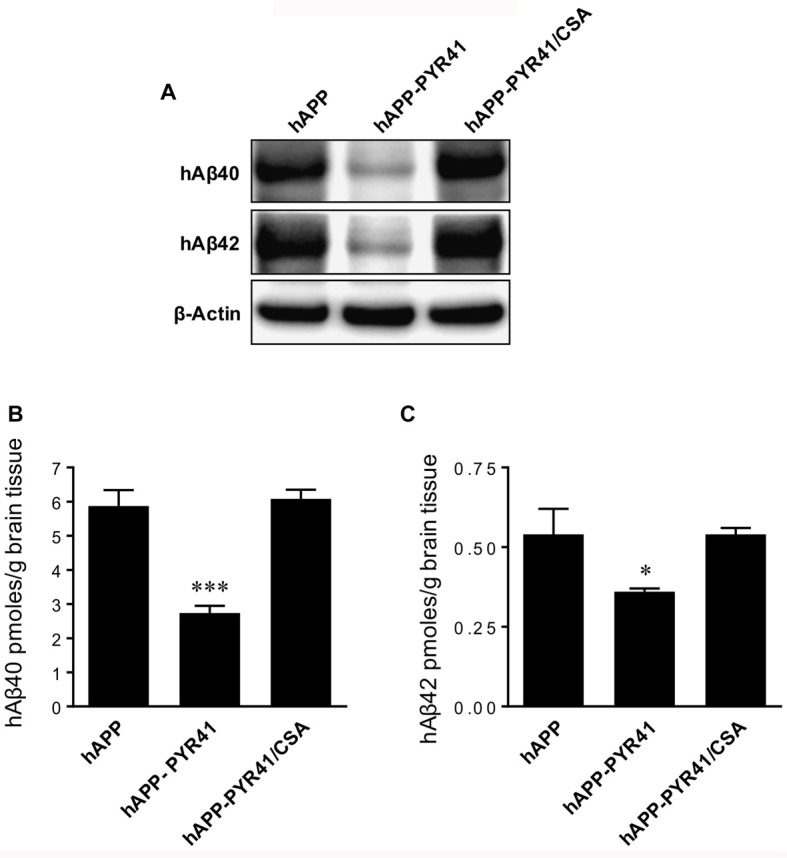
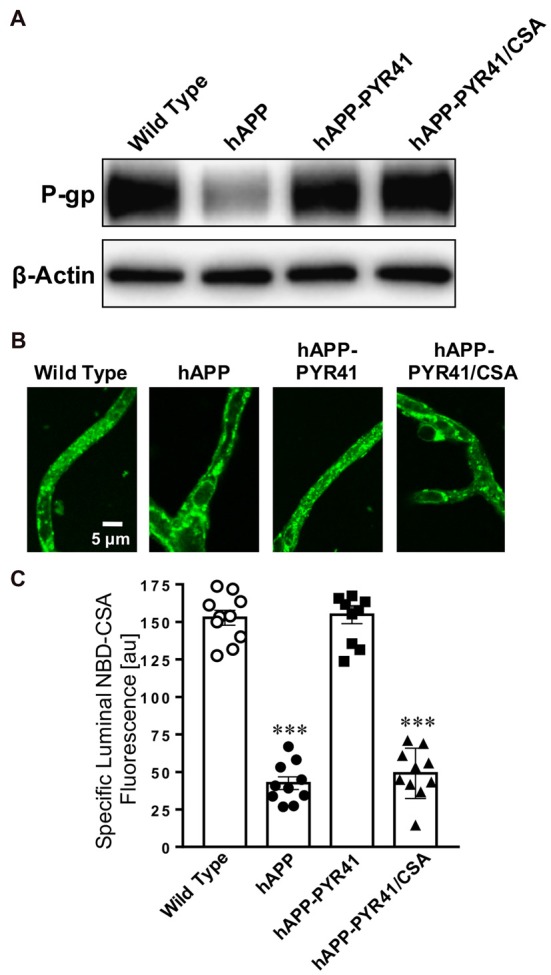
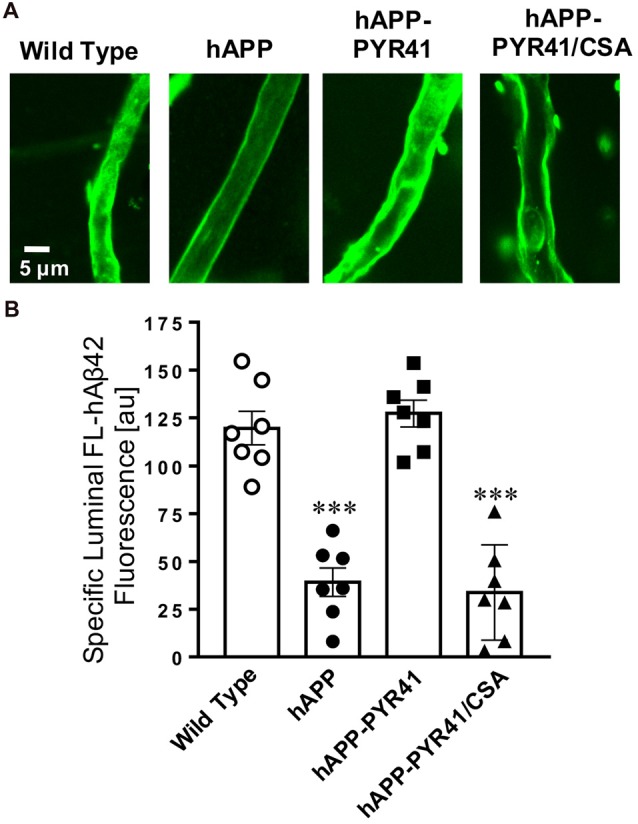
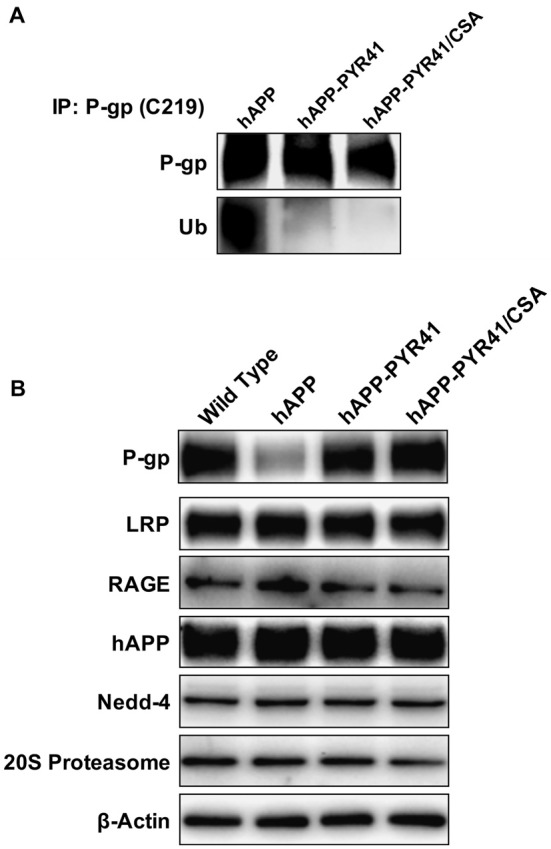
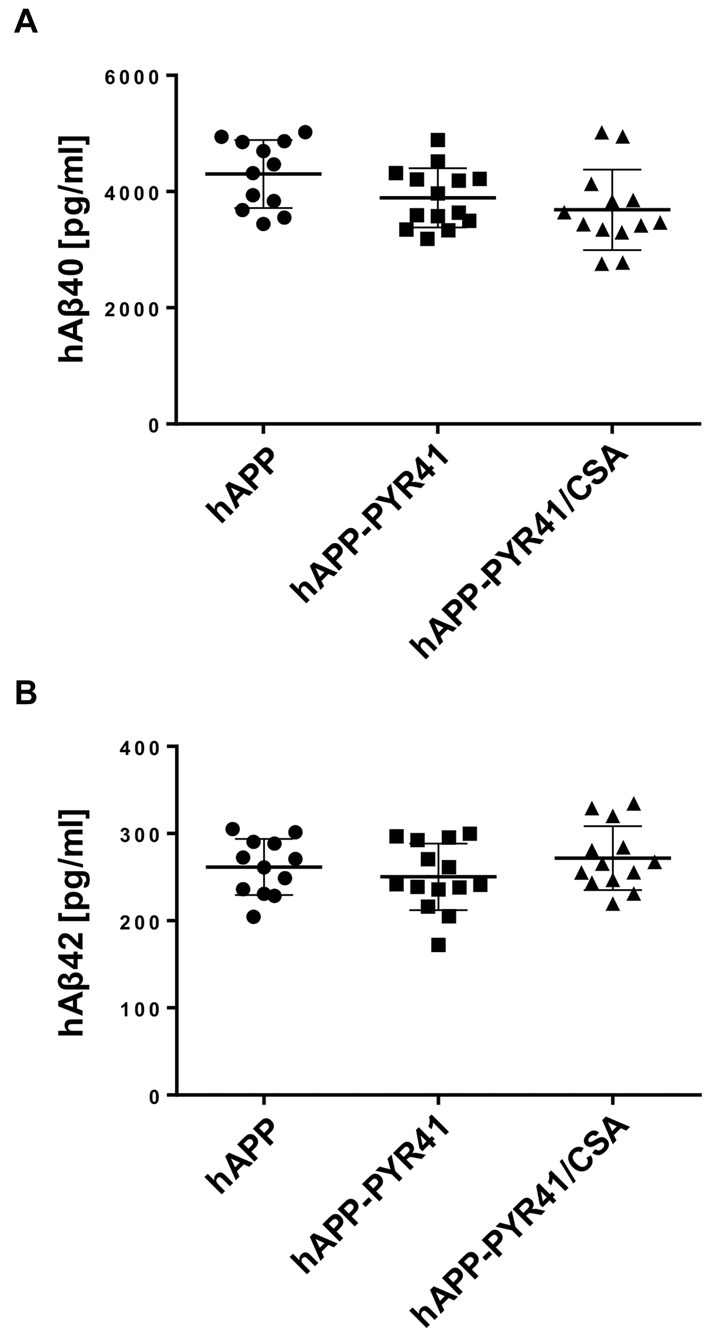
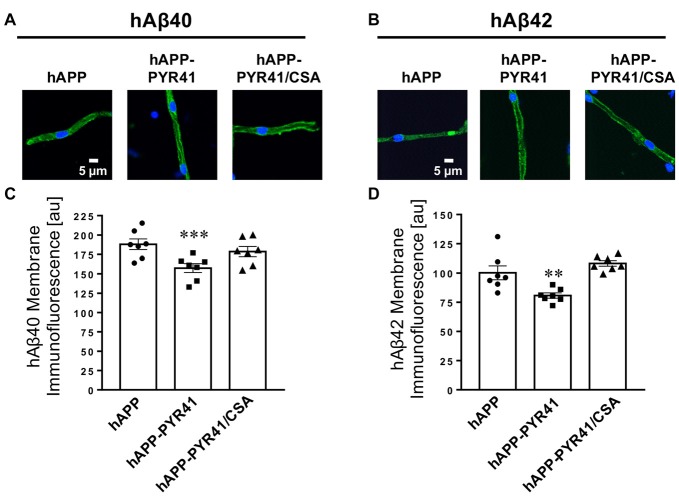
One characteristic of Alzheimer's disease (AD) is excessive accumulation of amyloid-β (Aβ) in the brain. Aβ brain accumulation is, in part, due to a reduction in Aβ clearance from the brain across the blood-brain barrier. One key element that contributes to Aβ brain clearance is P-glycoprotein (P-gp) that transports Aβ from brain to blood. In AD, P-gp protein expression and transport activity levels are significantly reduced, which impairs Aβ brain clearance. The mechanism responsible for reduced P-gp expression and activity levels is poorly understood. We recently demonstrated that Aβ triggers P-gp degradation through the ubiquitin-proteasome pathway. Consistent with these data, we show here that ubiquitinated P-gp levels in brain capillaries isolated from brain samples of AD patients are increased compared to capillaries isolated from brain tissue of cognitive normal individuals. We extended this line of research to studies using transgenic human amyloid precursor protein (hAPP)-overexpressing mice (Tg2576) that were treated with PYR41, a cell-permeable, irreversible inhibitor of the ubiquitin-activating enzyme E1. Our data show that inhibiting P-gp ubiquitination protects the transporter from degradation, and immunoprecipitation experiments confirmed that PYR41 prevented P-gp ubiquitination. We further found that PYR41 treatment prevented reduction of P-gp protein expression and transport activity levels and substantially lowered Aβ brain levels in hAPP mice. Together, our findings provide proof that the ubiquitin-proteasome system mediates reduction of blood-brain barrier P-gp in AD and that inhibiting P-gp ubiquitination prevents P-gp degradation and lowers Aβ brain levels. Thus, targeting the ubiquitin-proteasome system may provide a novel therapeutic approach to protect blood-brain barrier P-gp from degradation in AD and other Aβ-based pathologies.
阿尔茨海默病(AD)的一个特征是大脑中β淀粉样蛋白(Aβ)的过度积累。Aβ在大脑中的积累部分是由于其通过血脑屏障从大脑清除的能力下降。有助于Aβ从大脑清除的一个关键因素是P-糖蛋白(P-gp),它将Aβ从大脑转运到血液中。在AD中,P-gp蛋白表达和转运活性水平显著降低,这损害了Aβ从大脑的清除。导致P-gp表达和活性水平降低的机制尚不清楚。我们最近证明,Aβ通过泛素-蛋白酶体途径触发P-gp降解。与这些数据一致,我们在此表明,与从认知正常个体脑组织中分离的毛细血管相比,从AD患者脑样本中分离的脑毛细血管中泛素化P-gp水平升高。我们将这一系列研究扩展到使用过表达转基因人类淀粉样前体蛋白(hAPP)的小鼠(Tg2576)进行的研究,这些小鼠用PYR41处理,PYR41是一种可渗透细胞的、不可逆的泛素激活酶E1抑制剂。我们的数据表明,抑制P-gp泛素化可保护转运蛋白不被降解,免疫沉淀实验证实PYR41可防止P-gp泛素化。我们进一步发现,PYR41处理可防止hAPP小鼠中P-gp蛋白表达和转运活性水平的降低,并显著降低大脑中Aβ的水平。总之,我们的研究结果证明,泛素-蛋白酶体系统介导了AD中血脑屏障P-gp的减少,并且抑制P-gp泛素化可防止P-gp降解并降低大脑中Aβ的水平。因此,针对泛素-蛋白酶体系统可能提供一种新的治疗方法,以保护血脑屏障P-gp在AD和其他基于Aβ的疾病中不被降解。