Marine Biomedical and Biotechnology Research, Harbor Branch Oceanographic Institute at Florida Atlantic University, 5600 US 1 North, Fort Pierce, FL, 34946, USA.
Invest New Drugs. 2019 Apr;37(2):262-270. doi: 10.1007/s10637-018-0635-4. Epub 2018 Jul 12.
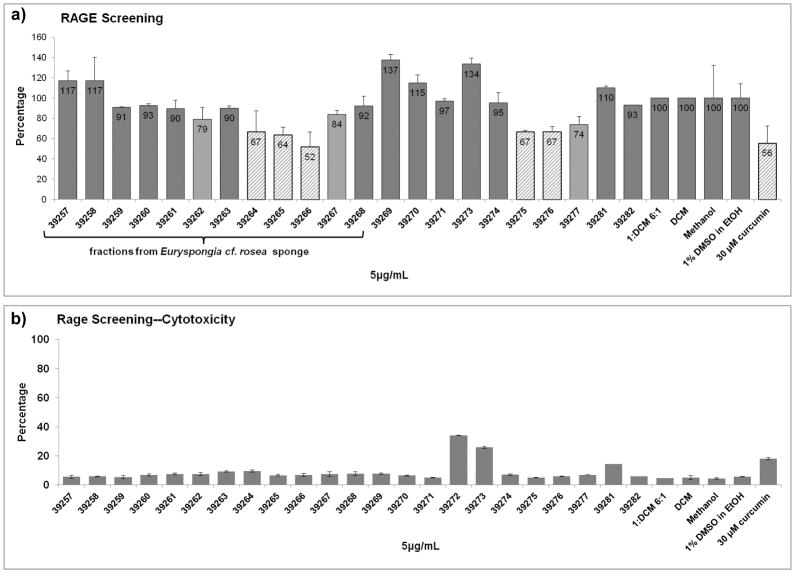
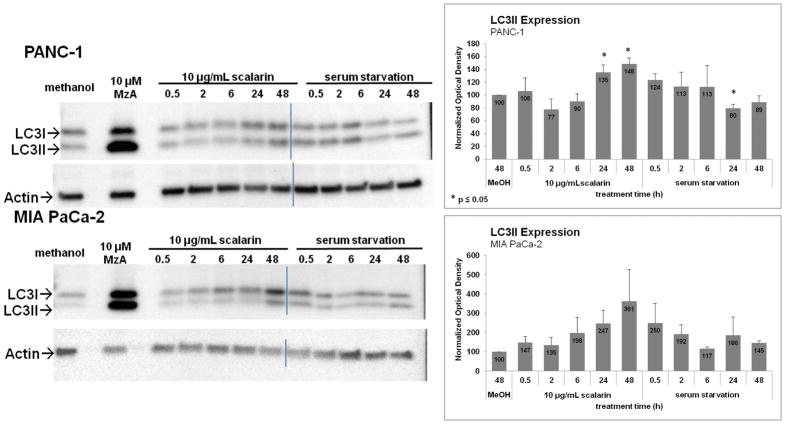
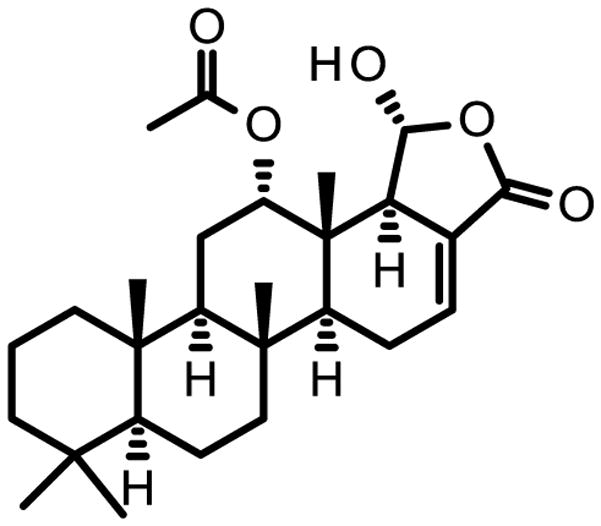
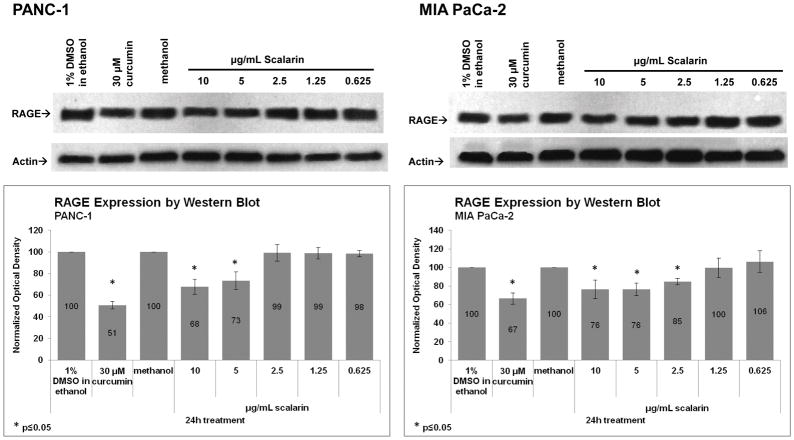
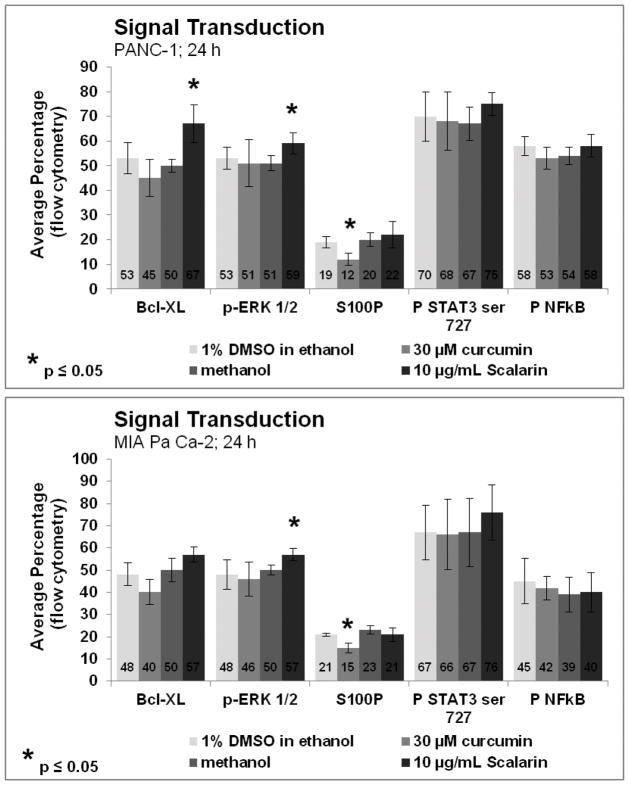
Pancreatic cancer, the fourth leading cause of cancer death in the United States, has a negative prognosis because metastasis occurs before symptoms manifest. Although combination therapies are showing improvements in treatment, the survival rate for pancreatic cancer five years post diagnosis is only 8%, stressing the need for new treatments. The receptor for advanced glycation end products (RAGE) has recently emerged as a chemotherapeutic target in KRAS driven pancreatic cancers both for treatment and in chemoprevention. RAGE appears to be an important regulator of inflammatory, stress and survival pathways that lead to carcinogenesis, resistance to chemotherapy, enhanced proliferation and the high metastatic potential of pancreatic cancer. RAGE expression has been demonstrated in pancreatic cancer tumors but not in adjacent epithelial tissues. Its presence is associated with increased proliferation and metastasis. In an effort to identify novel inhibitors of RAGE among our collection of marine-derived secondary metabolites, a cell-based screening assay utilizing flow cytometry was developed. This effort led to the identification of scalarin as the active compound in a marine sponge identified as Euryspongia cf. rosea. Scalarin is a sesterterpene natural product isolated previously from a different marine sponge. Scalarin reduces the levels of RAGE and inhibits autophagy in the PANC-1 and MIA PaCa-2 pancreatic cancer cell lines. Its IC for cytotoxicity ranges between 20 and 30 μM in the AsPC-1, PANC-1, MIA PaCa-2 and BxPC-3 pancreatic cancer cell lines. Inhibition of autophagy limits tumor growth and tumorigenesis in pancreatic cancer, making scalarin an interesting compound that may merit further study.
胰腺癌是美国第四大癌症死亡原因,由于在出现症状之前就已经发生转移,因此预后较差。尽管联合疗法在治疗方面显示出了一些改善,但在诊断出胰腺癌后的五年生存率仅为 8%,这凸显了对新疗法的需求。晚期糖基化终产物(RAGE)受体最近成为 KRAS 驱动的胰腺癌的一种化疗靶点,既用于治疗,也用于化学预防。RAGE 似乎是导致癌症发生、对化疗耐药、增强增殖和胰腺癌高转移潜能的炎症、应激和存活途径的重要调节剂。在胰腺癌肿瘤中已证实有 RAGE 表达,但在相邻的上皮组织中则没有。其存在与增殖和转移增加有关。为了在我们的海洋衍生次生代谢产物库中鉴定出 RAGE 的新型抑制剂,我们开发了一种基于细胞的筛选测定法,利用流式细胞术进行检测。这一努力导致鉴定出 scalarin 是一种被鉴定为 Euryspongia cf. rosea 的海洋海绵中的活性化合物。Scalarin 是一种先前从不同的海洋海绵中分离出的甾体萜类天然产物。Scalarin 可降低 PANC-1 和 MIA PaCa-2 胰腺癌细胞系中 RAGE 的水平并抑制自噬。其在 AsPC-1、PANC-1、MIA PaCa-2 和 BxPC-3 胰腺癌细胞系中的细胞毒性 IC 范围在 20 至 30μM 之间。自噬的抑制限制了胰腺癌的肿瘤生长和肿瘤发生,使得 scalarin 成为一种可能值得进一步研究的有趣化合物。