Ludwig-Maximilians-University, Biomedical Center, Physiological Genomics, Munich, Germany.
Ludwig-Maximilians-University, Biomedical Center, Core Facility Bioinformatics, Munich, Germany.
PLoS One. 2018 Jul 12;13(7):e0200567. doi: 10.1371/journal.pone.0200567. eCollection 2018.
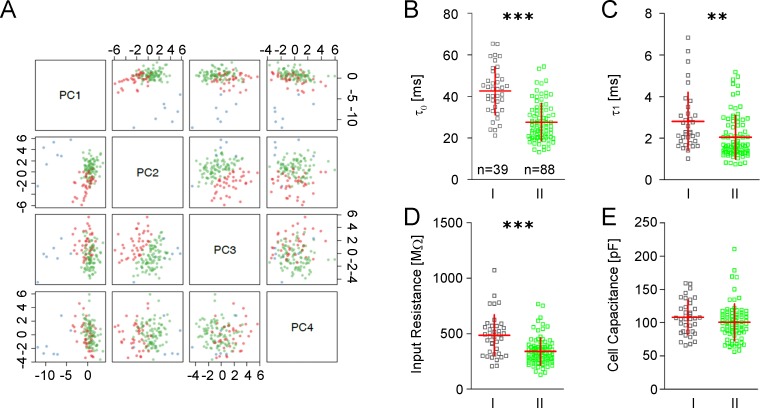
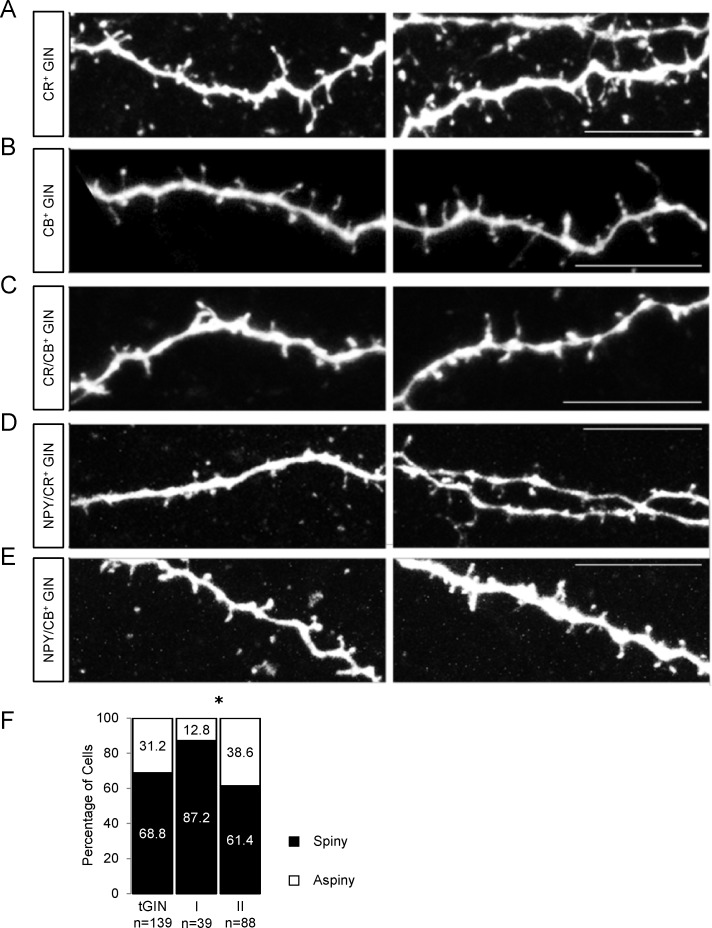
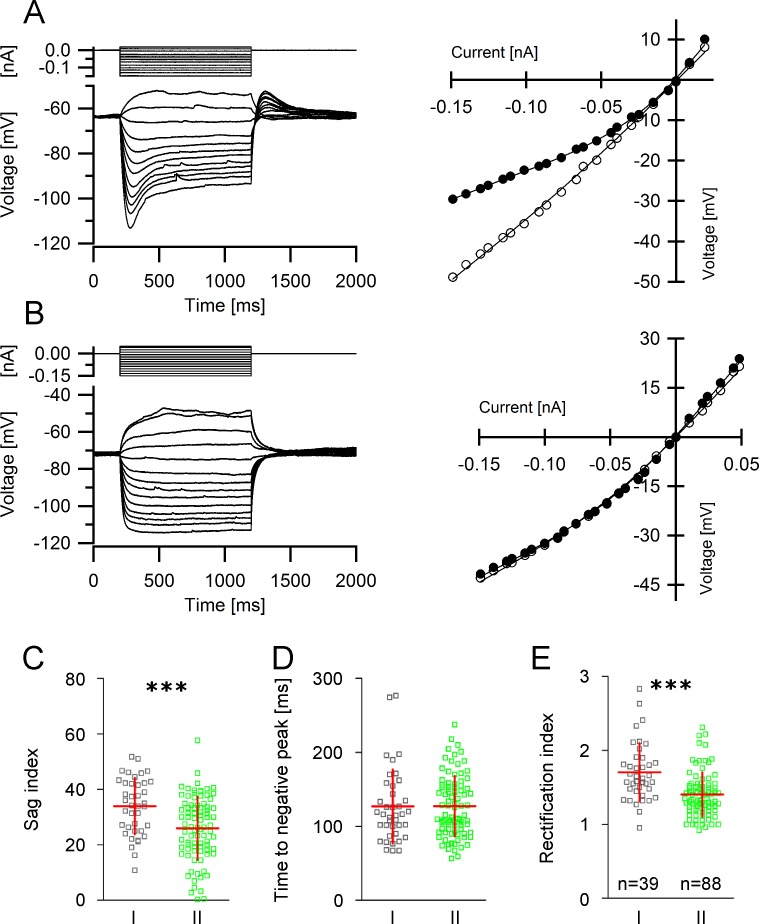
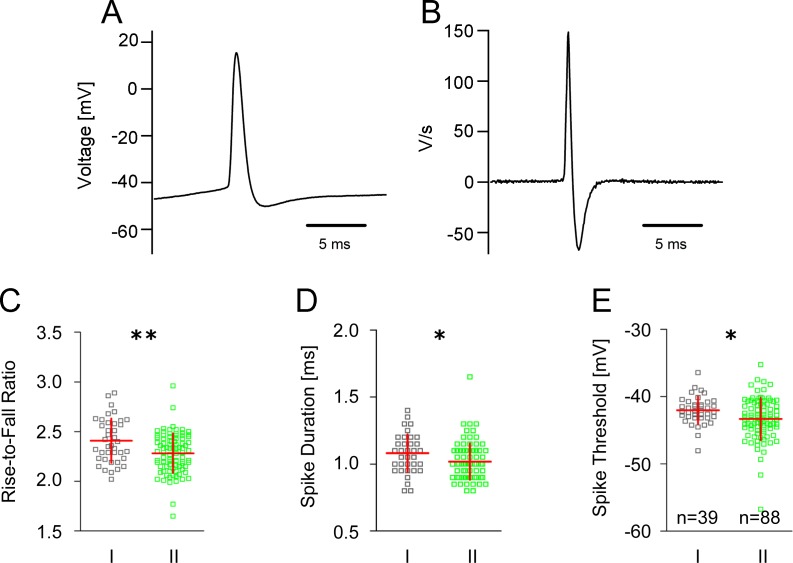
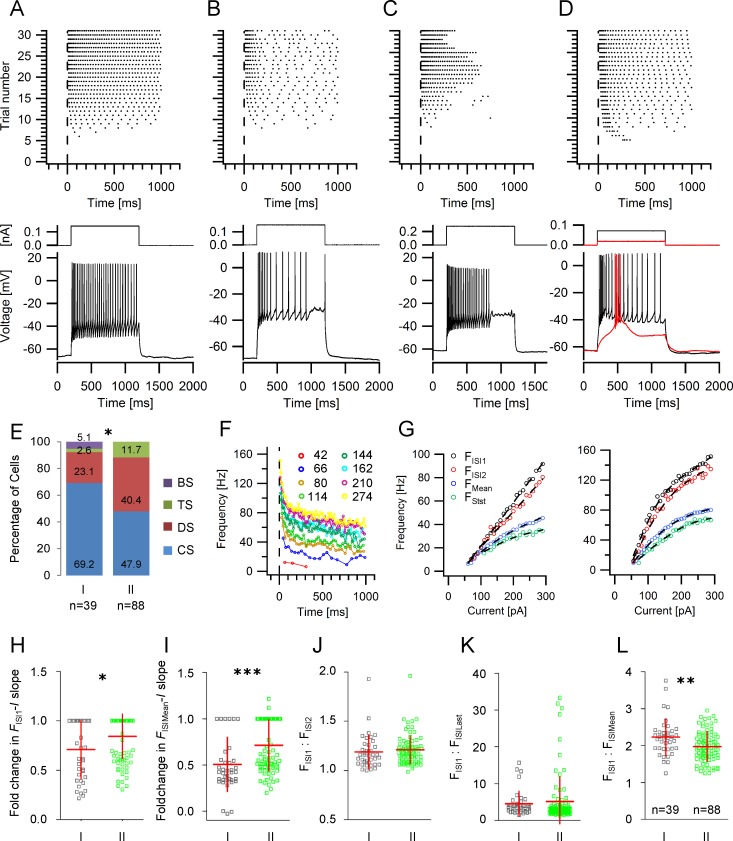
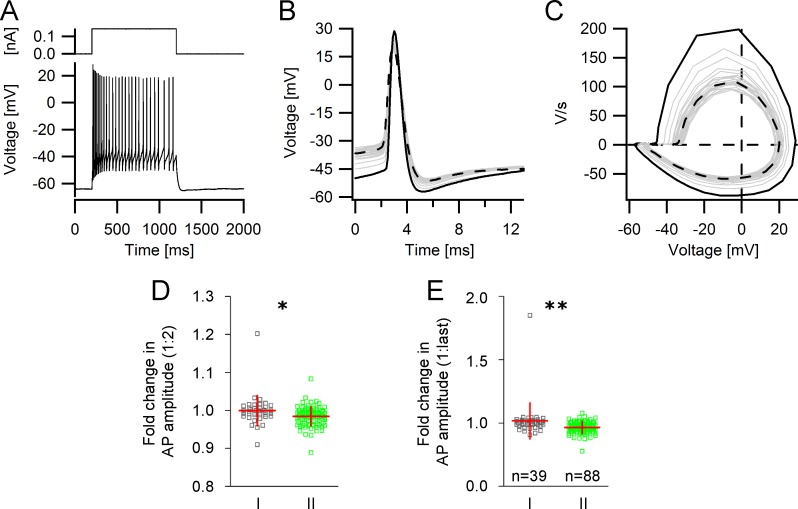
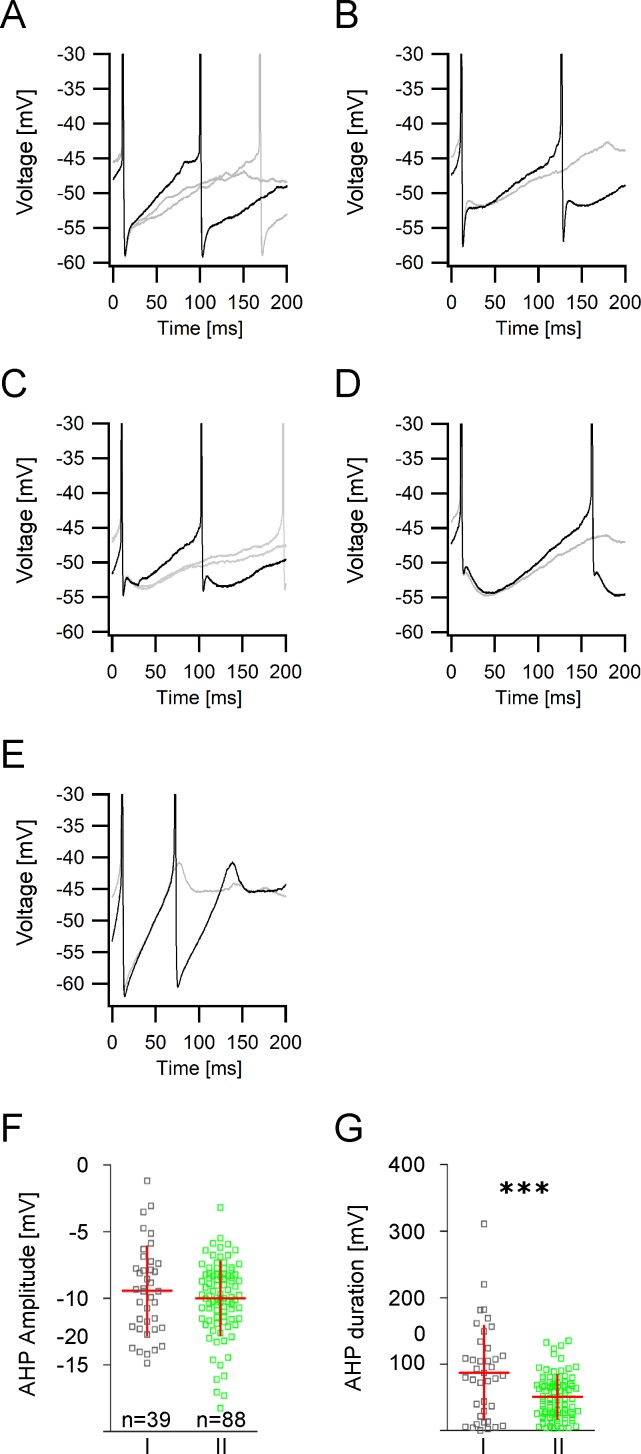
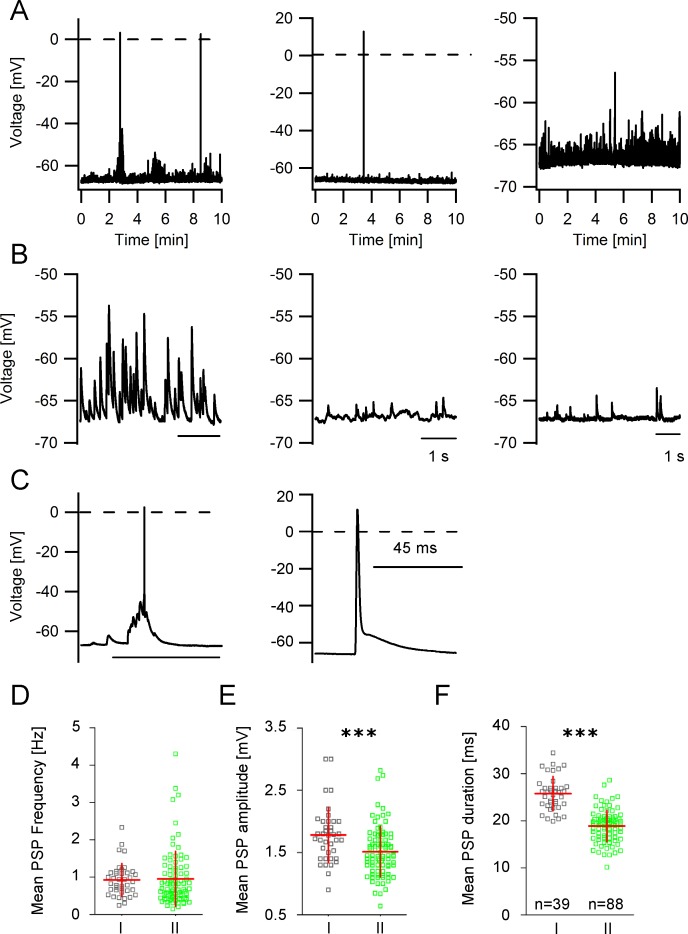
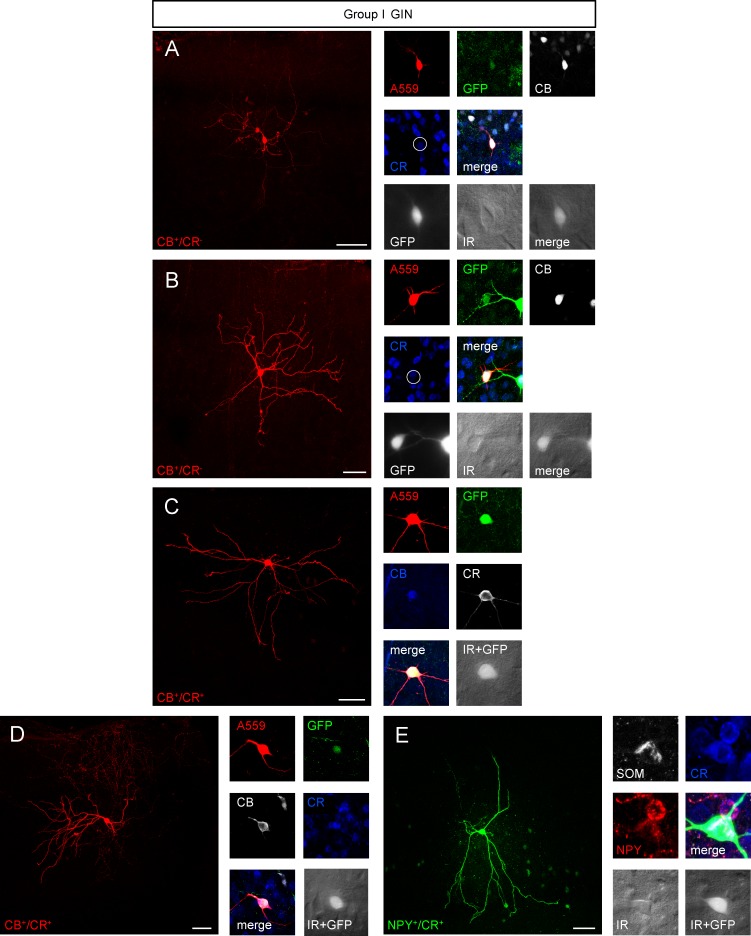
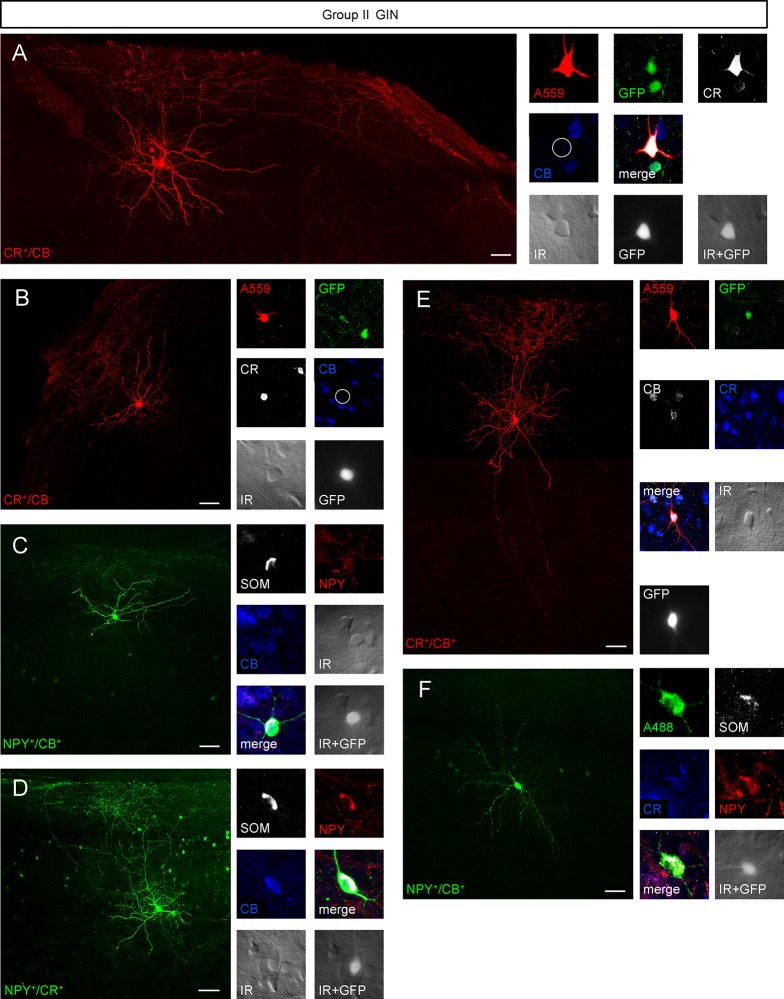
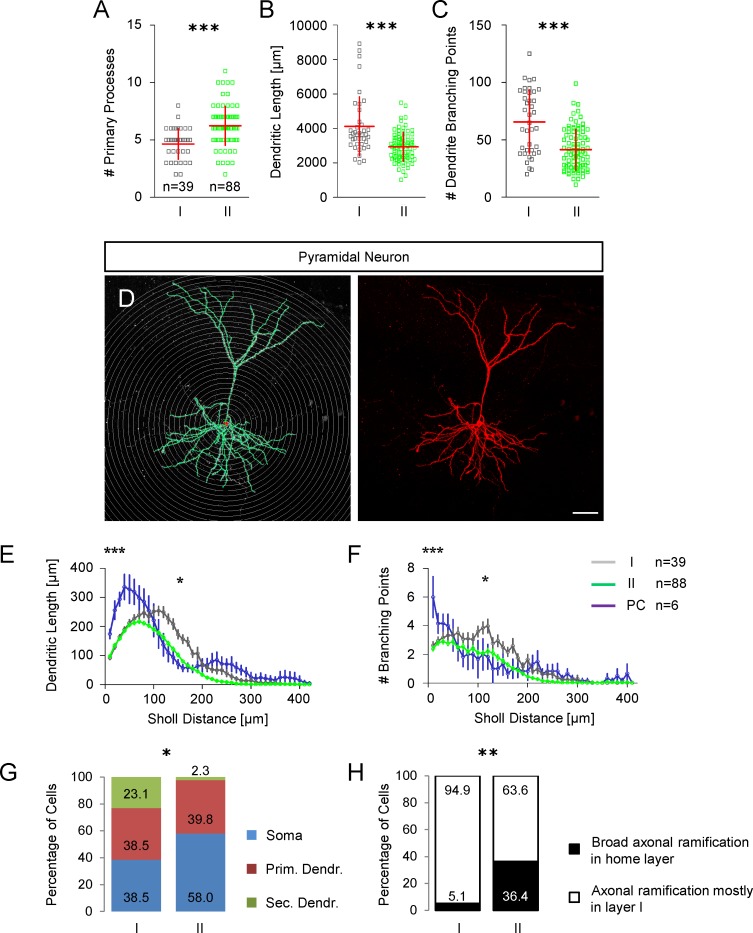
Somatostatin-expressing (SOM+), inhibitory interneurons represent a heterogeneous group of cells and given their remarkable diversity, classification of SOM+ interneurons remains a challenging task. Electrophysiological, morphological and neurochemical classes of SOM+ interneurons have been proposed in the past but it remains unclear as to what extent these classes are congruent. We performed whole-cell patch-clamp recordings from 127 GFP-labeled SOM+ interneurons ('GIN') of the superficial cingulate cortex with subsequent biocytin-filling and immunocytochemical labeling. Principal component analysis followed by k-means clustering predicted two putative subtypes of SOM+ interneurons, which we designated as group I and group II GIN. A key finding of our study is the fact that these electrophysiologically and morphologically distinct groups of SOM+ interneurons can be correlated with two neurochemical subtypes of SOM+ interneurons described recently in our laboratory. In particular, all SOM+ interneurons expressing calbindin but no calretinin could be classified as group I GIN, whereas all but one neuropeptide Y- and calretinin-positive interneurons were found in group II.
生长抑素表达(SOM+)抑制性中间神经元代表了一组异质细胞,由于其显著的多样性,SOM+中间神经元的分类仍然是一项具有挑战性的任务。过去已经提出了电生理学、形态学和神经化学分类的 SOM+中间神经元,但这些分类在多大程度上是一致的仍不清楚。我们从浅层扣带皮层的 127 个 GFP 标记 SOM+中间神经元(“GIN”)中进行了全细胞膜片钳记录,随后进行了生物胞素填充和免疫细胞化学标记。主成分分析后进行 k-均值聚类预测了两种可能的 SOM+中间神经元亚型,我们将其命名为 I 组和 II 组 GIN。我们研究的一个关键发现是,这些电生理学和形态学上不同的 SOM+中间神经元群可以与我们实验室最近描述的两种神经化学亚型 SOM+中间神经元相关联。特别是,所有表达钙结合蛋白但不表达钙视网膜蛋白的 SOM+中间神经元都可以被分类为 I 组 GIN,而除了一个神经肽 Y 和钙视网膜蛋白阳性中间神经元外,所有中间神经元都存在于 II 组中。