Chen Xi, Li Zhipeng, He Ning, Zheng Yanmei, Li Heng, Wang Haitao, Wang Yuanpeng, Lu Yinghua, Li Qingbiao, Peng YaJuan
1Department of Chemical and Biochemical Engineering, College of Chemistry and Chemical Engineering, The Key Lab for Synthetic Biotechnology of Xiamen City, Xiamen University, Xiamen, 361005 People's Republic of China.
2College of Food and Biological Engineering, Jimei University, Xiamen, People's Republic of China.
Biotechnol Biofuels. 2018 Jul 9;11:190. doi: 10.1186/s13068-018-1190-0. eCollection 2018.
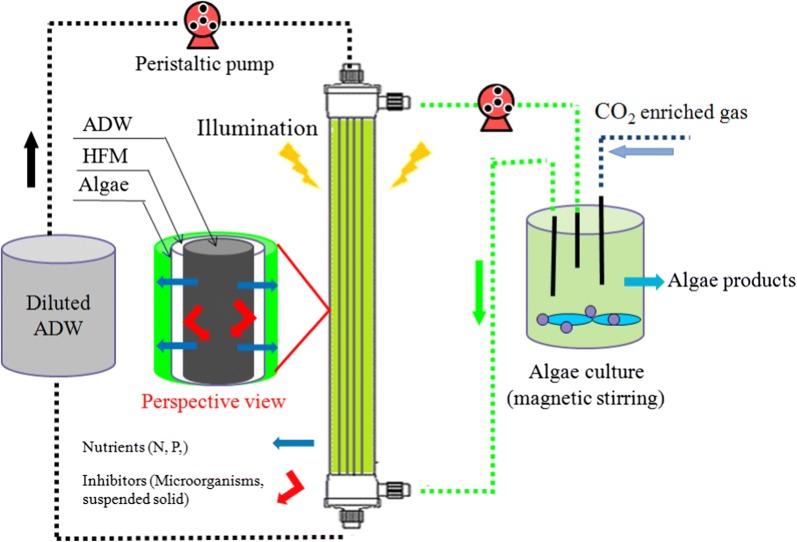
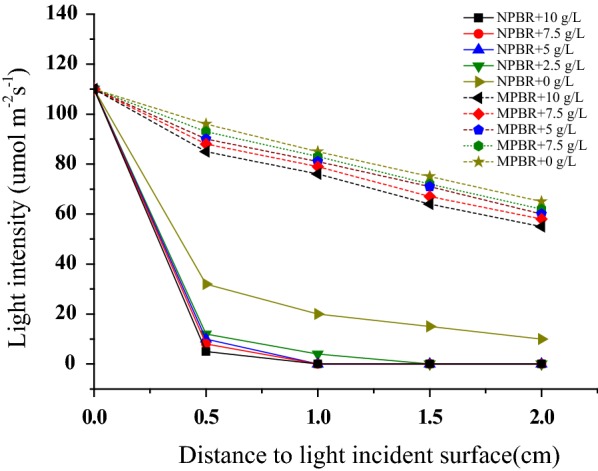
With the further development of anaerobic digestion, an increasing output of anaerobically digested wastewater (ADW), which typically contained high concentrations of ammonium, phosphate, and suspended solids, was inevitable. Microalgae cultivation offered a potential waste-to-value strategy to reduce the high nutrient content in ADW and obtain high value-added microalgae. However, ADW generally contained a mass of pollutants (suspended solids, competitors, etc.), which could inhibit microalgae growth and even result in microalgae death by limiting light utilization. Thus, it is highly imperative to solve the problem by a novel modified photobioreactor for further practical applications.
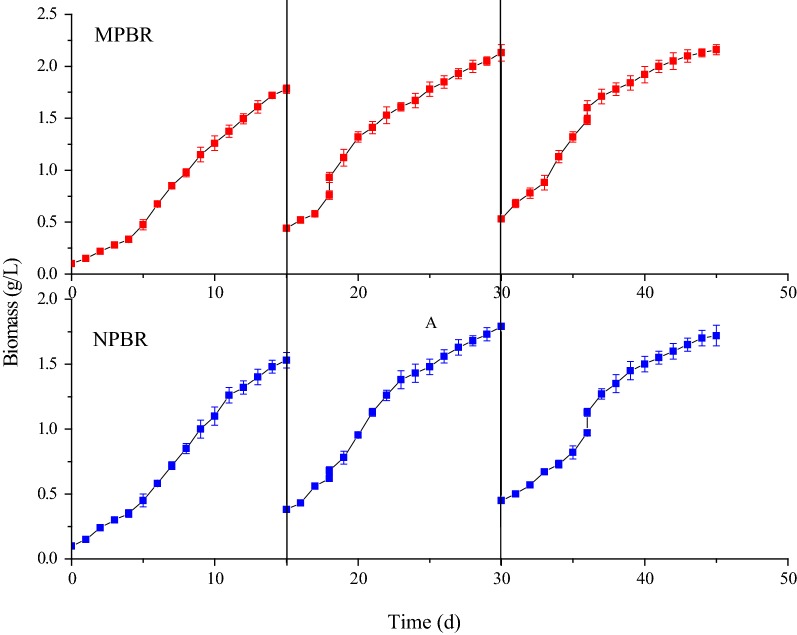
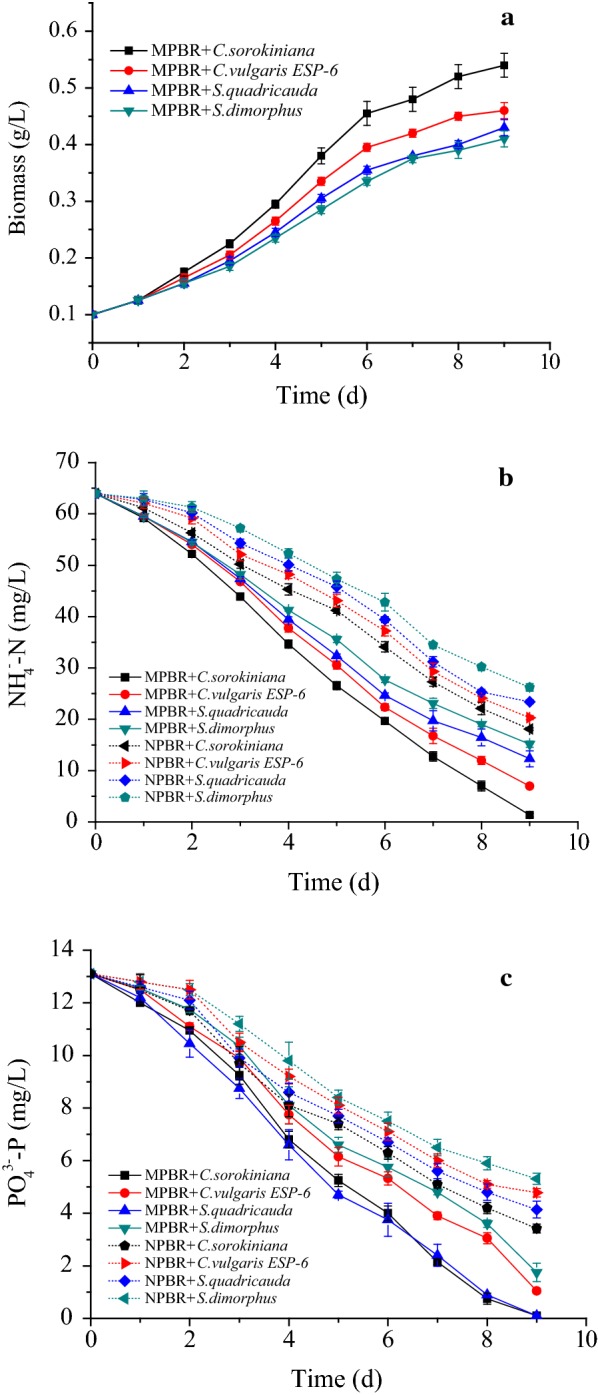
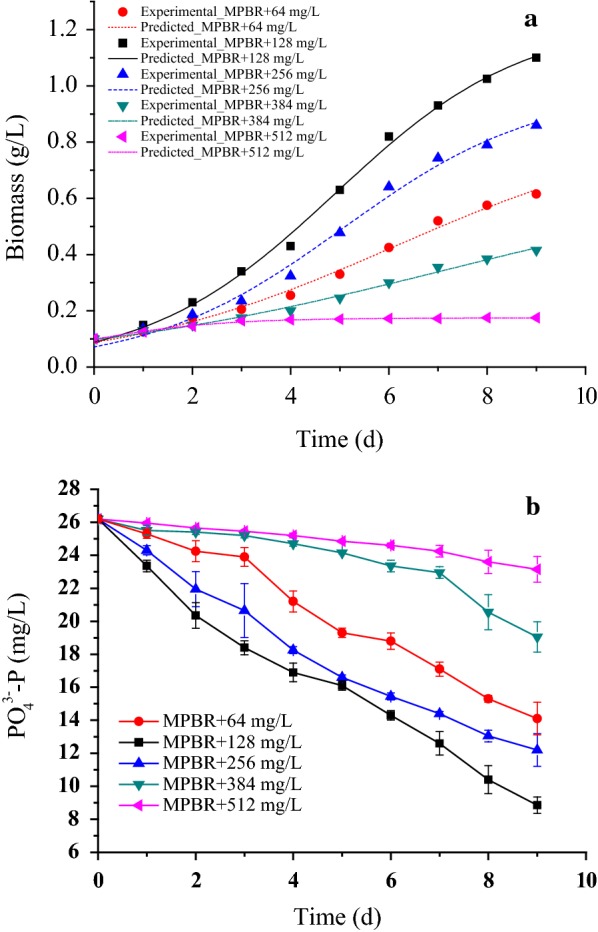
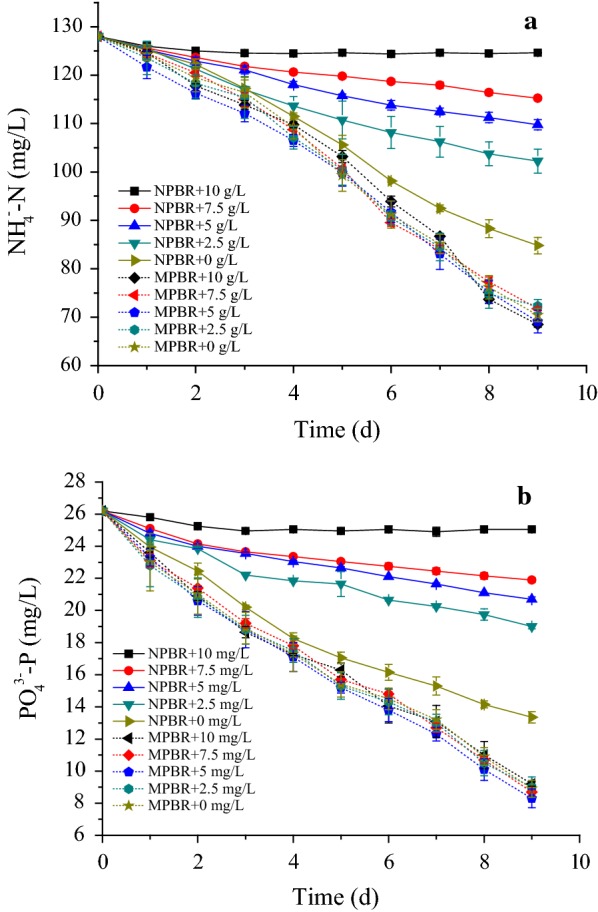
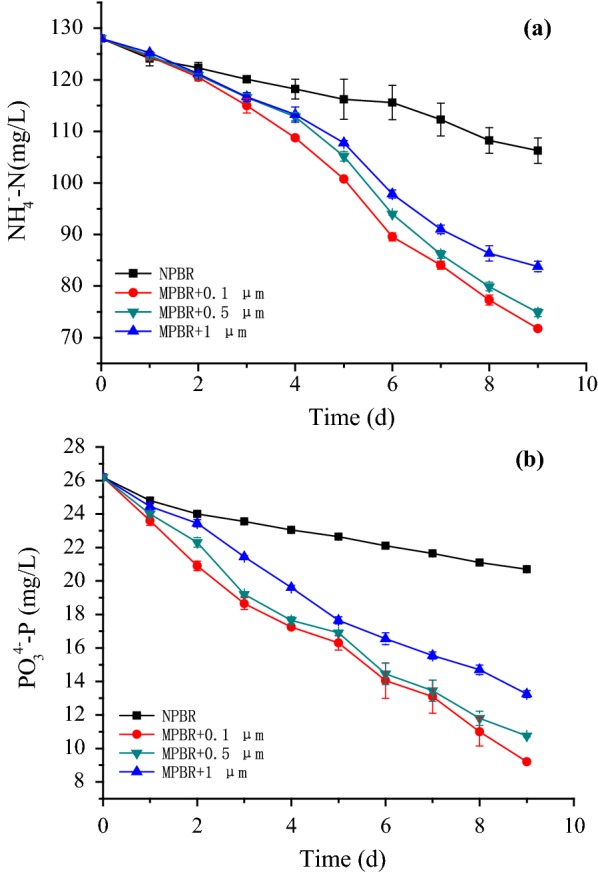
Four microalgae species, , , , and ESP-6, were cultivated in the membrane photobioreactor (MPBR) fed with ADW to investigate the efficiency of ammonia and phosphorus removal. The results showed that had the best performance for the removal of ammonia and phosphorus from ADW. The highest amount of biomass was 1.15 g/L, and the removal efficiency of phosphate (66.2%) peaked at an ammonia concentration of 128.5 mg/L after 9 days' incubation. Moreover, the MPBR with 0.1 μm membrane pore size had the best ammonia and phosphate removal efficiencies (43.9 and 64.9%) at an ammonia concentration of 128.5 mg/L during 9 days' incubation. Finally, the continuous multi-batch cultivation of was performed for 45 days in MPBR, and higher removal ammonia amount (18.1 mg/day) and proteins content (45.6%) were obtained than those (14.5 mg/day and 37.4%) in an normal photobioreactor.
In this study, a novel MPBR not only eliminated the inhibitory effects of suspended solid and microorganisms, but also maintained a high microalgae concentration to obtain a high amount of ammonia and phosphate removal. The research provided a theoretical foundation for the practical application of MPBRs in various wastewater treatment schemes without pretreatment by algae, which could be used as biofuels or protein feed.
随着厌氧消化的进一步发展,厌氧消化废水(ADW)的产量不断增加,这种废水通常含有高浓度的铵、磷酸盐和悬浮固体。微藻培养提供了一种潜在的变废为宝策略,可降低ADW中的高营养成分并获得高附加值的微藻。然而,ADW通常含有大量污染物(悬浮固体、竞争者等),这些污染物会抑制微藻生长,甚至通过限制光利用导致微藻死亡。因此,通过新型改良光生物反应器解决该问题对于进一步的实际应用至关重要。
在以ADW为进料的膜光生物反应器(MPBR)中培养了四种微藻,即 、 、 和ESP - 6,以研究氨和磷的去除效率。结果表明, 在从ADW中去除氨和磷方面表现最佳。最高生物量为1.15 g/L,在培养9天后,当氨浓度为128.5 mg/L时,磷酸盐去除效率(66.2%)达到峰值。此外,在氨浓度为128.5 mg/L的情况下,孔径为0.1μm的MPBR在9天培养期内具有最佳的氨和磷酸盐去除效率(分别为43.9%和64.9%)。最后,在MPBR中对 进行了45天的连续多批次培养,与普通光生物反应器相比,获得了更高的氨去除量(18.1 mg/天)和蛋白质含量(45.6%)(普通光生物反应器分别为14.5 mg/天和37.4%)。
在本研究中,新型MPBR不仅消除了悬浮固体和微生物的抑制作用,还维持了高微藻浓度以实现大量氨和磷酸盐的去除。该研究为MPBR在无需藻类预处理的各种废水处理方案中的实际应用提供了理论基础,这些方案可用于生产生物燃料或蛋白质饲料。