Newcastle University, Institute for Genetic Medicine, Newcastle upon Tyne, UK.
Newcastle University, Institute of Neuroscience, Newcastle upon Tyne, UK.
Stem Cells. 2018 Oct;36(10):1535-1551. doi: 10.1002/stem.2883. Epub 2018 Aug 13.
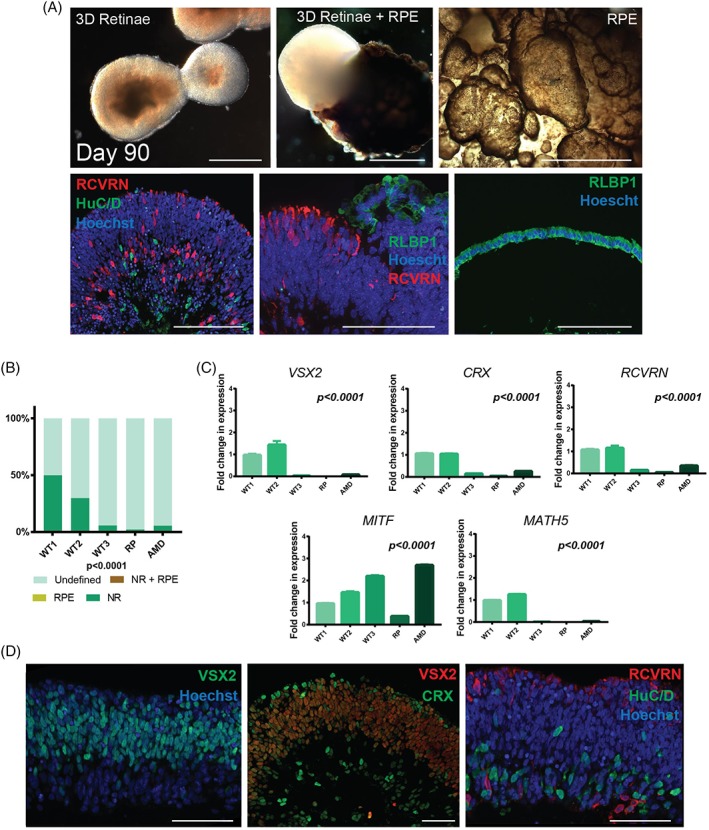
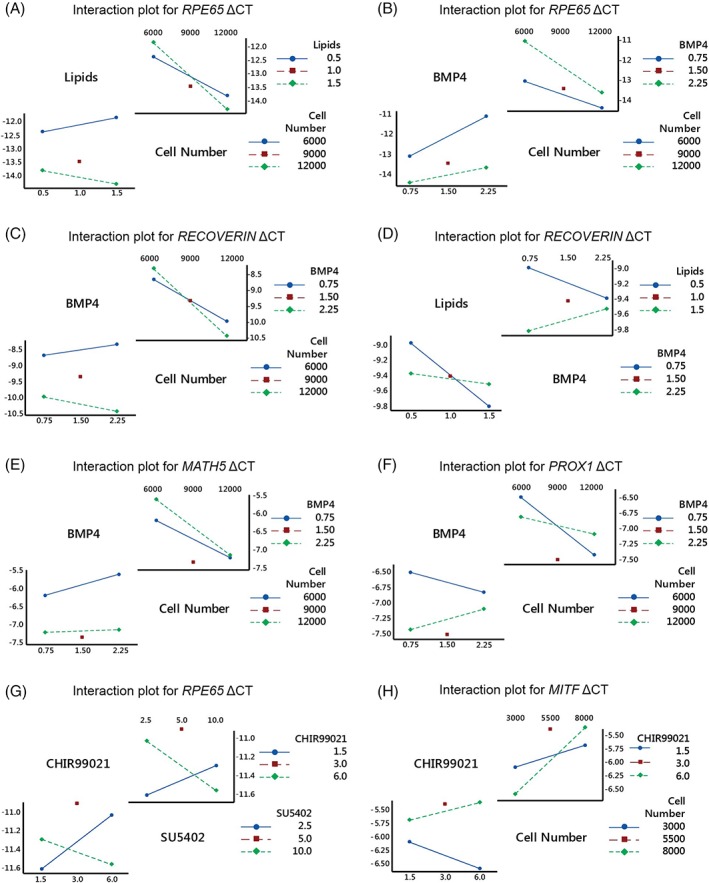
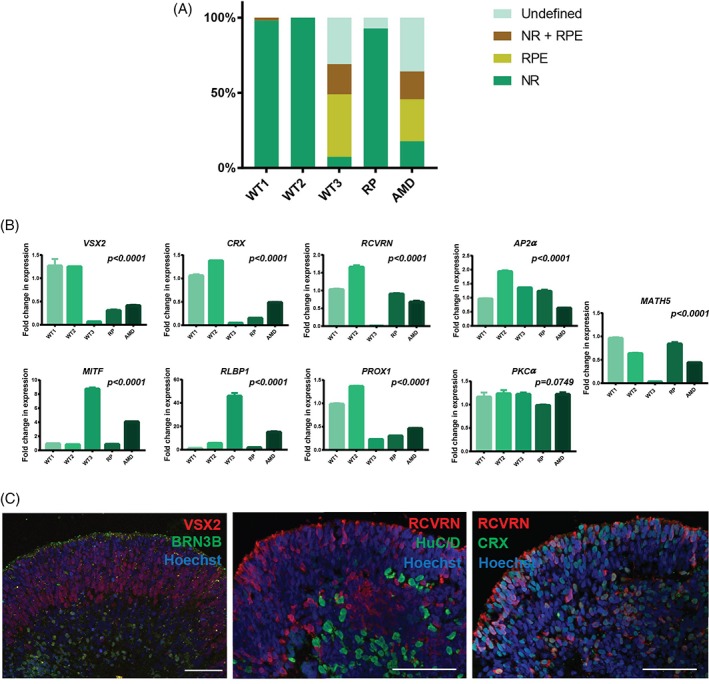
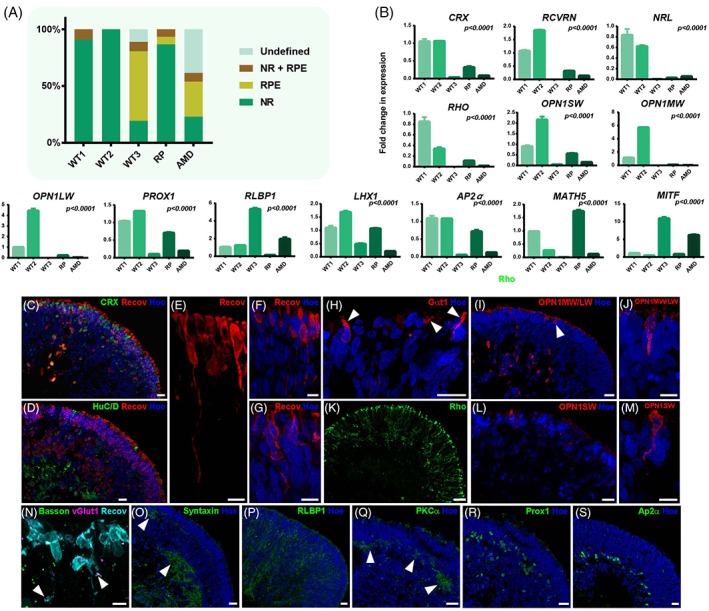
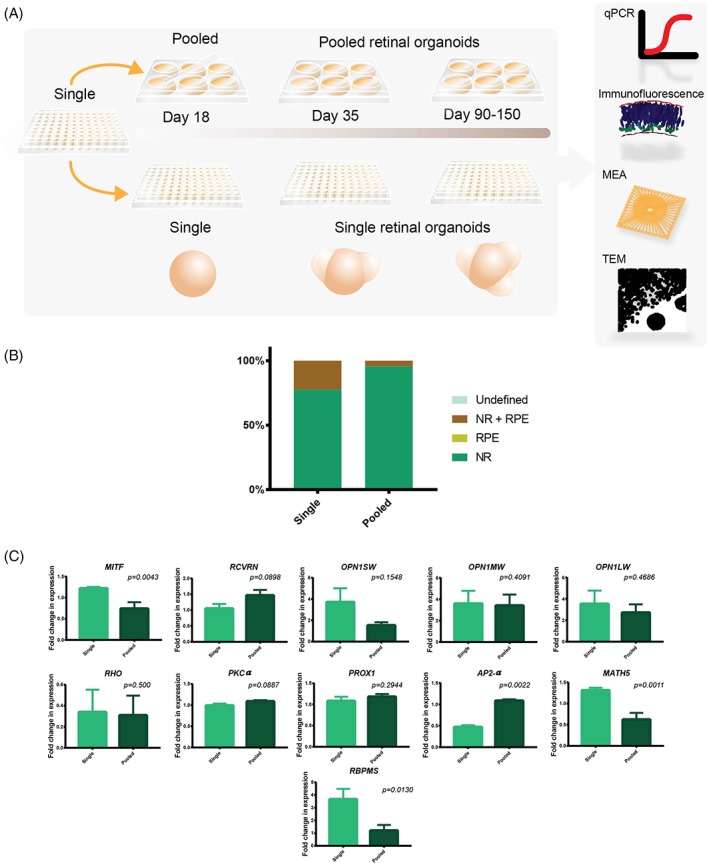
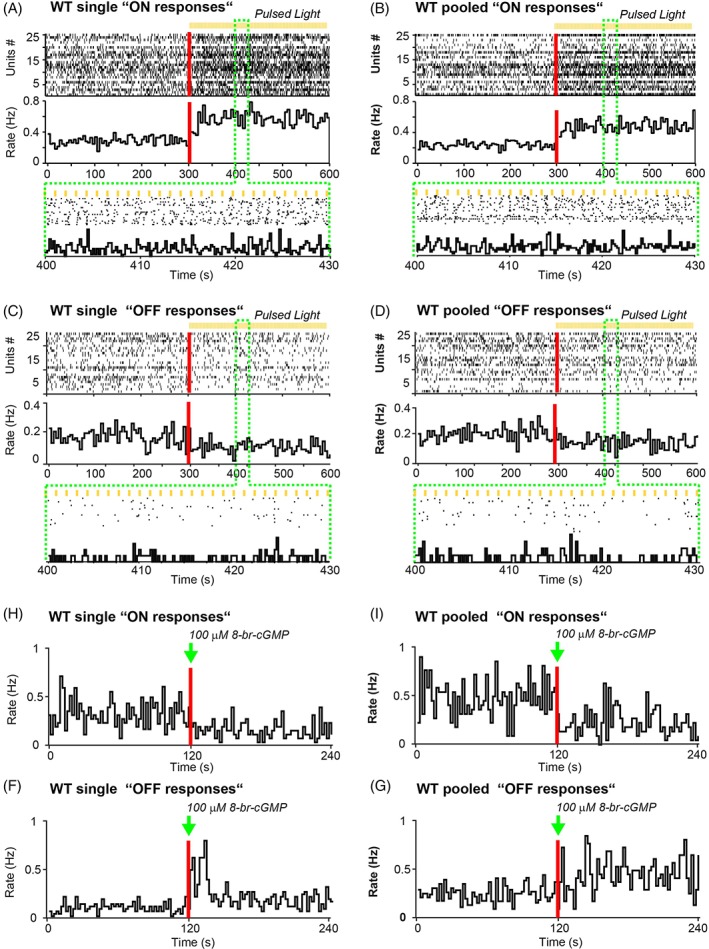
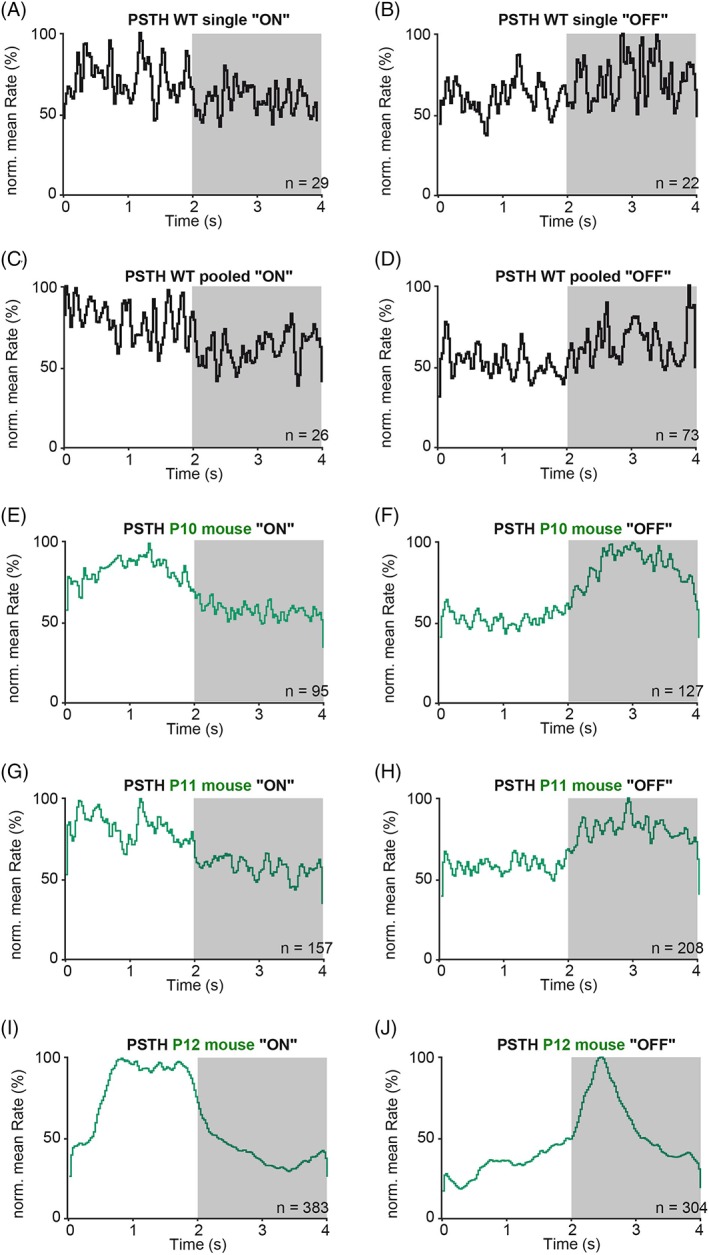
The availability of in vitro models of the human retina in which to perform pharmacological and toxicological studies is an urgent and unmet need. An essential step for developing in vitro models of human retina is the ability to generate laminated, physiologically functional, and light-responsive retinal organoids from renewable and patient specific sources. We investigated five different human-induced pluripotent stem cell (iPSC) lines and showed a significant variability in their efficiency to generate retinal organoids. Despite this variability, by month 5 of differentiation, all iPSC-derived retinal organoids were able to generate light responses, albeit immature, comparable to the earliest light responses recorded from the neonatal mouse retina, close to the period of eye opening. All iPSC-derived retinal organoids exhibited at this time a well-formed outer nuclear like layer containing photoreceptors with inner segments, connecting cilium, and outer like segments. The differentiation process was highly dependent on seeding cell density and nutrient availability determined by factorial experimental design. We adopted the differentiation protocol to a multiwell plate format, which enhanced generation of retinal organoids with retinal-pigmented epithelium (RPE) and improved ganglion cell development and the response to physiological stimuli. We tested the response of iPSC-derived retinal organoids to Moxifloxacin and showed that similarly to in vivo adult mouse retina, the primary affected cell types were photoreceptors. Together our data indicate that light responsive retinal organoids derived from carefully selected and differentiation efficient iPSC lines can be generated at the scale needed for pharmacology and drug screening purposes. Stem Cells 2018;36:1535-1551.
在体外培养人类视网膜的模型中进行药理学和毒理学研究是一项迫切需要而尚未满足的需求。开发体外人类视网膜模型的关键步骤是能够从可再生和患者特异性来源生成分层的、生理功能正常和对光有反应的视网膜类器官。我们研究了五种不同的人诱导多能干细胞(iPSC)系,并显示它们生成视网膜类器官的效率存在显著差异。尽管存在这种差异,但在分化的第 5 个月,所有 iPSC 衍生的视网膜类器官都能够产生光反应,尽管不成熟,但与从新生小鼠视网膜记录的最早光反应相当,接近睁眼期。此时,所有 iPSC 衍生的视网膜类器官都表现出具有外核样层的良好形成,其中包含具有内节、连接纤毛和外节的光感受器。分化过程高度依赖于接种细胞密度和由析因实验设计确定的营养物质可用性。我们采用了分化方案到多井板格式,这增强了视网膜色素上皮(RPE)的视网膜类器官生成,并改善了神经节细胞的发育和对生理刺激的反应。我们测试了 iPSC 衍生的视网膜类器官对莫西沙星的反应,结果表明,与体内成年小鼠视网膜相似,受影响的主要细胞类型是光感受器。总之,我们的数据表明,从精心挑选和分化效率高的 iPSC 系衍生的对光有反应的视网膜类器官可以在用于药理学和药物筛选目的所需的规模上生成。干细胞 2018;36:1535-1551。