Charité - Universitätsmedizin Berlin, Humboldt - Universität zu Berlin, Berlin Institute of Health, Institute for Theoretical Biology, Germany; Charité - Universitätsmedizin Berlin, Humboldt - Universität zu Berlin, Berlin Institute of Health, Medical Department of Hematology, Oncology, and Tumor Immunology, Molecular Cancer Research Center, Germany.
Department of Clinical and Experimental Medicine, University of Foggia, Foggia, Italy.
EBioMedicine. 2018 Jul;33:105-121. doi: 10.1016/j.ebiom.2018.07.002. Epub 2018 Jul 10.
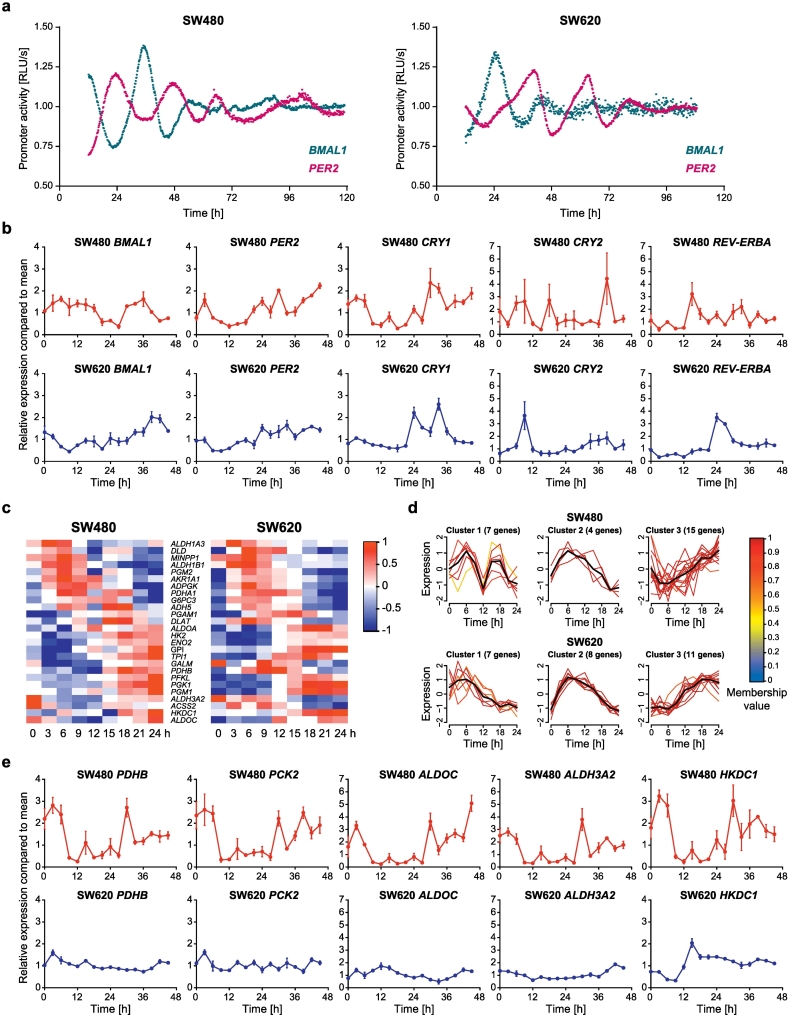
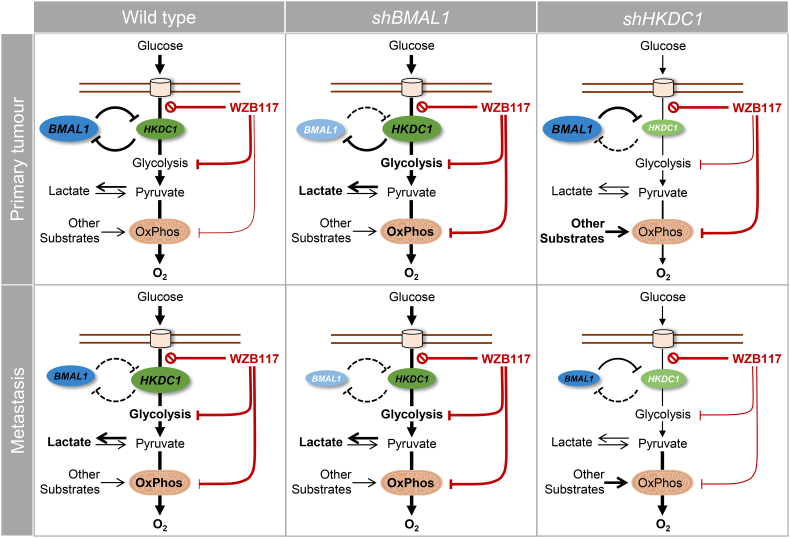
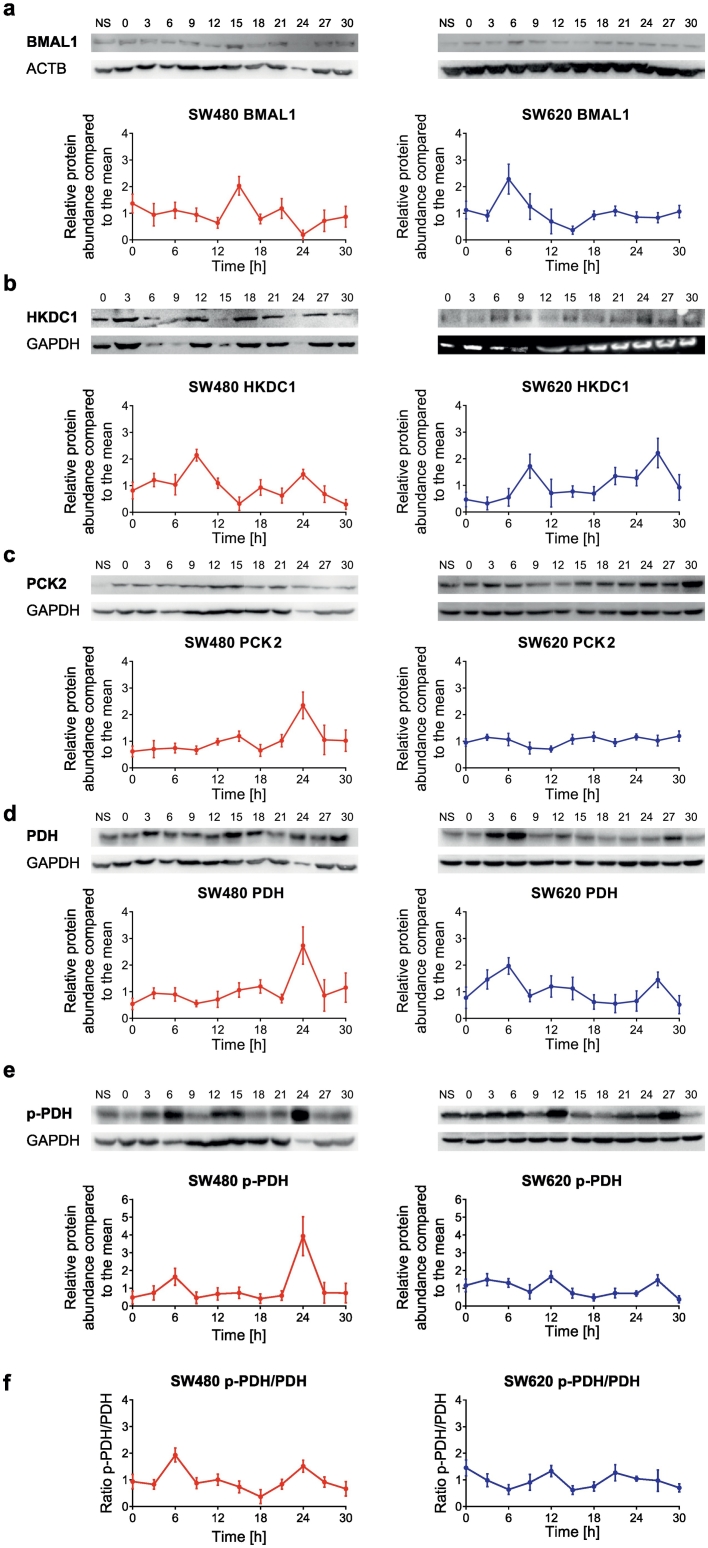
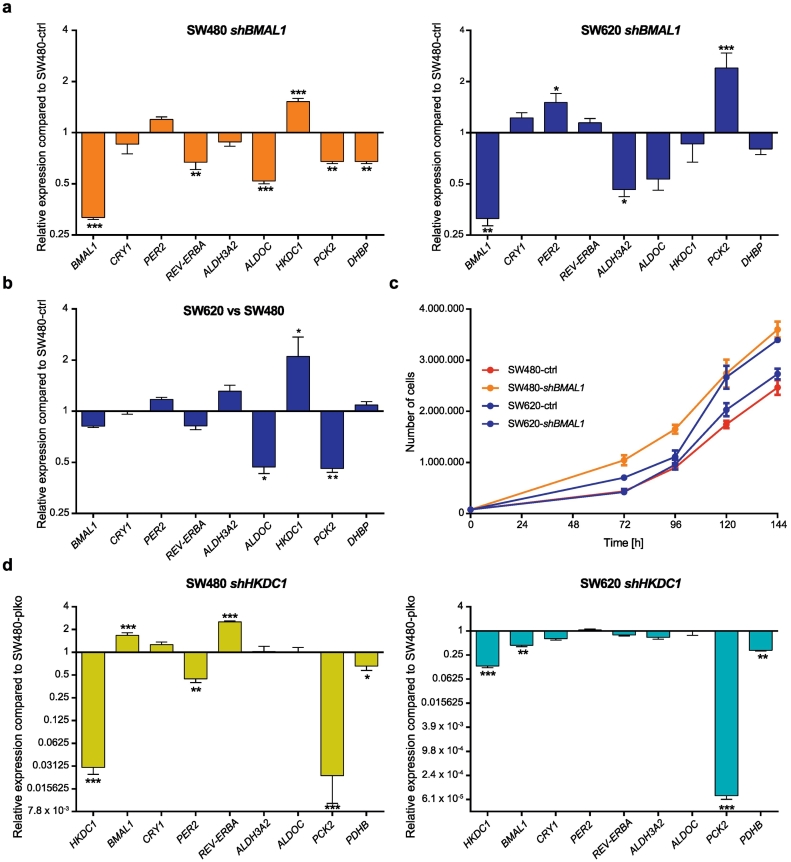
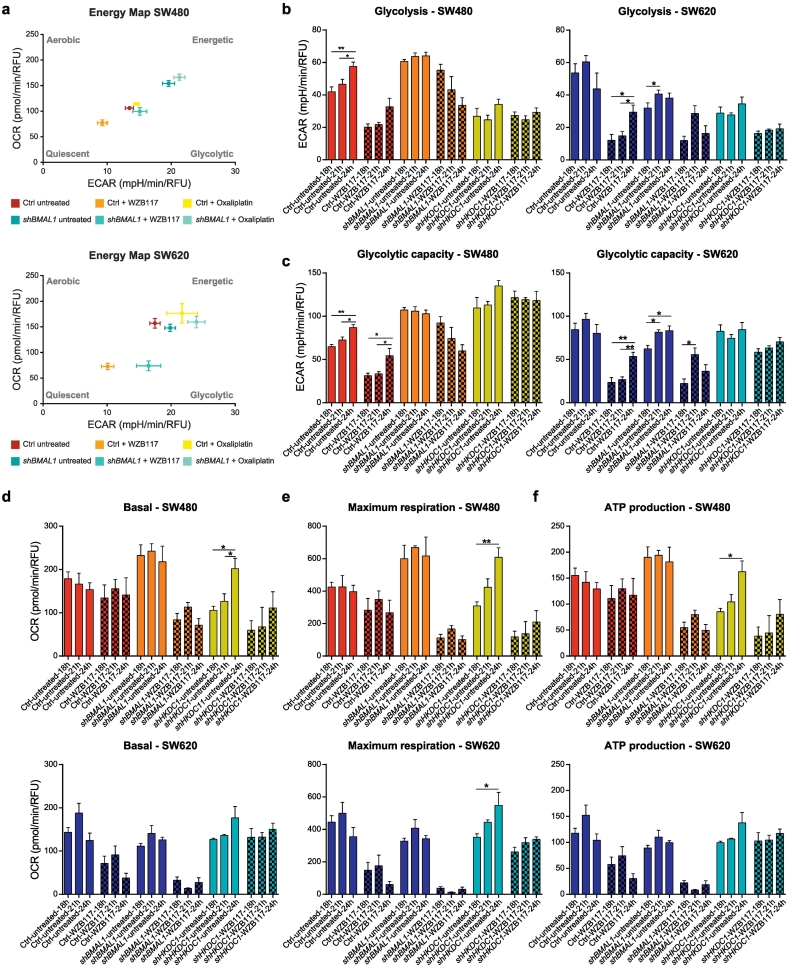
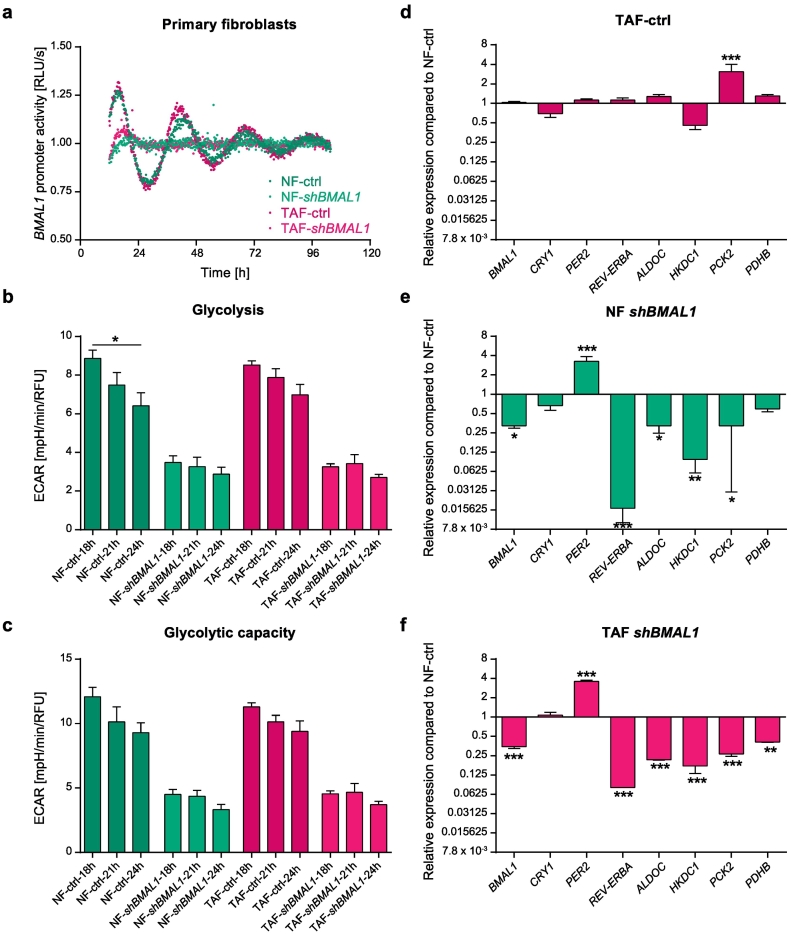
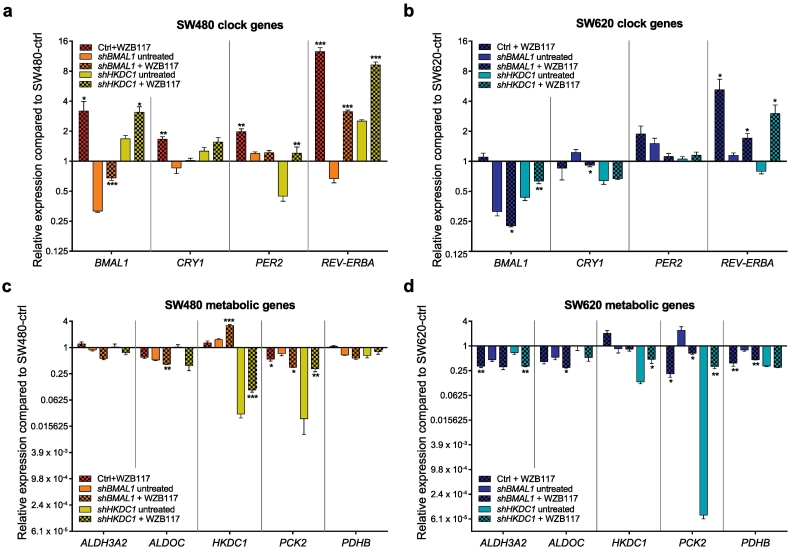
An endogenous molecular clockwork drives various cellular pathways including metabolism and the cell cycle. Its dysregulation is able to prompt pathological phenotypes including cancer. Besides dramatic metabolic alterations, cancer cells display severe changes in the clock phenotype with likely consequences in tumor progression and treatment response. In this study, we use a comprehensive systems-driven approach to investigate the effect of clock disruption on metabolic pathways and its impact on drug response in a cellular model of colon cancer progression. We identified distinctive time-related transcriptomic and metabolic features of a primary tumor and its metastatic counterpart. A mapping of the expression data to a comprehensive genome-scale reconstruction of human metabolism allowed for the in-depth functional characterization of 24 h-oscillating transcripts and pointed to a clock-driven metabolic reprogramming in tumorigenesis. In particular, we identified a set of five clock-regulated glycolysis genes, ALDH3A2, ALDOC, HKDC1, PCK2, and PDHB with differential temporal expression patterns. These findings were validated in organoids and in primary fibroblasts isolated from normal colon and colon adenocarcinoma from the same patient. We further identified a reciprocal connection of HKDC1 to the clock in the primary tumor, which is lost in the metastatic cells. Interestingly, a disruption of the core-clock gene BMAL1 impacts on HKDC1 and leads to a time-dependent rewiring of metabolism, namely an increase in glycolytic activity, as well as changes in treatment response. This work provides novel evidence regarding the complex interplay between the circadian clock and metabolic alterations in carcinogenesis and identifies new connections between both systems with pivotal roles in cancer progression and response to therapy.
内源性分子钟驱动包括代谢和细胞周期在内的各种细胞途径。其失调能够促使包括癌症在内的病理表型发生。除了剧烈的代谢改变外,癌细胞的时钟表型也会发生严重变化,这可能会对肿瘤的进展和治疗反应产生影响。在这项研究中,我们使用全面的系统驱动方法来研究时钟中断对代谢途径的影响及其对结肠癌进展的细胞模型中药物反应的影响。我们鉴定了原发性肿瘤及其转移性对应物的时间相关转录组和代谢特征。将表达数据映射到人类代谢的综合全基因组重建,使我们能够深入研究 24 小时振荡转录物的功能特征,并指出时钟驱动在肿瘤发生过程中的代谢重编程。特别是,我们鉴定了一组五个时钟调节的糖酵解基因,ALDH3A2、ALDOC、HKDC1、PCK2 和 PDHB,它们具有不同的时间表达模式。这些发现得到了类器官和来自同一患者的正常结肠和结肠腺癌的原代成纤维细胞的验证。我们进一步鉴定了 HKDC1 在原发性肿瘤中与时钟的相互联系,而这种联系在转移性细胞中丢失。有趣的是,核心时钟基因 BMAL1 的中断会影响 HKDC1,并导致代谢的时间依赖性重新布线,即糖酵解活性增加,以及治疗反应的变化。这项工作为生物钟和致癌过程中代谢改变之间的复杂相互作用提供了新的证据,并确定了两个系统之间的新联系,它们在癌症的进展和对治疗的反应中起着关键作用。