Thaxted Surgery, Margaret Street, Thaxted, Dunmow, Essex, CM6 2QN, England.
NIHR School for Primary Care Research, Division of Population Health, Health Services Research and Primary Care, School of Health Sciences, the University of Manchester, Williamson Building, Oxford Road, Manchester, UK.
BMC Health Serv Res. 2018 Jul 16;18(1):559. doi: 10.1186/s12913-018-3313-5.
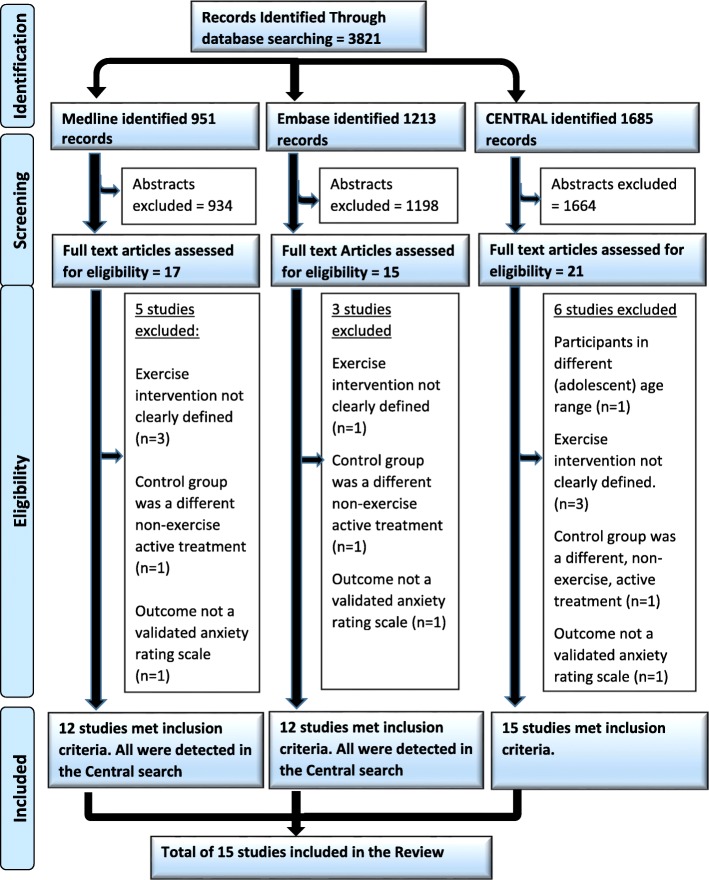
Anxiety disorders are common, yet treatment options in general practice are often limited to medication or CBT. There is a lack of evidence for the effectiveness of exercise in the treatment of anxiety in patients who present to general practice and also about the intensity of exercise required to lead to improvement. The aim of this systematic review was to assess the use of exercise versus waiting list control groups in the treatment of anxiety and also to assess the benefit of high intensity exercise vs low intensity exercise. Long term follow up scores were also analysed. We included patients who met diagnostic criteria for anxiety disorders or had clinically raised anxiety levels on a validated rating scale and performed a subgroup analysis of the outcomes between the two groups. The intervention was any aerobic exercise programme carried out for at least two weeks, or exercise carried out at high intensity for at least two weeks. The comparison groups were either a waiting list control group or low intensity exercise.
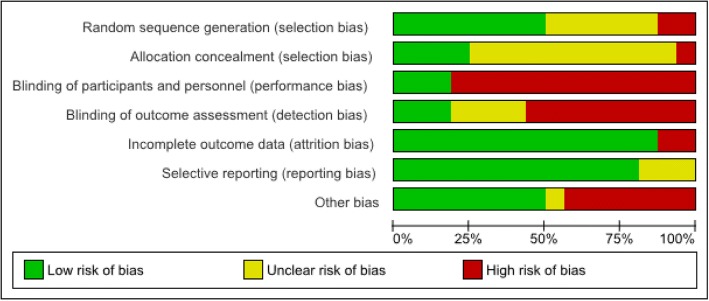
Systematic review of randomised controlled trials. Three databases were searched; CENTRAL, Medline and Embase. Outcome assessment was based on validated anxiety rating scales. The quality of the studies was appraised according to the Cochrane Risk of Bias tool. Effect sizes were calculated using the standardised mean difference.
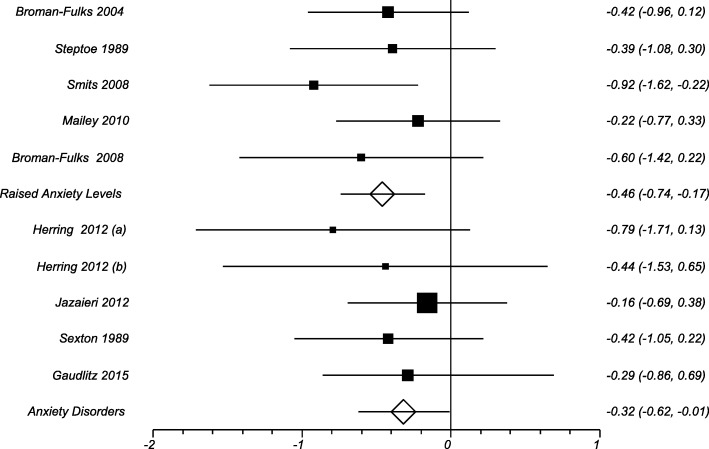
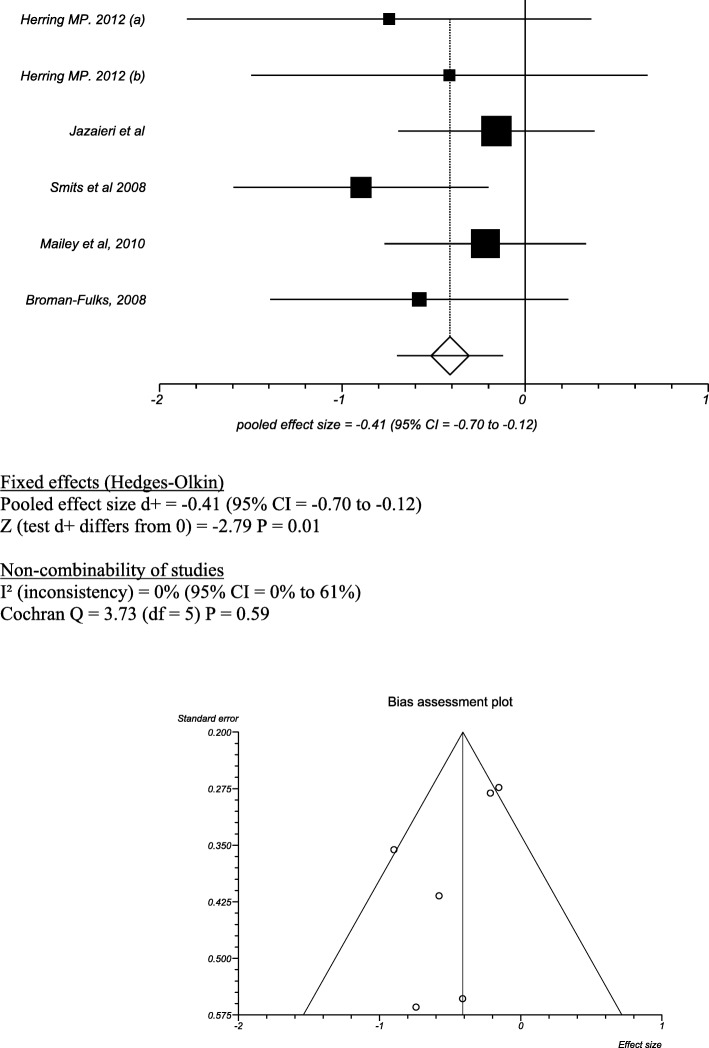
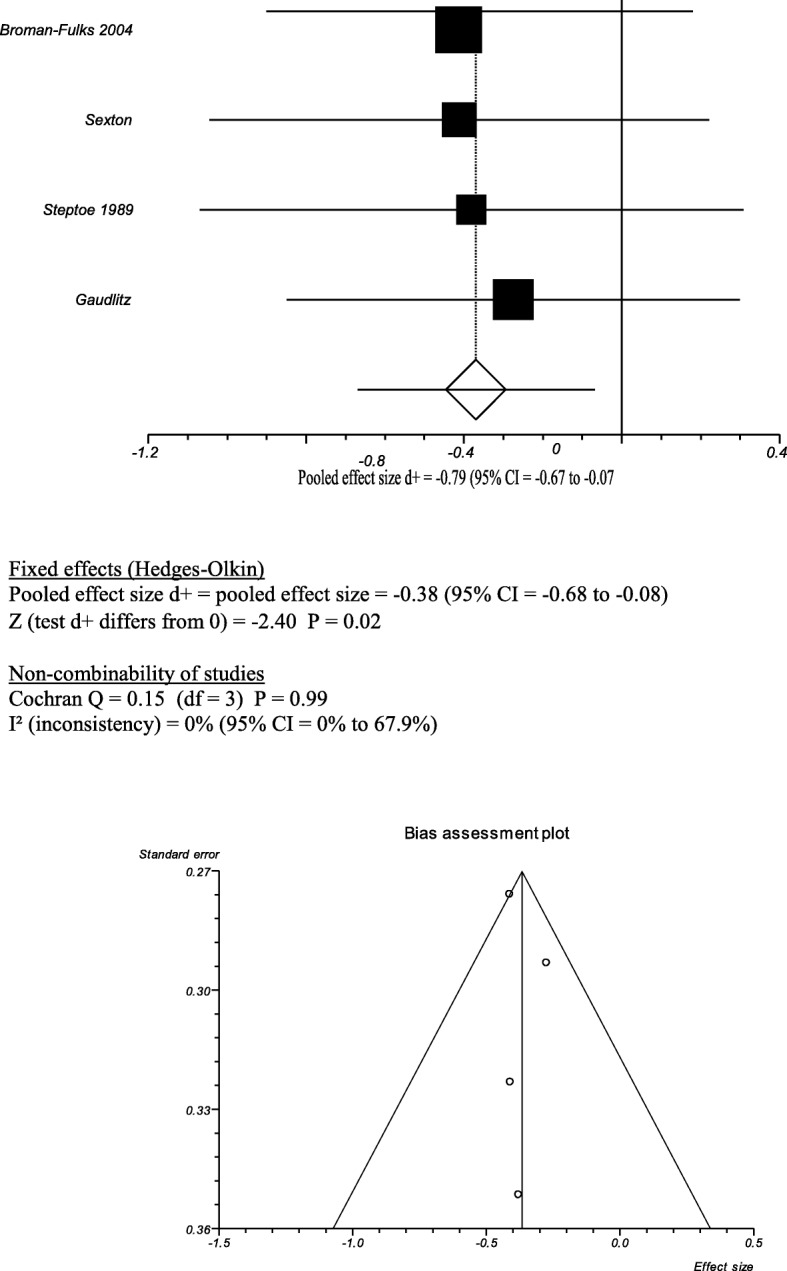
Fifteen studies were identified with a total of 675 patients. Nine trials had participants with diagnosed anxiety disorders and six trials had participants with raised anxiety on a validated rating scale. Aerobic exercise was effective in the treatment of raised anxiety compared to waiting list control groups (effect size - 0.41, 95% CI = - 0.70 to - 0.12). High intensity exercise programmes showed greater effects than low intensity programmes. There was no significant difference in outcomes between groups of patients with diagnosed anxiety disorders and patients who had raised anxiety on a rating scale. Conclusions were limited by the small number of studies and wide variation in the delivery of exercise interventions.
Exercise programmes are a viable treatment option for the treatment of anxiety. High intensity exercise regimens were found to be more effective than low intensity regimens. The results have implications for the use of exercise schemes in General Practice.
焦虑症很常见,但全科医学中的治疗选择通常限于药物治疗或认知行为疗法。对于在全科就诊时出现焦虑的患者,运动治疗的有效性证据不足,也不清楚需要多大强度的运动才能改善病情。本系统评价旨在评估运动与等待名单对照组在焦虑治疗中的应用,以及评估高强度运动与低强度运动的益处。还分析了长期随访评分。我们纳入了符合焦虑障碍诊断标准或在经过验证的评定量表上有临床升高的焦虑水平的患者,并对两组患者的结果进行了亚组分析。干预措施是至少进行两周的任何有氧运动方案,或至少进行两周的高强度运动。对照组为等待名单对照组或低强度运动。
随机对照试验的系统评价。检索了三个数据库;CENTRAL、Medline 和 Embase。结局评估基于经过验证的焦虑评定量表。根据 Cochrane 偏倚风险工具评估研究质量。使用标准化均数差计算效应量。
共确定了 15 项研究,共有 675 名患者。9 项试验的参与者被诊断为焦虑障碍,6 项试验的参与者在经过验证的评定量表上有升高的焦虑。与等待名单对照组相比,有氧运动在治疗升高的焦虑方面有效(效应大小 -0.41,95%CI=-0.70 至-0.12)。高强度运动方案比低强度方案效果更好。在被诊断为焦虑障碍的患者和在评定量表上有升高的焦虑的患者之间,两组的结果没有显著差异。结论受到研究数量少和运动干预实施方式差异大的限制。
运动方案是治疗焦虑的可行治疗选择。高强度运动方案比低强度运动方案更有效。这些结果对全科医学中运动方案的应用具有启示意义。