Department of Tuberculosis, Xuzhou Infectious Disease Hospital, Xuzhou, Jiangsu Province, PR China.
PLoS One. 2018 Jul 19;13(7):e0201025. doi: 10.1371/journal.pone.0201025. eCollection 2018.
Interleukin 2 (IL-2) is a cytokine secreted by activated T cells. Studies exploring recombinant human interleukin 2 (rhuIL-2) as an adjunctive immunotherapeutic agent to treat tuberculosis (TB) have shown variable results; however, the true therapeutic efficacy of rhuIL-2 administration in TB patients has not been determined.
A systematic review to identify publications exploring the association between rhuIL-2-based immunotherapy for TB and outcomes (sputum culture conversion, sputum smear conversion, radiographic changes, and leukocyte phenotype changes) in patients with pulmonary TB published before June 8, 2018 was performed. Data were extracted and analyzed by two investigators independently.
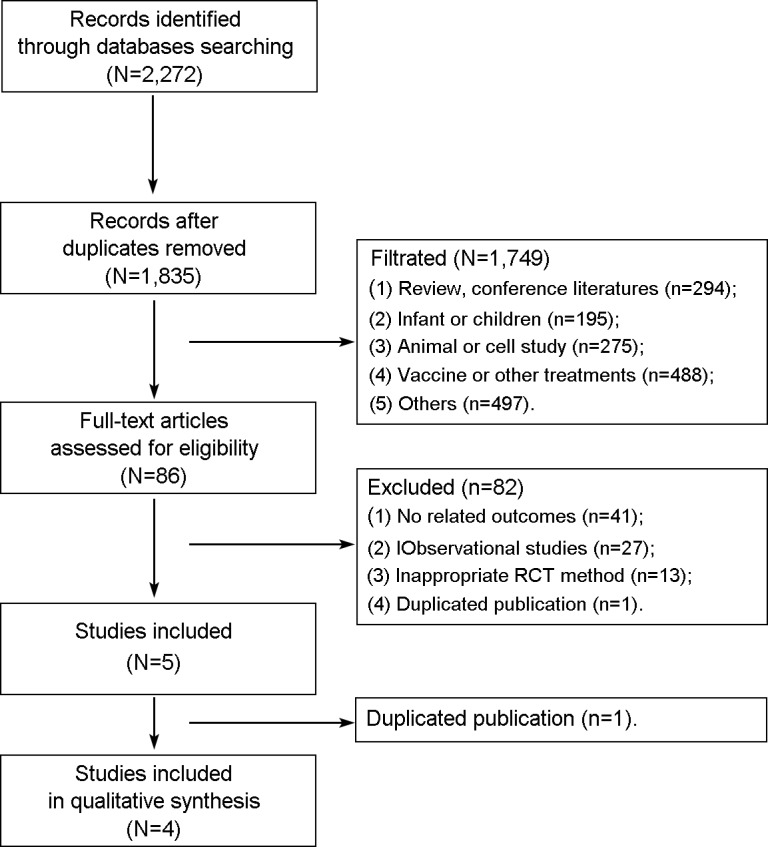
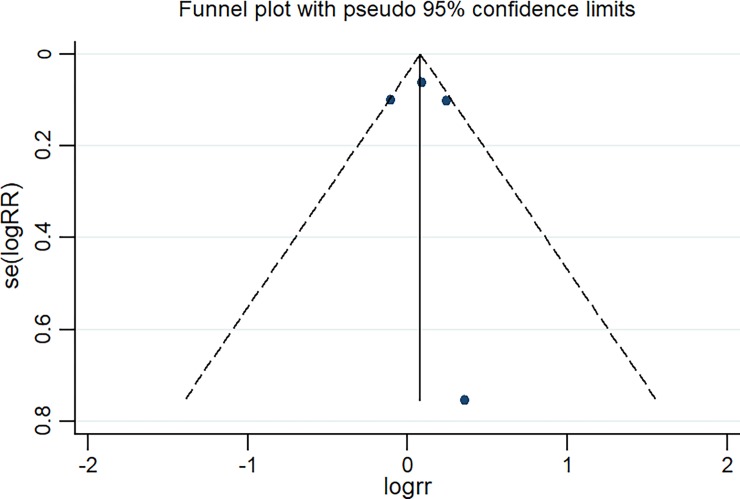
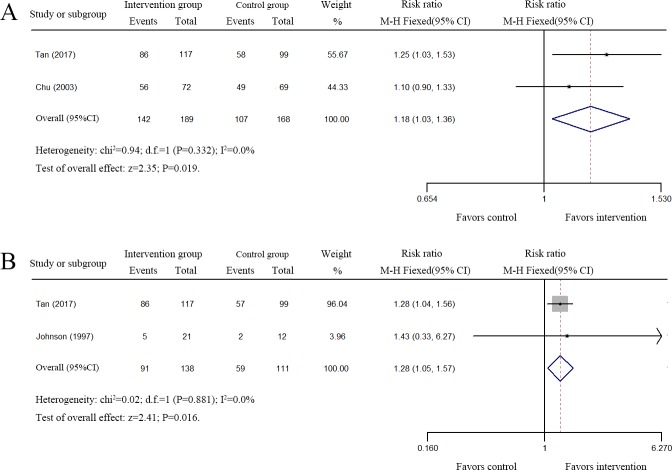
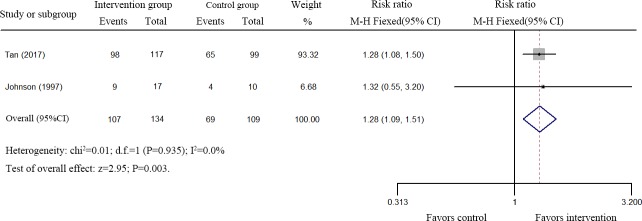
A total of 2,272 records were screened. Four randomized controlled trials (RCTs) comprising 656 pulmonary TB patients were finally included. The rhuIL-2 treatment could significantly improve the sputum culture conversion of TB (RR, 1.18; 95%CI: 1.03-1.36; I2 < 0.01; P = 0.019) after at least 3 months of anti-TB therapy and the sputum smear conversion of TB during anti-TB therapy. Treating multidrug-resistant tuberculosis (MDR-TB) with rhuIL-2 could improve the sputum culture conversion (RR, 1.28; 95%CI: 1.05-1.57; I2 < 0.01; P = 0.016) and smear conversion (RR, 1.28; 95%CI: 1.09-1.51; I2 < 0.01; P = 0.003) at the end of anti-TB treatment. Meanwhile, rhuIL-2-based adjunctive immunotherapy could expand the proliferation and conversion of CD4+ and natural killer (NK) cells. Three of the included studies suggested that radiographic changes could not be improved by the use of rhuIL-2 as adjunctive immunotherapy. Publication bias did not exist.
Based on this first meta-analysis, rhuIL-2-based adjunctive immunotherapy appears to expand the proliferation and conversion of CD4+ and NK cells, as well as improve the sputum culture (at 3 months and later) and smear conversion of TB patients.
白细胞介素 2(IL-2)是一种由活化的 T 细胞分泌的细胞因子。探索重组人白细胞介素 2(rhuIL-2)作为辅助免疫治疗剂治疗结核病(TB)的研究结果不一;然而,rhuIL-2 给药治疗 TB 患者的真正治疗效果尚未确定。
对 2018 年 6 月 8 日前发表的探索 rhuIL-2 为基础的免疫疗法与肺结核患者(痰培养转换、痰涂片转换、影像学变化和白细胞表型变化)之间关联的出版物进行了系统评价。数据由两名研究人员独立提取和分析。
共筛选出 2272 条记录。最终纳入了 4 项包含 656 例肺结核患者的随机对照试验(RCT)。rhuIL-2 治疗可显著提高抗结核治疗至少 3 个月后 TB 的痰培养转换率(RR,1.18;95%CI:1.03-1.36;I2<0.01;P=0.019)和抗结核治疗期间的痰涂片转换率。用 rhuIL-2 治疗耐多药结核病(MDR-TB)可提高痰培养转换率(RR,1.28;95%CI:1.05-1.57;I2<0.01;P=0.016)和治疗结束时的痰涂片转换率(RR,1.28;95%CI:1.09-1.51;I2<0.01;P=0.003)。同时,rhuIL-2 辅助免疫疗法可扩大 CD4+和自然杀伤(NK)细胞的增殖和转化。纳入的 3 项研究表明,rhuIL-2 辅助免疫治疗并不能改善影像学变化。不存在发表偏倚。
基于这项首次荟萃分析,rhuIL-2 辅助免疫疗法似乎可扩大 CD4+和 NK 细胞的增殖和转化,改善 TB 患者的痰培养(在 3 个月后)和涂片转换。