The Wellcome Trust Research Laboratory, Division of Gastrointestinal Sciences, Christian Medical College, Vellore, Tamil Nadu, India.
Department of Community Health, Christian Medical College, Vellore, Tamil Nadu, India.
BMC Public Health. 2018 Jul 20;18(1):898. doi: 10.1186/s12889-018-5809-7.
ROTAVAC, an indigenous rotavirus vaccine, was introduced in the universal immunization program of India in four states in 2016 and expanded to five more states in 2017. The clinical trial on efficacy of ROTAVAC did not detect an increased risk of intussusception, but the trial was not large enough to detect a small risk. This protocol paper describes the establishment and implementation of a surveillance system to monitor the safety of rotavirus vaccine and investigate the potential infectious etiologies of intussusception.
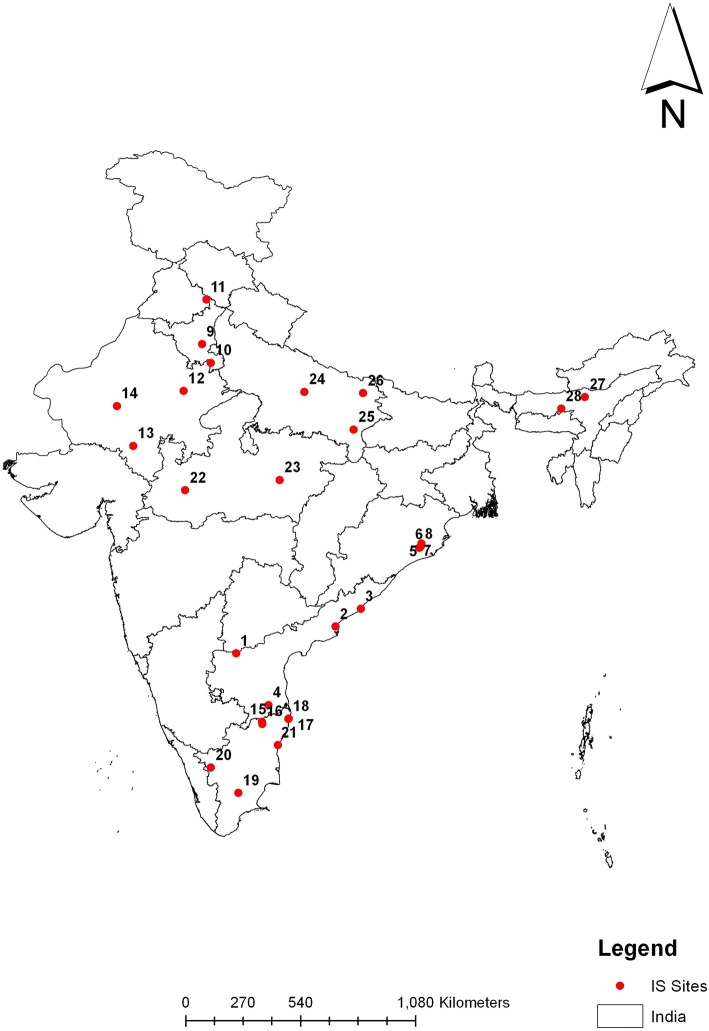
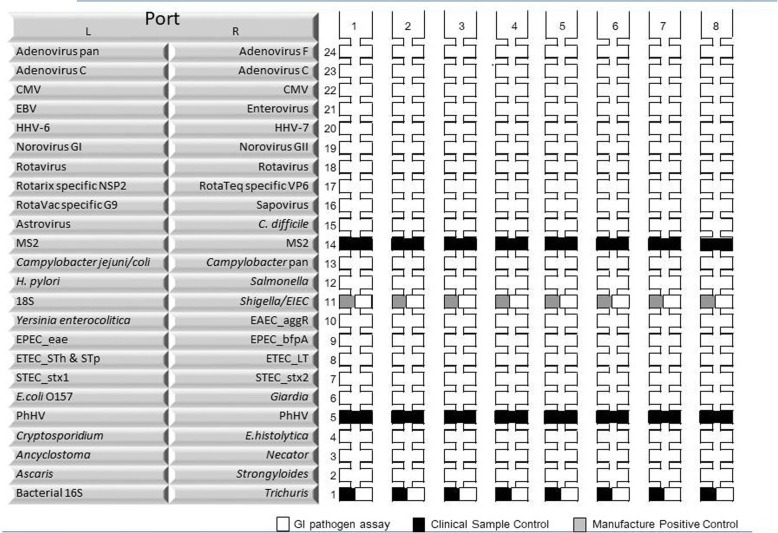
This is a multi-centric hospital-based active surveillance being conducted at 28 hospitals in nine states of India. Data gathered from surveillance will be used to assess the risk of intussusception after ROTAVAC administration and to determine the infectious etiologies of intussusception. For safety assessment of ROTAVAC vaccine, children aged less than two years with intussusception admitted at the sentinel hospitals are enrolled into surveillance, a case report form completed, and a copy of the vaccination card obtained. The risk of intussusception following rotavirus vaccination will be assessed using a self-controlled case-series design. The investigation for potential infectious etiologies of intussusception is through a matched case-control design. Children enrolled for the safety assessment serve as cases and for each case, an age, gender and location matched control is enrolled within 30 days of case enrollment. Stool specimens are obtained from cases and controls. All forms and specimens are sent to the referral laboratory for data entry, analysis, multiplexed molecular testing, and storage.
Anticipated public health benefits of this surveillance include the generation of information useful to national government on safety of vaccine and to make future decisions on vaccine use through risk-benefit analysis. Investigating infectious agents may help to determine the potential infectious etiologies of intussusception.
ROTAVAC 是一种本土轮状病毒疫苗,于 2016 年在印度的四个邦的全民免疫计划中引入,并于 2017 年扩展到另外五个邦。ROTAVAC 的临床疗效试验并未发现肠套叠风险增加,但该试验规模不足以发现较小的风险。本方案文件描述了建立和实施监测系统的情况,以监测轮状病毒疫苗的安全性并调查肠套叠的潜在感染病因。
这是在印度九个邦的 28 家医院进行的多中心医院主动监测。从监测中收集的数据将用于评估 ROTAVAC 给药后肠套叠的风险,并确定肠套叠的感染病因。为了评估 ROTAVAC 疫苗的安全性,在哨点医院收治的年龄小于 2 岁且患有肠套叠的儿童将被纳入监测,填写病例报告表并获取疫苗接种卡的副本。将使用自我对照病例系列设计评估轮状病毒疫苗接种后肠套叠的风险。通过匹配病例对照设计调查肠套叠的潜在感染病因。纳入安全性评估的儿童作为病例,为每个病例在病例纳入后 30 天内纳入年龄、性别和地点匹配的对照。从病例和对照中获取粪便标本。所有表格和标本均发送至指定实验室进行数据录入、分析、多重分子检测和存储。
这项监测工作预期将为国家政府提供有关疫苗安全性的有用信息,并通过风险效益分析为未来的疫苗使用决策提供信息。调查感染性病原体可能有助于确定肠套叠的潜在感染病因。