Intramural Research Program, National Institute on Drug Abuse, National Institutes of Health, Baltimore, MD, 21224, USA.
Solomon H. Snyder Department of Neuroscience, Johns Hopkins University School of Medicine, Baltimore, MD, 21205, USA.
Neuropsychopharmacology. 2019 Jan;44(2):344-355. doi: 10.1038/s41386-018-0151-4. Epub 2018 Jul 13.
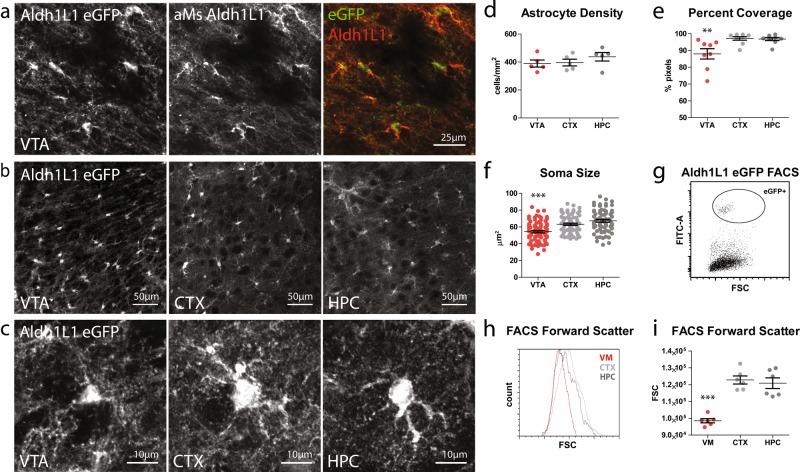
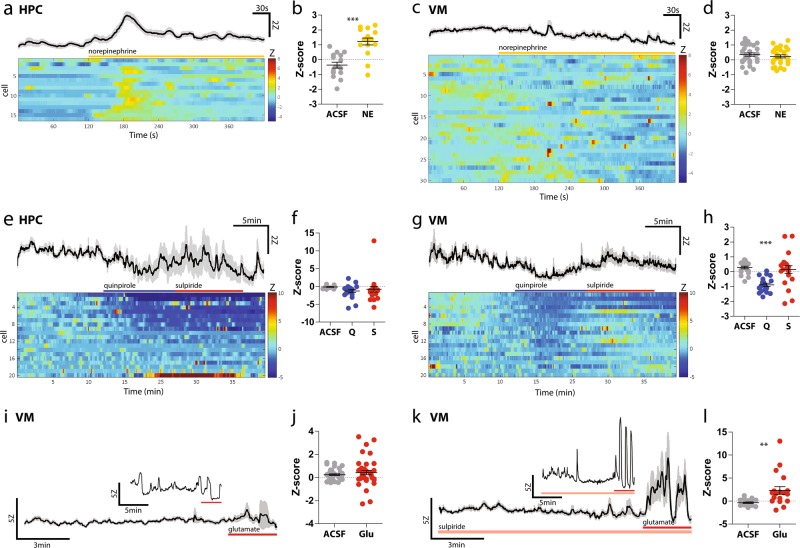
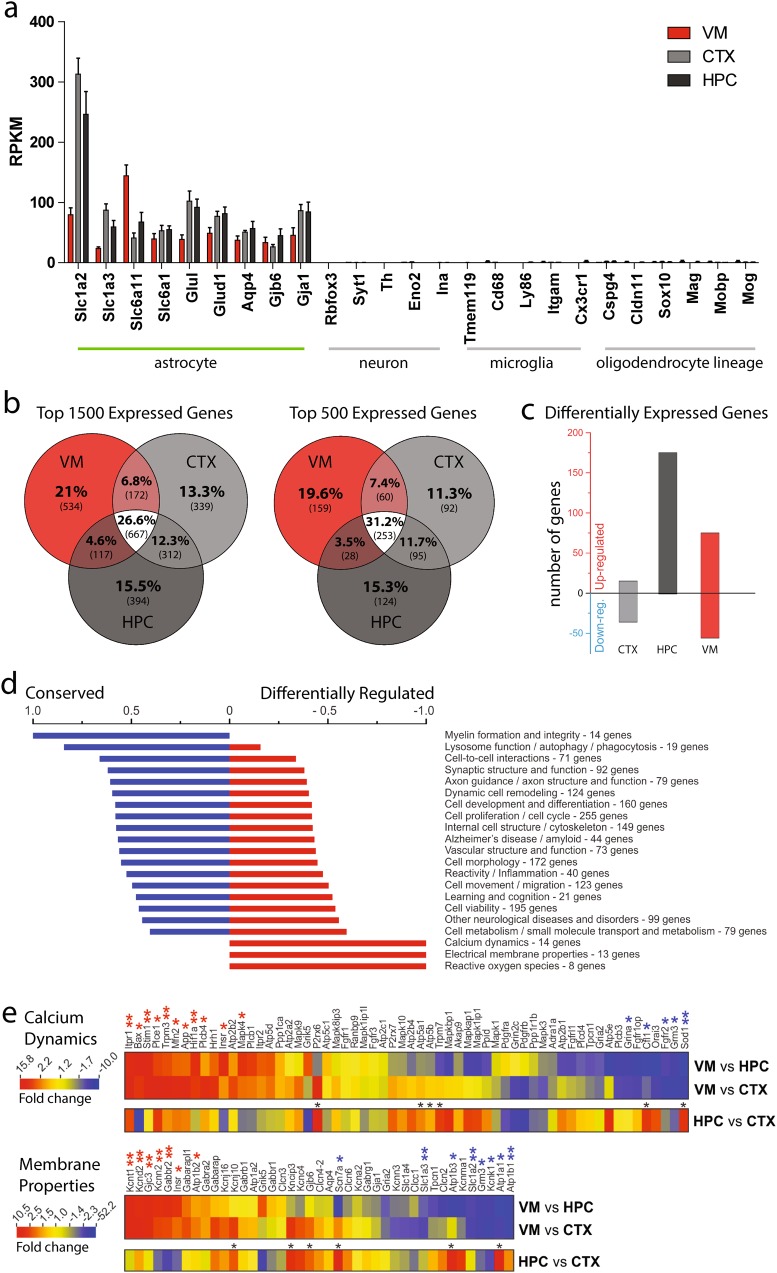
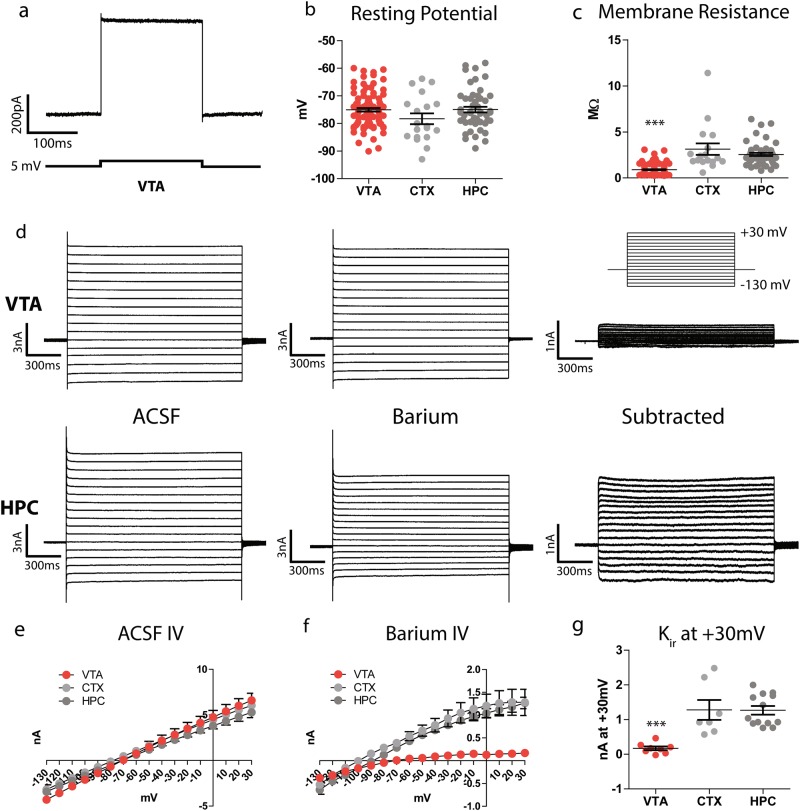
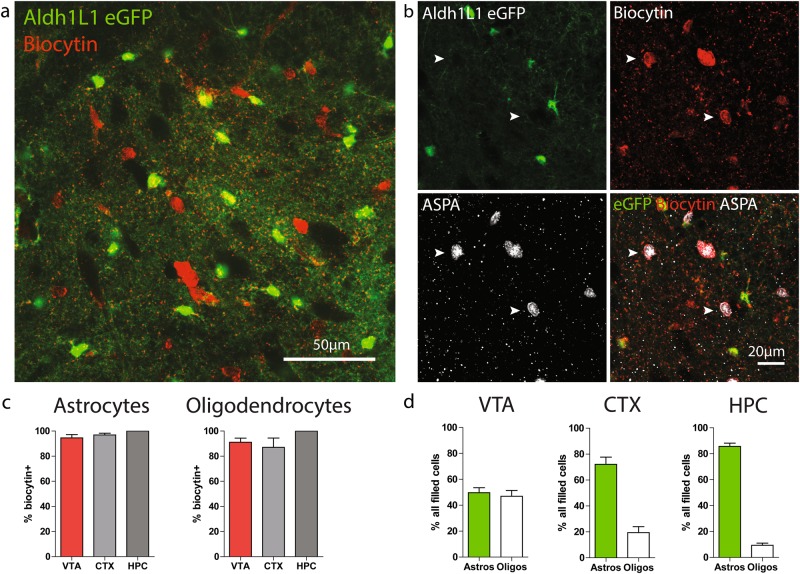
Astrocytes are ubiquitous CNS cells that support tissue homeostasis through ion buffering, neurotransmitter recycling, and regulation of CNS vasculature. Yet, despite the essential functional roles they fill, very little is known about the physiology of astrocytes in the ventral midbrain, a region that houses dopamine-releasing neurons and is critical for reward learning and motivated behaviors. Here, using a combination of whole-transcriptome sequencing, histology, slice electrophysiology, and calcium imaging, we performed the first functional and molecular profiling of ventral midbrain astrocytes and observed numerous differences between these cells and their telencephalic counterparts, both in their gene expression profile and in their physiological properties. Ventral midbrain astrocytes have very low membrane resistance and inward-rectifying potassium channel-mediated current, and are extensively coupled to surrounding oligodendrocytes through gap junctions. They exhibit calcium responses to glutamate but are relatively insensitive to norepinephrine. In addition, their calcium activity can be dynamically modulated by dopamine D2 receptor signaling. Taken together, these data indicate that ventral midbrain astrocytes are physiologically distinct from astrocytes in cortex and hippocampus. This work provides new insights into the extent of functional astrocyte heterogeneity within the adult brain and establishes the foundation for examining the impact of regional astrocyte differences on dopamine neuron function and susceptibility to degeneration.
星形胶质细胞是中枢神经系统中普遍存在的细胞,通过离子缓冲、神经递质再循环和中枢神经系统血管的调节来支持组织内稳态。然而,尽管它们具有至关重要的功能作用,但对于腹侧中脑星形胶质细胞的生理学却知之甚少,腹侧中脑是多巴胺释放神经元所在的区域,对奖励学习和动机行为至关重要。在这里,我们使用全转录组测序、组织学、切片电生理学和钙成像相结合的方法,首次对腹侧中脑星形胶质细胞进行了功能和分子特征分析,并观察到这些细胞与它们的端脑对应物之间存在许多差异,无论是在基因表达谱还是在生理特性方面。腹侧中脑星形胶质细胞的膜电阻非常低,具有内向整流钾通道介导的电流,并且通过缝隙连接与周围少突胶质细胞广泛偶联。它们对谷氨酸有钙反应,但对去甲肾上腺素相对不敏感。此外,它们的钙活性可以被多巴胺 D2 受体信号动态调节。总之,这些数据表明,腹侧中脑星形胶质细胞在生理学上与皮质和海马中的星形胶质细胞不同。这项工作为研究大脑中星形胶质细胞功能异质性的程度提供了新的见解,并为研究区域星形胶质细胞差异对多巴胺神经元功能和易感性的影响奠定了基础。