Graduate School of Science and Engineering, Saitama University, Sakura-ku, Saitama, Japan.
KP Center for Mangrove Research, KGroup Philippines, Inc., iMEZ Bldg., MEZ2, Pueblo Verde, Basak, Lapulapu City, Cebu, Philippines.
PLoS One. 2018 Aug 13;13(8):e0202227. doi: 10.1371/journal.pone.0202227. eCollection 2018.
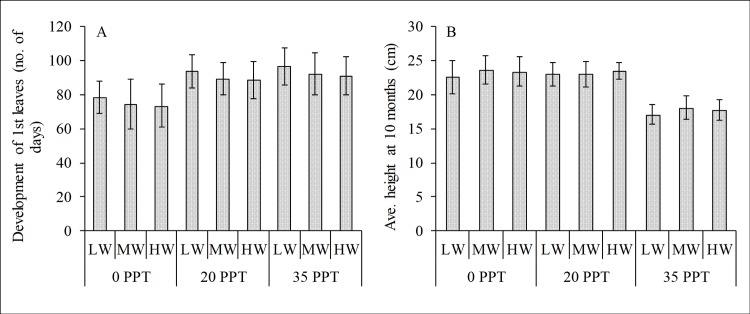
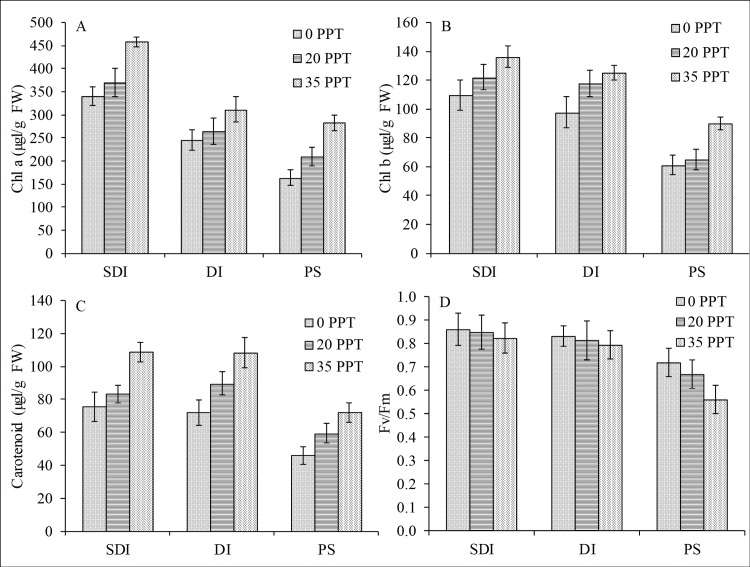
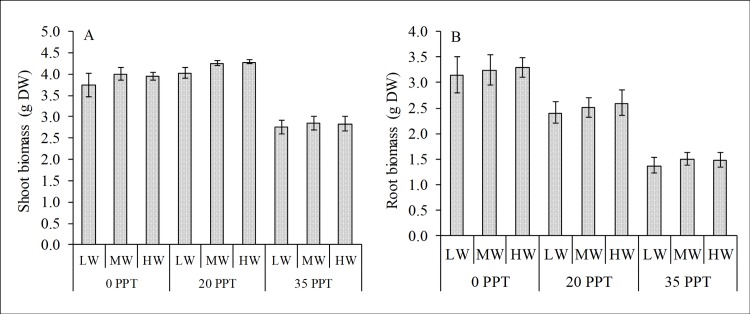
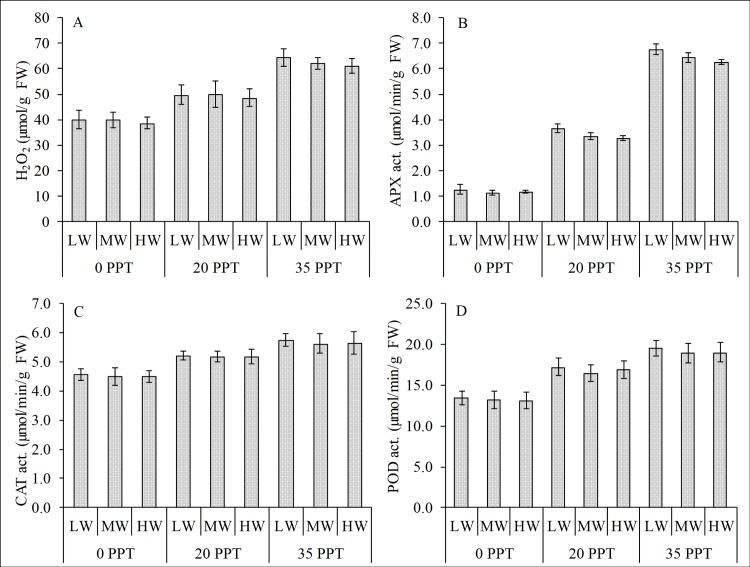
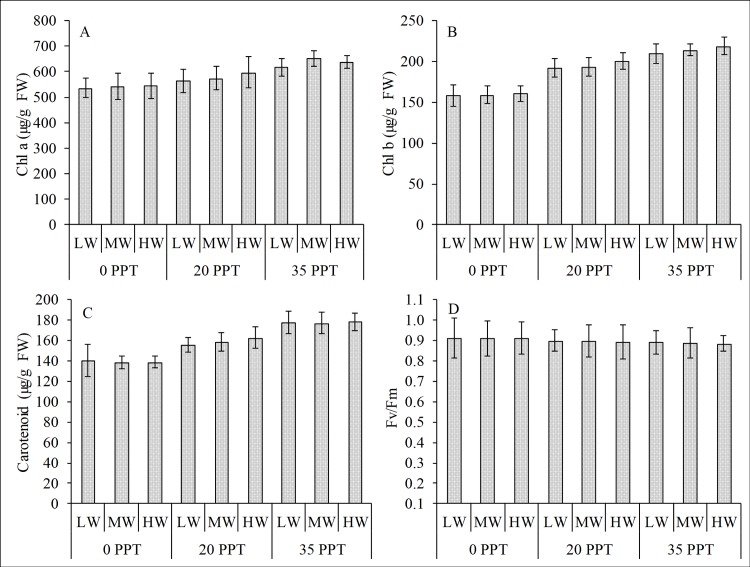
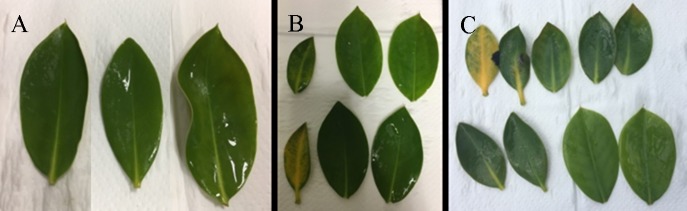
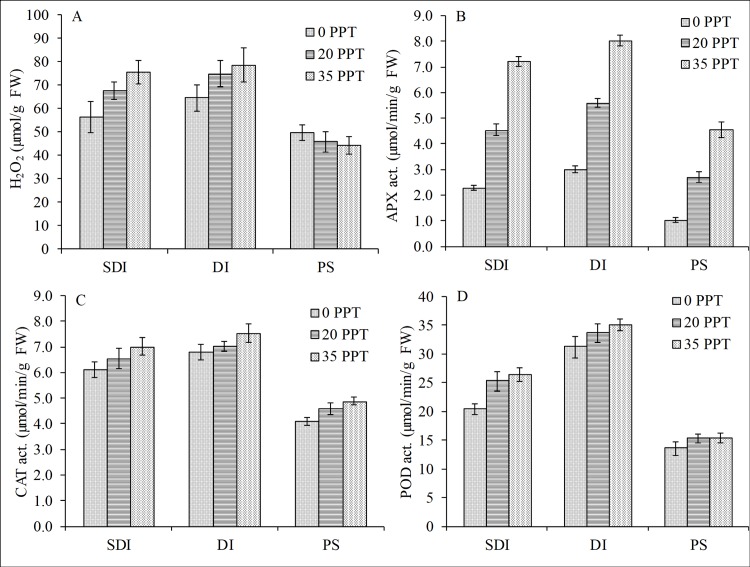
The continuous degradation of mangrove habitats has encouraged governments and multi-lateral agencies to undertake rehabilitation initiatives to foster the recovery and biodiversity of these areas. However, some rehabilitation initiatives suffer high mortality because of incorrect species-site matching and failure to recognize the ecophysiology of mangrove species. This study investigated the effects of salinity, water depth and inundation on the growth, biochemical stress responses, and ecophysiology of Rhizophora stylosa in greenhouse conditions. Propagules were cultured in aquarium tanks and irrigated with low (0 ppt), moderate (20 ppt), and high (35 ppt) salinity treatments. In the first setup, the seedlings were cultured in aquarium tanks and arranged on the top of a platform at different elevations, subjecting the seedlings to flooding with low-water (3-5 cm), mid-water (10-13 cm) and high-water (30-33 cm) levels for ten months. In another setup, the seedlings were cultured for 15 months at the low-water level and subjected to inundation hydroperiods: semi-diurnal, diurnal and permanent inundation for one week. These microcosms simulated emerged and submerged conditions, mimicking intertidal inundation that seedlings would experience. The results showed that salinity significantly affected the early development of the cultured seedlings with higher growth rates and biomass at low and moderate salinity than those at high salinity. Levels of reactive oxygen species (ROS) and antioxidant activities (AOX) were significantly lower in the emerged condition than those in an inundated condition. Inundation imposed a higher-degree of stress than that of the salinity effect, with prolonged inundation caused sublethal damage (chlorotic leaves). Furthermore, inundation caused the reduction of photosynthetic pigments and fluorescence, dependent on salinity. Extrapolating the ecophysiology of R. stylosa, this species had low tolerance to inundation stress (high ROS and AOX, reduced pigments). Translating this low tolerance to field conditions, in the frequently inundated areas (i.e., seafront mangrove fringes) that are subjected to longer inundation at spring tides, this species may suffer from oxidative stress, stunted growth and consequently low survival.
红树林生境的持续退化促使政府和多边机构开展修复工作,以促进这些地区的恢复和生物多样性。然而,一些修复工作因物种与地点不匹配以及未能认识到红树林物种的生理生态而导致高死亡率。本研究在温室条件下研究了盐分、水深和淹没对红树 Stylosa 生长、生化胁迫反应和生理生态的影响。繁殖体在水族馆水箱中培养,并用水处理低(0 ppt)、中(20 ppt)和高(35 ppt)盐度处理。在第一个设置中,幼苗在水族馆水箱中培养,并在不同高度的平台上布置,使幼苗处于低水位(3-5 cm)、中水位(10-13 cm)和高水位(30-33 cm)的淹没状态,持续十个月。在另一个设置中,幼苗在低水位水平下培养 15 个月,并经历了半昼夜、昼夜和永久性淹没的淹没水期,各一周。这些微环境模拟了幼苗在潮汐带中经历的出露和淹没条件。结果表明,盐度显著影响了培养幼苗的早期发育,低盐度和中盐度下的生长速度和生物量均高于高盐度下的生长速度和生物量。在出露条件下,活性氧(ROS)和抗氧化活性(AOX)的水平显著低于淹没条件下的水平。淹没造成的胁迫程度高于盐度效应,长时间的淹没会造成亚致死性损伤(黄化叶片)。此外,淹没会导致光合色素和荧光随盐度降低。根据红树 Stylosa 的生理生态推断,该物种对淹没胁迫的耐受性较低(ROS 和 AOX 较高,色素减少)。将这种低耐受性转化为田间条件,在经常被淹没的地区(即滨海红树林边缘),在涨潮时会经历更长时间的淹没,该物种可能会遭受氧化应激、生长受阻,从而导致低存活率。